Jingu Gaien Ginkgo & a Sushi Class in a Day
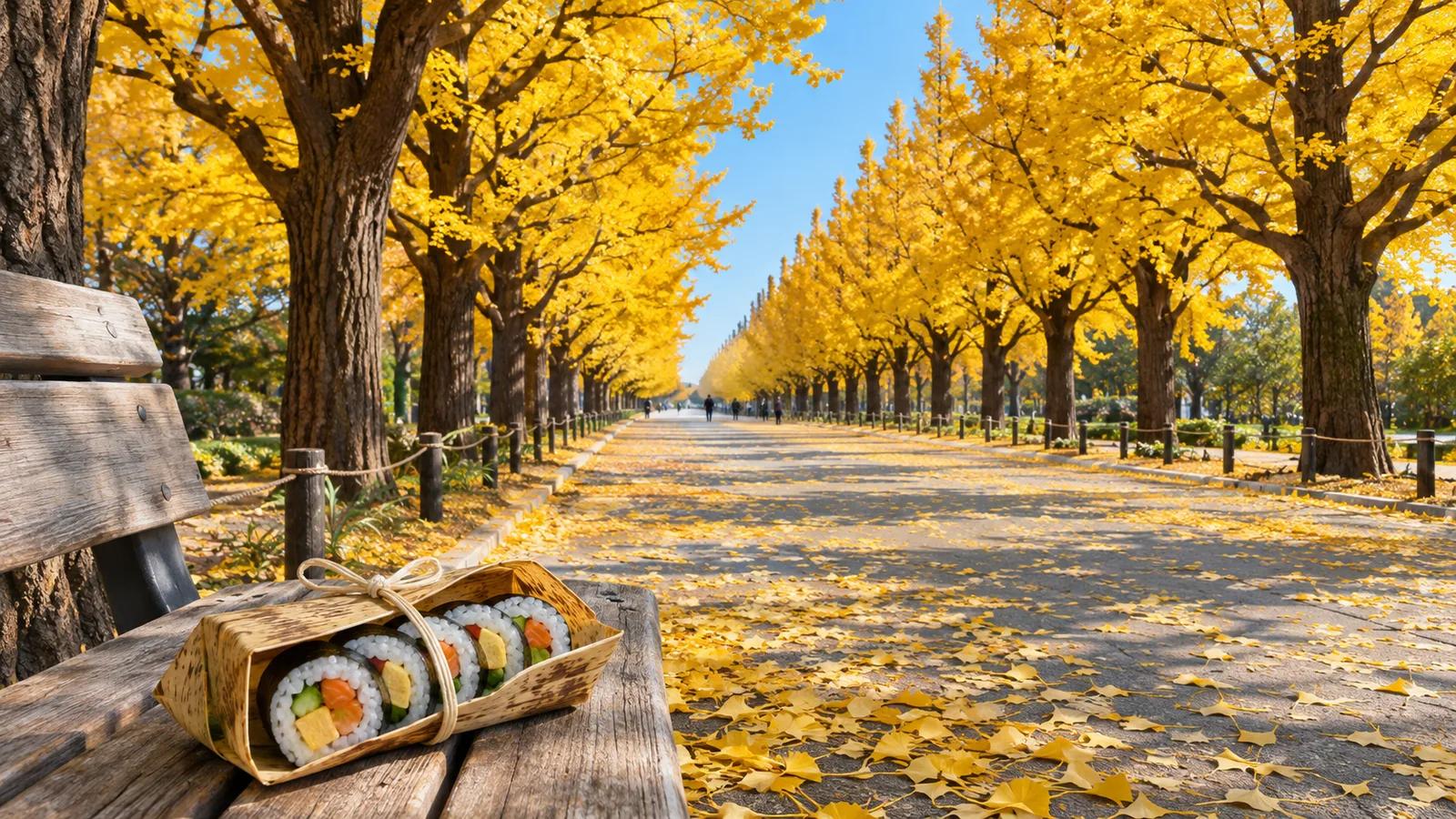
Every late autumn, a straight avenue in central Tokyo turns bright gold. The ginkgo trees of Meiji Jingu Gaien are one of the city's best-known autumn sights, and for a few weeks they draw photographers, families and travellers from early morning until dusk.
The avenue is also easy to combine with a sushi class in Asakusa, because one subway line links the two without a change. This guide covers what to expect at the avenue, when to go, how to get there from our studio, and three plans for the day.
Popular in Tokyo right now — our most recommended experience

Tokyo Sushi Making Class : Sake Ceremony & Matcha Experience in Asakusa
What the ginkgo avenue is
The ginkgo avenue (Icho Namiki) runs for about 300 metres from Aoyama-dori towards the central lawn of Meiji Jingu Gaien, the "outer garden" of Meiji Jingu. It is lined with 146 ginkgo trees planted in four rows, two on each side, so the canopy forms a tunnel of yellow leaves when the colour peaks. Fallen leaves cover the pavements and make the whole street glow.
It is a public street, so there is no admission fee and no opening time. At the far end stands the domed Meiji Memorial Picture Gallery, which frames the classic photo. The gallery itself is closed for seismic reinforcement and conservation work scheduled to continue into 2027, so plan to see it only from outside.
Meiji Jingu Gaien is a separate area from the shrine forest in Harajuku, about two kilometres away. If you want the shrine as well, our guide to Harajuku and a sushi class in one day covers Meiji Jingu, Takeshita Street and Omotesando.
When the leaves turn gold
The trees usually start to turn in mid-November, and the peak tends to come in late November or early December. The exact timing changes from year to year with the weather, so check a recent autumn-leaves report shortly before you go. Even a little before or after the peak, the avenue is still attractive, with a mix of green and yellow or a thick carpet of fallen leaves.
A ginkgo festival with food stalls has been held near the avenue in some past years. When we checked on 5 November 2026, we had not found an announcement for this year, so do not plan your day around one. Redevelopment work is also under way in parts of the wider Gaien area. The developers say the four rows of ginkgo trees are being preserved, but some nearby paths may be fenced off.
Getting there from Asakusa
The Tokyo Metro Ginza Line runs directly between Asakusa and Gaiemmae Station, with no change. The ride takes about 30 minutes. From Exit 4a at Gaiemmae, the avenue is about a three-minute walk. Aoyama-itchome Station, one stop closer to Asakusa on the same line, is also convenient: its Exit 1 is about six minutes on foot from the Aoyama-dori end.
The Ginza Line station at Asakusa is about two minutes on foot from our studio (Exit 7). Our directions from Asakusa Station show the walk from each line. Including walking and waiting, allow about 45 minutes door to door between the avenue and the studio.
Avoiding the crowds
At peak colour, weekends and the middle of the day are very busy, especially around the central part of the avenue where most people stop for photos. Early morning is the calmest time and gives soft, clear light. Late afternoon is also beautiful, but in late November the sun sets around 16:30 and it gets cold quickly once it goes down.
Bring a warm layer, and remember that the avenue is a working street with traffic in the middle. Take photos from the pavements and crossings, not from the road.
Choose your class time
Our signature sushi and matcha class lasts 90 minutes. You make nigiri and maki rolls with an English-speaking instructor, toast with sake and whisk your own matcha, and you eat what you make, so the class doubles as a meal. Start times vary by date; on the late-November dates we checked on 5 November 2026, sessions ran at 10:00, 12:00, 16:00 and 18:00, with an extra 14:00 session on some days. Check the booking calendar for the current schedule. Please arrive 10 minutes early. Our guide to how long a sushi class takes in your day explains how to plan the whole time block.
Plan A: ginkgo in the morning, sushi for lunch
- Around 8:30: arrive at Gaiemmae and walk the avenue while it is quiet.
- About 10:45: take the Ginza Line back to Asakusa.
- 12:00: make and eat sushi, then whisk matcha.
- Afternoon: walk to Senso-ji and Nakamise Street, about five minutes from the studio.
This is usually the most relaxed plan, with softer light and fewer people than at midday, although crowds vary by date.
Plan B: sushi first, golden afternoon
- 10:00: take the class in Asakusa.
- Around midday: visit Senso-ji, then take the Ginza Line to Gaiemmae.
- Early afternoon: walk the avenue and the surrounding lawns.
- Late afternoon: walk on towards Omotesando for cafés and shops, or ride the Ginza Line one stop to Omotesando.
Leave the avenue before sunset if you want to see the colour in daylight.
Plan C: a full autumn day across the city
- Morning: ginkgo avenue at Gaiemmae.
- Late morning: continue on the Ginza Line to Ginza for a walk; our Ginza and sushi class guide has ideas.
- 16:00: return to Asakusa for the class.
- Evening: walk by the Sumida River with the lights of Tokyo Skytree.
Because the Ginza Line connects Gaiemmae, Ginza and Asakusa directly, this plan needs no transfers.
If you would rather add maples and a landscaped garden, Shinjuku Gyoen is close by: its Sendagaya Gate is about five minutes on foot from JR Sendagaya Station. It charges admission and is closed on Mondays. Our guide to Shinjuku Gyoen and a sushi class covers its hours and timings that work with the class.
Quick answers
Is the ginkgo avenue free? Yes. It is a public street with no ticket or opening hours.
Which station is closest? Gaiemmae on the Ginza Line, Exit 4a, about three minutes on foot.
Is it worth going if the leaves are past peak? Often yes. Fallen leaves can cover the pavements for days after the peak.
Choose your date and time on the class page, then plan the ginkgo around it.
Related Articles
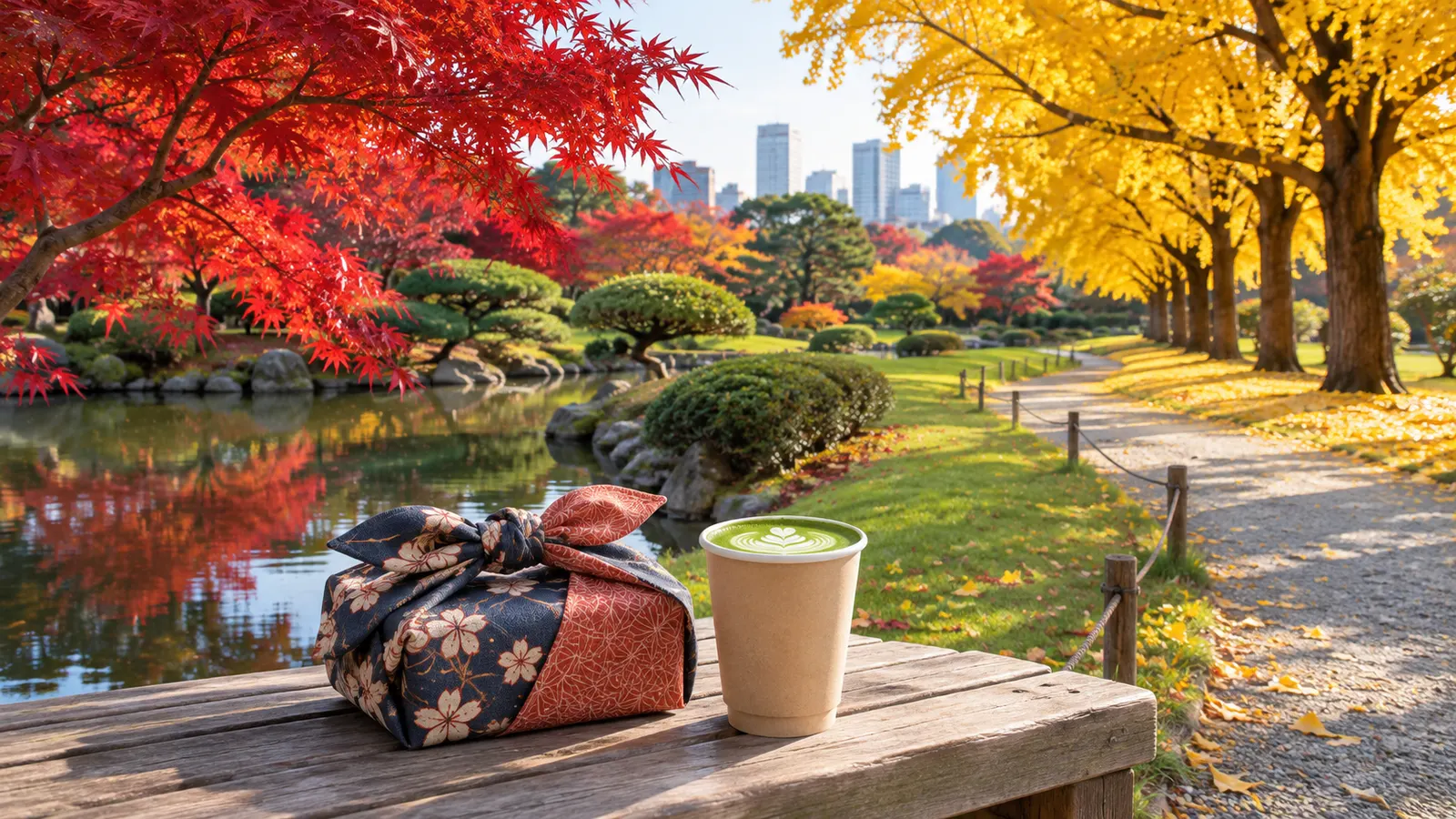
Shinjuku Gyoen & a Sushi Class in Asakusa
Plan a day with Shinjuku Gyoen's autumn maples and a sushi class in Asakusa: opening hours, the train between them and three timings that work.
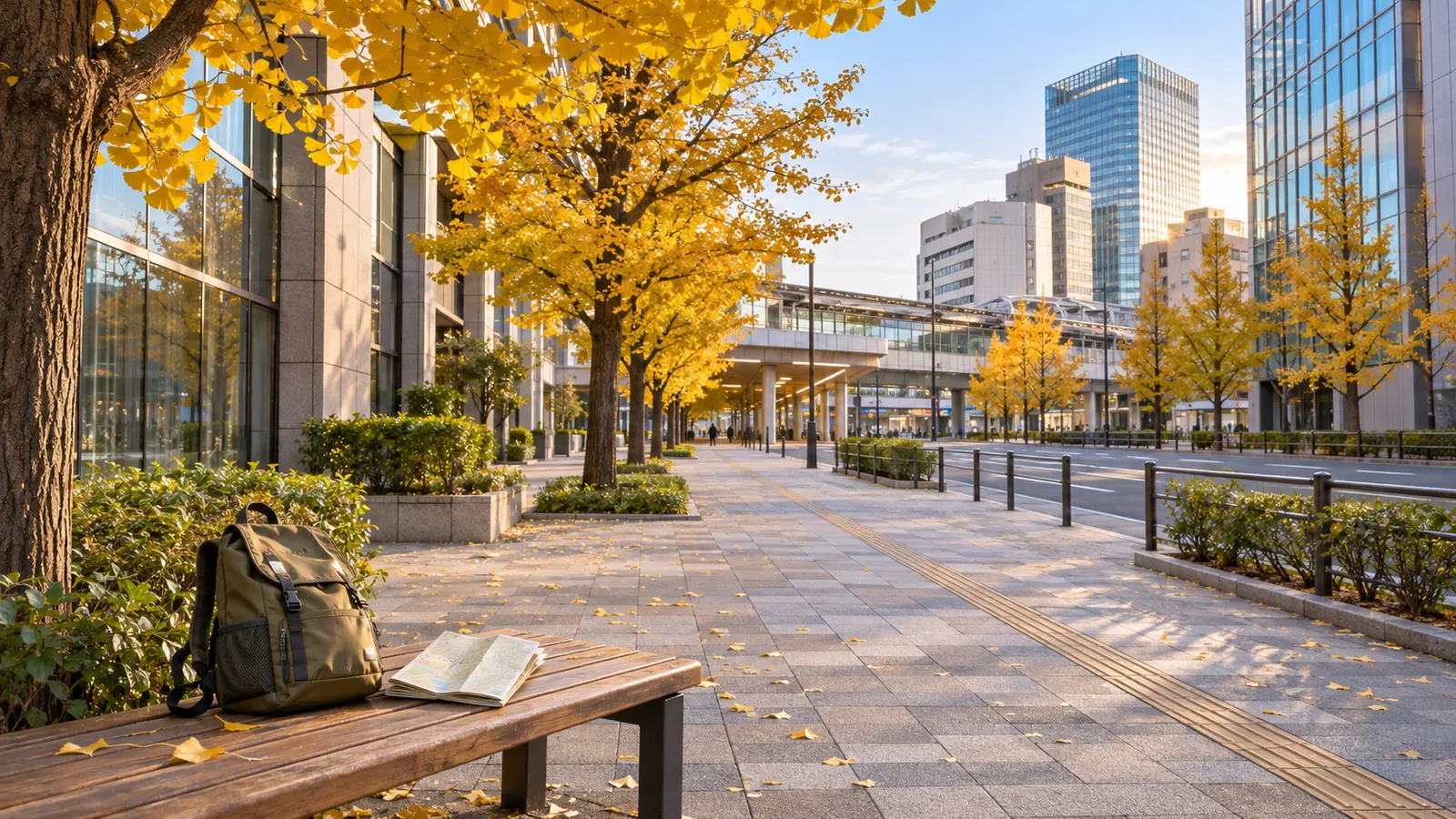
Ikebukuro and a Sushi Class in Asakusa
Staying in Ikebukuro? How to reach a sushi class in Asakusa, how long it takes, and two ways to fit Sunshine City, Myonichikan and Zoshigaya into one day.
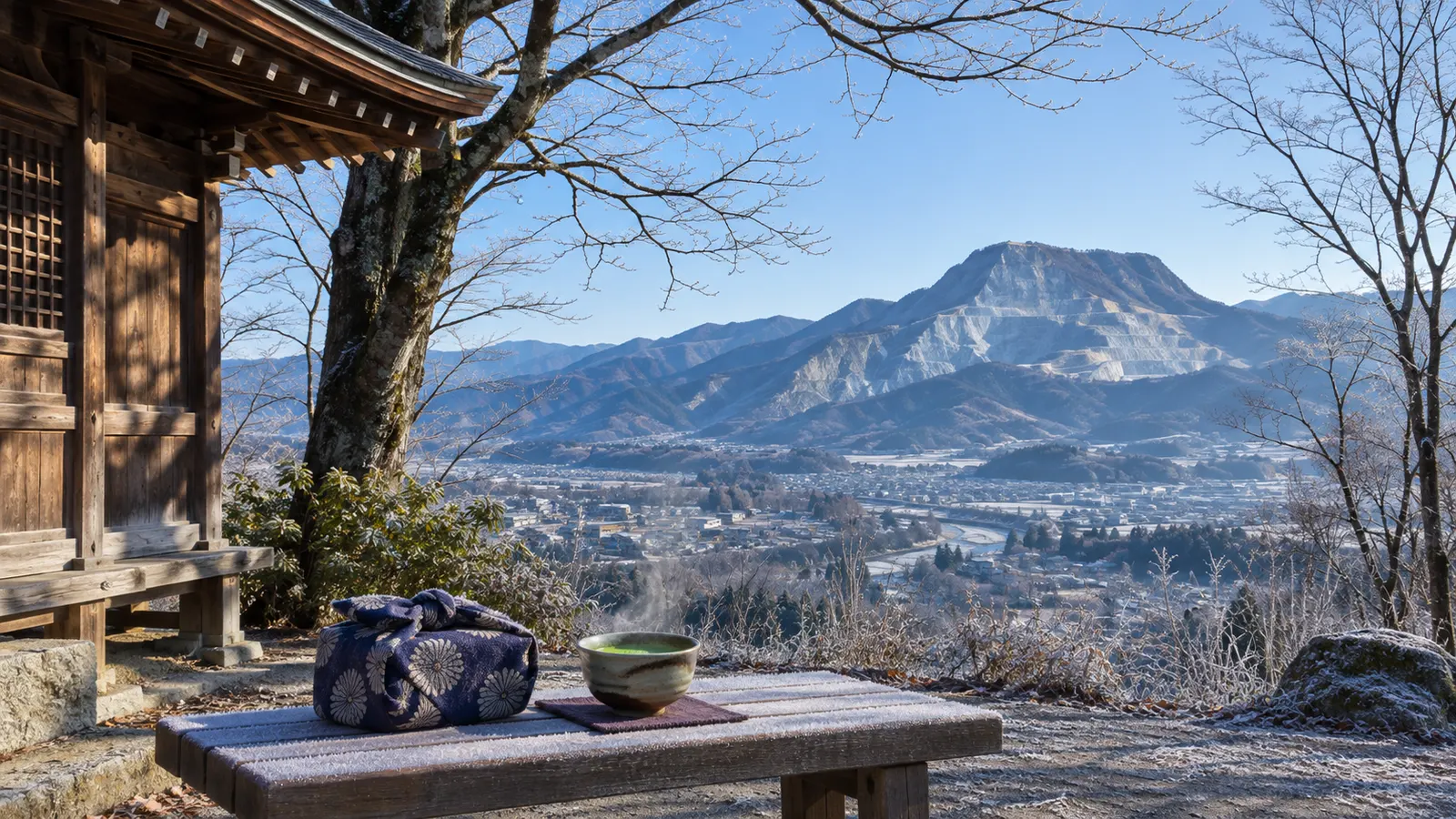
Chichibu Day Trip & Sushi Class in Asakusa
A Chichibu day trip from Tokyo: the Laview from Ikebukuro, sights by season, the December night festival and fitting in a sushi class.