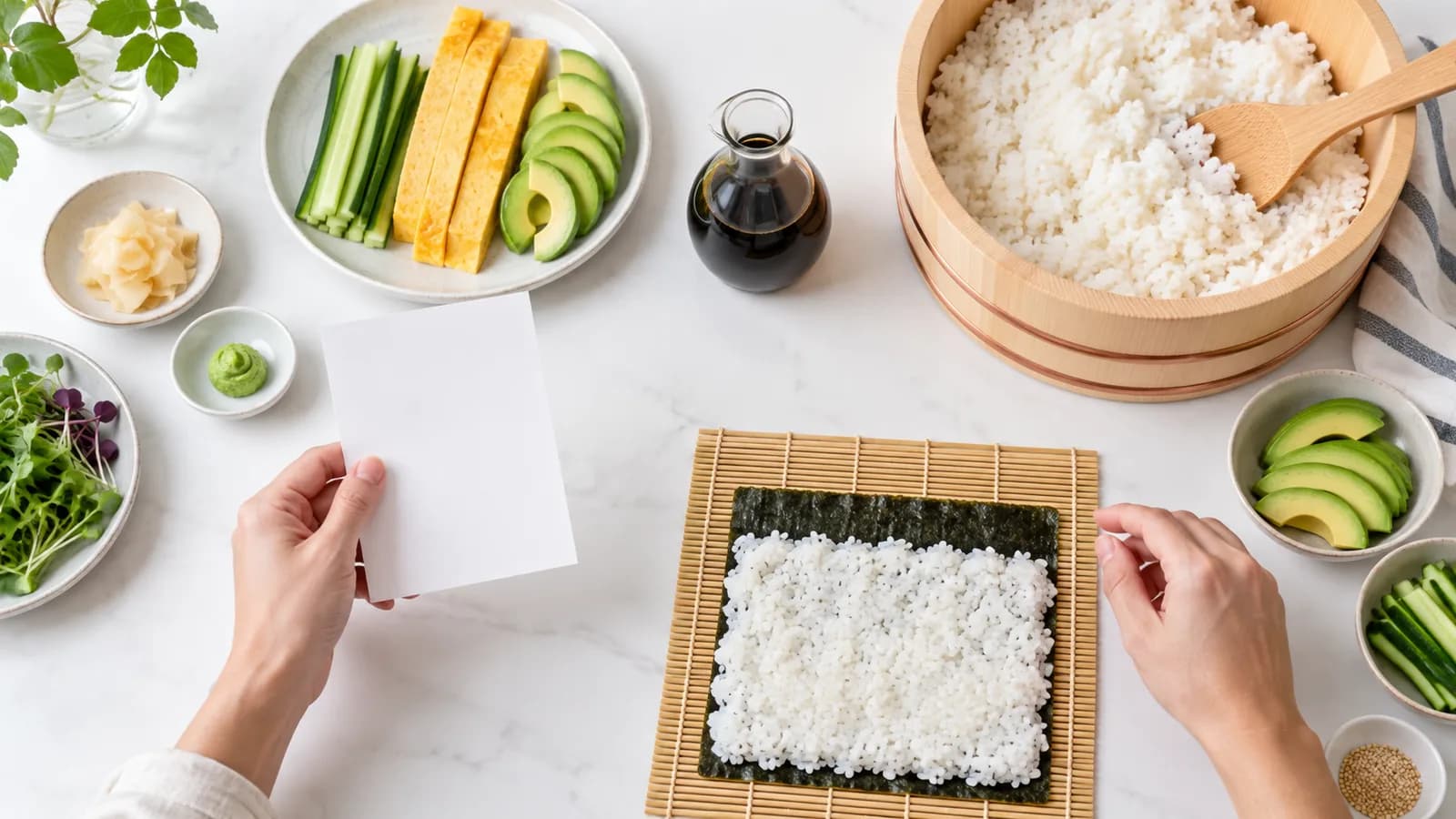
Gluten-Free Sushi Class: What to Ask
Sushi looks naturally gluten-free: rice, fish, vegetables and seaweed. That impression is only partly true. Wheat can appear in the most ordinary parts of a Japanese meal, starting with the soy sauce on the table. If you avoid gluten, whether by preference, for an intolerance or because you have coeliac disease, a sushi class is still possible to plan. It simply needs a clearer conversation before you pay than a standard booking.
This guide explains where wheat tends to hide in sushi, why a shared kitchen changes the answer, and what to ask so that you can decide with real information.
Popular in Tokyo right now — our most recommended experience
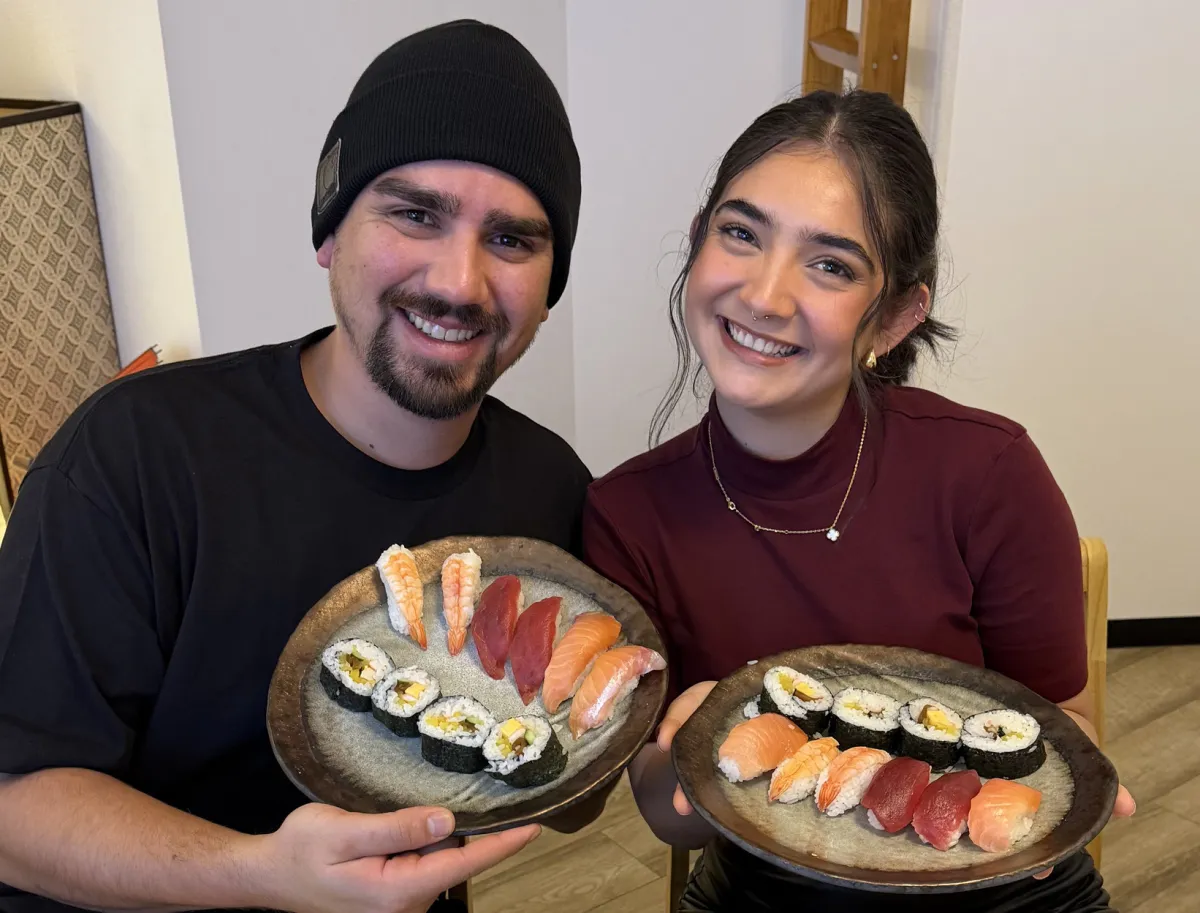
Tokyo Sushi Making Class : Sake Ceremony & Matcha Experience in Asakusa
First, say which kind of "gluten-free" you mean
"Gluten-free" covers very different needs. One guest prefers to avoid bread and pasta. Another feels unwell after a larger amount of wheat. A guest with coeliac disease may react to a small trace from a shared board or a splash of ordinary soy sauce.
Those needs call for different preparation, so tell us which one applies to you. If your doctor has told you to treat gluten like an allergy, say so plainly. That single sentence changes the questions we ask internally, and it helps both sides judge whether the class is a safe fit. Our general guide to joining a sushi class with food allergies explains why a short label on its own is rarely enough.
Where wheat can appear in sushi
These are common examples. They are not a list of what we use on a given day, because ingredients vary by season and supply.
- Soy sauce. Standard Japanese soy sauce is normally brewed from soybeans and wheat. It is the single most important item to ask about.
- Tamari. Tamari is often made with little or no wheat, but recipes differ by producer. The label, not the name, is what matters.
- Processed toppings. Imitation crab sticks, some fish cakes and certain seasoned items can contain wheat starch or flour.
- Crunchy extras. Tempura flakes and fried toppings are made with wheat flour.
- Seasonings and sauces. Some vinegars, marinades, miso types and sweet glazes may include grain-based ingredients. Checking the specific product is the only reliable way to know.
Plain rice, most fresh fish, cucumber and seaweed are not sources of wheat by themselves. The risk comes from what is added to them and from what they touch.
Why a shared kitchen matters
Our signature class is a shared session. Other guests work at the same time, often with ordinary soy sauce and a variety of toppings nearby. That is a normal part of a group cooking class, and it is why we do not promise an allergen-free kitchen. Every request needs individual confirmation, and guests with a severe allergy are asked to contact us before booking.
For a guest who is simply cutting down on wheat, a shared class is usually easy to adjust. For a guest with coeliac disease, the more important question is cross-contact: shared boards, knives, hands, cloths and dipping dishes. Ask directly how those would be handled for your session, and decide based on the answer rather than on a hopeful assumption.
The vegan menu is not the same as gluten-free
We also offer a vegan version of the signature class. A plant-based menu removes animal products; it does not automatically remove wheat. Soy sauce, for example, is plant-based and usually contains wheat. If you are vegan and avoid gluten, state both requirements separately so that neither is lost. The same logic applies to other dietary requests, as our guide to halal requests for a sushi class shows: each need is checked on its own terms.
What to ask before booking
Send a short message before you choose a date. It helps to include:
- How strictly you avoid gluten: preference, intolerance or coeliac disease.
- Whether a small trace or shared equipment is a problem for you.
- Whether you can bring your own sealed gluten-free soy sauce or tamari, and whether that is acceptable for your session.
- Which toppings or seasonings you already know to avoid.
- Any other allergies or dietary needs in your group, listed separately.
Then wait for a reply that answers your actual question. A general "yes, we can accommodate" is less useful than an answer about soy sauce and cross-contact. If the reply leaves you unsure, it is fine to say no or to ask again.
Use the booking form as well
Once you are comfortable, book the signature Sushi & Matcha class for the date that suits you. The booking form has optional dietary checkboxes, including food allergies and other requests, with space to add details at checkout. Repeat the key point there, in one or two sentences, even if you already sent a message. It keeps your request attached to the reservation that the team will prepare for.
What else is in the class
The rest of the session is the same 90-minute experience as for every guest: an introduction, preparing sushi rice, shaping nigiri and rolling maki, eating what you made, and whisking your own matcha. Matcha is powdered green tea whisked with hot water, so it does not involve wheat on its own. The class also opens with a sake toast. Sake is brewed from rice, water and koji, but if you are unsure about any drink, water and Japanese green tea are available instead.
A realistic decision
A gluten-free sushi class in Tokyo is less about finding a magic label and more about asking good questions early. If you avoid gluten by preference, a clear note in the booking is usually enough. If you have coeliac disease, contact us first, ask about soy sauce and shared equipment, and book only when the answer fits your needs. Taking that extra step turns an uncertain meal into a relaxed class where you can focus on shaping sushi rather than worrying about it.
Related Articles
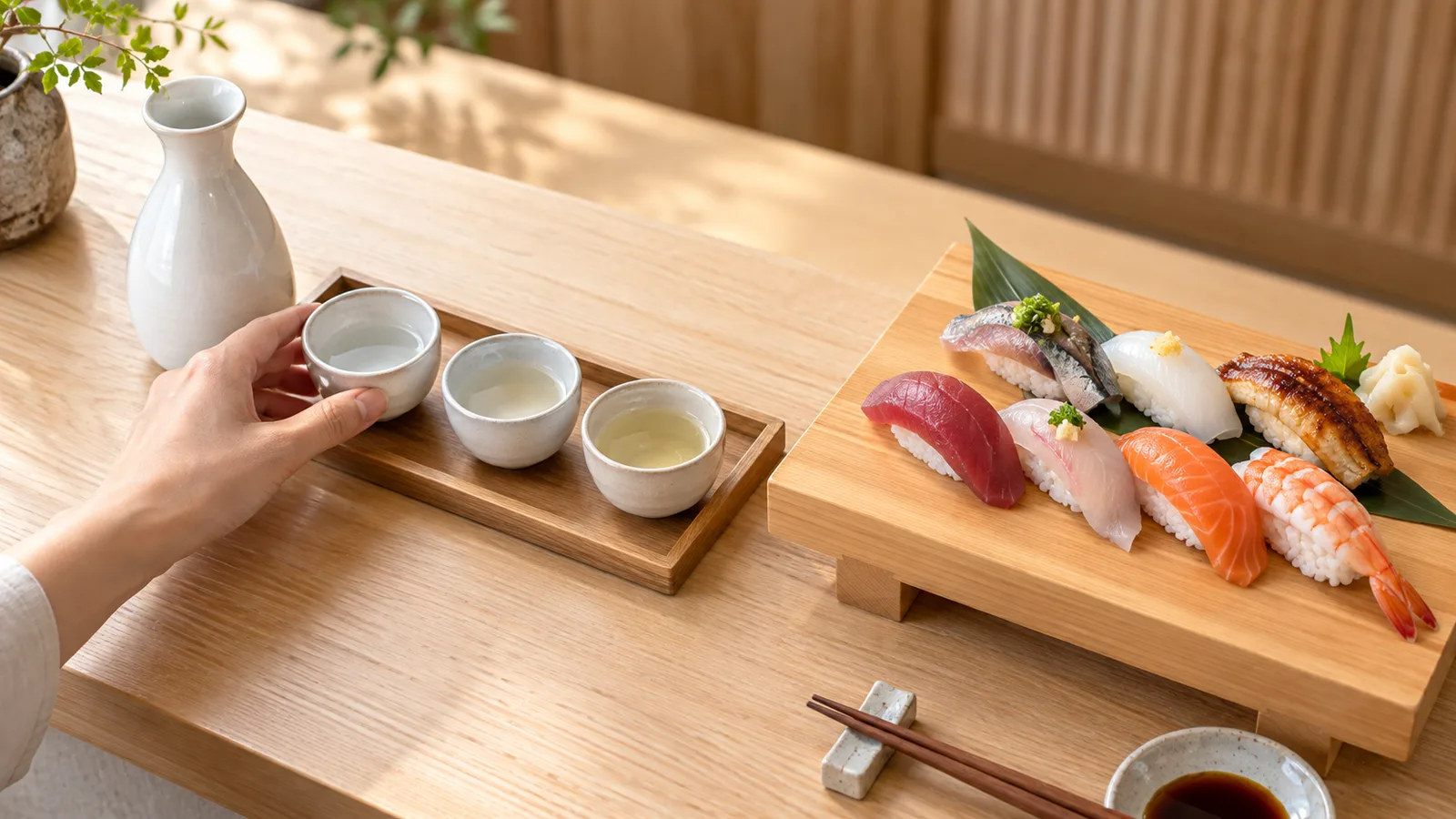
Sake Tasting or a Sushi Class in Tokyo?
Want to try sake in Tokyo? Compare a dedicated tasting, a sushi class with a sake toast and a private session with a three-sake tasting before you book.
From Shibuya or Shinjuku to a Sushi Class
Staying in Shibuya or Shinjuku? See the simplest train routes to Asakusa, how long to allow and how to plan the rest of the day around a sushi class.
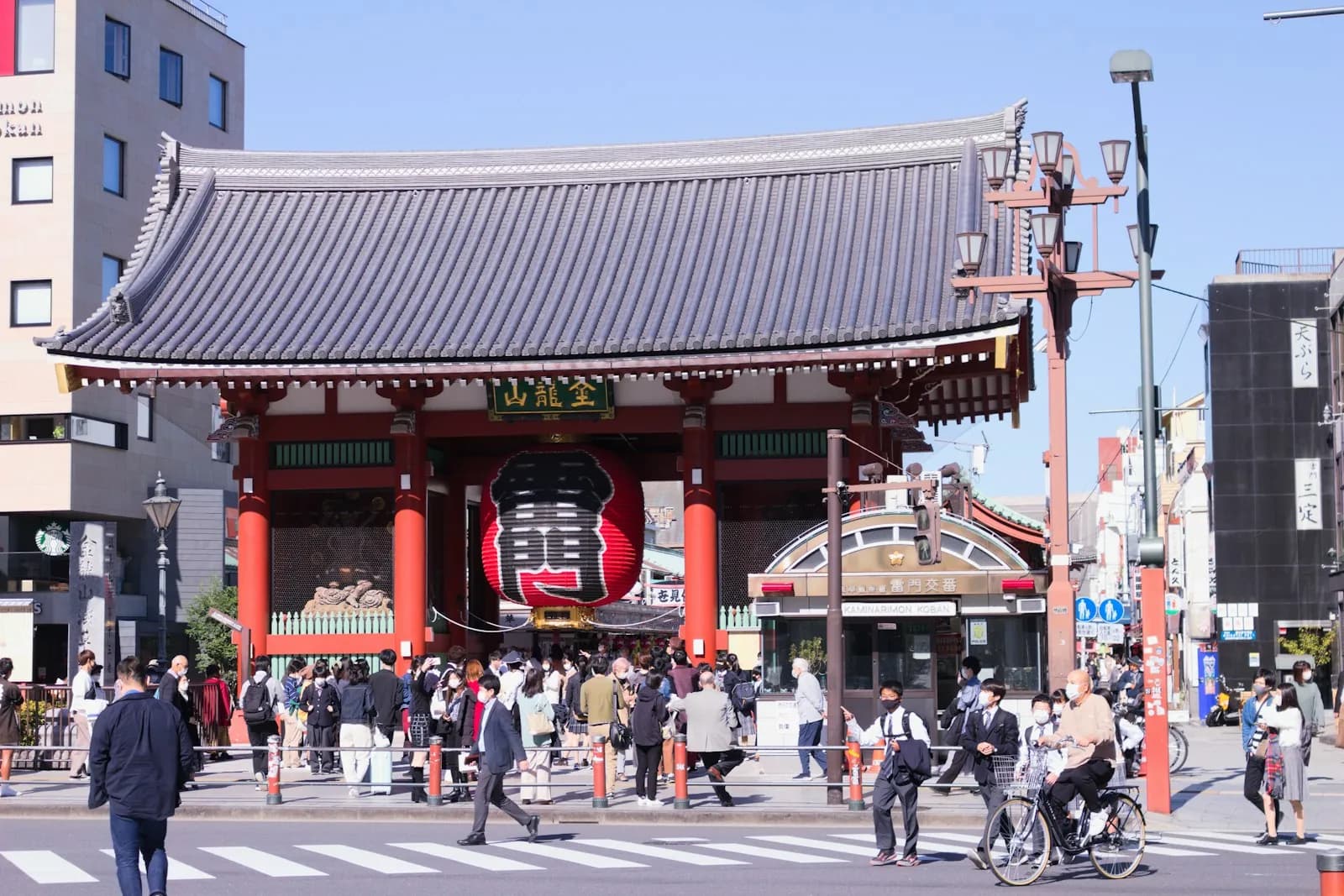
From Asakusa Station to Your Sushi Class
Choose the right Asakusa Station exit, allow a realistic buffer, and arrive at your sushi class ten minutes before it starts.