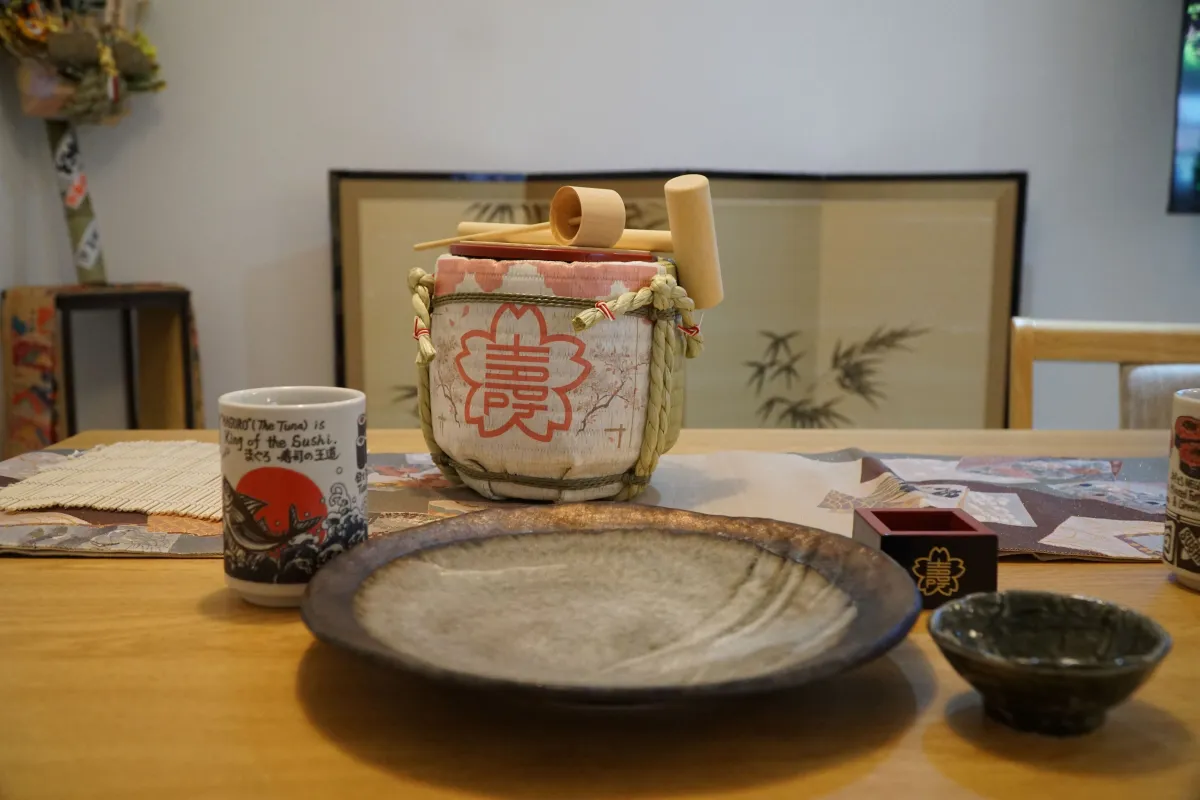
Premium Omakase or Sushi Class in Tokyo?
Our two most different experiences sit on the same class list, which is exactly why people confuse them. One is a shared beginner class you can join tomorrow for ¥12,000. The other is a private premium omakase for a whole group at ¥200,000. They both involve sushi, matcha and our Asakusa studio, and almost nothing else about them is the same.
This guide lays the two side by side so you can tell quickly which one you were actually looking for.
Popular in Tokyo right now — our most recommended experience
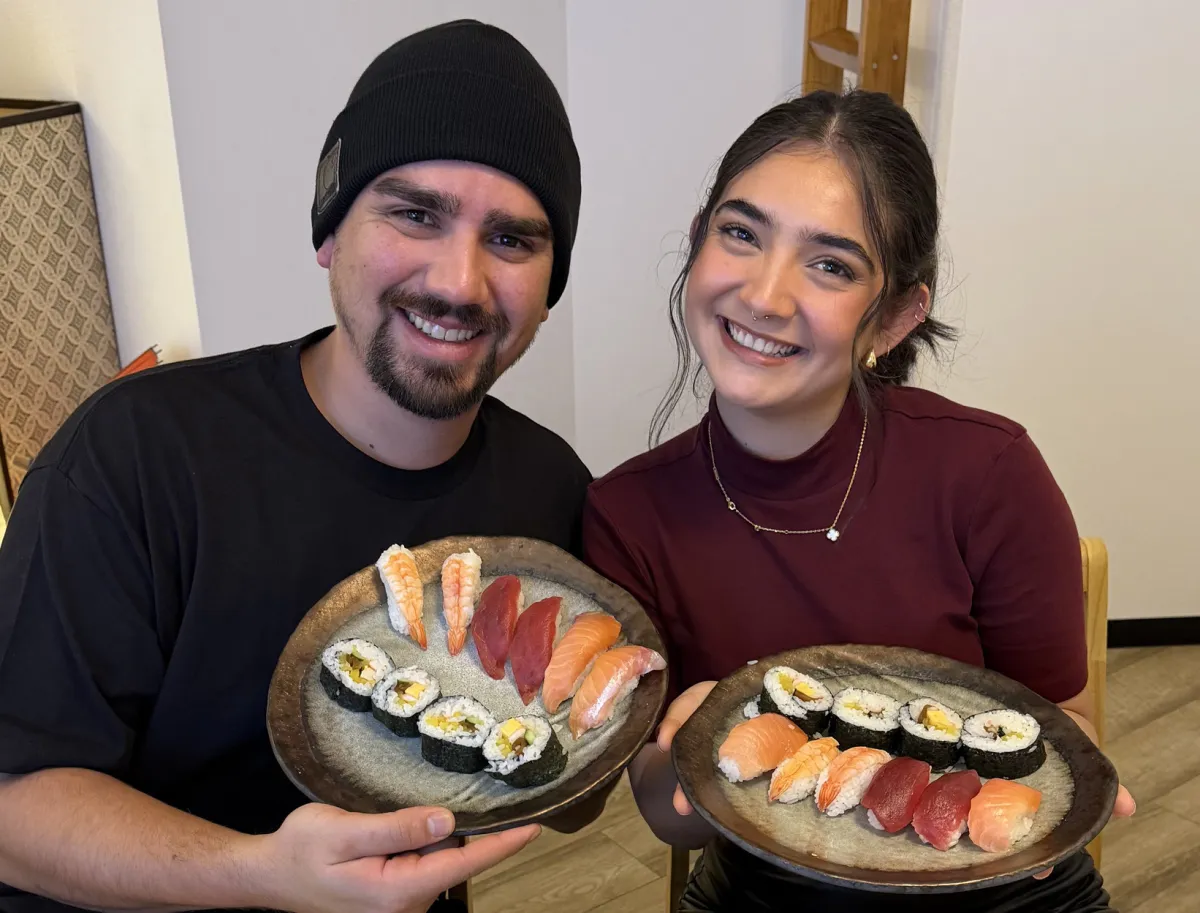
Tokyo Sushi Making Class : Sake Ceremony & Matcha Experience in Asakusa
Two different products, not two price tiers
It is tempting to read the price gap as good versus better. That is not what it is.
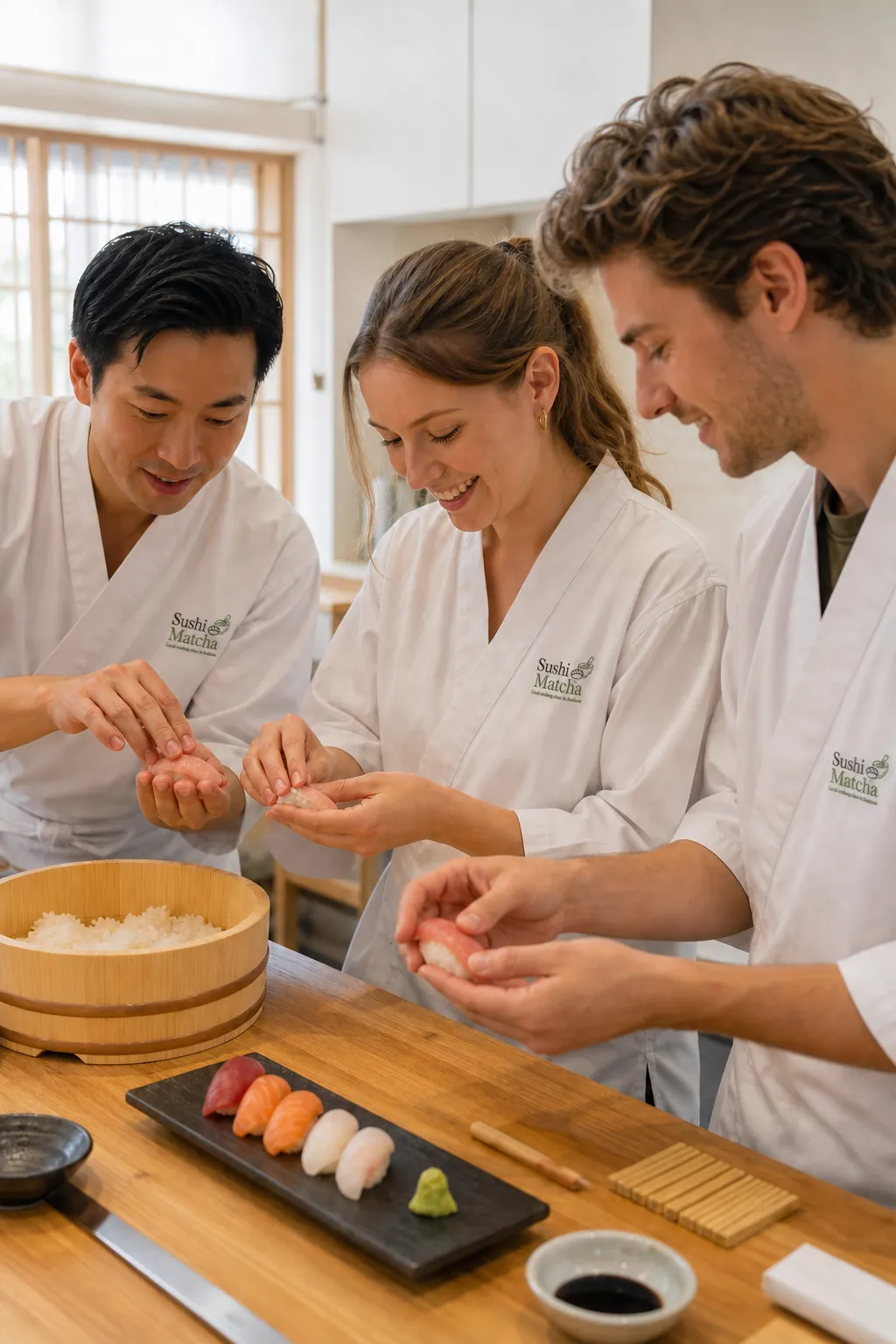
The signature sushi and matcha class is a beginner-friendly introduction. You make nigiri and maki with your own hands, join a sake toast, whisk your own matcha, and eat what you made. It is designed so that someone who has never held a sushi knife leaves with a plate they are proud of.
The private premium omakase is a private charter for a group. The studio is yours, the ingredients come from a different shelf, and the chef adapts the session to your group's interests and skill levels. It is built for an occasion rather than for a slot in a sightseeing day.
The signature class in numbers
- 90 minutes
- ¥12,000 per person
- Shared class, up to 20 guests
- Beginner level, taught in English
- Includes all ingredients and tools, a sushi chef coat, sake for the toast with free refills during the class, water or Japanese green tea, the matcha you whisk yourself, and a recipe shared with participants only
This is the class most visitors mean when they search for a sushi making class in Tokyo. It runs as a scheduled session, and you book a seat in it.
The premium omakase in numbers
- 60–90 minutes, varying with group size
- ¥200,000 for the group, not per person
- Private charter, up to 8 guests
- Intermediate level, with personalised instruction
- Includes premium Tsukiji market ingredients, a sake tasting of three varieties, matcha whisked with wagashi sweets, exclusive use of the studio, a champagne welcome drink and a premium recipe collection
One practical note on the duration: the session is described as 60–90 minutes and flexes with how many guests are at the table. Treat the live class page as the authority on timing, price and what is currently included, because that page is what actually controls the booking. If something in this article ever disagrees with it, the class page is right.
Ingredients and level
The ingredient list is the clearest difference. The signature class uses fresh, good-quality fish chosen to work for beginners. The omakase session works with premium Tsukiji-sourced ingredients including otoro, uni, seasonal fish and A5 wagyu — the kind of material normally reserved for high-end sushi counters.
That changes the teaching as much as the eating. Expensive fish rewards better handling, so the omakase is pitched at an intermediate level and covers more advanced technique. If nobody in your group has made sushi before, that is not a disqualification, but the signature class is the gentler starting point and costs a fraction as much per person.
It also changes the maths. At 8 guests, ¥200,000 works out at ¥25,000 each. At 4 guests it is ¥50,000 each, because the price is for the group either way. Smaller parties should run that number before deciding.
How each one is booked
The two follow different routes, and this catches people out.
The signature class is booked online. You choose a date and time, pay by card and receive your confirmation by email straight away. Same-day seats are sometimes available.
The premium omakase is a private charter, so its page leads to our contact form rather than a calendar. You describe your date, group size and any dietary needs, and we come back to you. That is deliberate: a private session takes the whole studio out of the shared schedule for the day, so it needs a person to confirm rather than a button.
If the difference between those two routes matters to your schedule, our guide to instant confirmation and request bookings explains what each one commits you to.
Which one fits your group
Choose the signature class if you are one to four travellers, if this is your first time making sushi, if your date is fixed and your budget is per person, or if you like the social atmosphere of a table shared with other guests.
Choose the premium omakase if you are marking something — a milestone birthday, an anniversary, a corporate visit, a family reunion — and you want the room to yourselves. Choose it, too, if the ingredients are the point, and you want to handle otoro and uni rather than read about them.
If your reason for going private is simply that you would rather not sit with strangers, note that there is a middle option: our comparison of shared and private sushi class formats covers the private family class, which also takes the studio privately and costs less for parties under eight (¥25,000 per person, four-guest minimum).
Before you decide
A few checks save trouble later.
- Count your group honestly. The omakase is priced per group and capped at 8 guests, so the per-person cost swings hard with attendance.
- Send dietary needs early. Vegan, allergy and no-raw-fish requests all need individual confirmation, and we cannot guarantee an allergen-free kitchen.
- Check cancellation terms on the booking screen. Free cancellation applies up to 24 hours before the class.
- Decide whether you want to eat or to learn. If the honest answer is that you mostly want to eat exceptional sushi, our comparison of a sushi class and a sushi restaurant in Tokyo is worth reading first.
Most visitors want the signature class, and that is not a compromise — it is the experience the studio was built around. Open the class page to see the dates and start times currently offered for your party, and confirm the current details there before you book.
Related Articles
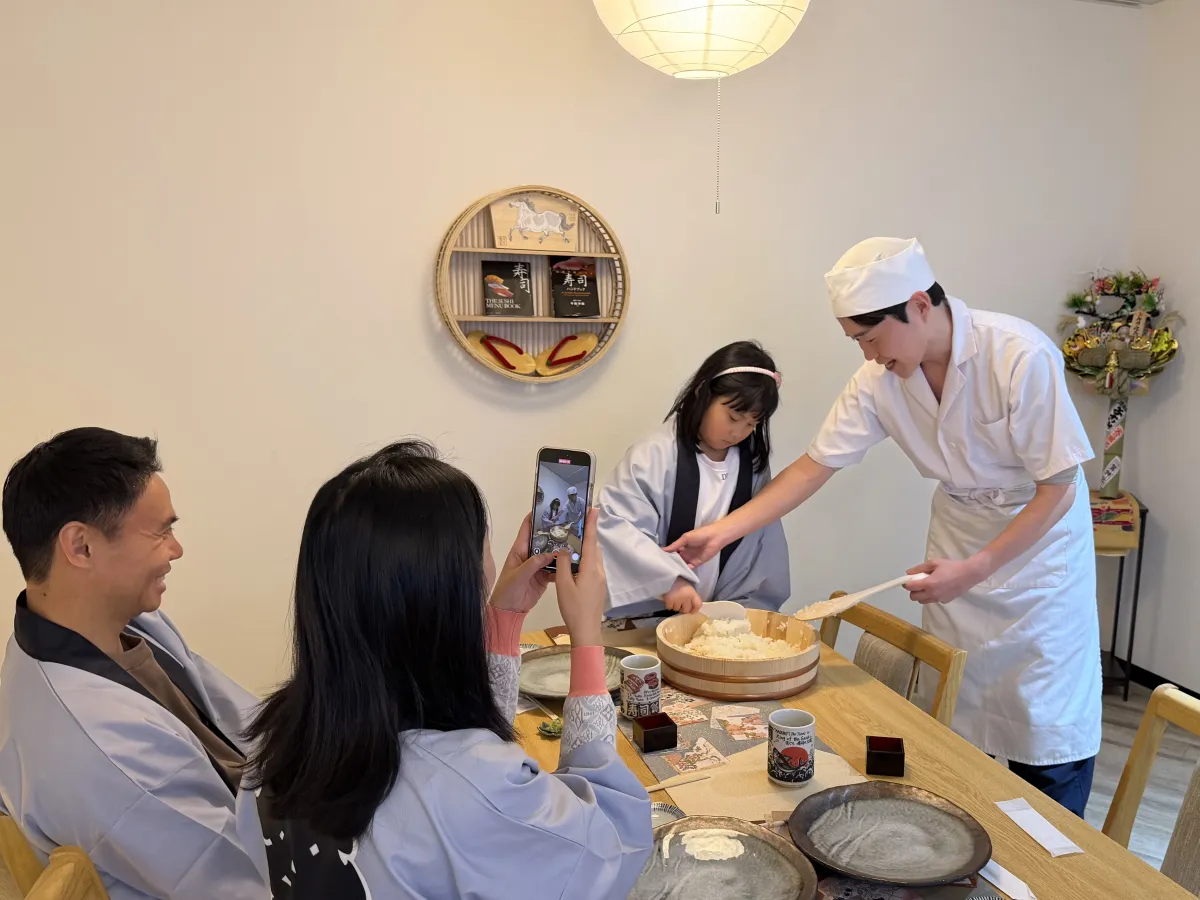
Shared or Private Sushi Class in Tokyo?
Compare shared and private sushi classes in Asakusa: group size, pace, family needs, pricing units and how your booking is confirmed.
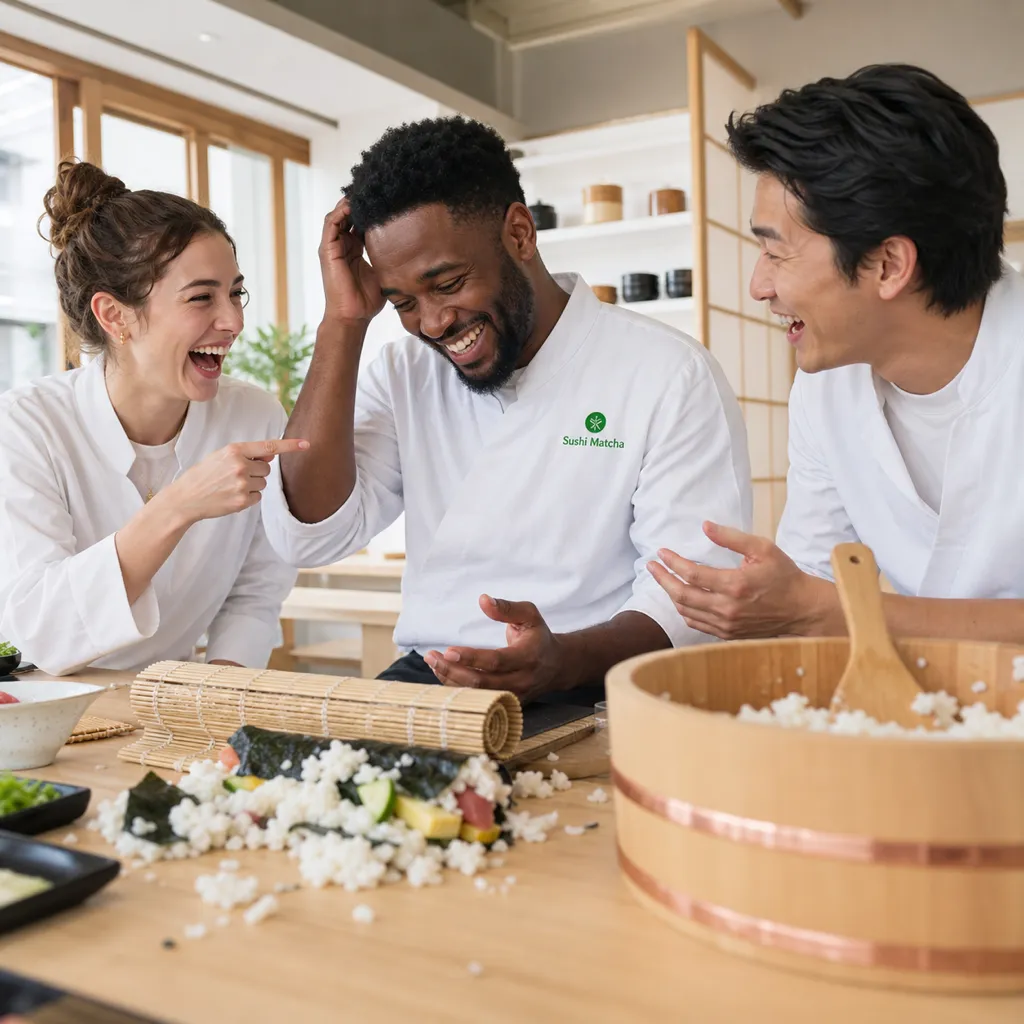
Booking a Tokyo Sushi Class for a Group
Organising a sushi class in Asakusa for friends? Here is the information to collect from everyone first, and how to keep the whole party in one session.
Practising Before a Tokyo Sushi Class
Should a beginner practise sushi at home first? Here is what a 90-minute Asakusa class actually asks of you, and what is worth sorting out instead.