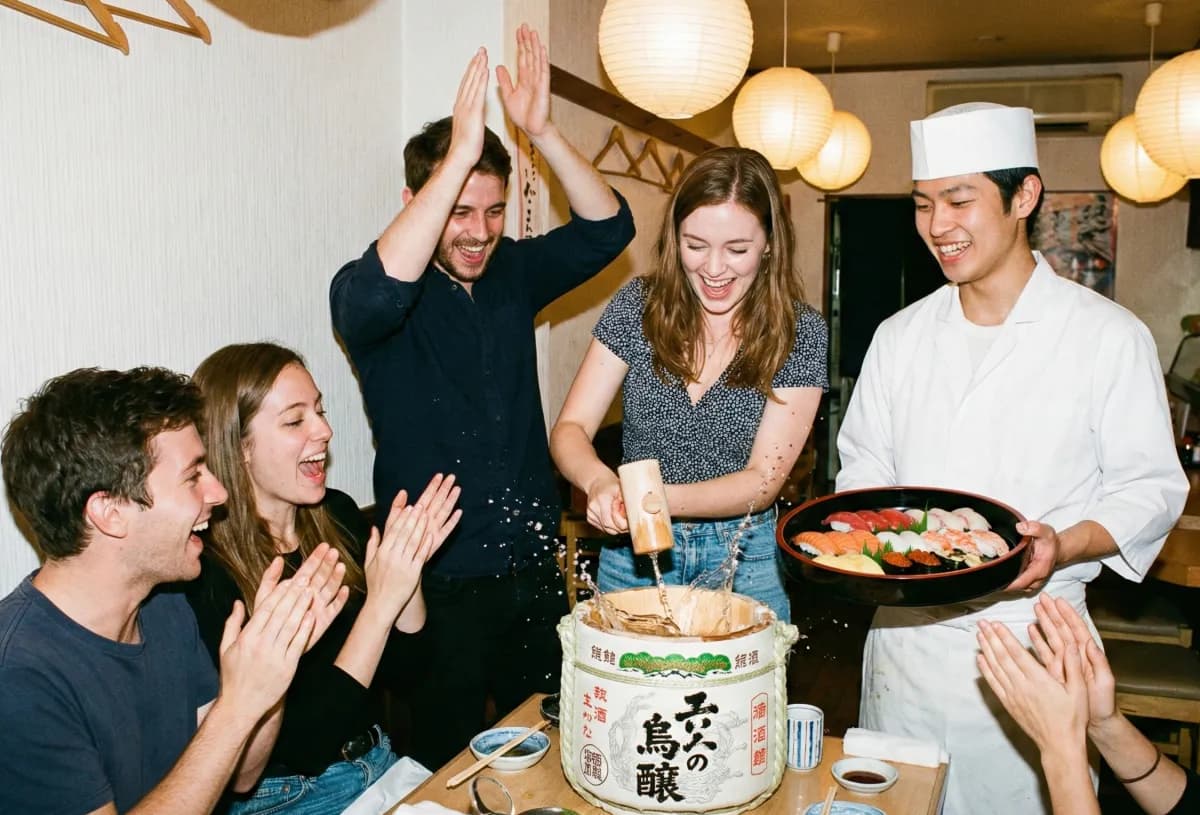
Sushi Class or Sushi Restaurant in Tokyo?
"Should I take a sushi class, or just eat at a good sushi restaurant?" is a fair question when you have limited time in Tokyo. Both involve sushi, but one is about making food and the other is about eating food prepared by professionals. Neither is better in general; the right one depends on what you want from that part of your trip.
This guide does not recommend or rank restaurants. Sushi restaurants in Tokyo vary widely in style, price and booking rules, so each restaurant's own information is the place to check those details. For the class side, we use our own signature sushi and matcha class in Asakusa as a concrete reference: a 90-minute, beginner-friendly session taught in English, priced at ¥12,000 per person, in which you make nigiri and maki, join a sake toast and whisk your own matcha.
Popular in Tokyo right now — our most recommended experience
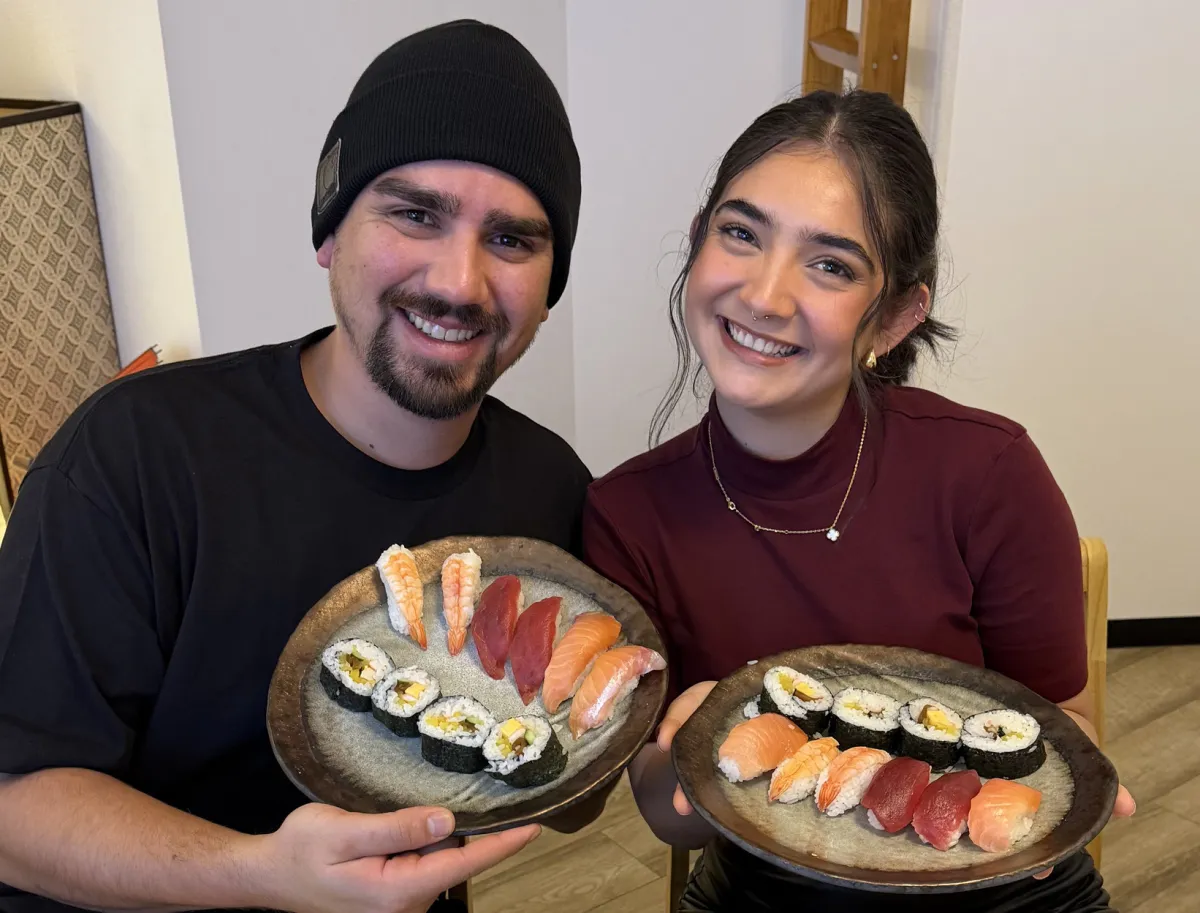
Tokyo Sushi Making Class : Sake Ceremony & Matcha Experience in Asakusa
What each option is really for
A sushi restaurant is built around the meal. Someone else prepares the sushi, and your part is to enjoy it. Depending on the kind of place, you might sit at a counter and watch the chef, pick plates at your own pace or order from a menu. The focus is on eating.
A sushi class is built around the process. You handle the rice, shape nigiri, roll maki and then taste what you made. In our signature class, the session also includes a sake toast and finishes with whisking matcha. The focus is on doing and understanding, and the sushi in front of you is your own work rather than a professional's.
A simple test is to picture the moment you would most like to remember. If it is the taste of a piece prepared by an experienced chef, that points to a restaurant. If it is the feeling of pressing rice into shape for the first time, that points to a class.
Time: fixed schedule or flexible plans
In practice, this is where the two options differ most.
A class runs at a set time on a set date. With our signature class, you plan around a 90-minute session and the guidance to arrive 10 minutes before it starts. Start times can differ by date, so check the class page for the day you have in mind. A fixed time gives your day a clear anchor, but the rest of your plans have to fit around it.
A restaurant can be more flexible, although this varies a great deal. Some places accept walk-ins, so you can decide on the day; others need a reservation, sometimes well in advance. Opening hours, queues and booking systems differ between restaurants, so check the specific place rather than assuming. If you prefer to keep meals open until you see how the day goes, a casual restaurant usually leaves more room for that than a scheduled class.
Booking and practical checks
Whichever you choose, a few questions are worth answering before you commit.
For a class:
- Which dates and start times are currently offered for your party?
- What is included, and what is the price per person?
- What language is the class taught in?
- What do the cancellation terms say? Check them again on the booking screen before you pay.
For a restaurant:
- Is a reservation required, or are walk-ins accepted?
- Can the restaurant seat your party size?
- Is there a time limit for your seat?
- How do you change or cancel a reservation?
For both, raise dietary requirements before you book rather than on the day. A sushi menu can be difficult to adjust at short notice.
Language and interaction
Our signature class is taught in English, and the instructor guides you through each step. Explanation is part of the format, so asking questions as you go is natural.
At a restaurant, how much English is used, and how much you talk with the chef, depends on the style of the place and how busy it is. If that matters to you, check the restaurant's own information.
Who you are travelling with
Your group often shapes the decision:
- Mixed interests. A class gives everyone the same activity at the same time, which can work for a group where not everyone is equally keen on fine dining. A restaurant suits people who simply want to sit down and eat.
- Travelling alone. Either can work. A shared class means making sushi in a session other guests may also have booked, while a restaurant lets you set your own pace.
- Dietary needs. Check with the class provider or the restaurant before booking.
Doing both on the same day
Many travellers do not need to choose. With some planning, a class and a restaurant meal can fit into one trip, or even one day.
- Avoid a big sushi meal right before the class. You eat the nigiri and maki you make during the session, so arriving very full takes away some of the enjoyment.
- Think about the order. Taking the class first can make a later restaurant visit more interesting. Once you have shaped nigiri yourself, you may notice more about how a professional handles rice and toppings.
- Keep the later meal flexible. How full you feel after the class differs from person to person. A place where you can order as much or as little as you like is easier to fit in than a fixed-course reservation straight afterwards.
- Allow travel time. The class is in Asakusa. If your restaurant is elsewhere in Tokyo, include the journey in your plan.
If the two feel like too much for one day, putting them on different days is a perfectly good solution.
Setting realistic expectations
A 90-minute beginner class is an introduction to making sushi, not professional training, and the sushi you make will not look like a chef's. That is part of the point: you learn by doing. Equally, a restaurant meal, however good, is not a lesson. If you are wondering whether you need something more structured, our comparison of a sushi class and chef training in Tokyo explains how those goals differ.
Also considering a food tour?
Some travellers are weighing three options rather than two. If a guided food tour is also on your list, our guide to choosing between a sushi class and a food tour in Tokyo compares how each uses your time and what you take away.
Making the choice
Choose a sushi restaurant if your priority is the meal itself: sushi prepared by a professional, with the freedom to plan around the restaurant's own opening hours and booking rules. Choose a sushi class if you want to make nigiri and maki yourself, follow each step in English and finish by whisking your own matcha. If both appeal, plan them with enough space between them.
When a hands-on session sounds right, open the signature sushi and matcha class page to see the dates and start times currently offered for your party, and confirm the details there before arranging the rest of your day.
Related Articles
Sushi Class with Food Allergies: What to Ask
Joining a sushi class in Tokyo with a food allergy? Learn which questions to ask, how to use the booking form's allergy option and why to wait for a reply.
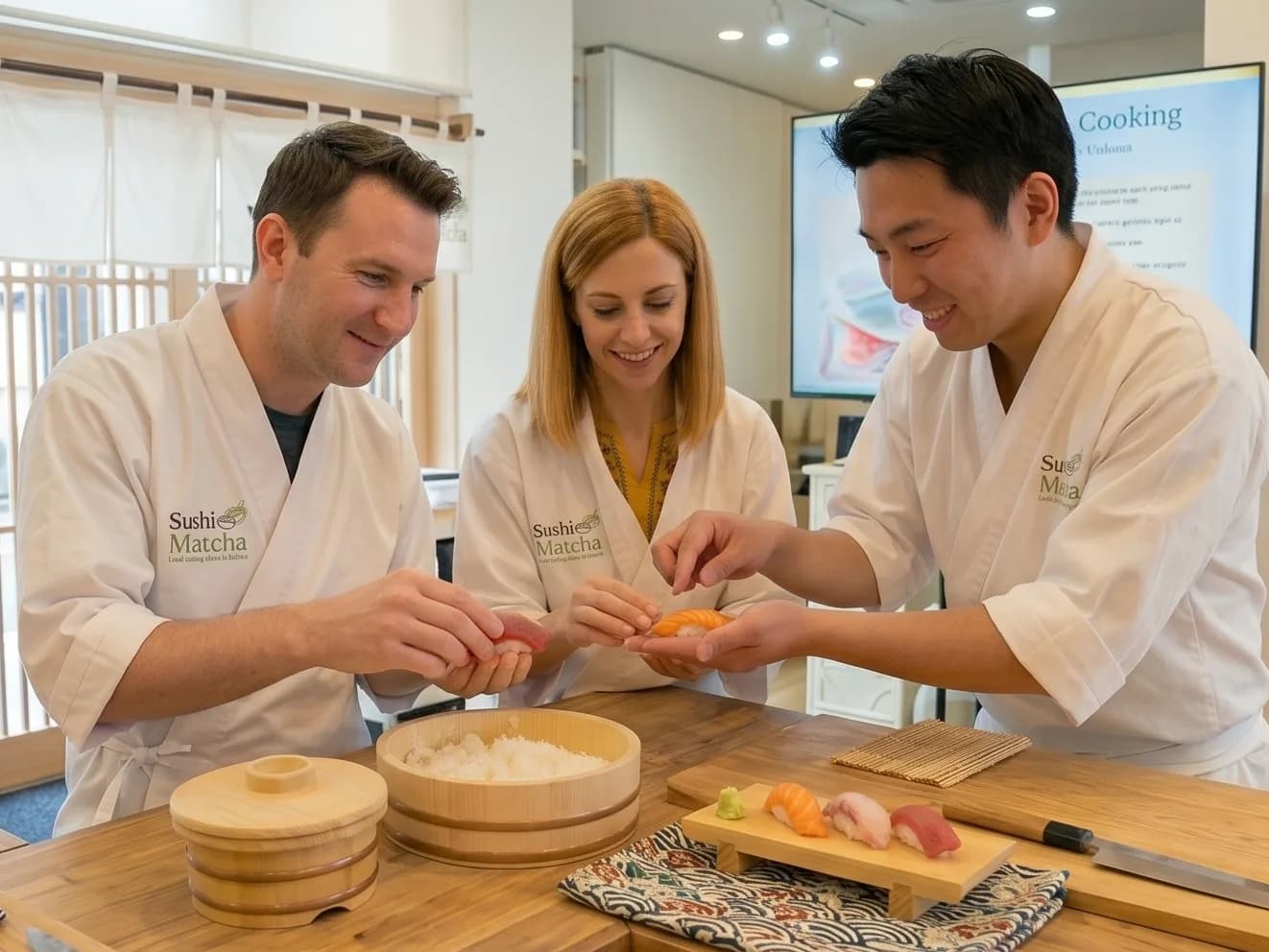
What Do You Make in a Sushi & Matcha Class?
What happens in our 90-minute Asakusa class: a sake toast, hand-shaped nigiri and rolled maki, eating what you made, then whisking your own matcha.

Book a Sushi Class Early or on the Day?
Reserve a Tokyo sushi class in advance or try on the day? Weigh certainty against flexibility and know what to check before counting on a same-day place.