
Sushi Class Without Raw Fish in Tokyo
You can ask about taking a sushi-making class in Tokyo without eating raw fish, but “no raw fish” can describe several different needs. One guest may simply prefer cooked toppings. Another may eat no fish at all. Someone with an allergy needs information about ingredients and shared equipment, not merely a different topping. Those requests should not be combined into one vague note.
At Sushi Matcha, the clearest published routes are the fully plant-based vegan menu in a shared session and the no-raw-fish option listed for the private family class. The standard signature class also lets you enter dietary requests, but a request requires individual confirmation. This guide helps you decide what to ask before choosing and paying.
Popular in Tokyo right now — our most recommended experience
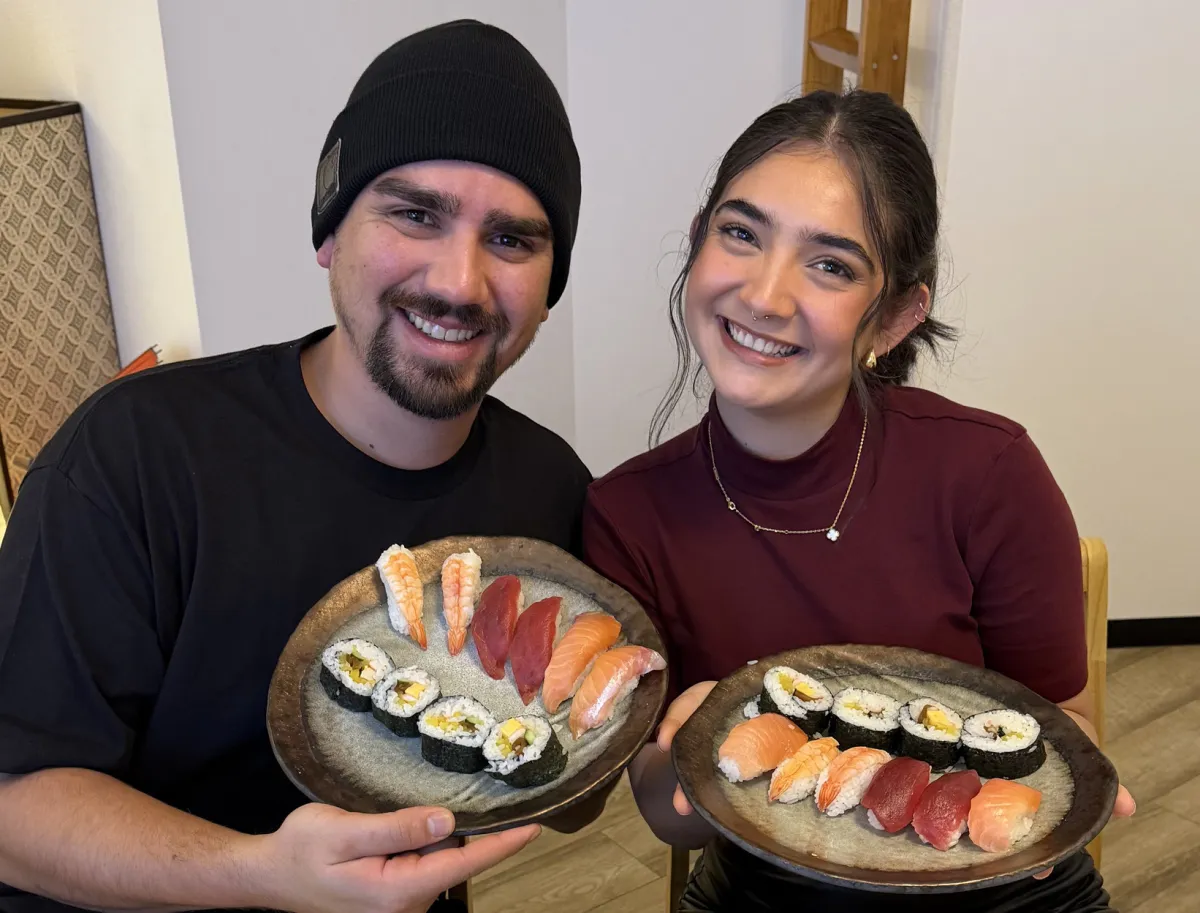
Tokyo Sushi Making Class : Sake Ceremony & Matcha Experience in Asakusa
First say what “no raw fish” means
Use a complete sentence rather than ticking a box in your head. For example:
- “I do not eat raw fish, but cooked fish, egg and vegetables are fine.”
- “I do not eat any fish or other animal products.”
- “I have an allergy to this specific fish or shellfish.”
- “I am pregnant and will follow advice from my own medical professional.”
These statements lead to different menu and safety questions. A seared topping may still be unsuitable for someone who needs fully cooked food. Tuna mayonnaise still contains fish. A plant-based ingredient does not automatically prove that a shared room or equipment meets an allergy requirement. This article explains booking choices, not personal medical safety.
The plant-based shared-class route
The Vegan Sushi & Matcha Workshop uses a 100% plant-based selection, with exact ingredients varying by season and availability. You shape vegan nigiri, roll maki and whisk matcha during a 90-minute session. It is the clearest listed choice for a guest who does not want fish ingredients at all.
It is still a shared class. Guests making the regular fish menu may be in the same session, at the same table, with the same instructors. Only your ingredients change. That distinction matters if your concern is contact, smell, religious practice or a severe allergy rather than preference. Ask before booking instead of treating “vegan menu” as a promise about the whole room.
Mixed groups can select classic and vegan menus in the same session. Our guide for groups with mixed diets explains how to collect each person's request without giving everyone the same menu.
The private cooked-topping route
The Family Private Sushi Class lists a no-raw-fish option with toppings such as egg, vegetables and tuna mayonnaise. It is a fully private 90–120 minute experience for a published minimum of four and maximum of eight participants, priced per person and confirmed by request.
This route can suit a family or group that wants cooked and child-friendly options plus a flexible pace. The current site also says a group that is not a family can request it. Do not infer that every topping is vegetarian: tuna mayonnaise contains fish, and “seared” and “fully cooked” are not the same instruction. State which foods are acceptable.
Private use of the studio may simplify the conversation, but it does not itself guarantee an allergen-free kitchen or a requested substitution. Wait for a reply that addresses the actual condition. If children are attending, our guide to shared versus family private classes covers age and participation questions.
When the standard signature class may work
The signature sushi and matcha class is the main shared experience: 90 minutes of making nigiri and maki, a sake toast and whisking matcha. Its booking flow accepts dietary requests, including an “other” field where no-raw-fish details can be written.
That field is a way to ask, not automatic approval. The policy says requests require individual confirmation and the kitchen cannot be guaranteed allergen-free. If the answer determines whether you can participate, contact the team before completing a non-refundable part of your trip and keep the confirmation.
Preference and allergy need different conversations
For a preference, a useful question is: “Which fully cooked or plant-based toppings can be confirmed for my date?” For an allergy, include the specific allergen, severity, whether trace contact matters, and the number of affected guests. Read our dedicated food-allergy questions for sushi classes before deciding.
Do not replace an allergy conversation with the word vegan. Do not replace a religious requirement with “no raw fish.” Do not assume that removing one topping removes an ingredient from rice seasoning, sauces, mayonnaise or shared preparation. The team needs enough detail to give a meaningful answer, and sometimes the honest answer may be that a requirement cannot be guaranteed.
A booking checklist
Before selecting a class, write down:
- Whether you avoid raw fish, all fish, all animal products, or a named allergen.
- Whether seared food is acceptable or everything must be fully cooked.
- How many people need each menu.
- Whether sharing a room with regular fish preparation is acceptable.
- Whether the reply must arrive before you can pay.
Choose the vegan workshop when a plant-based menu is the main requirement and a shared setting is acceptable. Ask about the family private class when cooked toppings, privacy and adaptable pacing fit a group of four to eight. Use the signature class only after the requested details have been confirmed for your party.
Confirm, then reserve the matching product
Open the Vegan Sushi & Matcha Workshop for the fully plant-based route, or the Family Private Sushi Class for the published no-raw-fish private option. Give concrete information and wait for a concrete reply. “No raw fish” is a useful starting point, but a safe and satisfying booking depends on finishing the sentence.
Related Articles
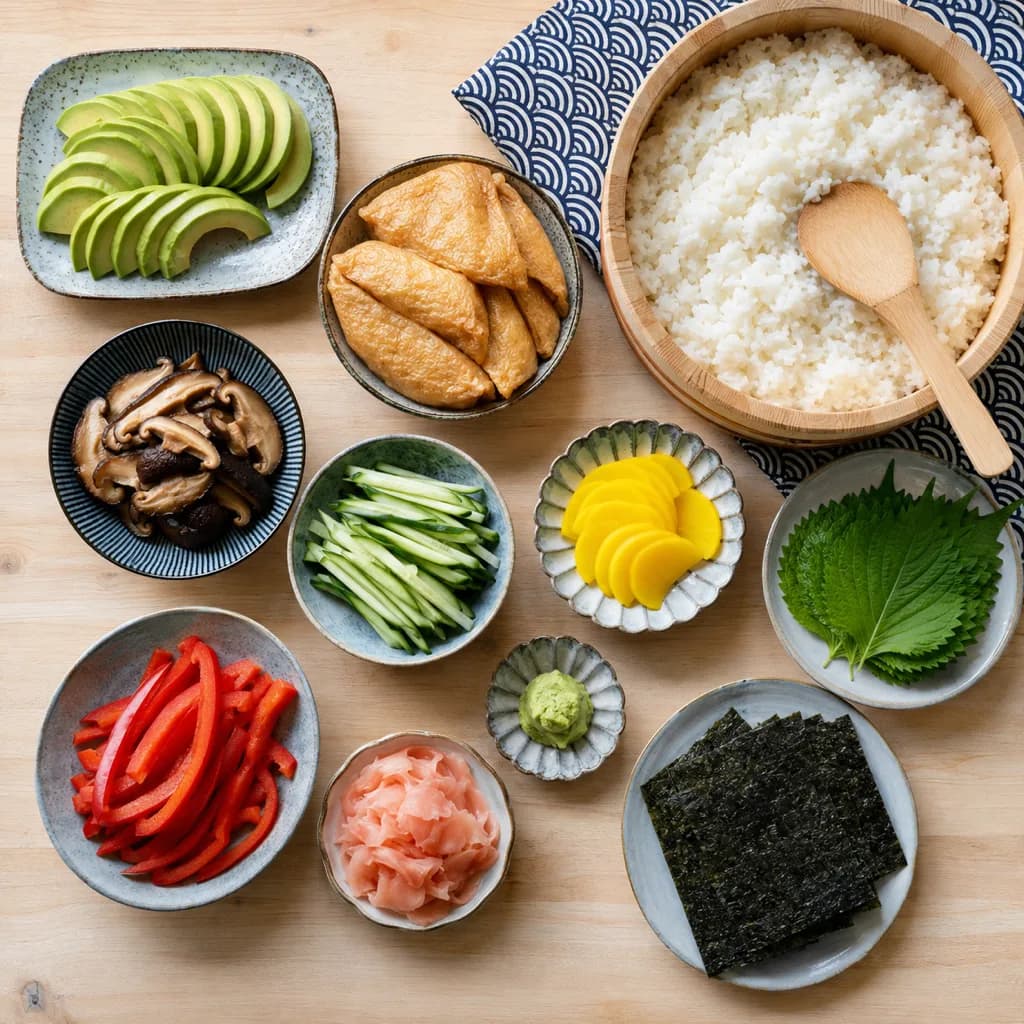
Halal Sushi Class in Tokyo: What to Confirm
Looking for a halal sushi class in Tokyo? Check certification, ingredients, shared tools and the reply you need before booking.
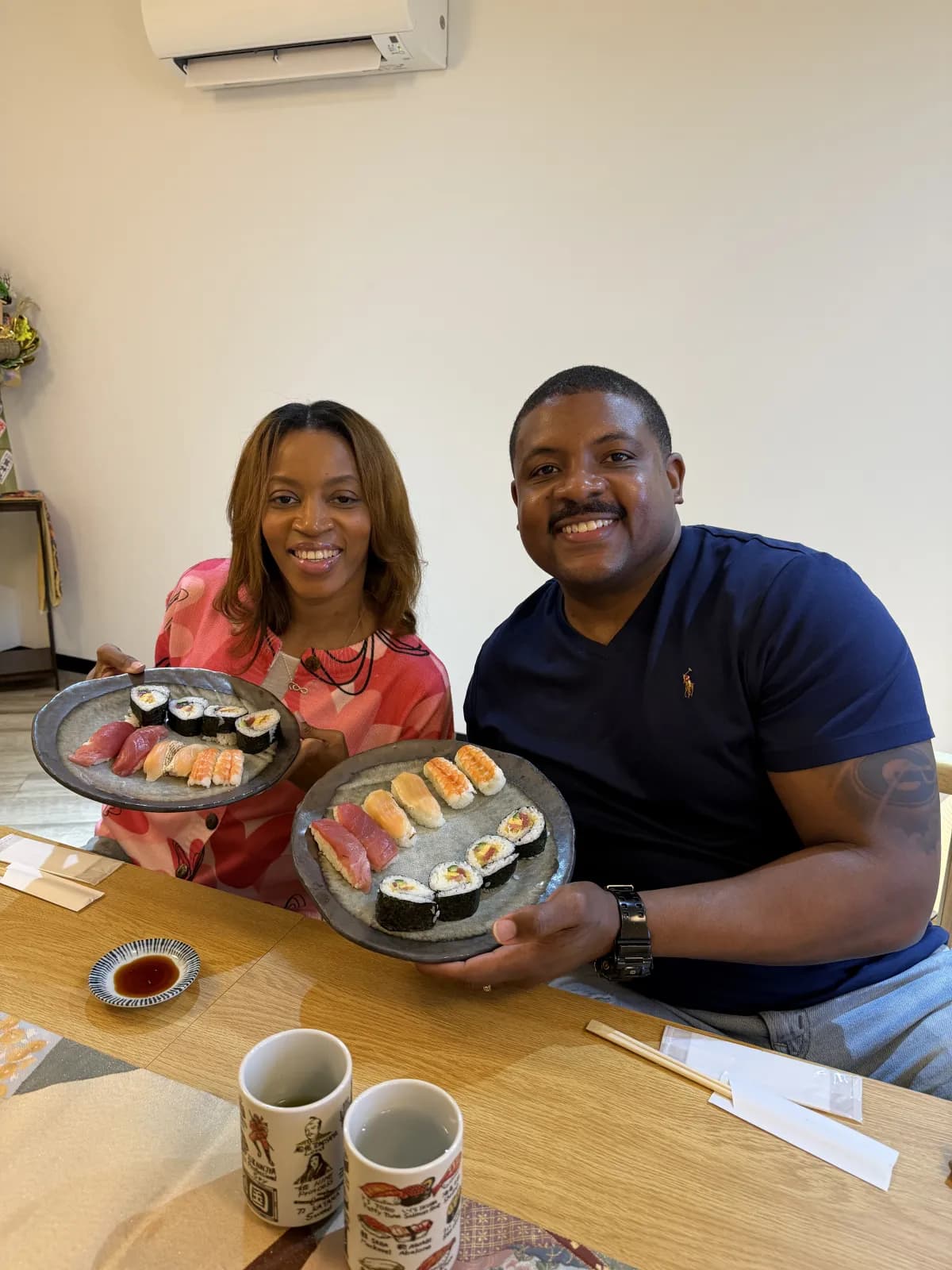
Photos and Videos in a Tokyo Sushi Class
Can you take photos in a Tokyo sushi class? Yes. Plan a few moments worth capturing while keeping hands clean and respecting the shared table.
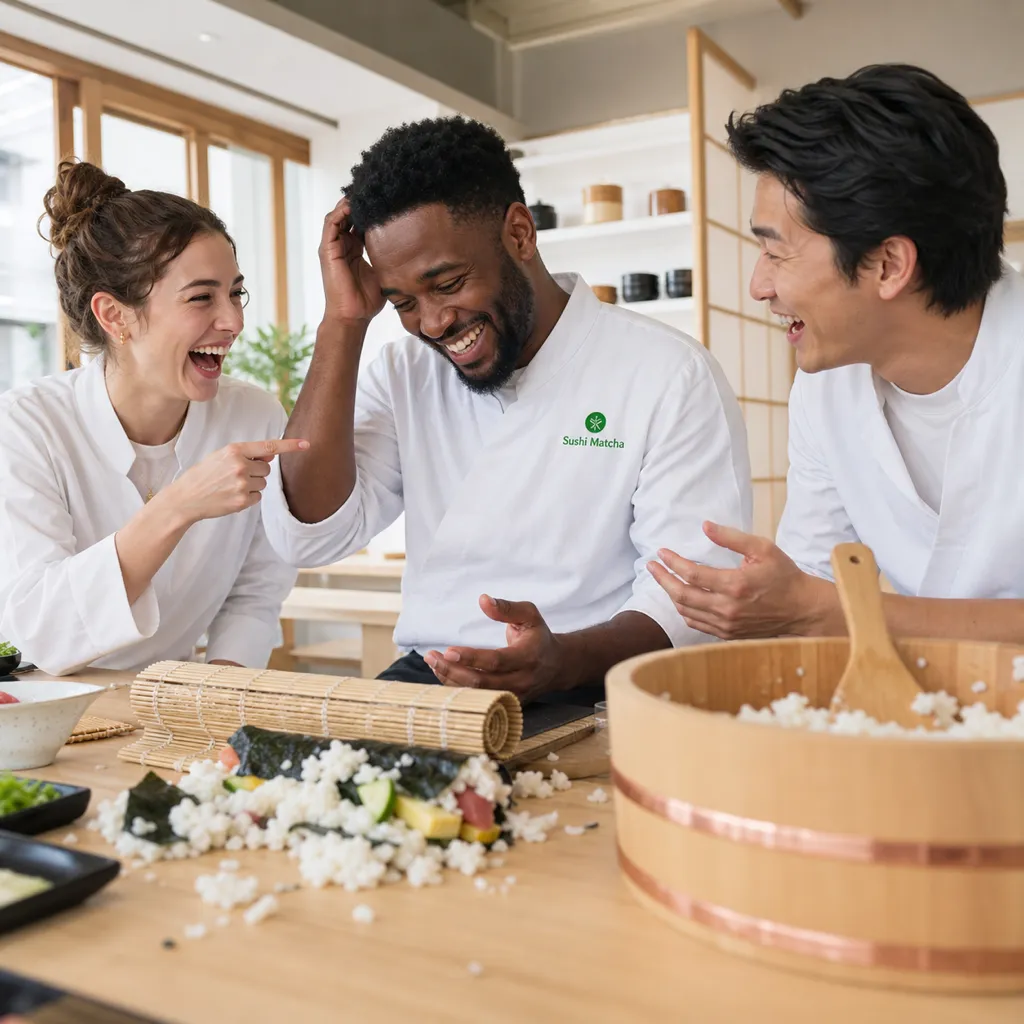
Booking a Tokyo Sushi Class for a Group
Organising a sushi class in Asakusa for friends? Here is the information to collect from everyone first, and how to keep the whole party in one session.