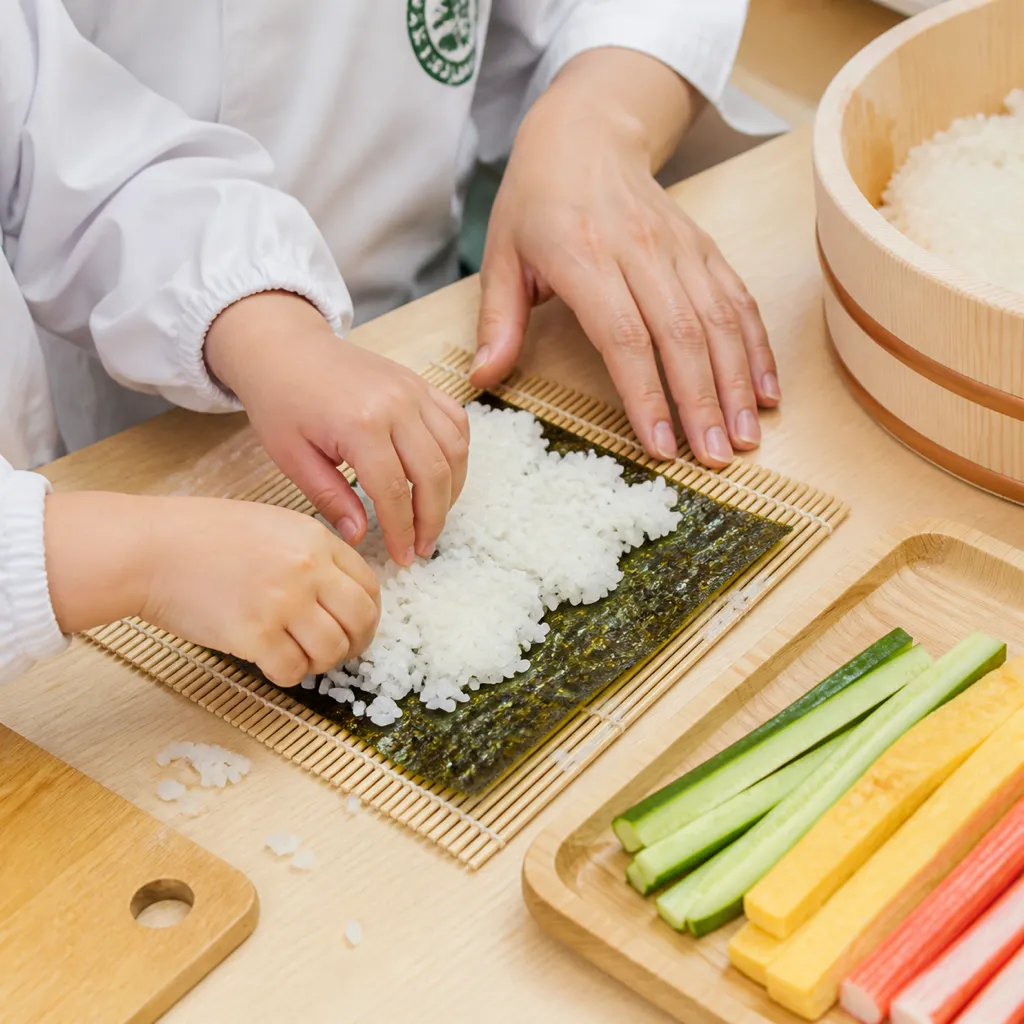
Sushi Class With Kids: Shared or Private?
Parents booking a sushi class in Tokyo are usually deciding two things at once: whether their children will enjoy it, and which of the two formats to book. The second question is easier once the first one has a real answer, because the honest answer depends on your children rather than on the class.
This guide is a decision checklist for parents. It works through the questions in the order that actually settles the choice between joining the shared class and booking the family private sushi class in Asakusa. It is not a tour of either option's features — for a side-by-side comparison of the two formats and their pricing, our guide to shared and private sushi classes covers that, and this one picks up where the price comparison stops.
Popular in Tokyo right now — our most recommended experience
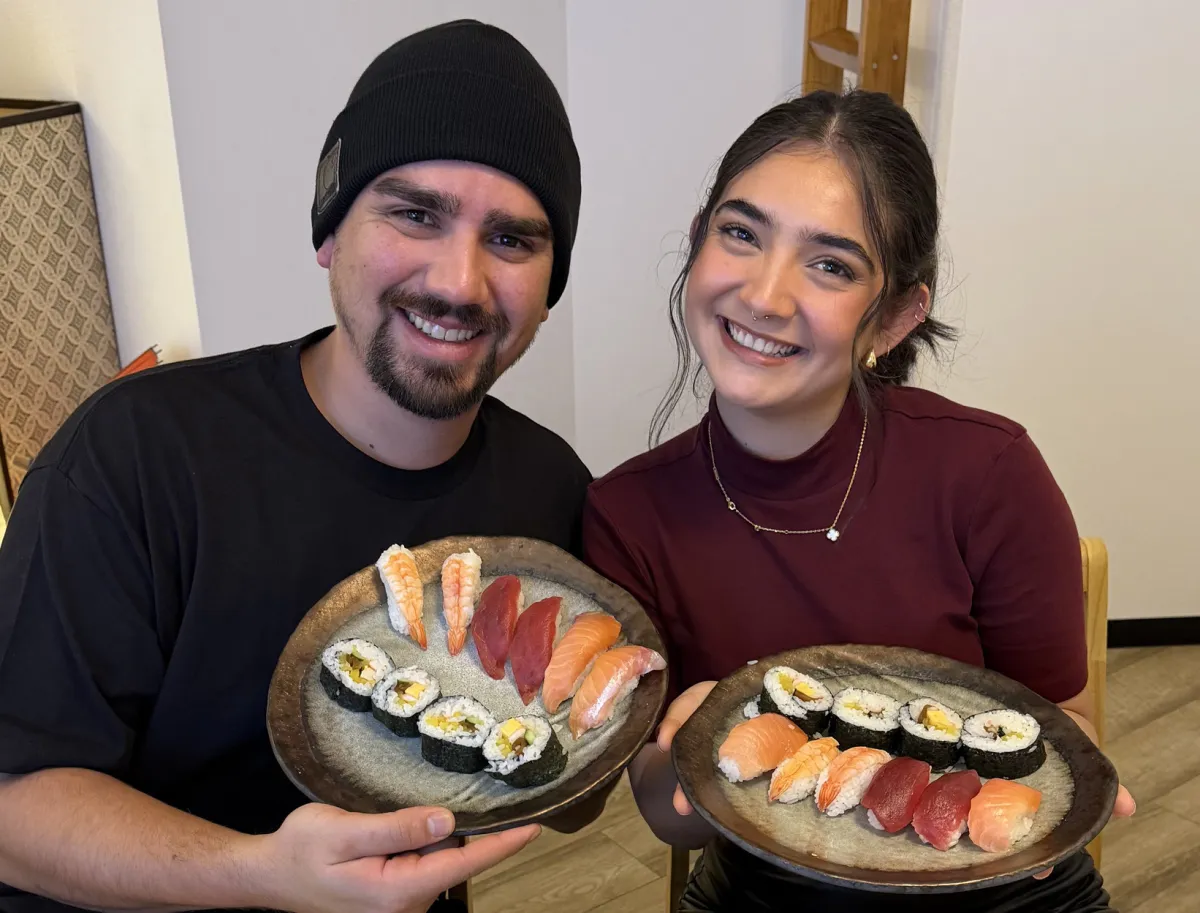
Tokyo Sushi Making Class : Sake Ceremony & Matcha Experience in Asakusa
Start with ages, because they set the floor
Children aged four and above can take part in the regular class. Children under four are welcome to come along and share with a parent, and children aged three and under join free of charge — tell us when you book so we can prepare.
So the first question is not "which class", it is "who in my party is participating and who is accompanying". A family of two adults and a five-year-old is three participants. A family of two adults, a six-year-old and a two-year-old is three participants and one child sharing with a parent. Write that down before you look at either booking page, because it changes the quote and it changes what we set up.
The family private class has its own group requirement: a published minimum of four participants and a maximum of eight. A family of three cannot meet that minimum on its own, which for many parents settles the question immediately.
Be honest about pace
This is the question parents answer too optimistically, and it is the one that most affects the day.
The shared signature class runs 90 minutes on a common schedule, with other guests in the studio. It moves at the pace of the session. That is fine — often genuinely good — for a child who can stay with a group activity for an hour and a half, enjoys following instructions, and is not going to be distressed by a room of strangers.
The family private class runs 90 to 120 minutes with the studio reserved for your party, and the pace is adapted to the family. That difference matters when a toddler needs a break in the middle, when one child works much faster than another, or when you would rather not be the parents managing a meltdown in a room of other people's holidays.
Ask yourself the concrete version: if my four-year-old needs ten minutes off in the middle, which of these two rooms would I rather be in? Most parents know their answer straight away.
Raw fish is a separate question from format
A no-raw-fish requirement is a common reason parents look at the family class, so it is worth being precise about what is published where.
The family private class lists kid-friendly toppings and a no-raw-fish option as part of the experience, alongside child-safe utensils and a matcha experience for adults with juice for children. It is designed around this need.
That does not mean the shared class is off the table if your child will not eat raw fish. It means the requirement has to be stated when you book rather than raised on the day, and you should describe it specifically — "no raw fish for two children, adults are fine" is a useful sentence, "the kids are picky" is not.
And please keep three things separate in your message: a food allergy, a vegan requirement, and a no-raw-fish preference. They need different preparation, and an allergy in particular deserves its own conversation before anything is paid for. Our guide to food allergies and a sushi class explains what to include.
How each one is confirmed — and why it matters for a family trip
The two formats are not booked the same way, and for a family with a fixed itinerary this is often the deciding practicality.
The shared signature class is booked online: you choose from the sessions shown for your date, enter your party details and complete the booking. The family private class is a request booking — you send your date and party size, and we confirm after checking availability.
A request is not yet a reservation. With children in the party that distinction is worth respecting, because family days tend to be built as a chain: class, then lunch, then somewhere with a nap in it. Do not lock the rest of the day around an unconfirmed request. If the private slot is not available, check the shared class separately rather than assuming it has space; switching is easier when nothing else has been committed. Our guide to instant confirmation and request bookings explains the two routes in more detail.
Cancellation terms are the same once either booking is confirmed: free up to 24 hours before, a 100% fee inside 24 hours, and no-shows non-refundable. With small children that 24-hour line is the number worth knowing, because it is the point at which a sudden fever becomes an expensive one.
Practical things parents ask about
- Strollers. The family private class lists stroller-friendly access. If you are bringing one, say so in advance so we can prepare for it.
- Luggage. Luggage storage is listed with the family class. If you are arriving between hotels, mention it.
- Language. Classes are fully supported in English, by fluent instructors or dedicated interpreters.
- Alcohol. The signature class includes a sake toast for adults; water or Japanese green tea is available instead, and juice is listed for children in the family class.
- Photos. Family photo time is part of the family private class.
Working through it in order
- List participants and accompanying children by age.
- If that list has fewer than four participants, the family private minimum is not met — look at the shared class.
- Judge your youngest child against 90 minutes on a fixed schedule with other guests in the room.
- Write your food requirements as separate, specific lines.
- If you need the private format, send the request early and keep the rest of that day flexible until it is confirmed.
- If the shared class fits, book the session you want and state the children's ages and food needs as you book.
Most families land in one of two places. Younger children, a party of four or more, and a day where an unhurried pace matters point to the family private sushi class. Older children, a smaller party, or a fixed date that has to be certain point to the shared class.
Neither is the better class. They are answers to different questions about your own family, which is why it is worth spending five minutes on the questions before you spend anything else.
Related Articles
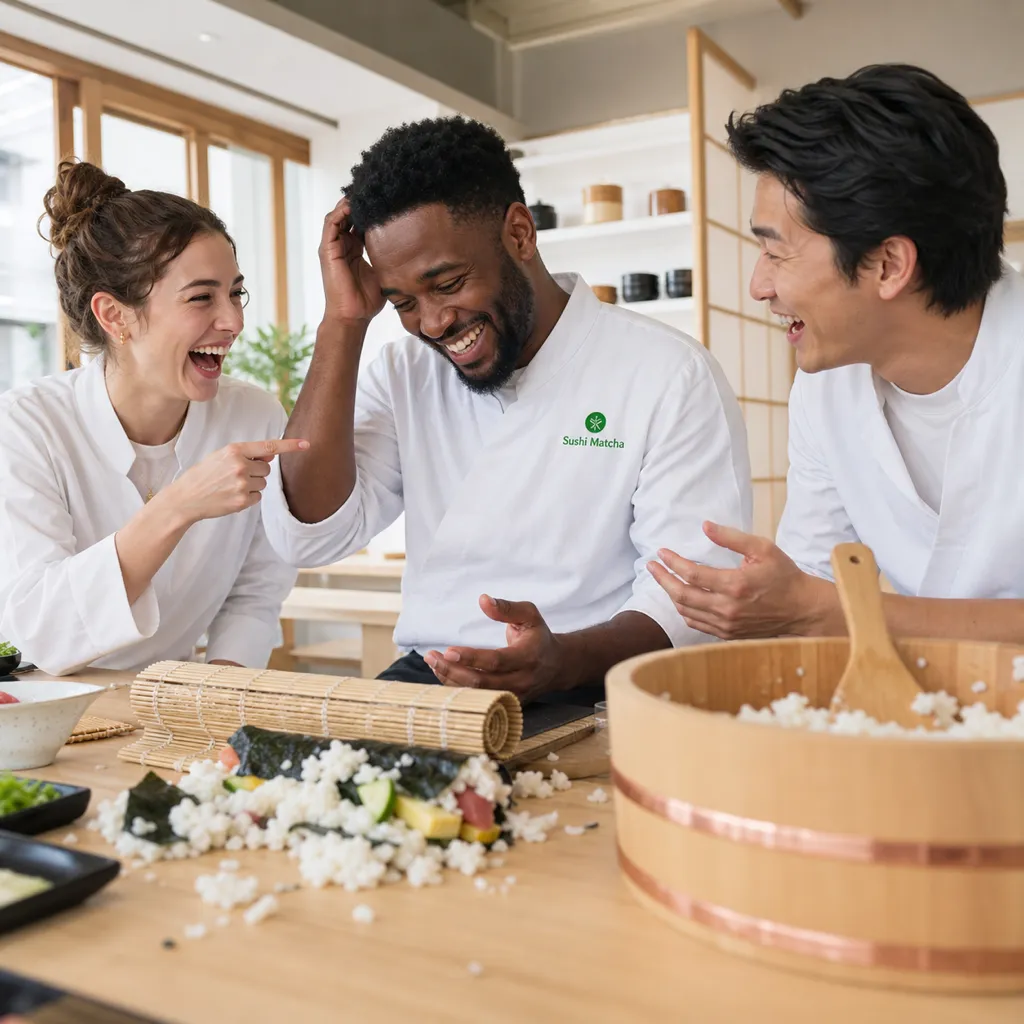
Booking a Tokyo Sushi Class for a Group
Organising a sushi class in Asakusa for friends? Here is the information to collect from everyone first, and how to keep the whole party in one session.
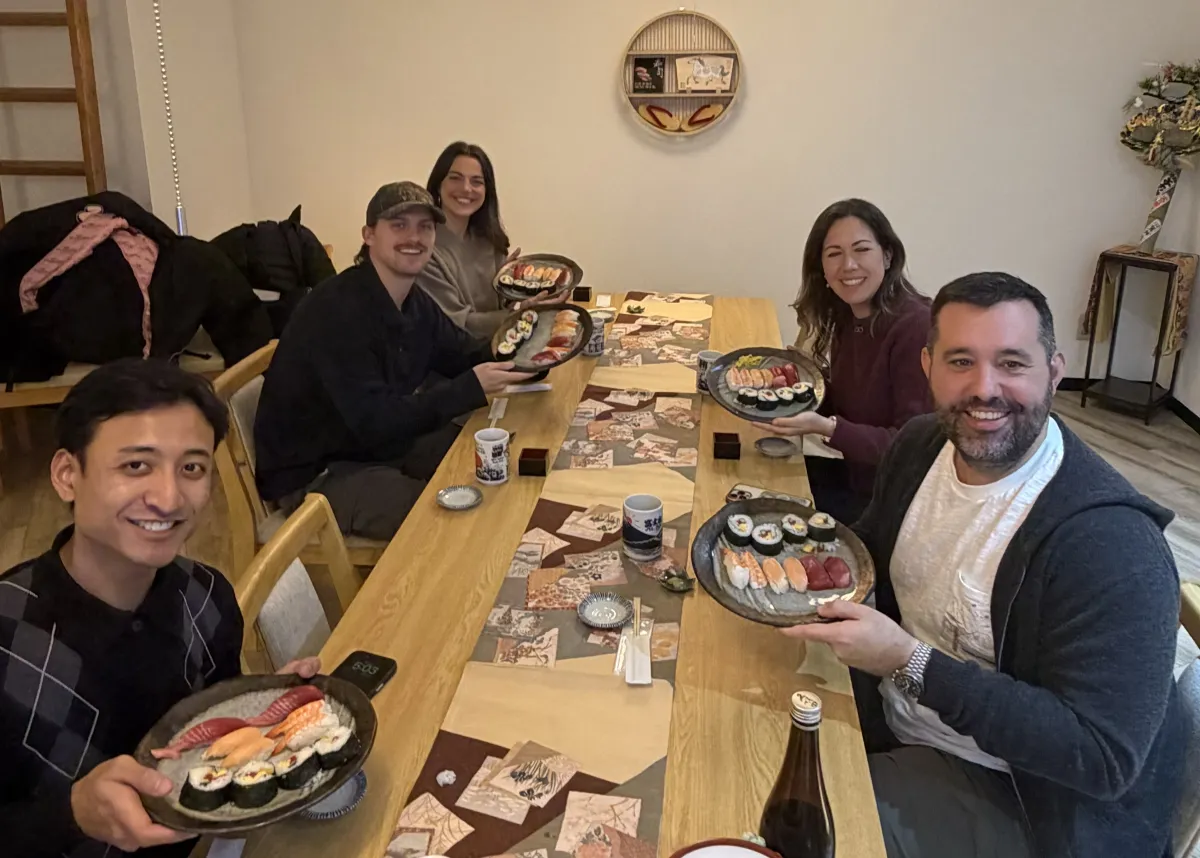
Tokyo Sushi Class: Instant or Request?
Some sushi classes in Tokyo confirm instantly, others are request bookings. Here is which is which at our Asakusa studio, and how each affects your plans.
Joining a Sushi Class Alone in Tokyo
Travelling solo in Tokyo? See how booking one place in a shared sushi class works, what to check before paying and how it differs from a private class.