Iriya Asagao Matsuri: Tokyo's Beloved Morning Glory Festival and the Art of Japanese Summer Cool
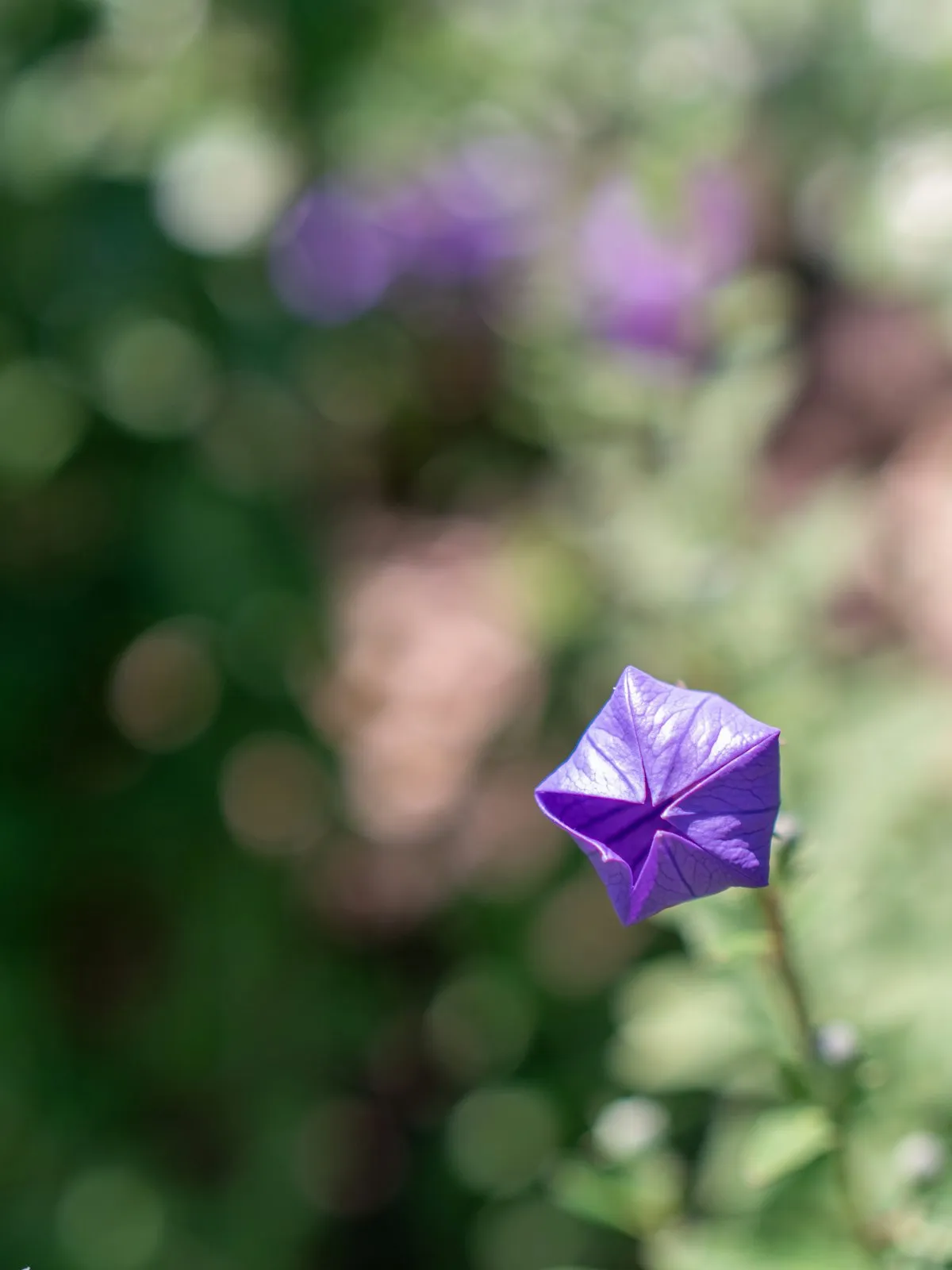
As dawn breaks over Tokyo in early July, a remarkable transformation takes place along Kototoibashi-dori street in the Iriya neighborhood. Hundreds of vendors line the thoroughfare, their stalls overflowing with morning glories in every imaginable shade—deep indigo, royal purple, pristine white, soft pink, and dramatic bi-colored varieties that seem to capture the very essence of Japanese summer.
This is the Iriya Asagao Matsuri (入谷朝顔まつり), one of Tokyo's most beloved summer traditions and a living testament to Japan's enduring appreciation for seasonal beauty.
Popular in Tokyo right now — our most recommended experience
Tokyo Sushi Making Class : Sake Ceremony & Matcha Experience in Asakusa
A Festival Born from Edo-Era Elegance
The morning glory, or asagao in Japanese, holds a special place in the country's cultural imagination. Though originally introduced from China as a medicinal plant during the Nara period (710-794), it was during the Edo period that morning glories became objects of aesthetic obsession.
Edo-era horticulturists developed hundreds of varieties, competing to create the most unusual colors and petal shapes. The wealthy merchant class would host morning glory viewing parties at dawn, sipping tea while admiring flowers that bloom only in the cool morning hours before wilting in the afternoon sun.
The Iriya Asagao Matsuri traces its roots to the Meiji era (1868-1912), when more than a dozen nurseries in the Iriya area began cultivating morning glories on sprawling plots of land spanning hundreds of tsubo each. What started as a local horticultural scene evolved into one of Tokyo's signature summer festivals.
When and Where: Essential Festival Information
Dates: July 6-8, 2026 (annually) Hours: Early morning (around 5:00 AM) to late evening (around 11:00 PM) Location: Iriya Kishimojin (Shingenji Temple) and along Kototoibashi-dori street
Getting There:
- Tokyo Metro Hibiya Line: Iriya Station, Exit 2 (1-minute walk)
- JR Yamanote/Keihin-Tohoku Line: Uguisudani Station, South Exit (5-minute walk)
The festival centers around Iriya Kishimojin (Shingenji Temple), a Buddhist temple dedicated to Kishimojin, a goddess who protects children. The juxtaposition of ancient spirituality and summer celebration creates an atmosphere unique to traditional Tokyo.
The Art of Choosing Your Morning Glory
With over 100 vendors selling approximately 400,000 morning glory pots during the three-day festival, choosing the right plant becomes an art form in itself. Here's what to look for:
Types of Morning Glories
Standard Varieties (朝顔): The classic type with trumpet-shaped flowers in traditional colors. Perfect for beginners and those seeking authentic summer atmosphere.
Hybrid Varieties (変化朝顔): Unusual mutations with frilled petals, unusual colors, or multiple blooms. These are the collector's items, often commanding higher prices.
Giant Morning Glories (大輪朝顔): Flowers that can span up to 20 centimeters in diameter—a testament to Japanese horticultural skill.
Shopping Tips
- Arrive early: The best specimens sell quickly, and the flowers are most beautiful in the morning light
- Check the buds: Look for plants with multiple buds at various stages—this ensures several days of blooms
- Ask about care: Vendors are knowledgeable and happy to share cultivation tips
- Prices: Expect to pay ¥1,500-3,000 for a standard andon-zukuri (行灯作り) potted plant on a traditional trellis
Beyond the Flowers: Festival Atmosphere
The Iriya Asagao Matsuri is more than a plant sale—it's a full sensory experience of Japanese summer. The streets come alive with:
Yatai (Street Food Stalls): Classic festival fare including yakitori, takoyaki, kakigori (shaved ice), and ramune soda in iconic marble-stoppered bottles.
Furusato Kōryū Bussan-ten: A special market at Sakamoto Asagao Plaza adjacent to the temple, featuring regional products from across Japan and local Shitaya district shops.
Evening Illumination: As darkness falls, paper lanterns cast a warm glow over the flower stalls, creating an atmosphere that feels transported from another era.
The Philosophy of Suzushisa: Finding Cool in Summer Heat
The morning glory festival embodies a quintessentially Japanese approach to summer called suzushisa (涼しさ)—the art of finding coolness not just in temperature, but in aesthetic experience.
Traditional Japanese summer culture developed countless ways to create psychological coolness: the sound of wind chimes (furin), the sight of goldfish swimming in clear water, the deep indigo of morning glory blooms. The Iriya Asagao Matsuri continues this tradition, offering a moment of visual refreshment even in Tokyo's humid July heat.
This same philosophy extends to Japanese cuisine. Summer sushi features light, refreshing neta (toppings) like kohada (gizzard shad) and aji (horse mackerel), while matcha served cold as usucha provides an elegant way to beat the heat. At Sushi & Matcha, we explore these seasonal connections, helping visitors understand how Japanese aesthetics unite food, nature, and daily life.
Combining Your Festival Visit with Asakusa
The Iriya neighborhood sits just north of Asakusa, making it easy to combine your morning glory adventure with other cultural experiences:
Morning (5:00-9:00 AM): Start at the Asagao Matsuri when flowers are freshest and crowds are thinnest. Purchase your morning glory and enjoy the awakening festival atmosphere.
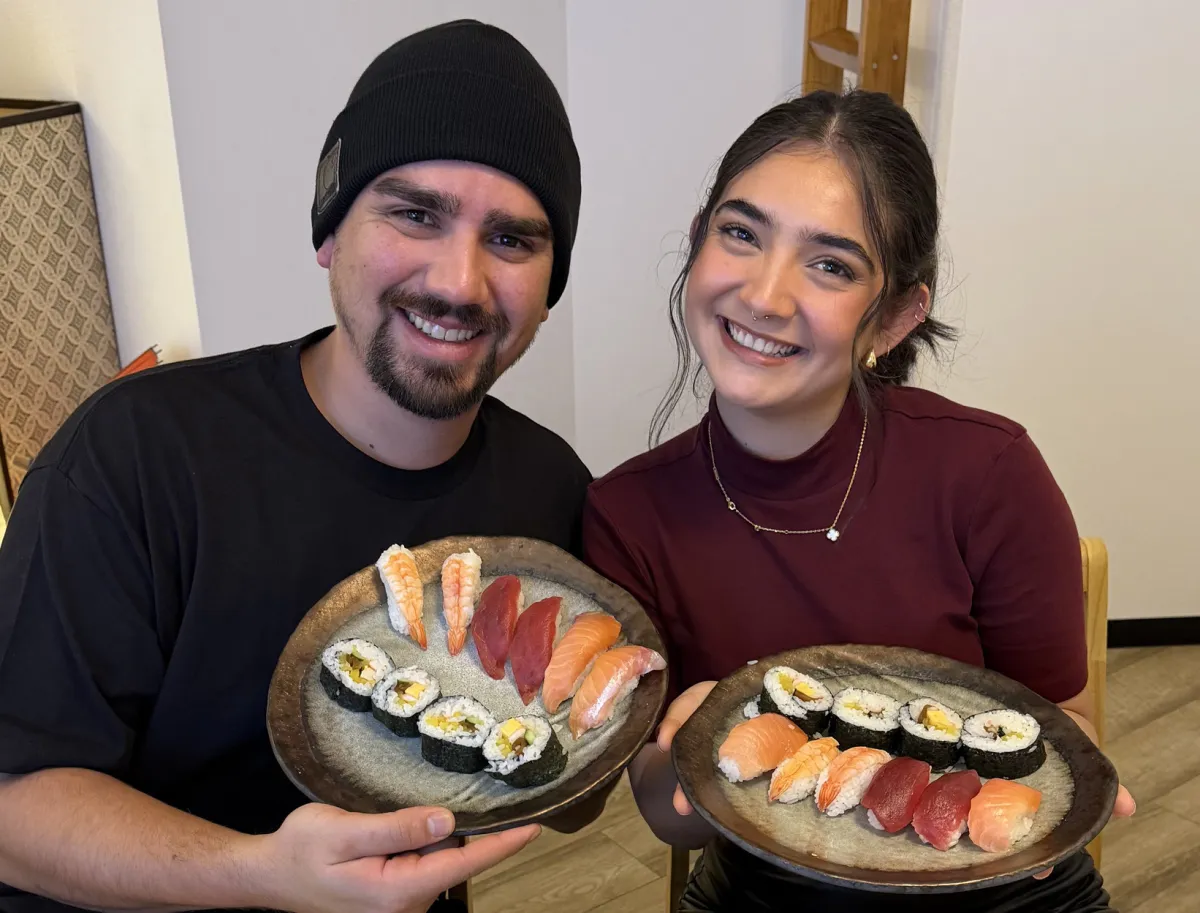
Late Morning (10:00 AM-12:00 PM): Walk south to Asakusa (approximately 15 minutes) for a sushi-making class. Learning to craft seasonal summer sushi connects perfectly with the festival's celebration of Japanese seasonality.
Afternoon: Explore Senso-ji Temple and Nakamise shopping street. Consider visiting during the nearby Shitamachi Tanabata Festival (July 3-7) for double the summer celebration.
Evening: Return to Iriya as lanterns illuminate the flower stalls, experiencing the festival's most magical hours.
A Living Tradition
In an era of air conditioning and imported flowers available year-round, the Iriya Asagao Matsuri might seem like a charming anachronism. Yet each July, hundreds of thousands of Tokyoites continue to wake before dawn, venture out into the summer humidity, and carry home potted morning glories—keeping alive a tradition that has defined Tokyo summers for over a century.
The festival reminds us that seasonal appreciation isn't merely nostalgia but a continuing practice. Each morning glory that blooms is a small miracle lasting only a few hours, a reminder to find beauty in the transient—the same philosophy that makes a perfect piece of sushi or a bowl of whisked matcha so meaningful.
This July, consider joining this living tradition. Rise early, wander the flower-lined streets, and bring home a piece of Tokyo summer. And if you'd like to deepen your understanding of Japanese seasonal culture through cuisine, we'd be honored to welcome you to our sushi and matcha experience in Asakusa—where the same appreciation for shun (seasonality) and suzushisa (summer cool) continues in delicious form.
Planning to visit Tokyo in early July? The Iriya Asagao Matsuri runs July 6-8, 2026. Combine it with a morning sushi class at Sushi & Matcha for the perfect summer day in old Tokyo.
Related Articles
Torigoe Matsuri: Tokyo's Mightiest Mikoshi and the Soul of Shitamachi Summer
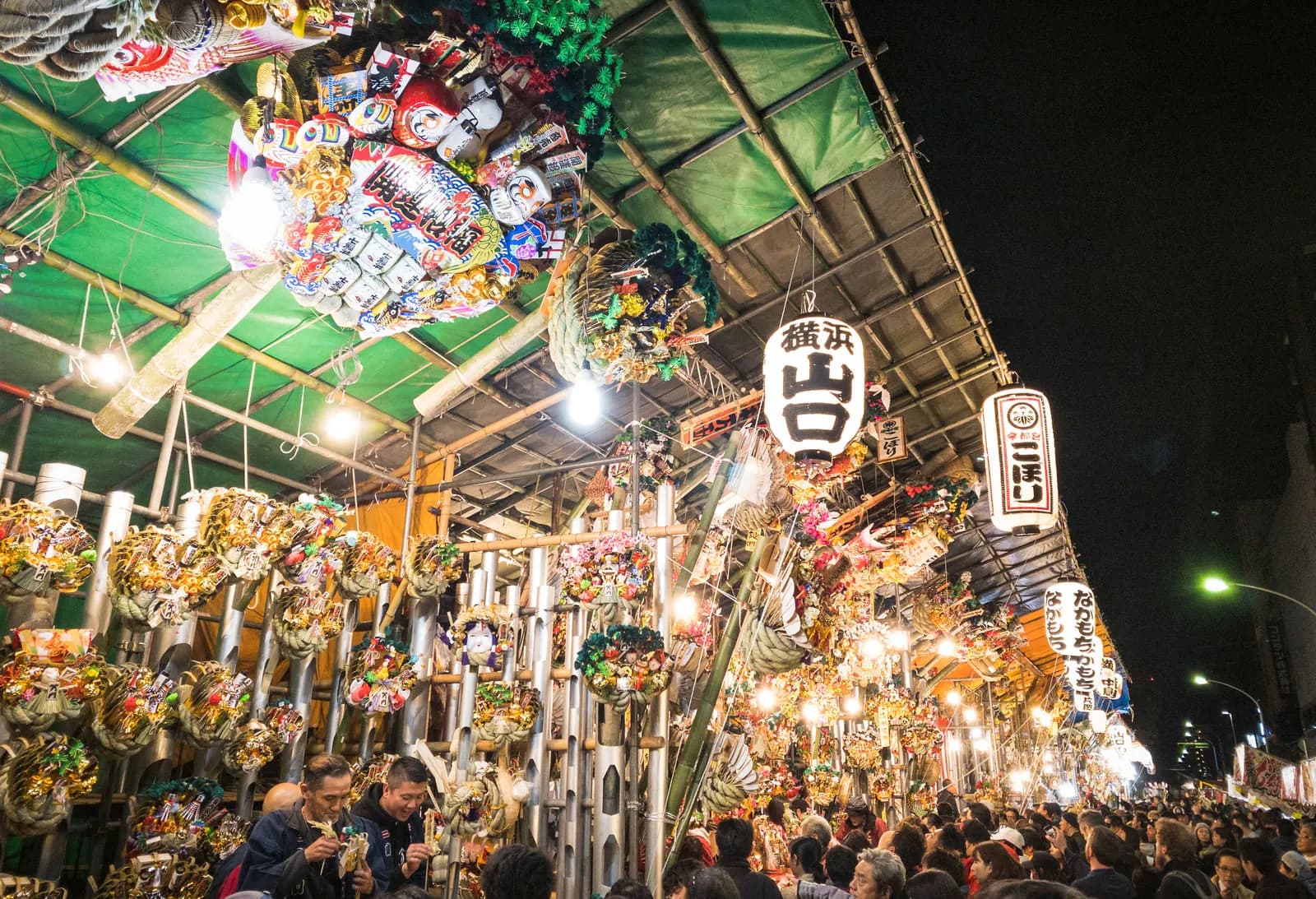
Experience the thunderous Torigoe Matsuri, where Tokyo's heaviest portable shrine weighs in at four tons and navigates narrow alleyways in an electrifying display of shitamachi spirit.
Nagoshi no Harae: The Ancient Summer Purification Ritual That Cleanses Your Soul in Asakusa
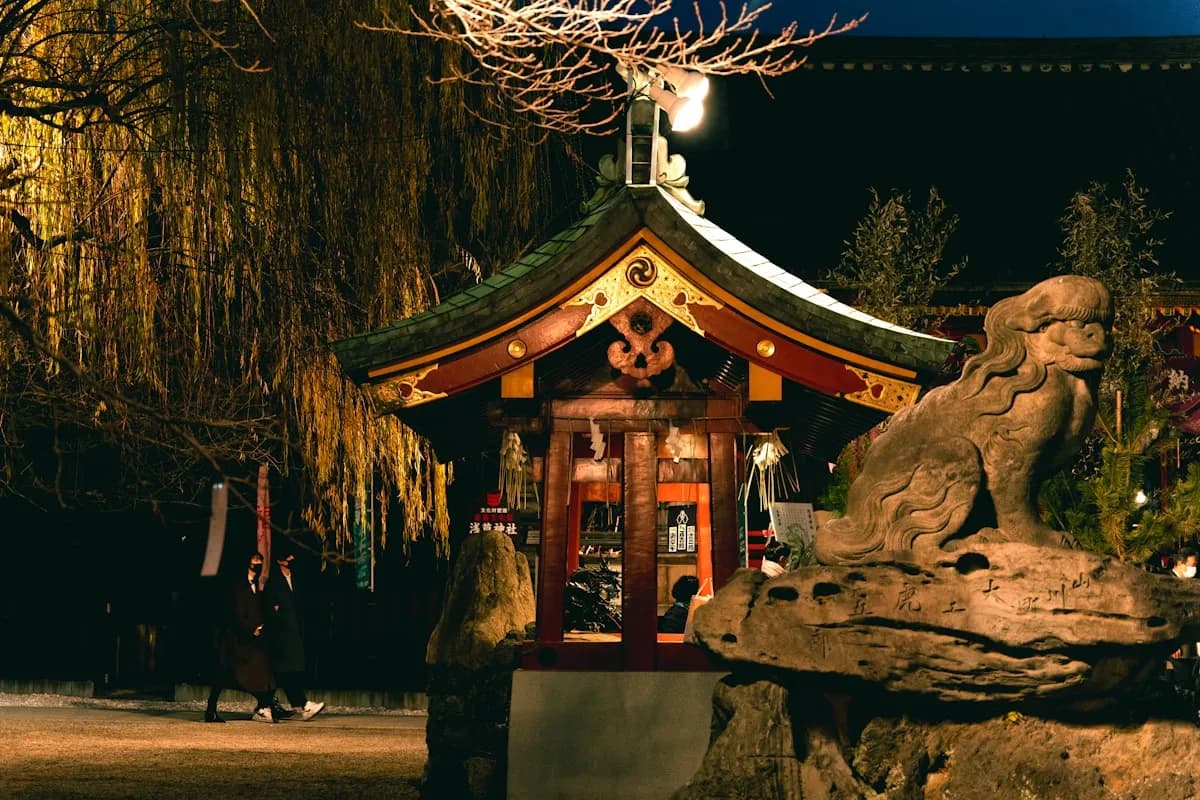
Discover the sacred Nagoshi no Harae ceremony on June 30th, where walking through a giant grass ring purifies the soul. Learn about the chinowa-kuguri ritual, the mystical minazuki sweet, and how to experience this profound tradition in Asakusa.
Ayu: The Fragrant River Fish That Heralds the Arrival of Japanese Summer
Discover ayu, Japan's beloved sweetfish that becomes available each June. Learn why this delicate river fish holds such cultural significance and how to experience its unique flavor during your Tokyo visit.