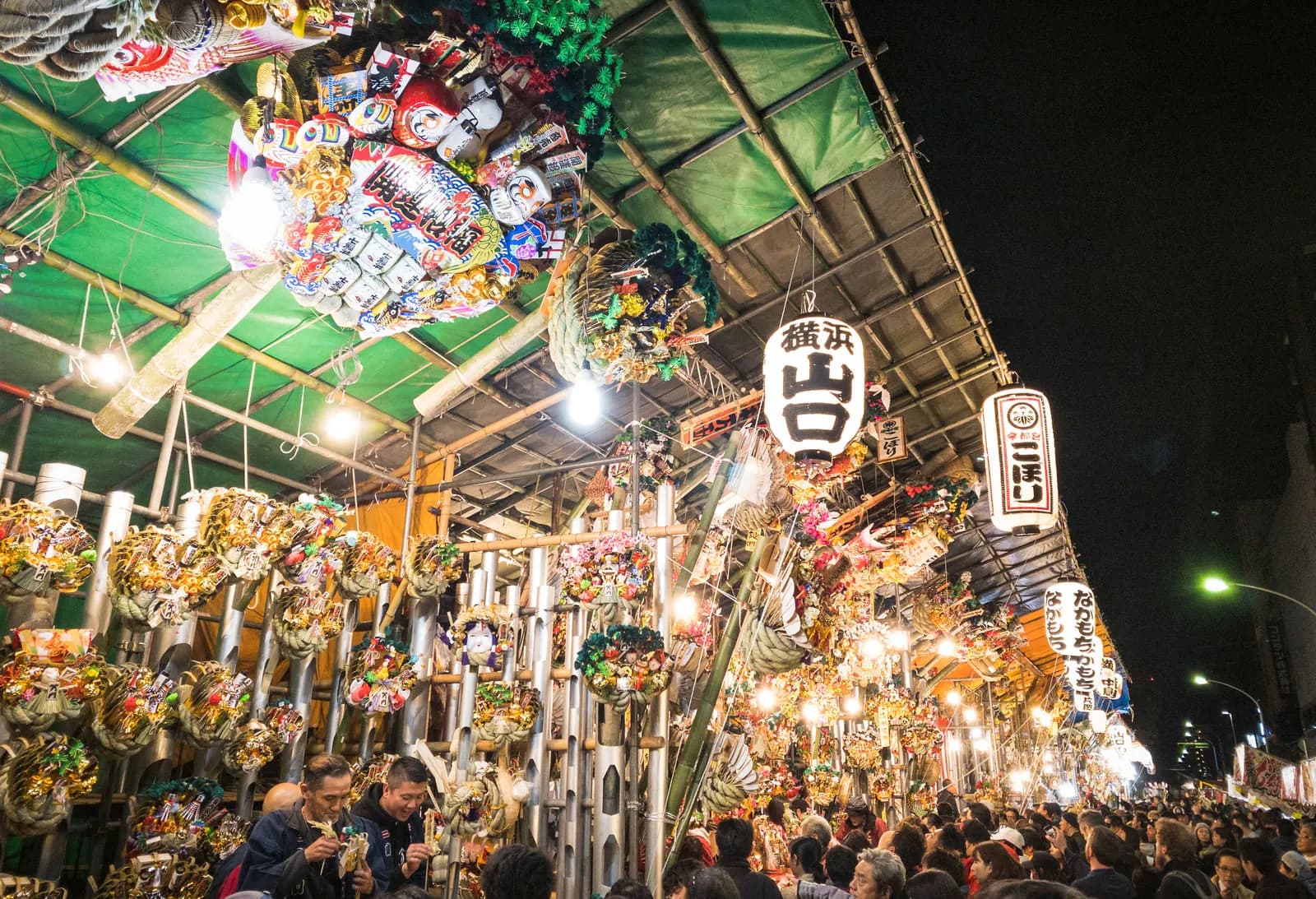
Torigoe Matsuri: Tokyo's Mightiest Mikoshi and the Soul of Shitamachi Summer
Every June, while the rest of Tokyo prepares for the rainy season, the narrow streets surrounding Torigoe Shrine erupt in one of the city's most physically demanding and spiritually charged festivals. This is Torigoe Matsuri (鳥越祭)—a celebration where a four-ton portable shrine tests the limits of human endurance, and the line between sacred ritual and athletic feat dissolves entirely.
Popular in Tokyo right now — our most recommended experience

Tokyo Sushi Making Class : Sake Ceremony & Matcha Experience in Asakusa
The Legend of the Sengan Mikoshi
At the heart of Torigoe Matsuri is the sengan mikoshi (千貫神輿), literally "the thousand-kan shrine." One kan equals approximately 3.75 kilograms, making this behemoth weigh in at nearly four tons—the heaviest mikoshi in Tokyo. While Asakusa's famous Sanja Matsuri draws massive crowds, veterans of Tokyo's festival circuit know that Torigoe offers something different: raw, intimate intensity.
The shrine's exceptional weight isn't merely ceremonial. The carrying poles are deliberately shorter than typical mikoshi, meaning each bearer shoulders significantly more burden. As the procession winds through the labyrinthine alleys of this old shitamachi neighborhood, the carriers must navigate corners that seem impossibly tight for such a massive object. This is mikoshi-carrying as extreme sport.
A Festival 1,400 Years in the Making
Torigoe Shrine itself claims a history stretching back to the year 651, when it was established to honor Yamato Takeru, the legendary prince of Japanese mythology. The shrine's name—"bird crossing"—supposedly derives from a white bird that appeared to guide Minamoto no Yoshiie's army across a river during the Later Three Years' War in the 11th century.
But the festival as celebrated today carries the unmistakable DNA of Edo-period Tokyo. This was the playground of craftsmen, merchants, and laborers—people who turned hard physical work into community celebration. The sengan mikoshi embodies their ethos: impressive not through gold leaf or artistic refinement, but through sheer, unapologetic mass.
Yomatsuri: When the Festival Truly Awakens
If you can only experience one moment of Torigoe Matsuri, make it the yomatsuri (夜祭り)—the night festival. As the sun sets, paper lanterns called chōchin are lit along the mikoshi's path. The carriers, now illuminated by this wavering golden light, transform the procession into something almost otherworldly.
The mikoshi itself is adorned with dozens of small lanterns, creating a glowing mountain that sways through the darkness. The rhythmic chanting of "wasshoi, wasshoi" echoes off narrow buildings, and the entire neighborhood seems to pulse with a single heartbeat. The final push toward the shrine, known as miyairi, reaches its climax around 9 PM, when exhausted but exhilarated carriers return the sacred object to its home.
The Food Scene: 250 Stalls and Counting
Torigoe Matsuri hosts one of Tokyo's largest collections of festival food stalls—approximately 250 vendors line the streets surrounding the shrine. This isn't the sanitized food-court experience of some commercial events; it's the authentic chaos of classic Japanese yatai culture.
Must-try festival foods include:
- Yakitori — Grilled chicken skewers, smoky and caramelized
- Takoyaki — Osaka-style octopus balls, crispy outside, molten within
- Okonomiyaki — Savory pancakes slathered in sweet-tangy sauce
- Kakigōri — Shaved ice in rainbow syrups, essential in early summer heat
- Wataame — Cotton candy, a festival staple since the Meiji era
The stalls reflect the democratic spirit of shitamachi festivals: unpretentious, generous, and absolutely packed with flavor.
June's Seasonal Treasures at the Sushi Counter
While festival food satisfies the festive appetite, those seeking a more refined culinary experience should know that early June marks the beginning of several exciting seasonal transitions in Edomae sushi. At quality sushi counters throughout Tokyo, you'll find:
Shinko (新子) — The tiny juveniles of kohada (gizzard shad) begin appearing in late June. These delicate, silvery fish are so prized that they command prices exceeding premium tuna. A single piece might contain multiple tiny fish, expertly cured and layered.
Aji (鯵) — Japanese horse mackerel enters its peak season. The flesh becomes wonderfully fatty, with a clean maritime sweetness that needs nothing more than a whisper of ginger.
Anago (穴子) — Conger eel from Tokyo Bay is at its most delicate in early summer. Skilled chefs serve it either simmered in a sweet sauce (nitsume) or lightly grilled for a more textured experience.
Visiting Asakusa for a sushi-making class before or after Torigoe Matsuri offers the perfect contrast—learning the precise, meditative art of sushi against the backdrop of festival energy.
Planning Your Visit
Dates for 2026: June 6th (Saturday) – June 7th (Sunday), with additional events on June 9th
Best viewing times:
- Morning mikoshi departure: approximately 6:30 AM on Sunday
- Night festival climax: 8:00 PM – 9:00 PM on Sunday
Access:
- JR Asakusabashi Station: 8-minute walk
- Toei Asakusa Line Kuramae Station: 6-minute walk
- Toei Oedo Line Kuramae Station: 10-minute walk
Tips for first-timers:
- Arrive early for the night festival—crowds thicken rapidly after dark
- Wear comfortable shoes; you'll be standing on narrow, packed streets
- Bring cash; most food stalls don't accept cards
- The area around the shrine becomes extremely congested; patience is essential
Beyond the Festival: Exploring the Neighborhood
The Torigoe-Kuramae area rewards exploration beyond festival days. This stretch of shitamachi has quietly become one of Tokyo's most interesting design and craft districts, with converted warehouses housing artisan studios, specialty coffee roasters, and contemporary galleries.
Within walking distance, you can also explore:
- Kappabashi Street — Tokyo's famous kitchenware district, perfect for picking up sushi knives or those uncannily realistic plastic food samples
- Asakusa — A 15-minute walk brings you to Sensoji Temple and the historic entertainment district
- The Sumida River promenade — Ideal for cooling down with views of Tokyo Skytree
The Spirit of Shitamachi
What makes Torigoe Matsuri special isn't just its massive mikoshi or its history—it's the window it provides into a Tokyo that still exists alongside the neon and skyscrapers. This is a neighborhood where craftsmen still make traditional goods, where festivals are organized by actual neighbors rather than event companies, and where the weight of a four-ton shrine is lifted by the collective strength of a community.
In an era when so much of Tokyo can feel designed for tourists, Torigoe Matsuri remains stubbornly, beautifully local. The shrine doesn't need your visit to continue its 1,400-year tradition. But if you're fortunate enough to witness those lanterns glowing against the night sky and hear the thunder of feet carrying something impossibly heavy through impossibly narrow streets, you'll understand why festivals like this are called matsuri—gatherings where the human and divine momentarily share the same space.
Planning to experience Tokyo's festival culture and culinary traditions? Book a sushi-making class in Asakusa or discover the art of Japanese tea ceremony during your visit.
Related Articles
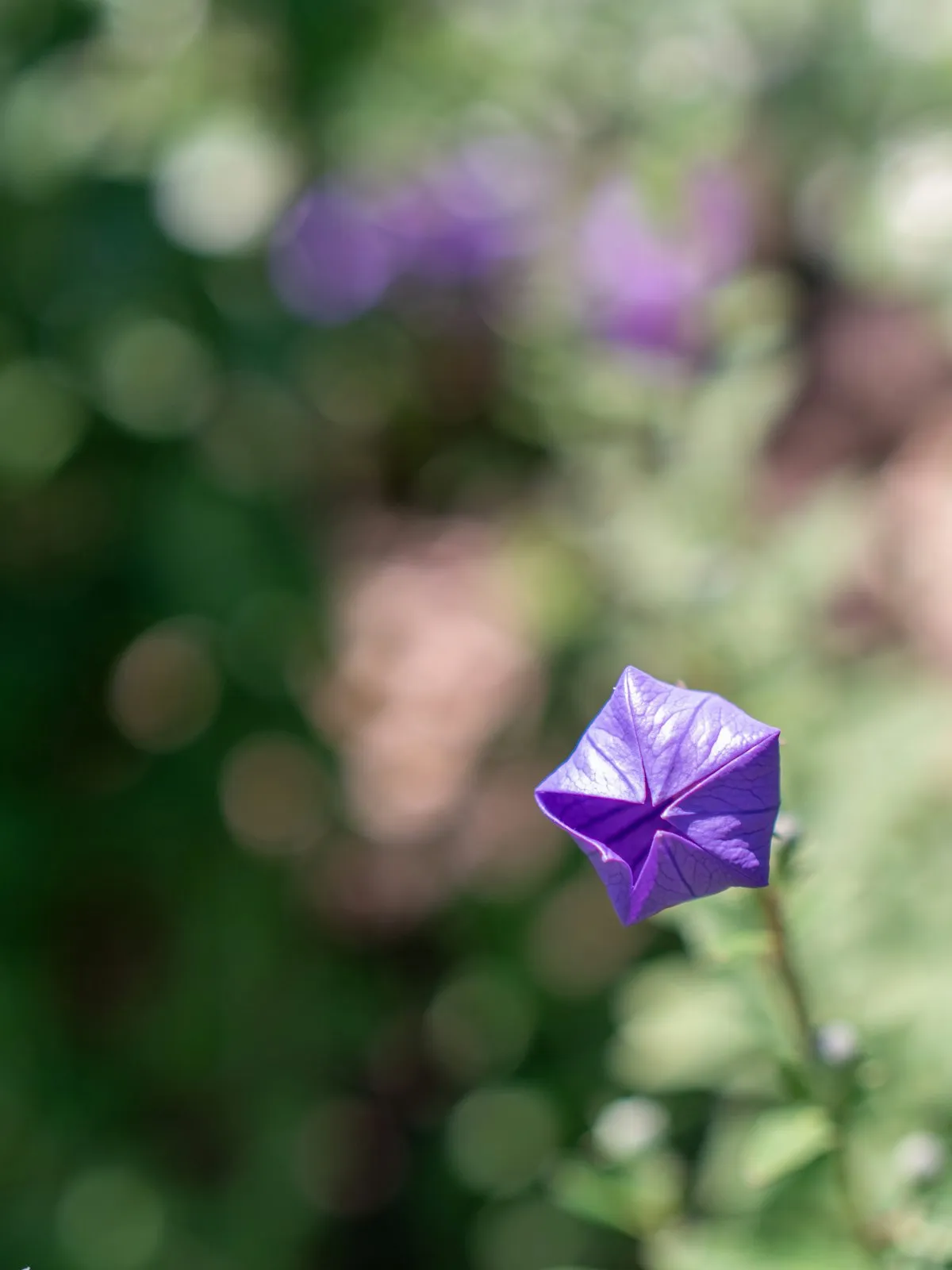
Iriya Asagao Matsuri: Tokyo's Beloved Morning Glory Festival and the Art of Japanese Summer Cool
Discover the Iriya Asagao Matsuri, a 120-year-old tradition where thousands of morning glories transform Tokyo's streets into a living canvas of summer beauty, just steps from Asakusa.
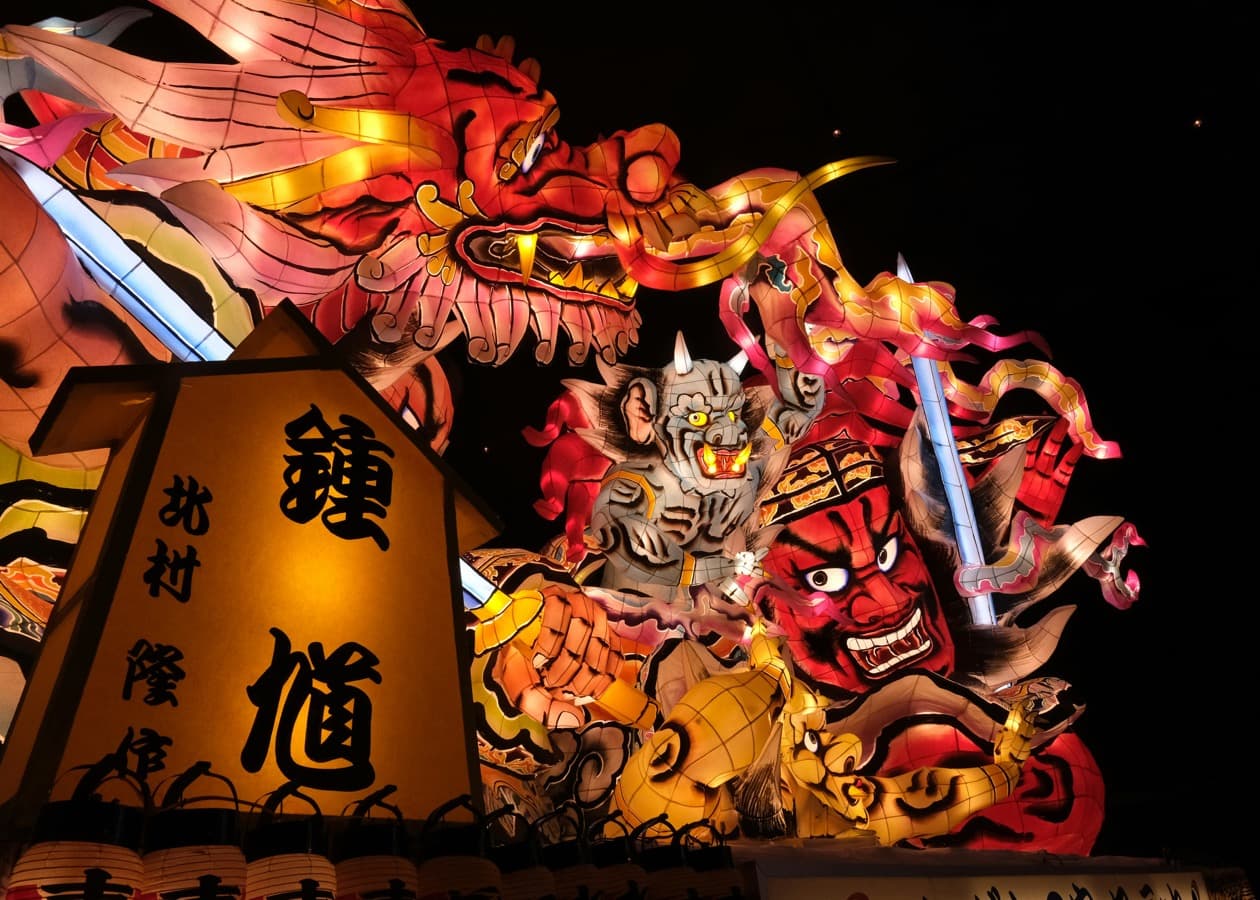
Sanja Matsuri: Tokyo's Greatest Festival and the Ultimate Guide to Asakusa Street Food
Experience the wildest festival in Tokyo this May 15-17. Discover the history, mikoshi processions, and incredible street food that make Sanja Matsuri an unmissable celebration in Asakusa.
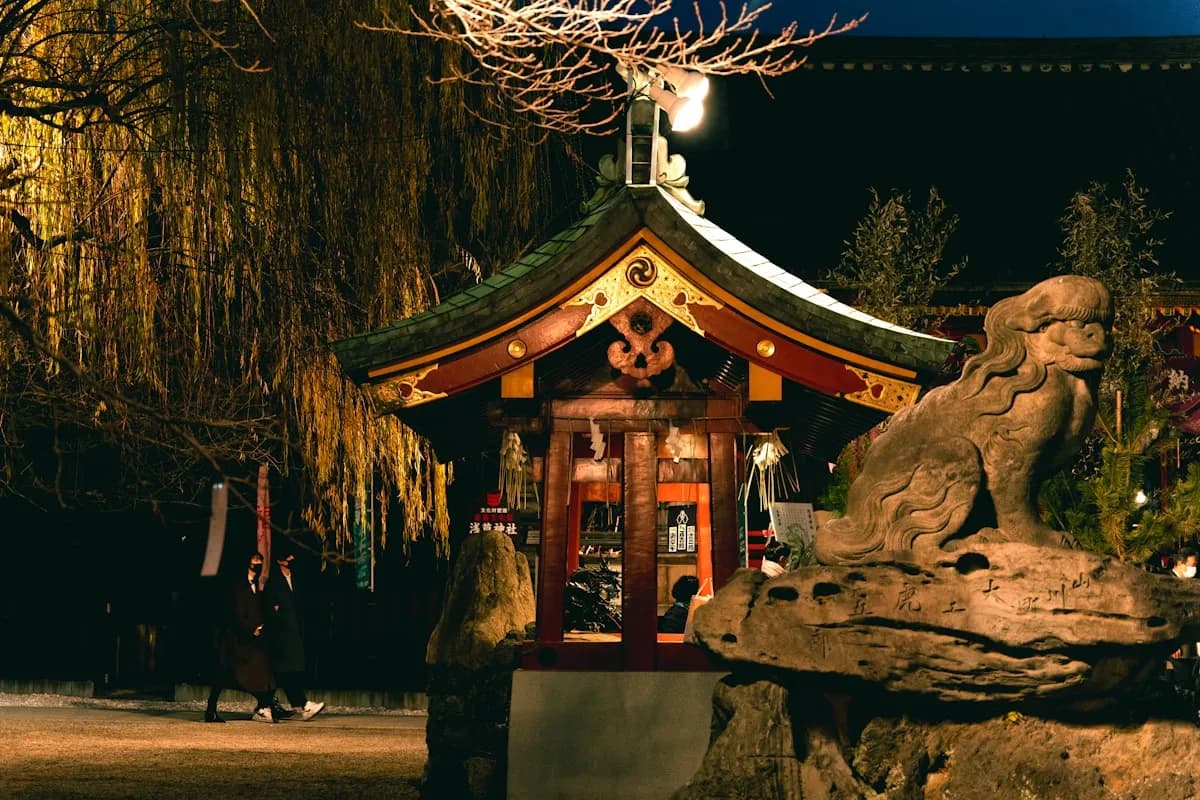
Nagoshi no Harae: The Ancient Summer Purification Ritual That Cleanses Your Soul in Asakusa
Discover the sacred Nagoshi no Harae ceremony on June 30th, where walking through a giant grass ring purifies the soul. Learn about the chinowa-kuguri ritual, the mystical minazuki sweet, and how to experience this profound tradition in Asakusa.