Nagoshi no Harae: The Ancient Summer Purification Ritual That Cleanses Your Soul in Asakusa
Nagoshi no Harae: The Ancient Summer Purification Ritual That Cleanses Your Soul in Asakusa
As June draws to a close and the humid weight of Tokyo's rainy season settles over the city, something extraordinary happens at shrines across Japan. Giant rings woven from fragrant cogon grass appear at shrine entrances, and visitors begin an ancient dance—stepping through these verdant portals in a figure-eight pattern that has remained unchanged for over a thousand years. This is Nagoshi no Harae (夏越の祓), the Great Summer Purification, and if you're visiting Asakusa around June 30th, you're about to witness one of Shinto's most beautiful and meaningful ceremonies.
Popular in Tokyo right now — our most recommended experience

Tokyo Sushi Making Class : Sake Ceremony & Matcha Experience in Asakusa
The Poetry of Purification: Understanding Nagoshi no Harae
In the Shinto worldview, impurities accumulate naturally through the course of daily life—not through moral failings, but simply through the friction of existence. Negative energies, illness, misfortune, and what the Japanese call kegare (穢れ, ritual impurity) gather like dust on the soul. Twice a year, at the end of June and December, shrines across Japan hold Oharae (大祓) ceremonies to sweep away these accumulated burdens and restore spiritual clarity.
The June ceremony, Nagoshi no Harae, carries particular significance. The word nagoshi (夏越) means "passing through summer," and this ritual marks the exact midpoint of the year—a moment to pause, reflect on the first six months, and prepare spiritually for the intense heat of the Japanese summer ahead.
The Chinowa-Kuguri: Walking Through the Ring of Renewal
The most striking visual element of Nagoshi no Harae is the chinowa (茅の輪)—a massive ring, typically 2-3 meters in diameter, constructed from chi (cogon grass) bound together with sacred rope. The practice of walking through this ring, called chinowa-kuguri (茅の輪くぐり), follows a precise ritual pattern:
- First pass (left): Bow before the ring, step through with your left foot first, and circle around to the left
- Second pass (right): Return to the front, step through again, and circle around to the right
- Third pass (left): One final pass, circling left, then proceed to the main hall for prayer
This figure-eight pattern—when viewed from above—traces the shape of infinity, symbolizing endless renewal. As you walk, many shrines provide a traditional poem to recite:
Minazuki no nagoshi no harae suru hito wa Chitose no inochi noburu to zo iu
("Those who perform the summer purification in the sixth month are said to extend their life by a thousand years")
Experiencing Chinowa-Kuguri in Asakusa
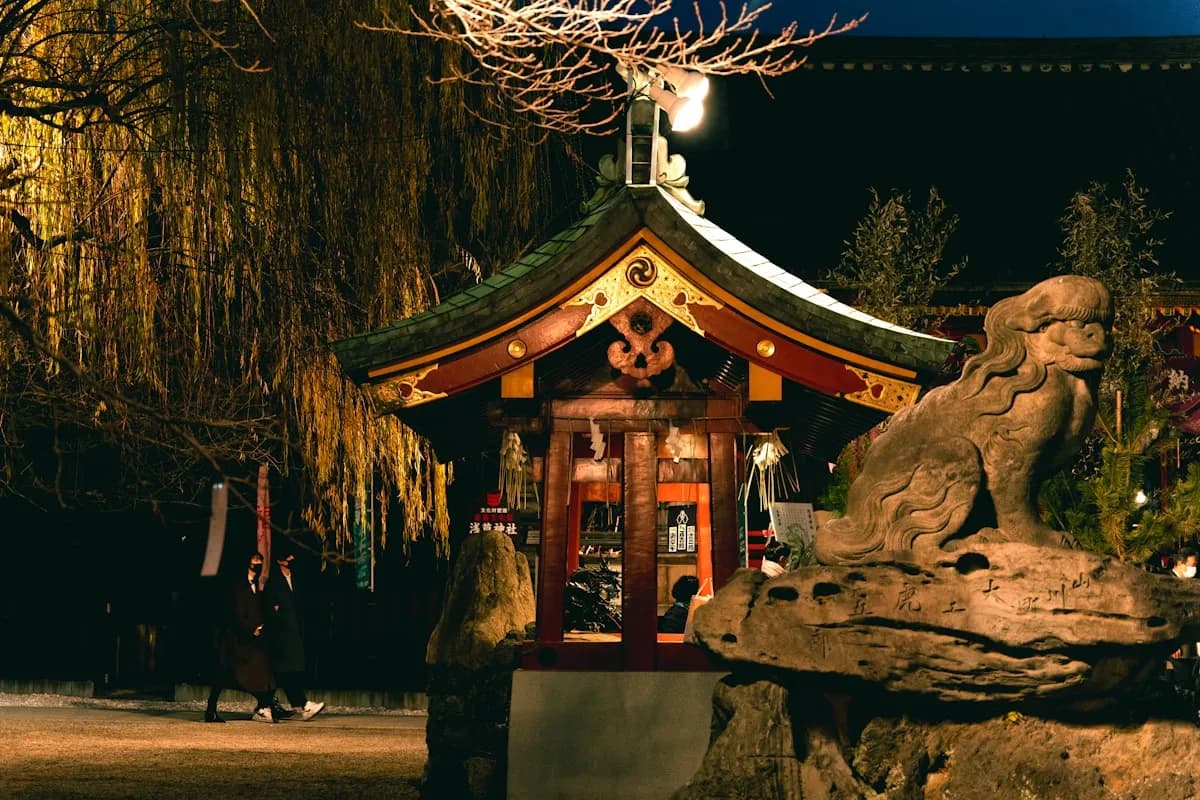
While Sensoji Temple, as a Buddhist institution, doesn't observe this Shinto ritual, the nearby Asakusa Shrine (浅草神社)—home of the famous Sanja Matsuri—sets up its chinowa ring in late June. The shrine's intimate courtyard, nestled beside the grand temple complex, provides a contemplative contrast to the bustling Nakamise shopping street just steps away.
What makes experiencing this ritual in Asakusa particularly special is the neighborhood's deep connection to Edo-period traditions. The working-class merchants and artisans of old Edo took these purification rites seriously, believing that spiritual cleanliness was essential for business success and family harmony. Walking through the chinowa at Asakusa Shrine, you're participating in a practice that local families have observed for centuries.
For those wanting to explore beyond Asakusa, Torigoe Shrine (鳥越神社), just a fifteen-minute walk north, also holds elaborate Nagoshi no Harae ceremonies. This lesser-known shrine, famous for its June festival featuring Tokyo's heaviest portable shrine, offers a more local, less touristy experience of the ritual.
Minazuki: The Sweet Taste of Summer Purification
No discussion of Nagoshi no Harae is complete without mentioning minazuki (水無月), the traditional confection eaten on June 30th. This triangular wagashi consists of a chewy uiro (rice flour) base—typically white, representing purity—topped with glistening azuki (red beans).
The symbolism is profound: the triangle represents a shard of ice, recalling an ancient court ritual where ice stored in mountain cellars was brought to the imperial palace on the last day of June to ward off summer's heat. Commoners, unable to afford such luxury, created this sweet as a symbolic substitute. The red azuki beans serve double duty—their color is believed to repel evil spirits and illness.
In Kyoto, eating minazuki on June 30th is practically mandatory, but the tradition has spread throughout Japan. In Asakusa, look for minazuki at traditional wagashi shops in late June. Pair it with a bowl of matcha, and you've created your own personal purification ritual—sweetness and bitterness in perfect balance, cleansing the palate as the chinowa cleanses the spirit.
Natsumoude: The Modern Revival of Summer Worship
In 2014, Asakusa Shrine launched an initiative called Natsumoude (夏詣, "summer worship"), envisioning it as a warm-weather counterpart to Hatsumode (初詣), the traditional New Year's shrine visit. Held from July 1st through 7th, Natsumoude encourages visitors to begin the year's second half with gratitude and renewed intention.
This movement has now spread to hundreds of shrines and temples across Japan, but Asakusa remains its birthplace. If you miss the June 30th chinowa-kuguri, arriving in early July allows you to participate in Natsumoude—receiving special seasonal goshuin (temple stamps), experiencing evening illuminations, and joining in prayer services designed to carry the spirit of purification into the summer months.
Connecting Purification to the Table: Seasonal Eating as Spiritual Practice
The philosophy underlying Nagoshi no Harae—that regular cleansing maintains harmony between body, spirit, and nature—extends naturally to Japanese food culture. This is why seasonal eating matters so deeply in Japan: consuming foods at their peak isn't merely about flavor, but about aligning yourself with the natural world's rhythms.
In late June, this means embracing ayu (sweetfish), now in its prime; enjoying cold somen noodles to cool the body; and seeking out shiso (perilla) and myoga (Japanese ginger) for their refreshing, purifying qualities. At Sushi & Matcha, our sushi classes emphasize this seasonal awareness—understanding that the fish you're preparing today connects you to the ocean's current rhythms, just as the chinowa connects you to ancient spiritual cycles.
Learning to make sushi in Asakusa during late June offers a unique opportunity: you can experience the chinowa-kuguri at Asakusa Shrine, taste minazuki at a local wagashi shop, and then learn to prepare seasonal sushi—three layers of Japanese tradition, each concerned in its own way with purity, seasonality, and renewal.
Practical Information for Nagoshi no Harae 2026
When: Chinowa rings typically appear at shrines from mid-June and remain until July 7th. The main purification ceremony occurs on June 30th, often in the late afternoon or evening.
Where in Asakusa:
- Asakusa Shrine: Main ceremony on June 30th evening; chinowa available for self-service walking throughout the day
- Sensoji Temple: As a Buddhist temple, does not observe this Shinto ritual, but makes a beautiful companion visit
What to bring: Nothing required, but many visitors purchase hitogata (人形, paper human figures) at the shrine. You write your name and age on this paper doll, rub it over your body to transfer impurities, then return it to the shrine for ritual purification.
Etiquette: Approach the chinowa with respect—this is a sacred act, not just a photo opportunity. Bow before and after passing through. If unsure of the walking pattern, watch others first or ask shrine staff.
A Threshold Between Seasons
Standing before a chinowa ring as twilight settles over Asakusa, you become aware of something profound: you're not just walking through woven grass, but stepping across a threshold in time. The year's first half—with its joys and disappointments, its accumulated fatigue and small regrets—remains on one side. On the other lies summer, fierce and full of possibility, ready to be met with a cleansed spirit.
This is the gift of Nagoshi no Harae: a ritual pause in our relentless forward motion, an acknowledgment that sometimes we need to let go before we can move ahead. Whether you're a spiritual seeker or simply a curious traveler, passing through that ring in Asakusa connects you to something ancient and ongoing—a tradition that has helped millions of people mark the year's turning and step, renewed, into whatever comes next.
Planning to visit Asakusa in late June? Consider combining your purification experience with a morning sushi-making class in Asakusa, learning to prepare seasonal ingredients with the same mindfulness that underlies the Nagoshi no Harae ritual.
Related Articles
Iriya Asagao Matsuri: Tokyo's Beloved Morning Glory Festival and the Art of Japanese Summer Cool
Discover the Iriya Asagao Matsuri, a 120-year-old tradition where thousands of morning glories transform Tokyo's streets into a living canvas of summer beauty, just steps from Asakusa.
Ayu: The Fragrant River Fish That Heralds the Arrival of Japanese Summer
Discover ayu, Japan's beloved sweetfish that becomes available each June. Learn why this delicate river fish holds such cultural significance and how to experience its unique flavor during your Tokyo visit.
Torigoe Matsuri: Tokyo's Mightiest Mikoshi and the Soul of Shitamachi Summer
Experience the thunderous Torigoe Matsuri, where Tokyo's heaviest portable shrine weighs in at four tons and navigates narrow alleyways in an electrifying display of shitamachi spirit.