Ayu: The Fragrant River Fish That Heralds the Arrival of Japanese Summer
As June arrives in Japan, a quiet excitement ripples through the culinary world. Rivers across the country lift their fishing bans, and a slender, silver fish begins its annual appearance on menus from humble riverside stalls to Michelin-starred restaurants. This is ayu season—a time when Japanese cuisine celebrates one of its most treasured seasonal ingredients.
Popular in Tokyo right now — our most recommended experience
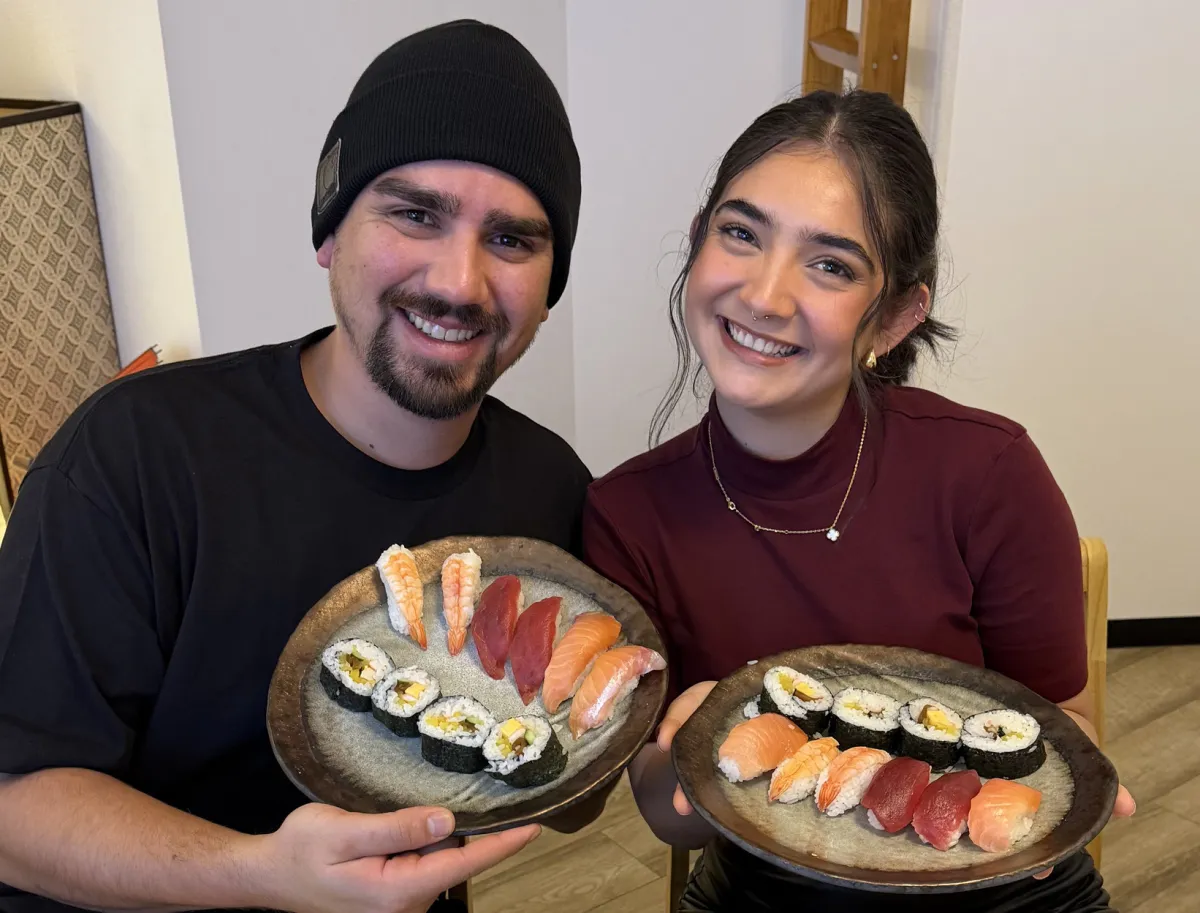
Tokyo Sushi Making Class : Sake Ceremony & Matcha Experience in Asakusa
The Queen of Clear Water
Ayu (鮎), known in English as sweetfish, holds an almost mythical status in Japanese food culture. Growing between 15 to 25 centimeters, this elegant fish earns its name from the subtle sweetness of its flesh—a flavor that comes from its unique diet of river algae and diatoms. Japanese poets have long called ayu "the queen of clear water," referencing both its preference for pristine mountain streams and its refined, delicate taste.
What makes ayu truly special is its ephemeral nature. The fish has one of the shortest lifespans in Japanese cuisine, living only about a year. Born in autumn, young ayu spend winter in the sea before swimming upstream in spring. By June, they've reached their peak condition, their bodies plump with nutrients stored for the coming spawning season.
A Millennium of Tradition
The relationship between Japanese people and ayu stretches back over a thousand years. Historical records from the Nara and Heian periods document ayu fishing as both sustenance and sport. The imperial court considered ayu a gift worthy of nobility, and fishing rights to prime ayu rivers were fiercely protected.
Perhaps no tradition better illustrates this reverence than ukai—cormorant fishing. In this ancient practice, fishermen use trained cormorants to catch ayu by moonlight, a technique dating back 1,300 years. The birds dive into the river, catching fish in their beaks, while rings around their necks prevent them from swallowing the larger catches. Today, you can still witness ukai on the Nagara River in Gifu, where it continues as both a working fishing method and a cultural treasure.
The Art of Shioyaki
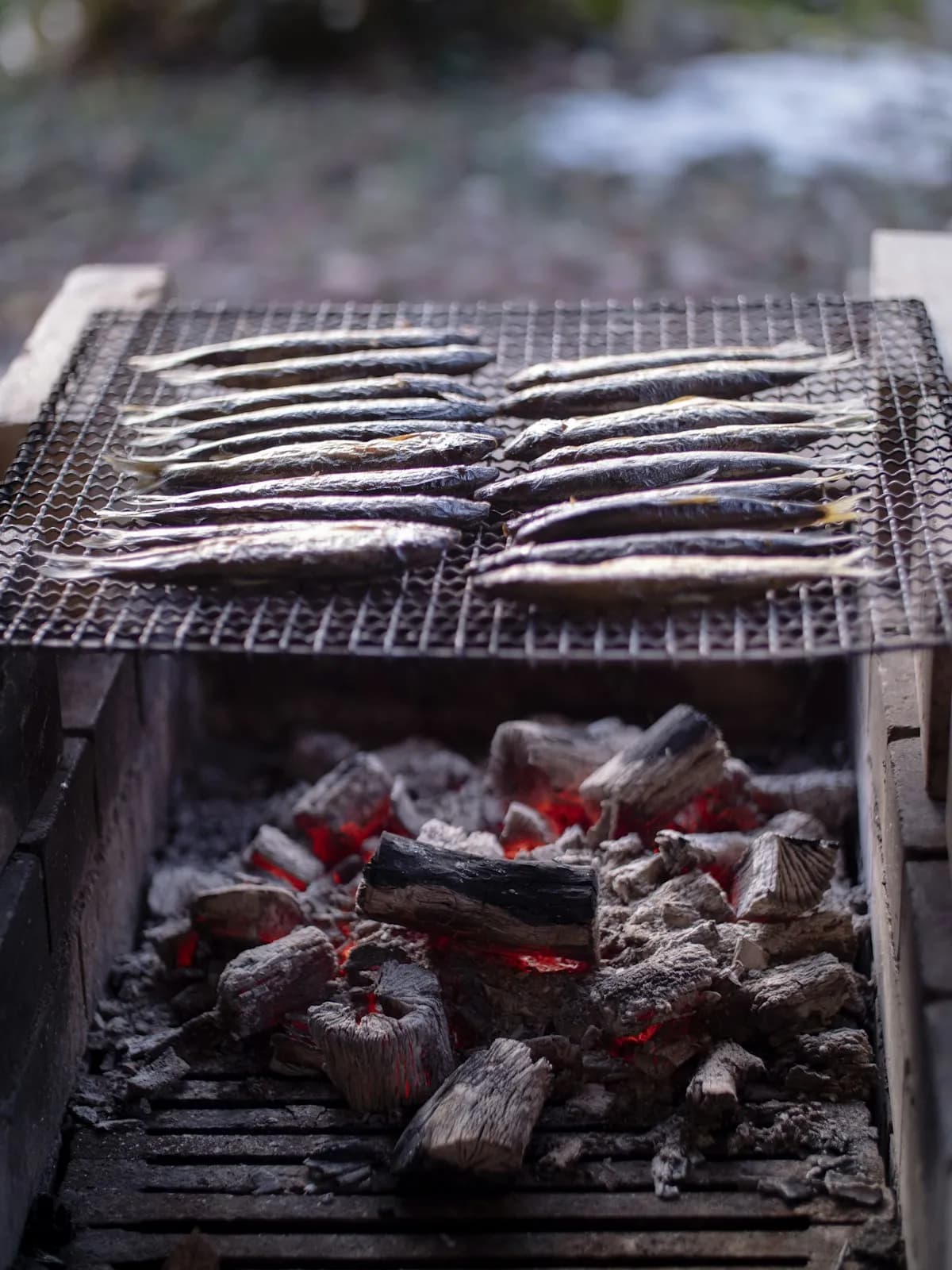
While ayu can be prepared in numerous ways, salt-grilling (shioyaki) remains the most revered. The technique appears simple but demands considerable skill. The fish is skewered in an "odori" style—curved to suggest movement, as if still swimming upstream. Coarse salt is applied generously to the fins and tail (both to prevent burning and to create a beautiful presentation), while a lighter seasoning covers the body.
The grilling itself is an exercise in patience. Over charcoal, the fish slowly cooks until the skin becomes crisp and golden while the flesh inside stays impossibly tender. The result is meant to be eaten whole—head, bones, and all. The bones of summer ayu are soft enough to eat, and consuming the entire fish is both traditional and practical, as ayu contains remarkable amounts of calcium—approximately 250mg per 100g, making it a nutritional powerhouse.
The first bite of properly grilled ayu is revelatory. There's that famous sweetness, yes, but also notes of cucumber and melon from the algae diet, a slight bitterness from the organs that adds depth, and the satisfying crunch of perfectly crisped skin.
Experiencing Ayu in Tokyo
While ayu is traditionally associated with countryside rivers, Tokyo offers excellent opportunities to experience this seasonal delicacy. The fish appears on kaiseki menus across the city starting in June, with restaurants proudly announcing the arrival of the season's first catch.
For those seeking an immersive experience, consider combining a seasonal Japanese meal with hands-on learning. Understanding the philosophy of shun—eating ingredients at their peak moment—transforms how you appreciate Japanese cuisine. At a sushi making class, you can learn how seasonal awareness shapes every aspect of traditional Japanese cooking, from ingredient selection to presentation.
The Tokyo area's Tama River historically supported wild ayu populations, and efforts to restore the river's ecosystem have brought small numbers of sweetfish back to waters remarkably close to the city center. While commercial fishing isn't practical, the river's recovery symbolizes Japan's ongoing commitment to preserving its culinary heritage.
Beyond Salt-Grilling
While shioyaki showcases ayu at its purest, Japanese cuisine has developed numerous preparations that highlight different aspects of the fish:
Ayu-meshi combines grilled sweetfish with steamed rice, allowing the fish's flavors to permeate each grain. The golden-brown fish sits atop white rice, creating a dish that's as visually stunning as it is delicious.
Ayu no sashimi requires the freshest possible fish, sliced thin and served with soy sauce and wasabi. This preparation emphasizes the fish's natural sweetness and silky texture.
Dengaku style sees the fish grilled with sweet miso glaze, creating a richer, more complex flavor profile that pairs beautifully with sake.
Kanroni is sweetfish simmered in a sweet soy-based sauce until the bones become soft enough to eat easily—a popular preparation for enjoying ayu in autumn when the fish are past their prime but still flavorful.
A Window into Japanese Culinary Philosophy
Perhaps more than any other ingredient, ayu embodies the Japanese concept of shun. This philosophy extends far beyond simply eating seasonal ingredients—it's about experiencing foods at their absolute peak, when nature has concentrated the maximum flavor and nutrition into each bite. Learning to recognize and appreciate shun is fundamental to understanding Japanese cuisine.
This same philosophy guides the Japanese culinary experience at every level. Whether you're learning to prepare sushi or exploring the art of matcha, seasonal awareness forms the foundation of authentic Japanese cooking.
For visitors to Tokyo this June, seeking out ayu offers more than just a delicious meal—it provides a connection to centuries of tradition, a lesson in seasonal eating, and a reminder that some of life's greatest pleasures are available only briefly, making them all the more precious.
Practical Tips for Ayu Season
The ayu season typically runs from June through August, with early summer fish considered the finest. When ordering at restaurants, look for wild ayu (天然鮎 / tennen ayu) rather than farmed (養殖 / yoshoku), though farmed fish can still be excellent and is considerably more affordable.
If you're new to eating whole fish, start with the body meat before working toward the head and tail. The soft bones are completely edible and provide significant calcium. The slight bitterness of the internal organs is intentional and considered part of the complete flavor profile.
Pair your ayu with sake—specifically, a light, crisp junmai that won't overwhelm the fish's delicate sweetness. The combination of grilled ayu and chilled summer sake represents Japanese seasonal dining at its finest.
Visiting Tokyo this summer? Deepen your understanding of Japanese seasonal cuisine with a hands-on cooking experience in the heart of Asakusa. Our classes teach the philosophy and techniques behind Japan's remarkable food culture.
Related Articles
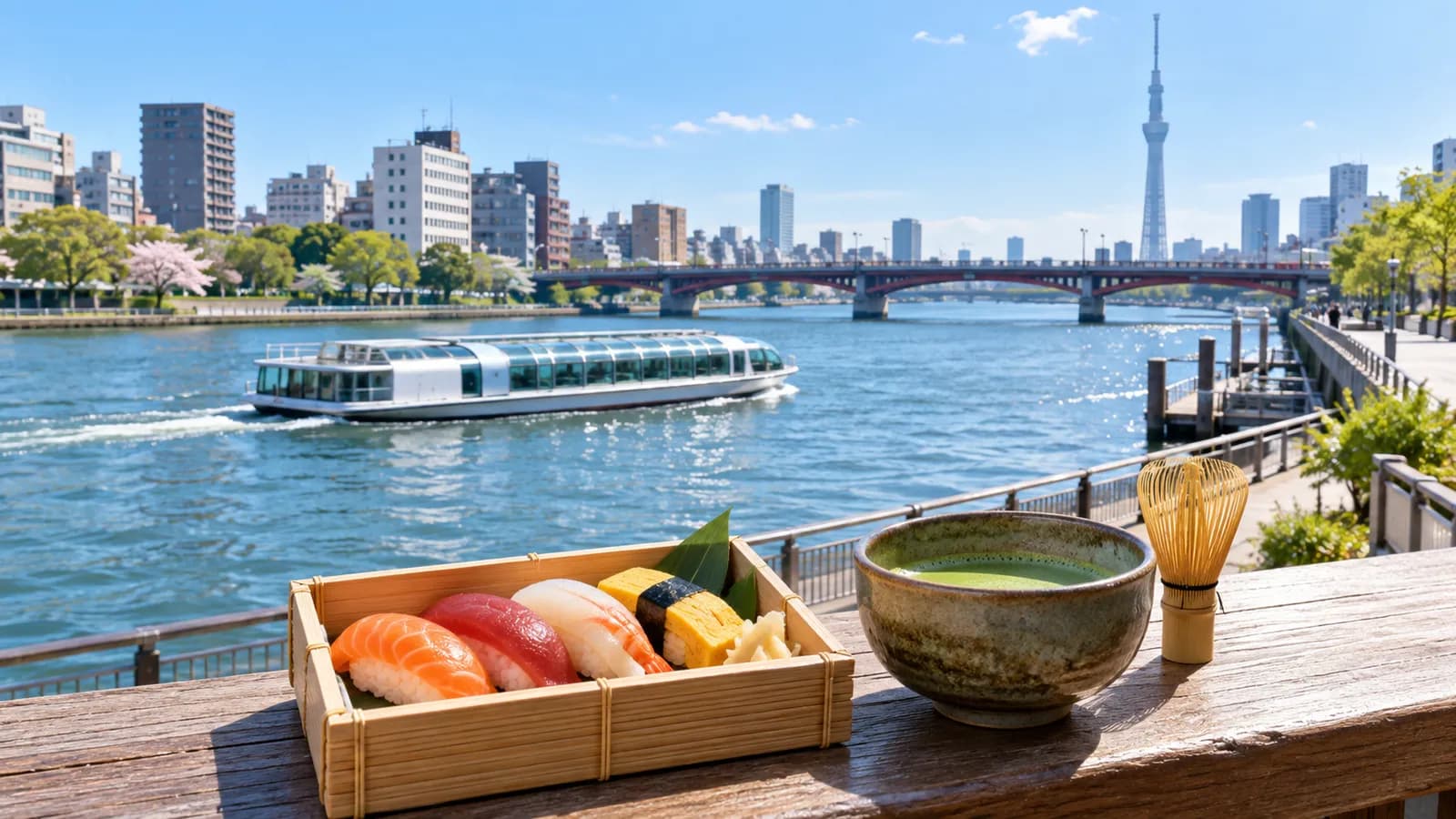
Sumida River Cruise and a Sushi Class
Combine a Sumida River water bus from Asakusa with a sushi class: which order works, how long to allow, and what to check before you board.
Iriya Asagao Matsuri: Tokyo's Beloved Morning Glory Festival and the Art of Japanese Summer Cool
Discover the Iriya Asagao Matsuri, a 120-year-old tradition where thousands of morning glories transform Tokyo's streets into a living canvas of summer beauty, just steps from Asakusa.
Nagoshi no Harae: The Ancient Summer Purification Ritual That Cleanses Your Soul in Asakusa
Discover the sacred Nagoshi no Harae ceremony on June 30th, where walking through a giant grass ring purifies the soul. Learn about the chinowa-kuguri ritual, the mystical minazuki sweet, and how to experience this profound tradition in Asakusa.