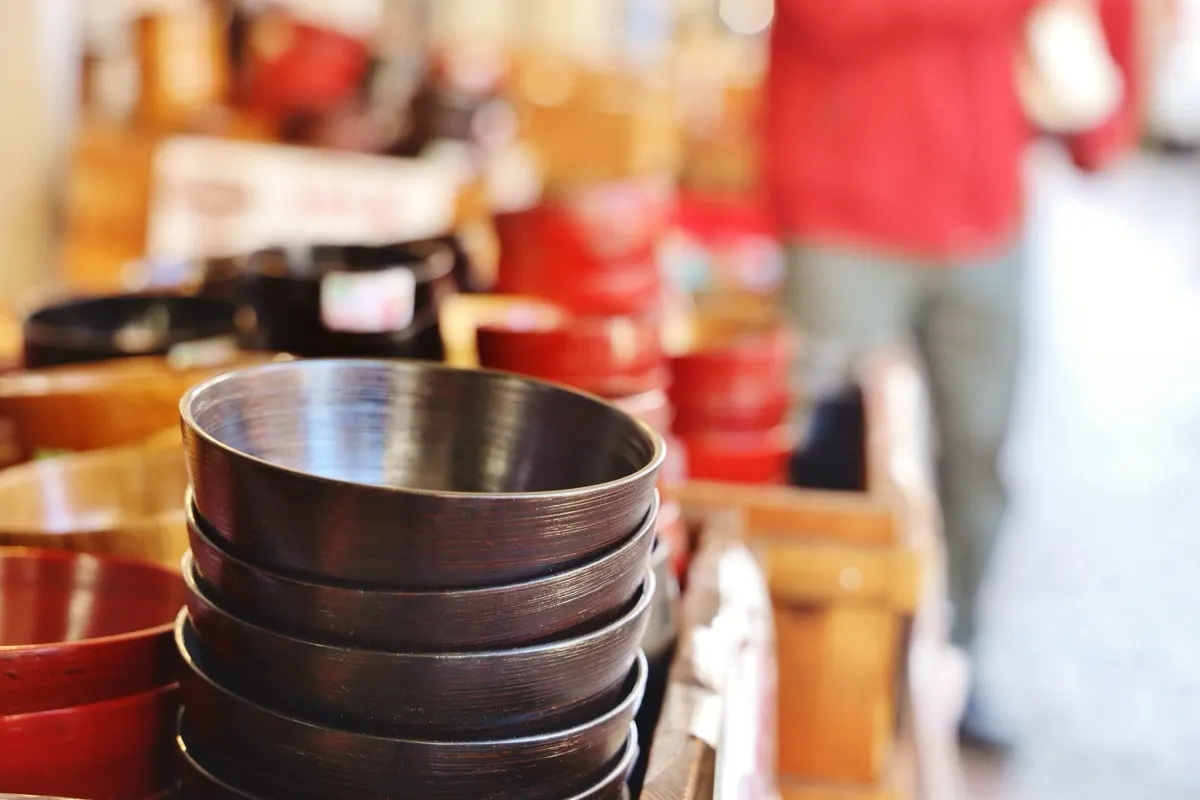
Kappabashi and a Sushi Class in Asakusa
Kappabashi Kitchenware Town and a hands-on sushi class answer two sides of the same curiosity. One lets you browse the tools, tableware and food models used across Japanese hospitality; the other lets you work with ingredients and techniques yourself. They fit naturally into one Asakusa day, but only if the fixed appointment controls the plan.
Our signature sushi and matcha class in Asakusa lasts 90 minutes, and guests should arrive 10 minutes before the booked start. Kappabashi is a shopping district rather than one attraction with one schedule. Store hours and closed days vary, so confirm any must-visit shop directly and keep your browsing flexible.
Popular in Tokyo right now — our most recommended experience
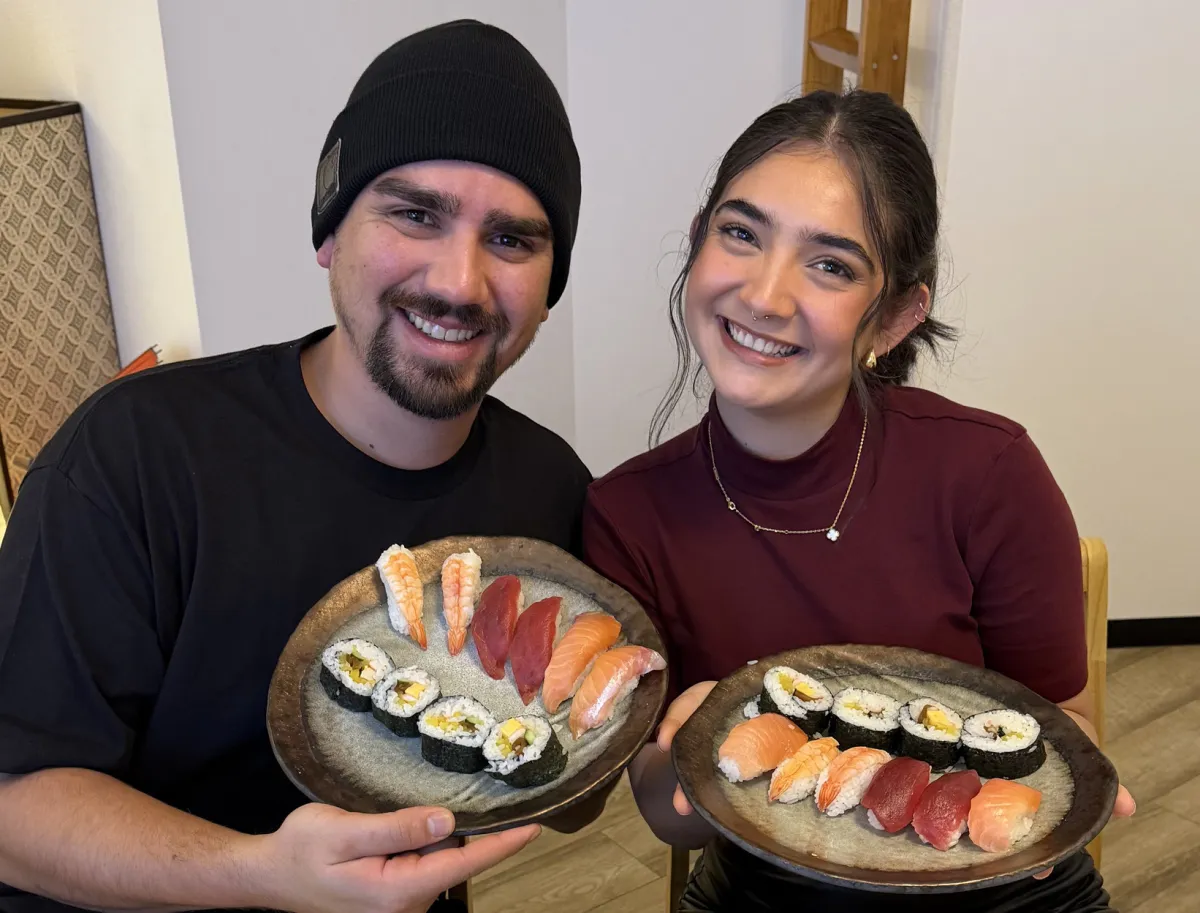
Tokyo Sushi Making Class : Sake Ceremony & Matcha Experience in Asakusa
Start with the fixed time
Choose the live class session first. Block the 90-minute experience plus early arrival, then place Kappabashi before or after it. Do not begin with an old itinerary that assumes a particular morning or afternoon session is available.
The class time is firm; shopping expands. A planned 30-minute browse can become two hours when you compare knives, bowls or food samples. Set a leave time on your phone if you visit Kappabashi first. If you shop afterwards, keep enough of the store day available rather than assuming every business stays open into the evening.
The Tokyo tourism authority lists Kappabashi within walking distance of Asakusa and gives Tawaramachi Station on the Ginza Line as a nearby access point. That makes the combination practical, but “walkable” is not an arrival guarantee. Crowds, weather, navigation and stops all change the time you need.
Option 1: Kappabashi before the class
Shopping first works best when there is a particular store or item you care about. You can browse while you are fresh, then make the class the clear endpoint of that part of the day.
Use three safeguards:
- Check the individual shop's opening day and hours close to your visit.
- Decide your Kappabashi departure time before entering the first store.
- Aim to reach the studio earlier than the requested 10-minute arrival buffer.
The risk is not the distance; it is losing track of time. Knife consultations, tax-free paperwork and careful packing can take longer than expected. If buying something matters, complete that purchase early and treat any further browsing as optional.
Carry only what you can manage comfortably in a working classroom. The studio has luggage storage, but unusually large, fragile or valuable purchases deserve advance discussion. Keep receipts, blade documentation and airline packing rules in mind if you buy a Japanese knife; those rules depend on your carrier and destination, so check them yourself rather than relying on a shop anecdote.
Option 2: the class before Kappabashi
Class first is usually calmer for travellers who dislike watching the clock. Once the fixed appointment is complete, you can browse without worrying about missing the start.
It also changes how you shop. After shaping nigiri and maki and whisking matcha, you may better understand which small tools you would actually use at home. The participant recipe can help you distinguish a useful purchase from a decorative souvenir.
The trade-off is shop timing. Kappabashi businesses operate independently, and hours and closed days vary. Before booking a later class followed by shopping, verify that your priority stores will still be open. If they will not, shop first or separate the activities across two days.
For the wider question of how a class fits around meals and sightseeing, see our guide to how long a sushi class takes in a Tokyo itinerary. This guide stays focused on Kappabashi.
What to look for without turning the day into a checklist
Kappabashi is known for professional and home kitchenware, ceramics, lacquerware, knives and realistic food models. You do not need to buy professional equipment to make the visit worthwhile. Looking at bowl sizes, serving plates, bamboo tools and shop displays can make the later class feel more connected to the working food culture around it.
Pick one or two categories before you arrive:
- a compact tool you will use at home;
- tableware that can be packed safely;
- a food-model souvenir; or
- simply photographs and ideas, with no purchase required.
If your priority is learning rather than shopping, protect the class energy and keep Kappabashi short. If the shops are a major reason for your day, give them the larger block and choose the class session around it.
Bags, weather and food planning
Wear comfortable shoes and keep both hands reasonably free. Rain makes paper bags and boxed ceramics harder to manage, while summer heat makes a long shopping walk more tiring. Our rainy-day Asakusa sushi class plan offers a more weather-focused alternative.
The sushi you make is eaten during the class, so avoid scheduling a large meal immediately before simply because you are in a food district. Appetite differs, and the class page—not this article—is the source for the current menu. Our guide to planning meals around a sushi class helps with that part of the day.
If you buy a knife, do not bring it out during class and do not assume it can go in hand luggage for your flight. Keep it packed according to the seller's guidance, then check current airline and destination rules. The class supplies all tools, so a purchase is never needed for participation.
A flexible sample plan
Instead of fixed clock times, use blocks:
- Before the fixed session: travel to Asakusa, visit priority Kappabashi shops, and stop browsing at your preset departure time.
- Arrival block: navigate to the studio and arrive at least 10 minutes before class.
- Class block: allow 90 minutes for sushi making, eating, sake or a non-alcoholic drink, and matcha.
- After the session: return to Kappabashi only if verified shops remain open, or continue elsewhere in Asakusa.
Reverse the first and last blocks if a class-first day feels safer. The key is to avoid treating both shopping and the class as open-ended.
Confirm both parts before you go
Check Kappabashi information and individual shop schedules close to the visit. For the class, use live availability for your exact date and party size, read the booking terms and save the confirmation directions.
When the fixed session is chosen, open the signature sushi and matcha class page and build the shopping block around the time you actually book. That order gives you a day with room to browse—and a much lower chance of running through Asakusa carrying bowls five minutes before class.
Related Articles
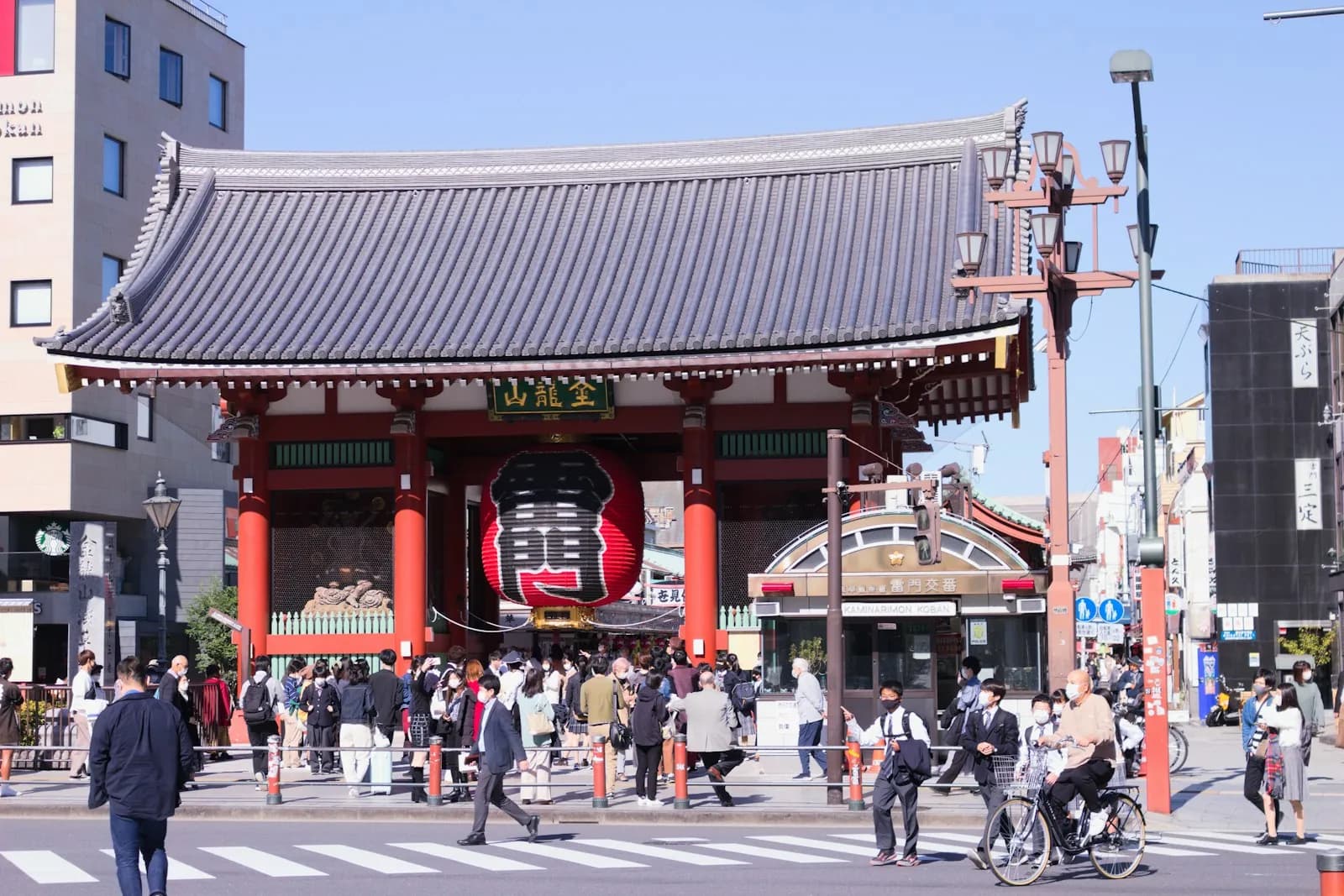
Tokyo Skytree and a Sushi Class in One Day
Plan Tokyo Skytree and a 90-minute sushi class in Asakusa on one day, with the right order, train route and time buffers.
Senso-ji and a Sushi Class on the Same Day
Plan Senso-ji and a 90-minute sushi class in Asakusa on the same day: temple first or class first, when to arrive, and what to check before you go.
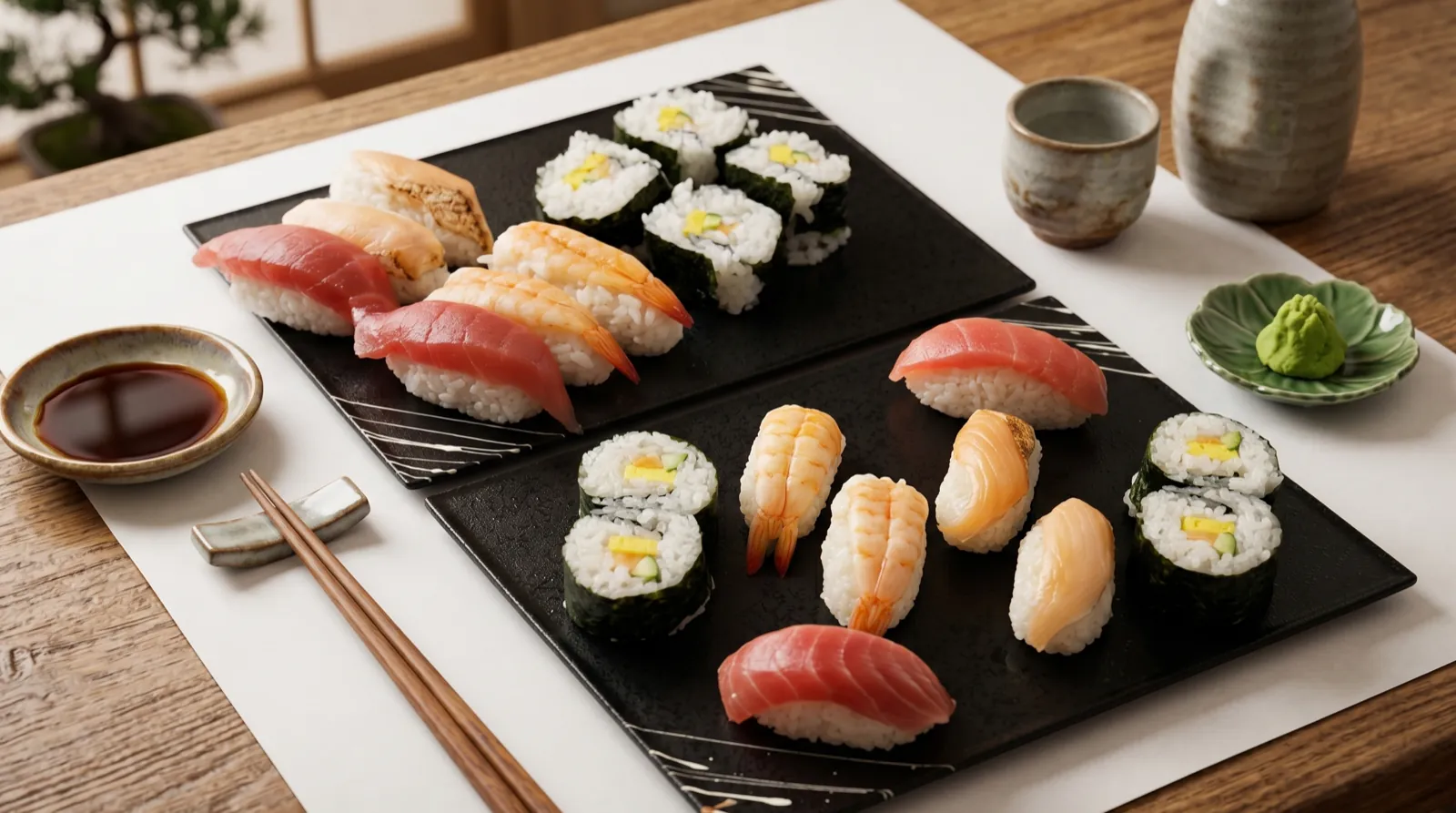
How to Plan Meals Around a Sushi Class
You eat the sushi you make in our 90-minute Asakusa class. Here is how to think about breakfast, lunch, dinner and sightseeing around it without overplanning.