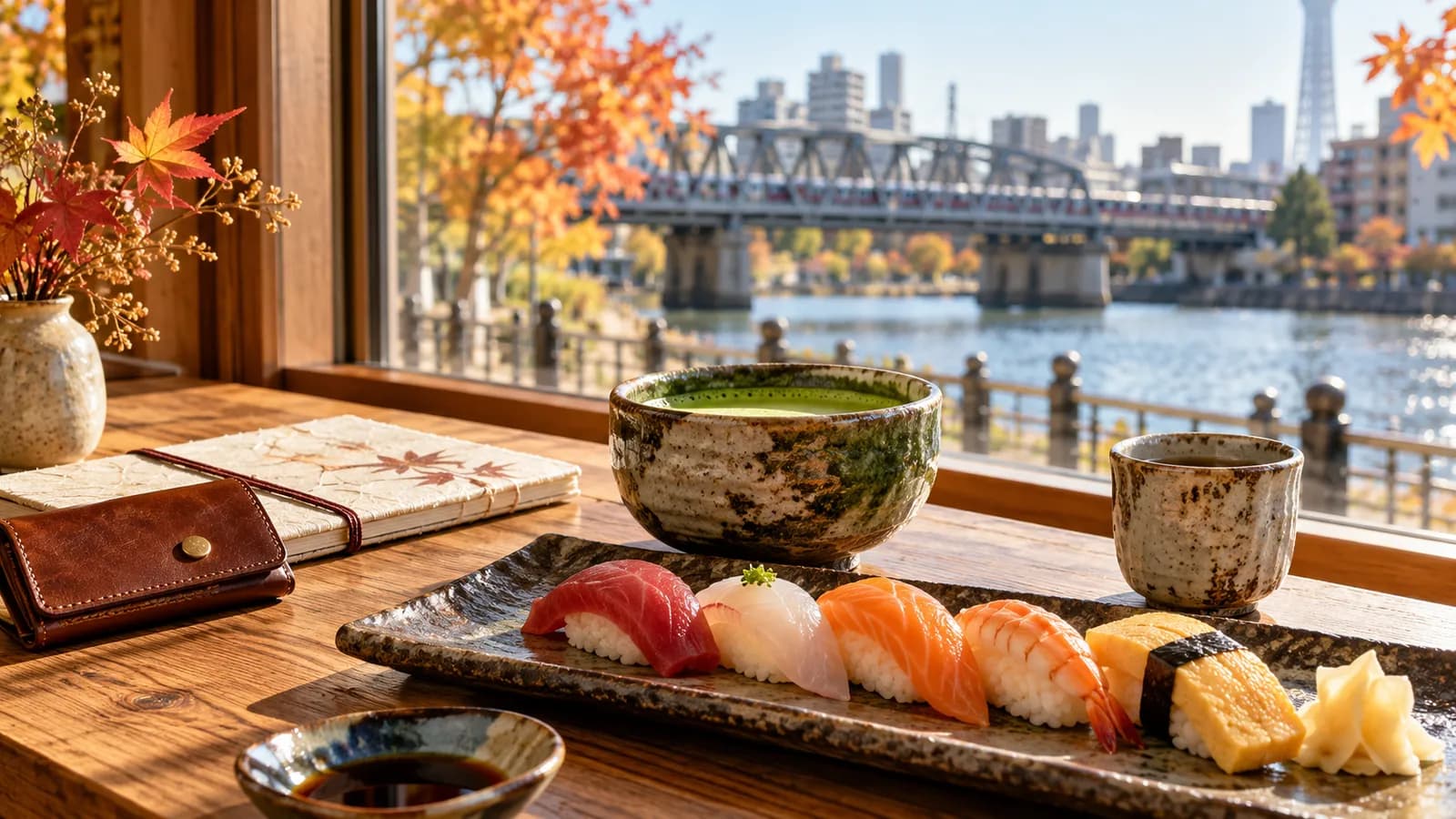
Kuramae and a Sushi Class in One Day
Most visitors to Asakusa see Senso-ji, walk Nakamise Street and move on. Just to the south, along the Sumida River, is Kuramae — a quieter neighbourhood known for small workshops, independent shops and cafés. It is close enough to walk from Asakusa, which makes it an easy partner for a sushi class on the same day.
This guide explains how to get between the two areas, how to time the walk around the class and two simple ways to plan the day.
Popular in Tokyo right now — our most recommended experience
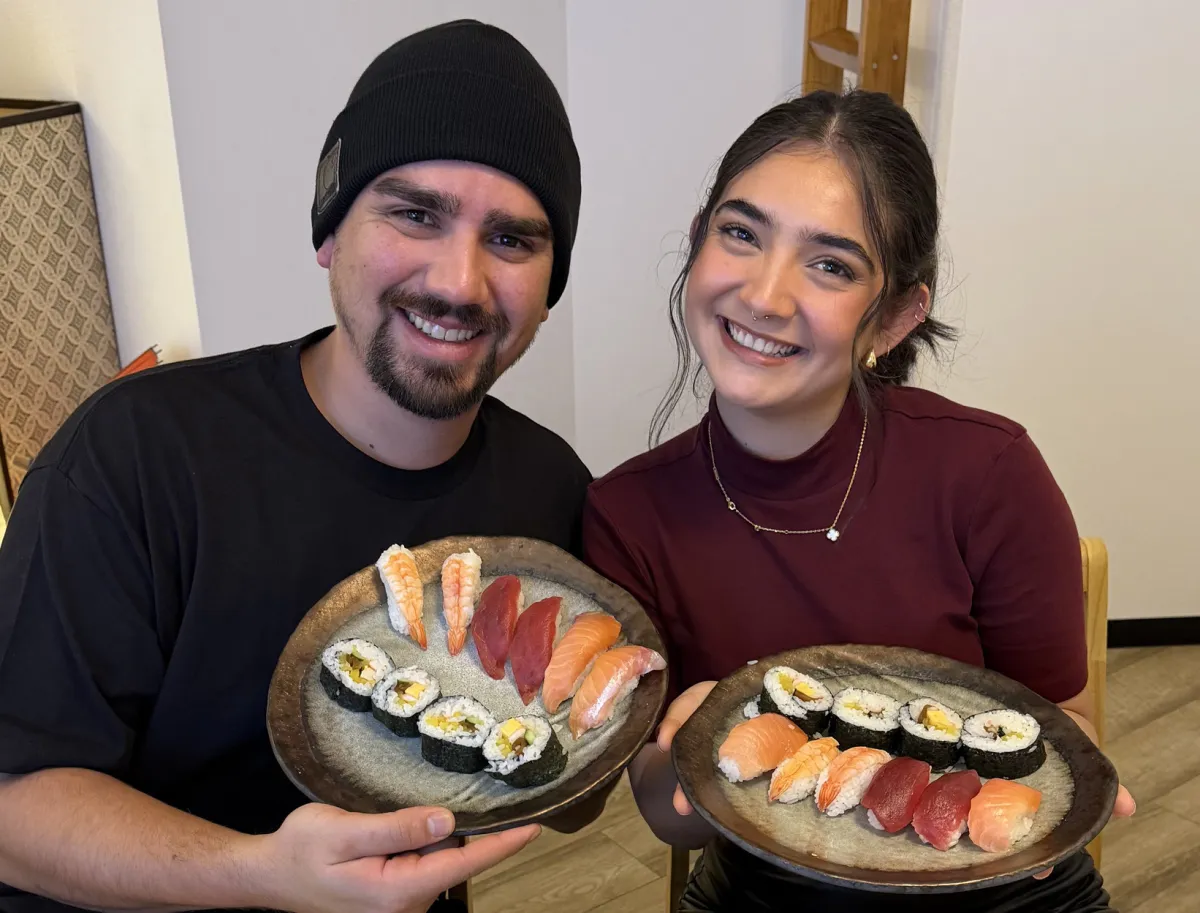
Tokyo Sushi Making Class : Sake Ceremony & Matcha Experience in Asakusa
What Kuramae is like
Kuramae's name refers to the rice storehouses of the Edo-period shogunate that once stood along the river here. Today it is a working neighbourhood rather than a single sight. Over the past years it has become known for makers and small businesses: stationery, leather goods, homeware, coffee roasters and bakeries, often in modest buildings on side streets.
That also means there is no fixed route and no ticket to buy. Many shops are small and independently run, so opening days and hours vary, and some close on particular weekdays. If there is a shop you especially want to visit, check its hours directly before your trip rather than relying on a list you found online.
Getting between Asakusa and Kuramae
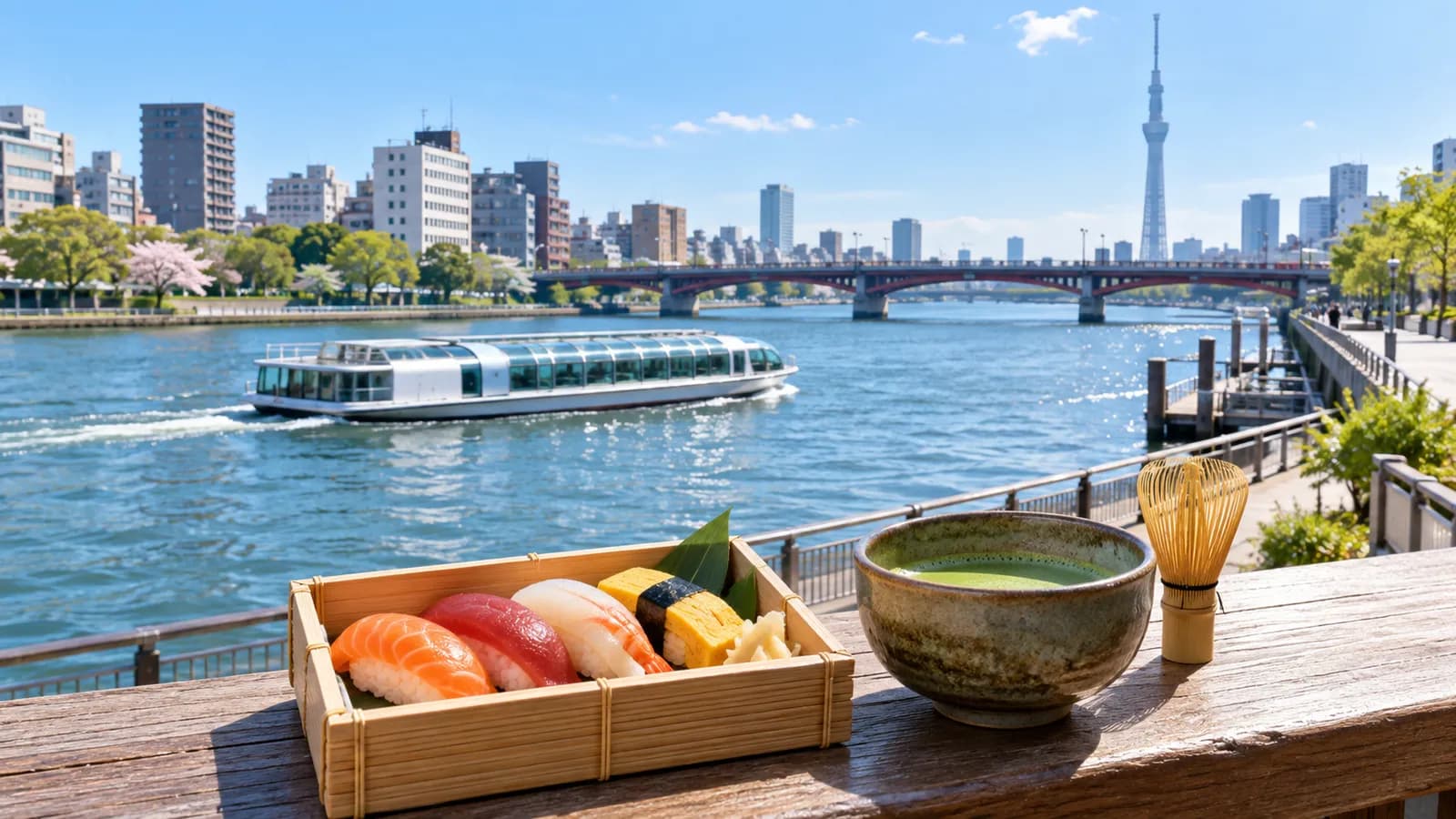
On foot. Kuramae is roughly a 20-minute walk south of the studio, depending on where you are heading. You can walk along the main road or, for a calmer route, follow the riverside walkway along the Sumida River for part of the way. The riverside is pleasant in good weather and gives you views of the bridges.
By train. Kuramae Station on the Toei Asakusa Line is one stop from Asakusa. At Asakusa Station, the Toei Asakusa Line exit closest to the studio is Exit A5, about a five-minute walk. If you are tired after shopping or it is raining, the train saves the walk back. Our guide to getting from Asakusa Station to the class covers each line and exit, and the access page has the current map.
Build the day around the class time
The signature sushi and matcha class lasts about 90 minutes. You learn to make nigiri and maki, share a sake toast (water and green tea are available instead), eat everything you make and whisk your own bowl of matcha. Guests are asked to arrive 10 minutes before the start.
Kuramae is a place for browsing, and browsing expands. If you visit before the class, decide when you will leave Kuramae, not only when the class starts. Allow for the walk or train ride, finding the studio and the 10-minute arrival buffer. Leaving Kuramae about 30 to 40 minutes before the class start is comfortable if you walk. Our article on how long a sushi class takes explains how to protect the full 90 minutes.
Plan A: Asakusa morning, Kuramae afternoon
This order suits most travellers, because small shops tend to open later than the temple grounds.
- Morning: Senso-ji and Nakamise Street before the largest crowds, about five minutes on foot from the studio.
- Late morning or midday: the sushi class, which doubles as lunch.
- Afternoon: walk south along the river to Kuramae for shops, coffee and a slower pace, then take the Toei Asakusa Line or walk onward.
Because you eat what you make, you will not need a separate lunch. A coffee or something sweet in Kuramae later in the afternoon fits well. Our guide to planning meals around a sushi class has more on timing meals.
Plan B: Kuramae first, sushi in the afternoon
If you are staying south of Asakusa or prefer a quiet start, reverse the order. Have a late breakfast or coffee in Kuramae, browse a few shops once they open, then walk north along the river to the studio for an afternoon class. Finish the day at Senso-ji, whose grounds are pleasant to walk through in the late afternoon and evening, even after the main hall has closed.
Keep the Kuramae part short enough that you are not rushing. It is easy to lose half an hour in one shop choosing a notebook or a leather wallet.
Pairing it with other nearby areas
Kuramae sits between Asakusa and other areas worth a visit. To the west of Asakusa, Kappabashi Kitchenware Town is known for Japanese knives, tableware and food models; our guide to Kappabashi and a sushi class explains how to combine that street with the class. If you would like to see the river from the water instead of the riverside path, the Sumida River cruise and sushi class guide covers water buses from Asakusa.
Trying to fit Kuramae, Kappabashi and a river cruise around a class on the same day is usually too much. Choose one to enjoy properly.
Small things that make the day easier
- Purchases. Handmade items can be fragile. If you shop before class, keep bags manageable; the studio has storage space for belongings and luggage, and it helps to mention large items when booking.
- Weather. The riverside walk has little shelter. On a rainy day, take the train between Asakusa and Kuramae, or see our rainy-day Asakusa plan.
- Photos. Taking pictures during class is welcome — just be considerate of other guests.
- Diet. List allergies or dietary requirements when booking, and the team can prepare suitable alternatives such as no raw fish or gluten-free soy sauce.
Book the class, keep the walk flexible
Kuramae can stretch to fill an afternoon or shrink to one coffee stop. The class cannot, because it starts at a set time. Once you have chosen your date, check live availability on the signature class page and book the session that fits, then plan the walk around it.
Related Articles
Akihabara and a Sushi Class in One Day
Combine Akihabara's electronics, anime and game shops with a sushi class in Asakusa. Direct train routes, timing and three easy plans for one day.
Ueno and a Sushi Class in One Day
Combine Ueno Park, museums or Ameyoko with a sushi class in Asakusa. Route, timing, museum closing days and sample plans for a relaxed day in Tokyo.
Sumida River Cruise and a Sushi Class
Combine a Sumida River water bus from Asakusa with a sushi class: which order works, how long to allow, and what to check before you board.