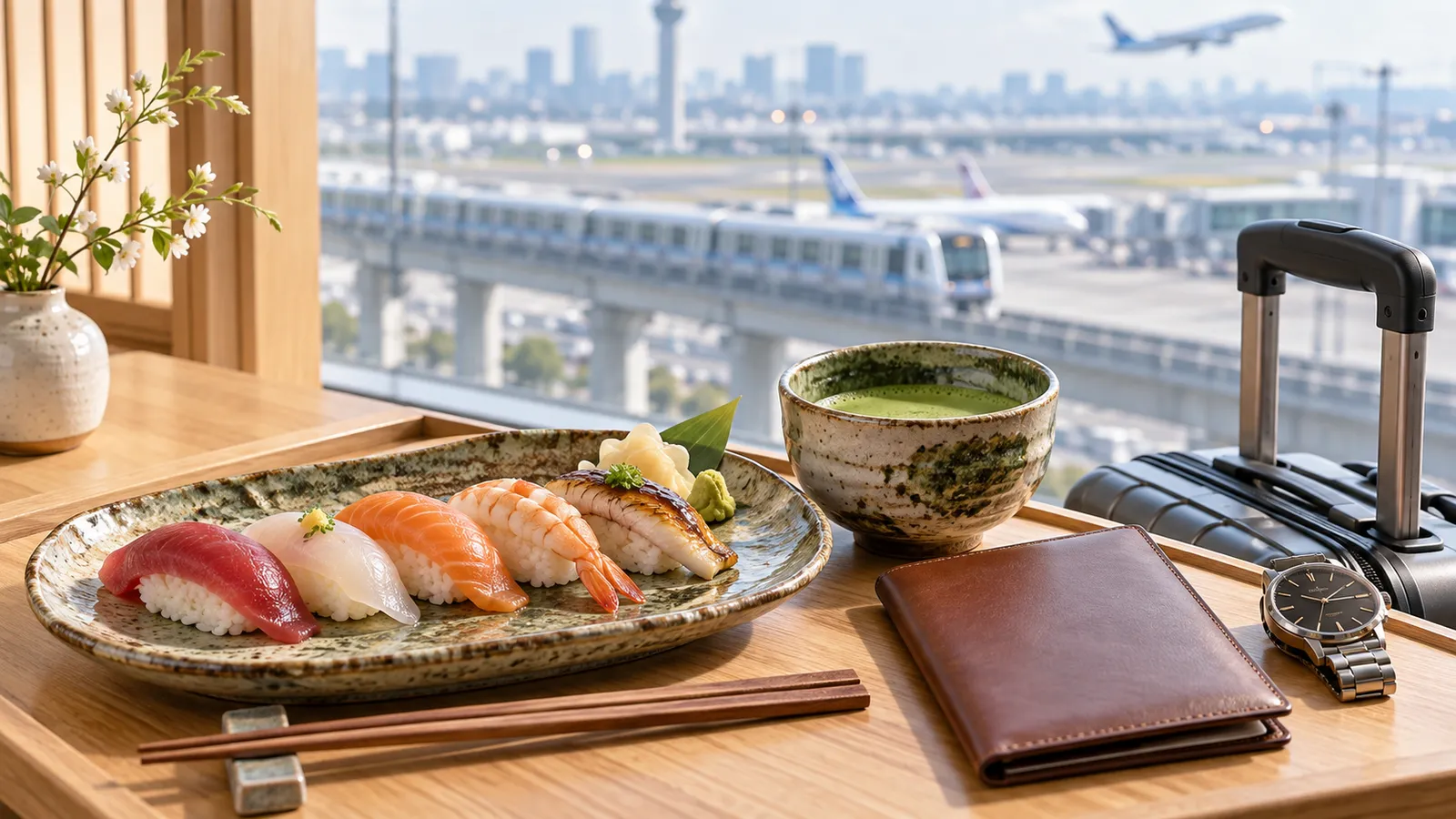
A Sushi Class on a Tokyo Layover
A long connection in Tokyo can feel like a waste of a day in one of the world's great food cities. Asakusa has direct train links to both Haneda and Narita, so some travellers use the gap to leave the airport, make sushi and come back for their next flight. It can work well, but a layover is less forgiving than an ordinary sightseeing day. You need to pass through immigration twice, ride the train both ways and still reach your departure gate with time to spare.
This guide helps you decide whether your layover is long enough for our signature sushi and matcha class, and how to plan it if it is. The class lasts about 90 minutes, is taught in English, and includes the sushi you make as a meal, a sake toast and matcha you whisk yourself. Rules and train times below come from official or operator sources; always check them again for your own trip.
Popular in Tokyo right now — our most recommended experience
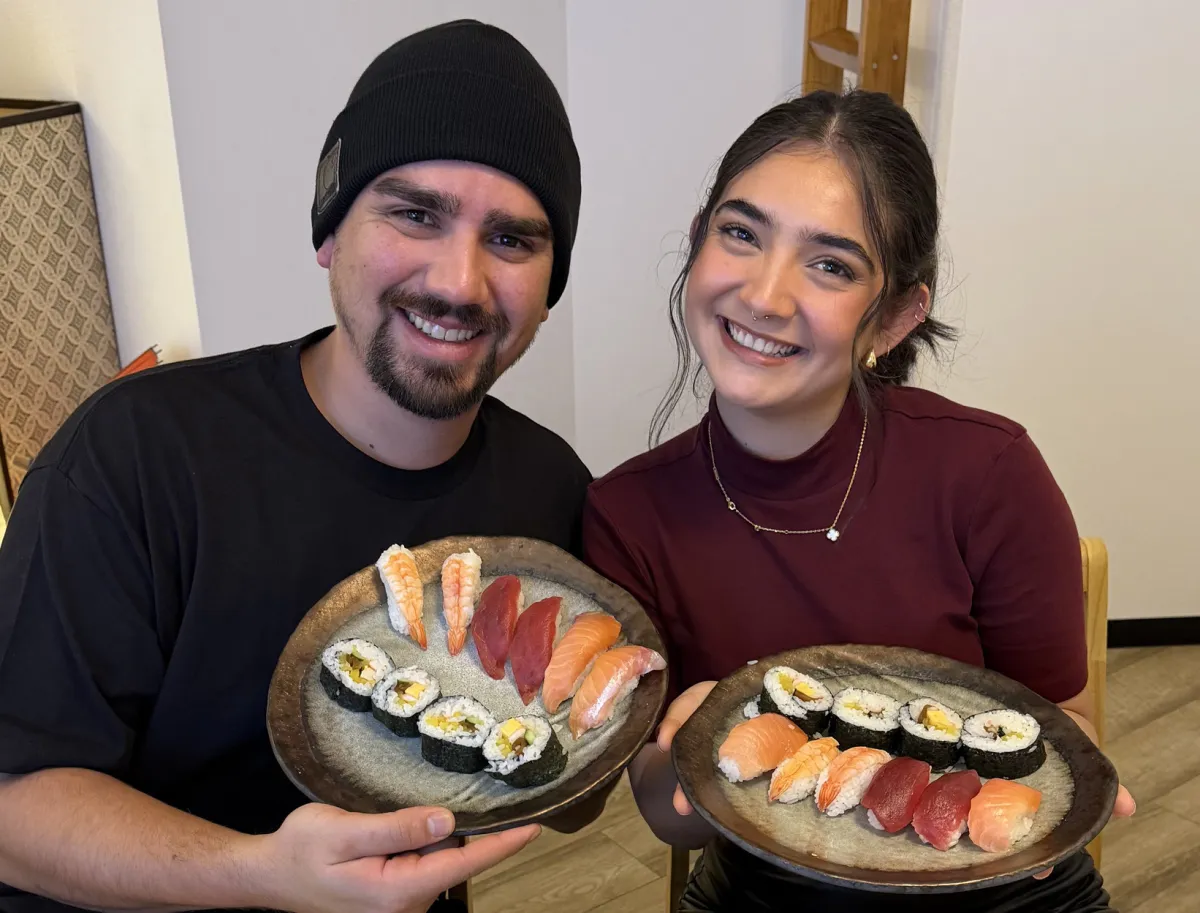
Tokyo Sushi Making Class : Sake Ceremony & Matcha Experience in Asakusa
First question: can you leave the airport?
To leave the airport you must go through Japanese immigration and customs. Whether you can do that, and on what terms, depends on your passport, not on your airline ticket.
- Visa-exempt travellers. Citizens of many countries can enter Japan for a short stay without a visa. Check the current list on the Ministry of Foreign Affairs of Japan site before you travel.
- Travellers who would otherwise need a visa. Japan's Immigration Control and Refugee Recognition Act allows an immigration inspector to grant permission for landing at a port of call, which lets some passengers continuing abroad stay near the airport for up to 72 hours. It is granted at the inspector's discretion and is not guaranteed. Ask your airline before you rely on it.
If you are not sure you can enter Japan, do not book a class for your layover. Book it for a longer visit instead.
Second question: is the layover long enough?
Work backward from your next departure, in this order:
- Your airline's check-in or boarding deadline for the onward flight. If you have to collect your bags and check in again, that adds time.
- Departure security and passport control at the airport.
- The train back to the airport. The Haneda airport access guide lists about 37 minutes between Terminal 1·2 and Asakusa; international flights usually use Terminal 3, one stop closer on the same Keikyu line. Keisei lists about 50 minutes between Asakusa and Narita Airport Terminal 2·3. Not every train runs through, so allow time for a transfer and for waiting on the platform.
- The walk from the studio to the station. Toei Asakusa Line Exit A5 is about a five-minute walk.
- The class. About 90 minutes, plus arriving 10 minutes before the start.
- The trip from the airport to the studio, after landing, taxiing, immigration, customs and, if needed, collecting bags.
Add the steps together, then add a generous margin for a late arrival or a queue. If the total leaves almost no spare time, the plan is too tight. A layover is not the day to cut it fine; missing a connection costs far more than a class.
Haneda is the easier airport for this plan because it is closer to Asakusa. With Narita, the longer train journey on both legs takes a bigger share of the gap. Also bear in mind that our class runs at set session times. Your free window must contain a real session time, not just 90 spare minutes.
Arrival-day and departure-day versions
Some "layovers" are really an overnight stop: you arrive one afternoon and fly on the next day. That gives much more room. You can treat it like a short trip and use our guides to a sushi class before hotel check-in for the arrival side and a sushi class before your flight home for the departure side.
Bags and documents
If your bags are checked through to your final destination, you may only have a carry-on with you. If you do have a suitcase, our FAQ says the studio has space for luggage, and many guests visit on their way to or from the airport. Tell the team how many bags you are bringing when you book. Storage is there for your class time; it is not an all-day left-luggage service. Keep your passport, boarding passes and valuables with you at all times.
Save your booking confirmation, the access map and the train route to your phone before leaving the airport, in case your connection is weak underground. Our guide to getting from Asakusa Station to the class shows which exit to use from each line.
Choosing a session and a menu
Pick the session that leaves the largest margin on both sides, not the one that starts soonest after you land. The live calendar on the class page shows what is available on your date. If your free window falls early in the morning, the morning onigiri class starts at 8:00 and lasts 60 minutes, which may fit where the 90-minute class does not.
The class is a real meal, so you will not need to eat much at the airport. If you would rather not drink alcohol before a flight, water and Japanese green tea are available instead of sake. Mention any dietary needs when you book.
If your flight changes
Flight delays are the main risk to a layover plan. Our standard policy allows free cancellation and free rescheduling up to 24 hours before the class. Within 24 hours the cancellation fee is 100%, and no-shows are not refunded. Our terms also note that guests who arrive more than 15 minutes late may not be able to join, and that lateness is then treated as a no-show.
So check your inbound flight status before the 24-hour point if you can, and contact the team as soon as you know about a delay. Our guide to cancelling or rescheduling a class explains the details. If the timing looks doubtful, it is better to book a later trip than to risk both the class and your connection.
A sample long-layover plan
For a daytime connection through Haneda with plenty of time, a calm plan might look like this:
- Morning: land, pass immigration and customs, take the train to Asakusa.
- Late morning: short walk past Senso-ji if time allows, then arrive at the studio 10 minutes early.
- Midday: 90-minute class, eat your sushi and whisk matcha.
- Early afternoon: walk to the station and take the train back to the airport with a wide margin.
Adjust every step to your actual flights, your passport's entry conditions and the sessions offered that day.
Book only when the numbers work
A layover class is worth it when entry is clear and the timeline has real slack. If both are true, check dates and times on the signature class page and book the session that leaves the safest margin. You will fly on having made your own sushi in Tokyo, not just having seen the airport.
Related Articles
A Sushi Class Before Your Flight Home
Flying out of Haneda or Narita? How to fit an Asakusa sushi class into your last day, with luggage, direct trains and a safe margin.
A Sushi Class on a Tokyo Cruise Port Day
Docking in Tokyo or Yokohama? How to fit an Asakusa sushi class into a port day, with travel time, all-aboard margins and what to check before booking.
Tokyo Skytree and a Sushi Class in One Day
Plan Tokyo Skytree and a 90-minute sushi class in Asakusa on one day, with the right order, train route and time buffers.