Tori-no-ichi and a Sushi Class in Asakusa
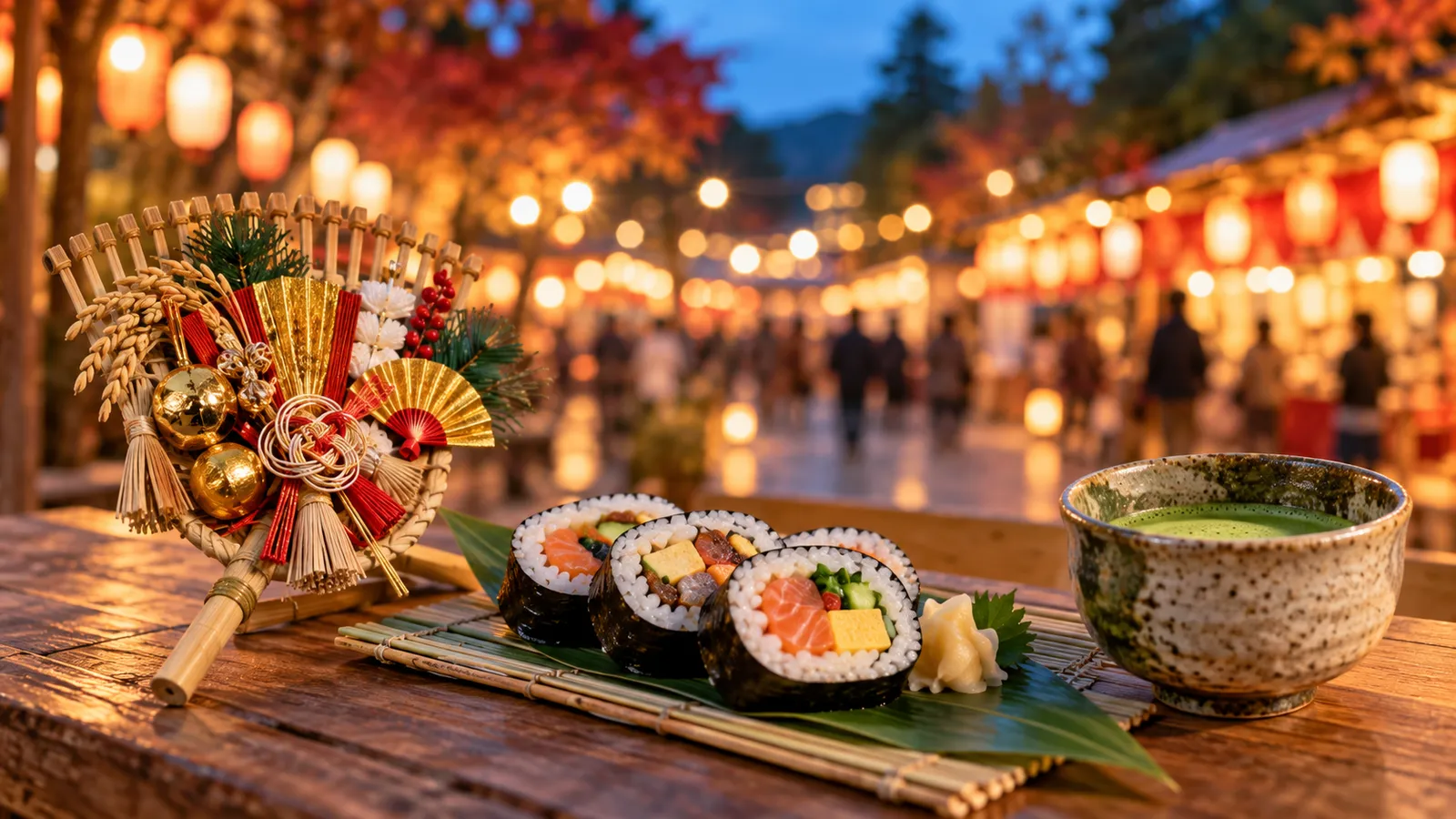
Every November, the streets just north of Asakusa fill with stalls selling kumade: bamboo rakes decorated with gold, red and lucky charms, bought to "rake in" good fortune for the year ahead. This is Tori-no-ichi, the rooster-day fair, and the version held at Otori Shrine in Asakusa is the best known in Tokyo.
If you are in Tokyo on a fair day, it pairs naturally with a sushi class in Asakusa: both are within walking distance of each other, and both are about food, craft and old Tokyo. This guide covers the 2026 dates, how to get there, when to go, and how to fit a class around it.
Popular in Tokyo right now — our most recommended experience

Tokyo Sushi Making Class : Sake Ceremony & Matcha Experience in Asakusa
The 2026 dates and hours
Tori-no-ichi is held on the days of the rooster in November, according to the traditional calendar. That means the dates change every year. In some years there are three fair days; in 2026 there are two.
According to Otori Shrine, the 2026 fair days are:
- Ichi-no-tori (first fair): Saturday 7 November 2026
- Ni-no-tori (second fair): Thursday 19 November 2026
On both days, the fair runs from midnight to midnight, 24 hours in total. The shrine is at 3-18-7 Senzoku, Taito City. The fair is said to have originated at Otori Shrine and the neighbouring Chokokuji Temple, and both take part.
What you will find there
The fair is large. Time Out Tokyo describes it as the biggest Tori-no-ichi in Tokyo, with 800 to 900 stalls selling kumade, souvenirs and plenty of food, and around 700,000 visitors a year.
Kumade come in every size, from small charms you can carry home in a bag to large displays bought by businesses. A traditional custom is to start with a small one and buy a slightly larger one each year as your fortune grows. Prices vary by stall and size, so ask before you choose. You do not need to buy anything to enjoy the fair; walking through the lanes of lanterns and decorated rakes is the experience for most visitors.
Getting there from our studio
Otori Shrine lists several routes. The closest stations are Iriya on the Hibiya Line (about 7 minutes on foot from Exit 3) and Asakusa on the Tsukuba Express (about 8 minutes). From the Ginza Line or Tobu Asakusa Station, the shrine gives about 15 minutes.
Our studio is two minutes from Exit 7 of the Ginza Line's Asakusa Station and 30 seconds from the North Exit of the Tobu Asakusa Station, so walking between the studio and the shrine takes roughly 15 to 20 minutes at a normal pace. On fair days, crowds can make this slower. A map app is the easiest way to follow the streets north.
If you are new to the area, our guide to getting from Asakusa Station to the sushi class helps you find the studio first.
When to go: daytime is calmer
The fair is busiest in the evening, when the lanterns are lit and people arrive after work. Time Out's advice is to visit during the day to avoid the peak. The evening atmosphere is impressive, but expect slow-moving crowds, especially on the Saturday, 7 November.
That makes the timing of your class a real decision. Our signature sushi and matcha class takes about 90 minutes and has a fixed start time, and you should arrive 10 minutes early. Sessions are usually at 10:00, 12:00, 16:00 and 18:00, but always check live availability for your date.
Plan A: class in the morning, fair in the afternoon
- 10:00 or 12:00: the sushi class. You prepare sushi rice, shape nigiri and roll maki in English, eat what you make as lunch, toast with sake (water or green tea is available instead) and whisk matcha.
- About 90 minutes later: walk north to Otori Shrine.
- Afternoon: explore the fair in daylight, before the evening peak.
When we checked our calendar on 26 October, there was no 10:00 session listed for 7 November, while 12:00 was open; on 19 November, both were listed. Sessions change and sell out, so check what is open for your date.
This is the plan we would choose for most visitors. You arrive at the fair with time to spare and leave before the busiest hours. Because the class is a full meal, you will not need much from the food stalls, though a small snack is part of the fun.
Plan B: fair in the daytime, class in the evening
- Late morning or early afternoon: visit the fair.
- Afternoon: walk back towards Senso-ji. Our guide to Senso-ji and a sushi class on the same day suggests how to spend that time.
- 16:00 or 18:00: the sushi class as your dinner.
If you choose this plan, go easy on the stall food so you arrive hungry, and leave the fair with plenty of time to walk back through the crowds before your class starts. Our guide to planning meals around a sushi class explains why.
Practical tips
- Bags: a large kumade is awkward to carry. If you buy one before the class, we have storage space at the studio for belongings.
- Weather: November evenings in Tokyo are cool, so bring a layer for the fair.
- Cash: some stalls may not take cards, so carry a little cash.
- Not in Tokyo on a fair day? The Kappabashi kitchenware street is close by and open year-round.
Before you book
Check the dates against your itinerary first: 7 or 19 November 2026. Then choose the class session that matches Plan A or Plan B on the signature class page. You can cancel free of charge up to 24 hours before the class starts, which gives you some flexibility if your plans for the day change.
Related Articles
Ikebukuro and a Sushi Class in Asakusa
Staying in Ikebukuro? How to reach a sushi class in Asakusa, how long it takes, and two ways to fit Sunshine City, Myonichikan and Zoshigaya into one day.
Sumida River Cruise and a Sushi Class
Combine a Sumida River water bus from Asakusa with a sushi class: which order works, how long to allow, and what to check before you board.
Shinjuku Gyoen & a Sushi Class in Asakusa
Plan a day with Shinjuku Gyoen's autumn maples and a sushi class in Asakusa: opening hours, the train between them and three timings that work.