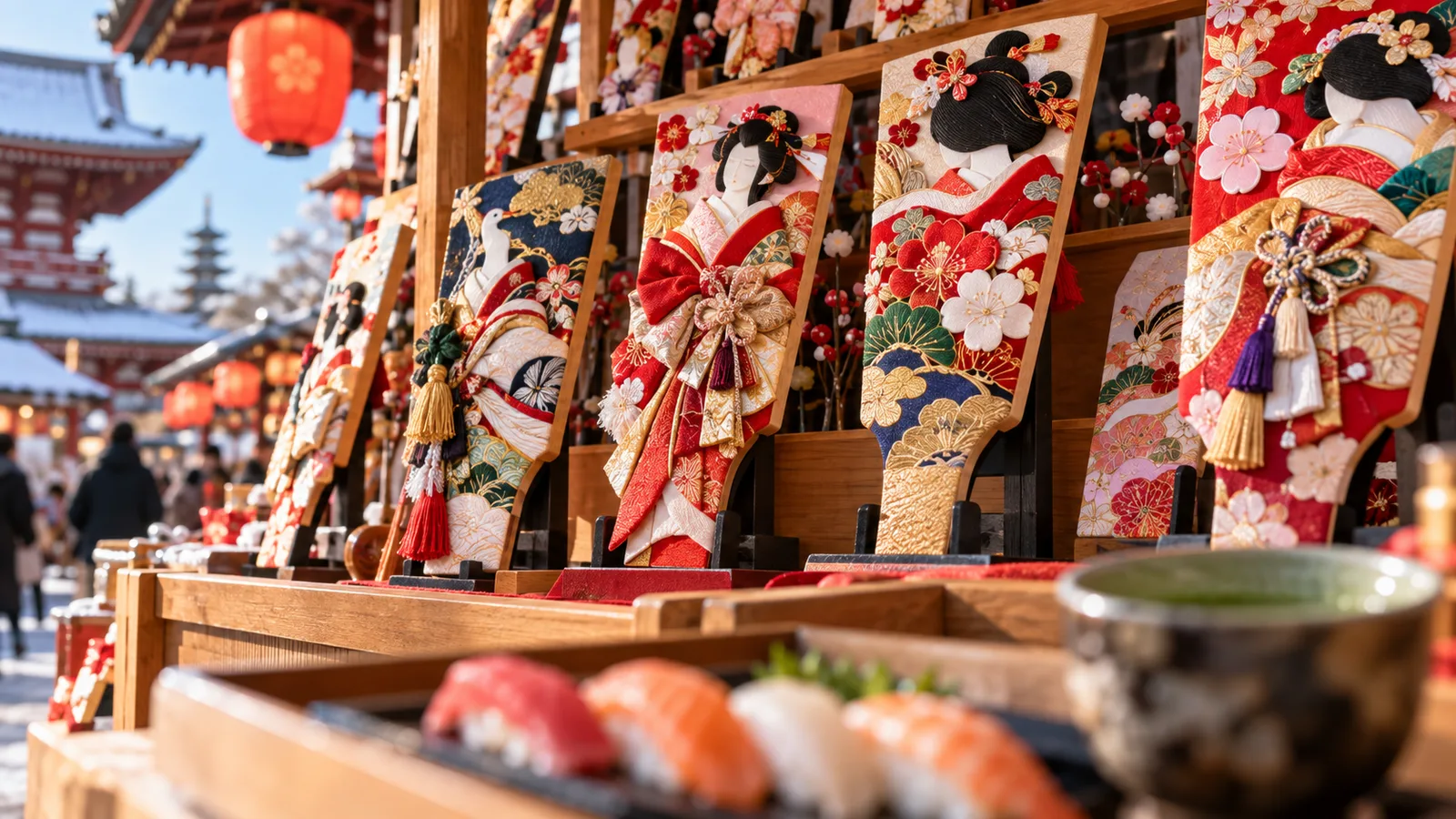
Hagoita-ichi and a Sushi Class in Asakusa
If you are in Tokyo in mid-December, Asakusa has one of the city's most colourful year-end traditions. For three days, the grounds of Senso-ji fill with stalls selling hagoita, decorated wooden paddles that Japanese families display as New Year good-luck charms. It is called Hagoita-ichi, the paddle market.
Because our studio is in the same neighbourhood, the market fits naturally into a day that also includes a hands-on sushi class. This guide explains what the market is, when to go in 2026 and how to plan the day without rushing.
Popular in Tokyo right now — our most recommended experience
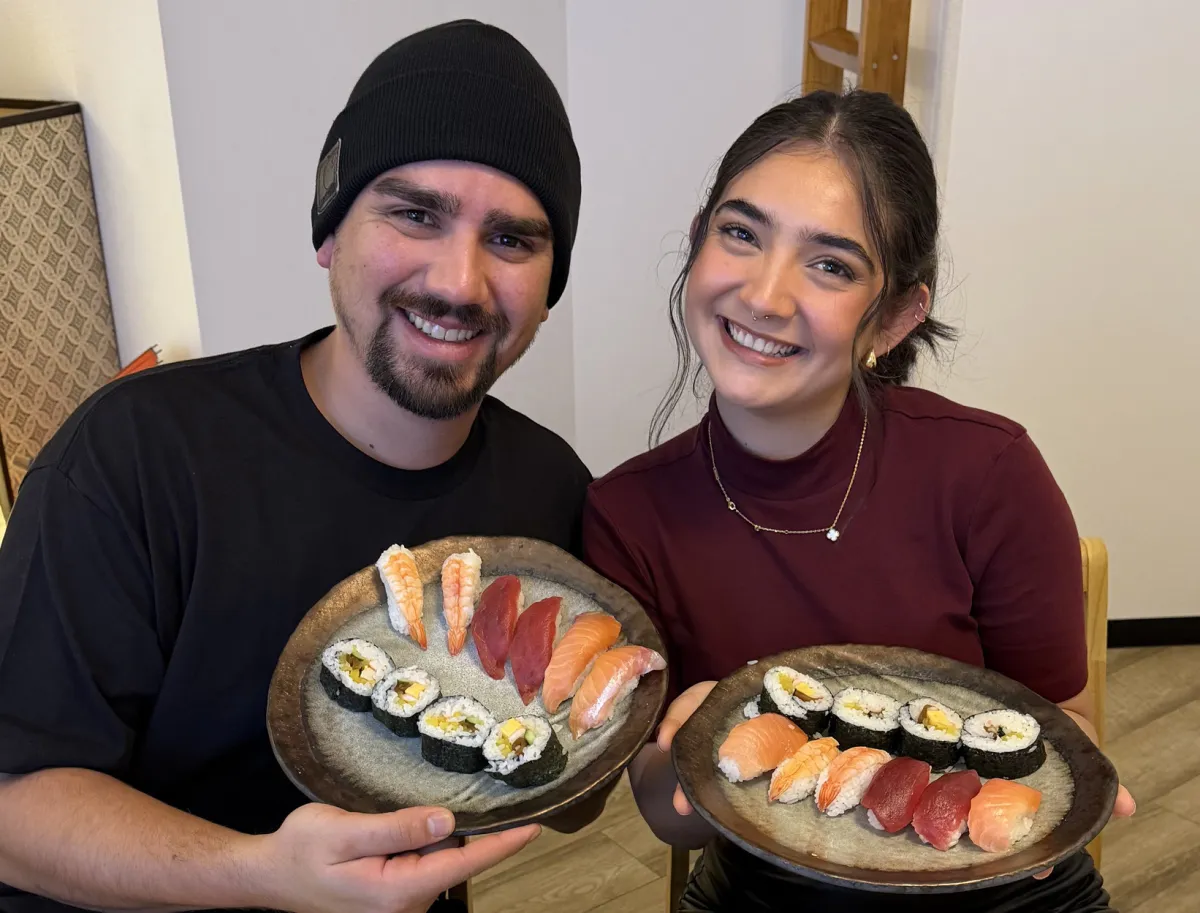
Tokyo Sushi Making Class : Sake Ceremony & Matcha Experience in Asakusa
Hagoita-ichi 2026 at a glance
According to Taito City's event information for 2026:
- Dates: Thursday 17 to Saturday 19 December 2026
- Hours: 9:00 to 19:30 (until 19:00 on the final day)
- Place: Senso-ji temple grounds, Asakusa
- Contact: the Asakusa Tourism Federation
Senso-ji lists the market alongside Osame no Kannon, the last monthly Kannon day of the year, on 18 December. Event details can change, so check the official information close to your visit.
Entry to the temple grounds is free. You pay only if you buy something.
What a hagoita is
A hagoita is the paddle used in hanetsuki, a traditional New Year game similar to badminton without a net. The decorative versions sold at the market are not meant for play. They are displayed at home, especially for a baby girl's first New Year, as a wish for health and protection from bad luck.
The most striking style is oshie hagoita, in which padded silk and fabric figures are built up on the paddle to create a raised, three-dimensional picture. Traditional designs show kabuki actors, elegant women in kimono and scenes from folk stories. Some stalls also make playful paddles based on the year's news and well-known figures, which is part of the fun of walking around.
Sizes and prices vary widely, from small paddles that fit in a suitcase to large display pieces. If you buy one, stallholders sometimes finish the sale with a round of rhythmic clapping (tejime) for good luck.
When to go
The temple grounds can get crowded, especially as the day goes on. Two tips:
- Morning visit: arriving shortly after 9:00 gives you calmer aisles for photos and a better look at the craftsmanship.
- Evening visit: after dark, the stalls and the temple buildings look atmospheric, but expect more people.
The 18th (Osame no Kannon) and the Saturday (19th) may feel busier. If you can choose, a weekday morning is usually the most relaxed.
Pairing the market with a sushi class
Start with the part that has a fixed time. Our sushi making class with sake and matcha in Asakusa lasts 90 minutes, and we ask guests to arrive 10 minutes early. You shape nigiri with tuna, salmon and shrimp, roll a futomaki, join a sake toast and finish by whisking your own matcha.
Session times vary by date, so check the live availability on the class page for 17–19 December before building your plan.
Plan A: market in the morning, class afterwards
Arrive at Senso-ji soon after the stalls open, walk through the market and the temple, then head to the studio. This suits photographers and anyone who wants the quietest aisles. Set a time to stop browsing, and leave a generous buffer: crowds around the temple can slow you down more than you expect.
Plan B: class first, market in the evening
Take an earlier session, explore other parts of the city in the afternoon, and come back to Senso-ji in the evening. This avoids a deadline while you shop, but remember that the final day ends earlier, at 19:00.
Plan C: early onigiri class, then the market
If you are an early riser, our morning onigiri class starts at 8:00 and lasts about 60 minutes, which leaves the rest of the day for the market and the temple. Our morning onigiri itinerary suggests ways to plan the rest of the day.
Practical tips for a December day in Asakusa
- Dress for cold. December in Tokyo is usually dry and crisp, and you will be standing outdoors at the stalls. Layers you can remove indoors work well for the class.
- Think about luggage. A large display paddle can be awkward in crowds and in a suitcase, so consider the size before you buy.
- Bring cash. Some smaller stalls may not accept cards.
- Allow time to reach the studio. The studio is at 1-10-16 Hanakawado, near Senso-ji. Check the access page and save the address before you set out.
- Mention dietary needs early. Tell the team about allergies or a no-alcohol preference when you book, not on the day.
For general timing advice on combining the temple and a class, see our guide to Senso-ji and a sushi class on the same day.
If the weather turns
Hagoita-ichi is held outdoors, so rain or wind makes browsing less comfortable. On a wet day, keep the market visit short and move indoors. Our rainy-day Asakusa plan has ideas for covered streets and indoor stops before or after the class.
Other December dates in Asakusa
The paddle market is one of several year-end moments at Senso-ji. The temple's calendar also lists the New Year's Eve bell ringing on 31 December. If you are staying in Tokyo through the holidays, check our class page and check availability for your exact dates.
A simple plan
- Choose one of 17, 18 or 19 December and check live class sessions.
- Decide whether you want the quiet morning market or the lit evening market.
- Check the official event information a few days before your visit.
- Book your class and leave a buffer between the market and the studio.
Ready to fit both into your trip? Pick a date on the sushi and matcha class page and enjoy one of Asakusa's most photogenic weeks.
Related Articles
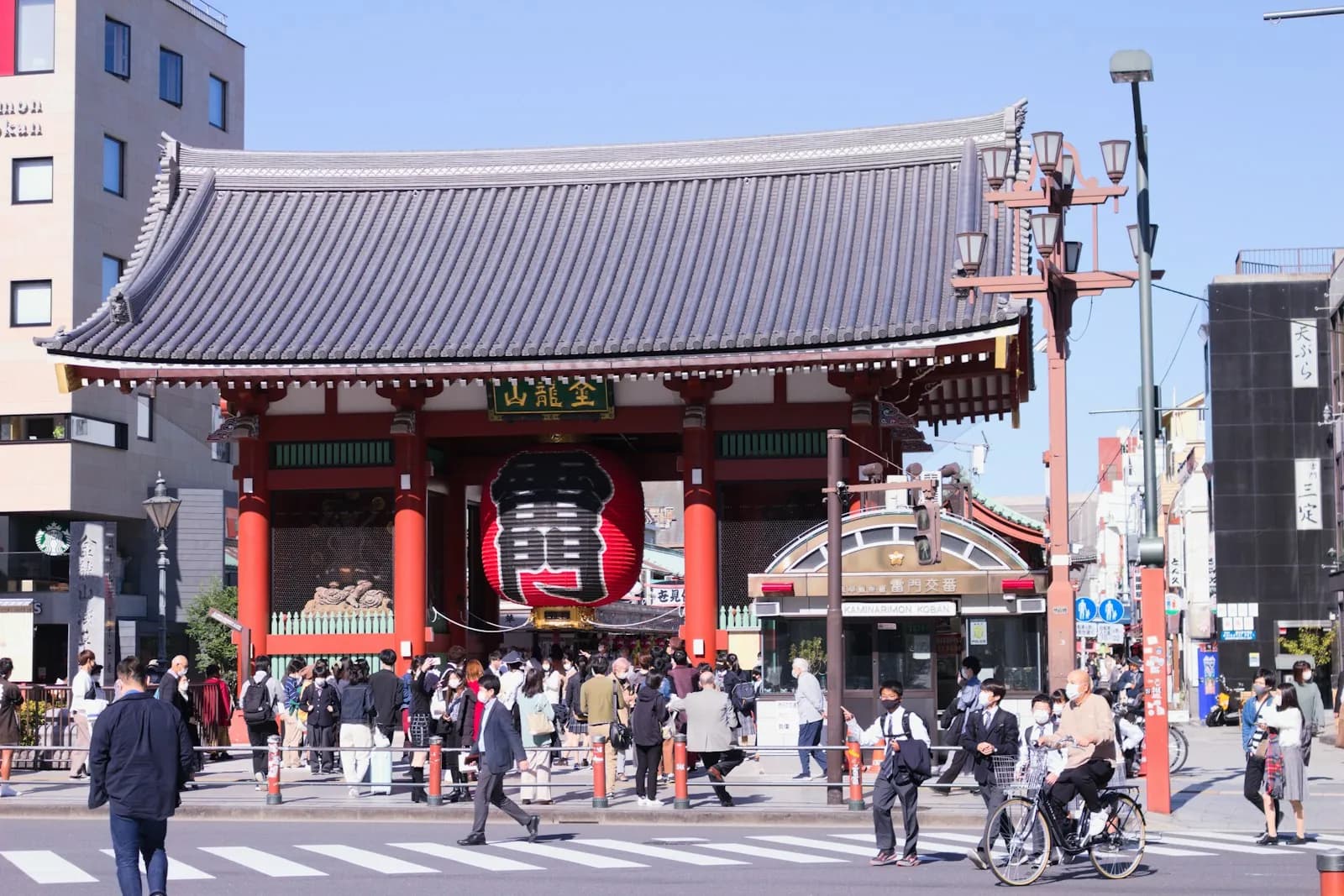
Senso-ji and a Sushi Class on the Same Day
Plan Senso-ji and a 90-minute sushi class in Asakusa on the same day: temple first or class first, when to arrive, and what to check before you go.
Tokyo Skytree and a Sushi Class in One Day
Plan Tokyo Skytree and a 90-minute sushi class in Asakusa on one day, with the right order, train route and time buffers.
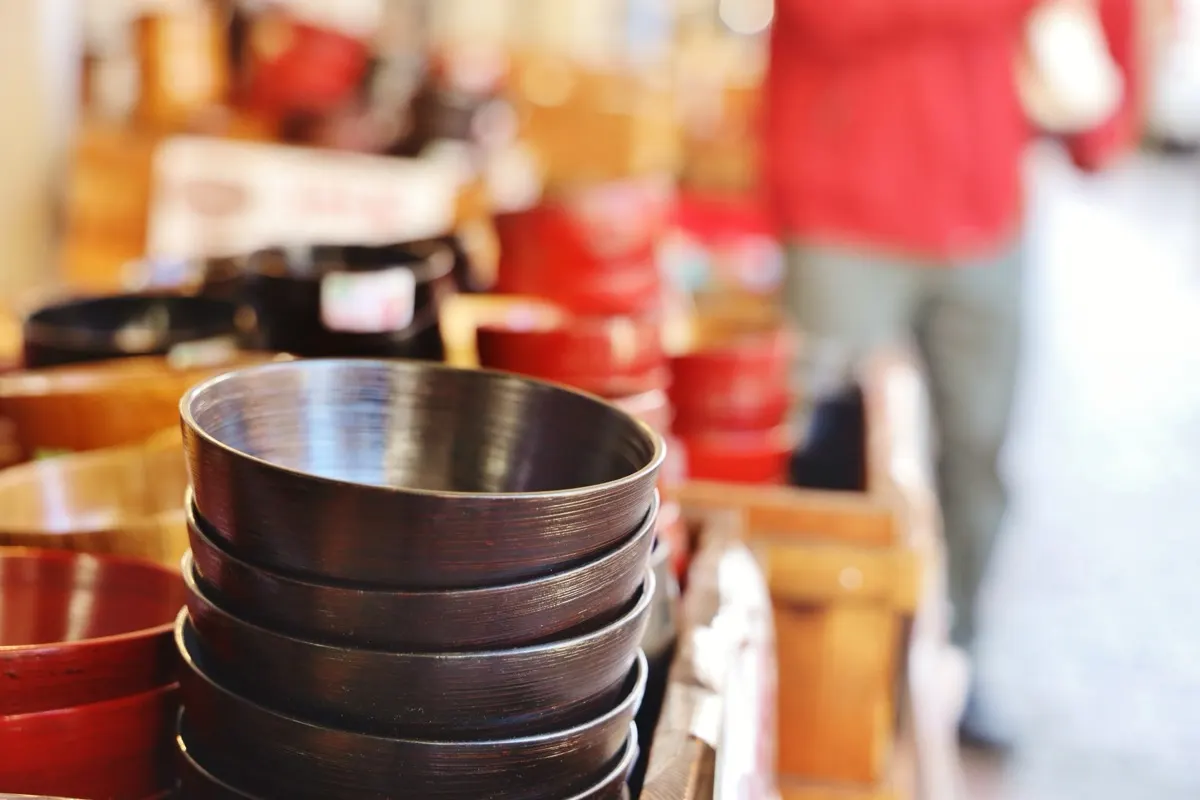
Kappabashi and a Sushi Class in Asakusa
Plan Kappabashi Kitchenware Town and a 90-minute sushi class on one Asakusa day, with practical advice on timing, purchases, and arrival.