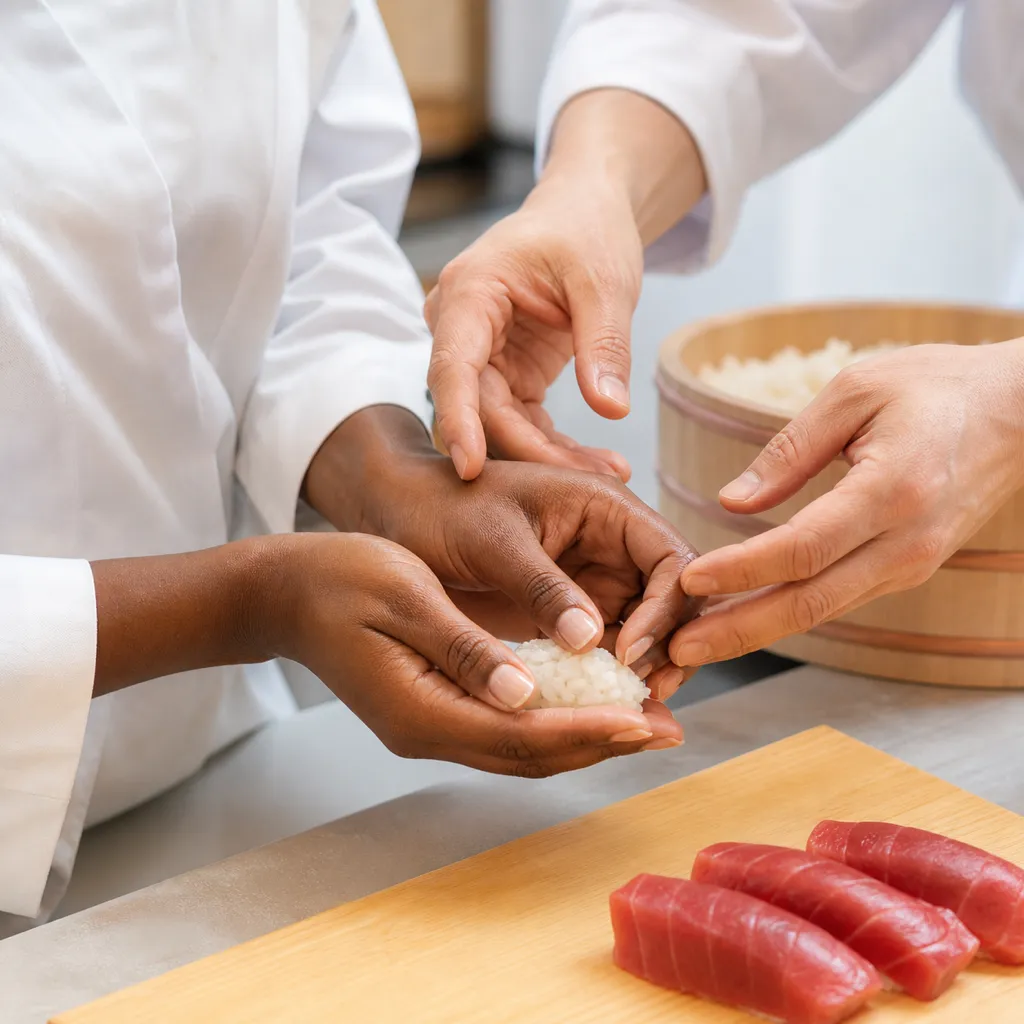
Joining a Sushi Class Alone in Tokyo
If you are travelling on your own, you may wonder whether a sushi class is really meant for you, or whether you need a partner or a group to take part. For a shared class, the answer is usually simpler than people expect: you book a place for one person, as long as a place is shown for the date you want, and join that session.
This guide explains how that works with our signature sushi and matcha class in Asakusa, what to check before paying, and where solo travellers sometimes get confused. The signature class is a 90-minute, beginner-friendly session taught in English, priced at ¥12,000 per person. You make nigiri and maki, join a sake toast and whisk your own matcha.
Popular in Tokyo right now — our most recommended experience
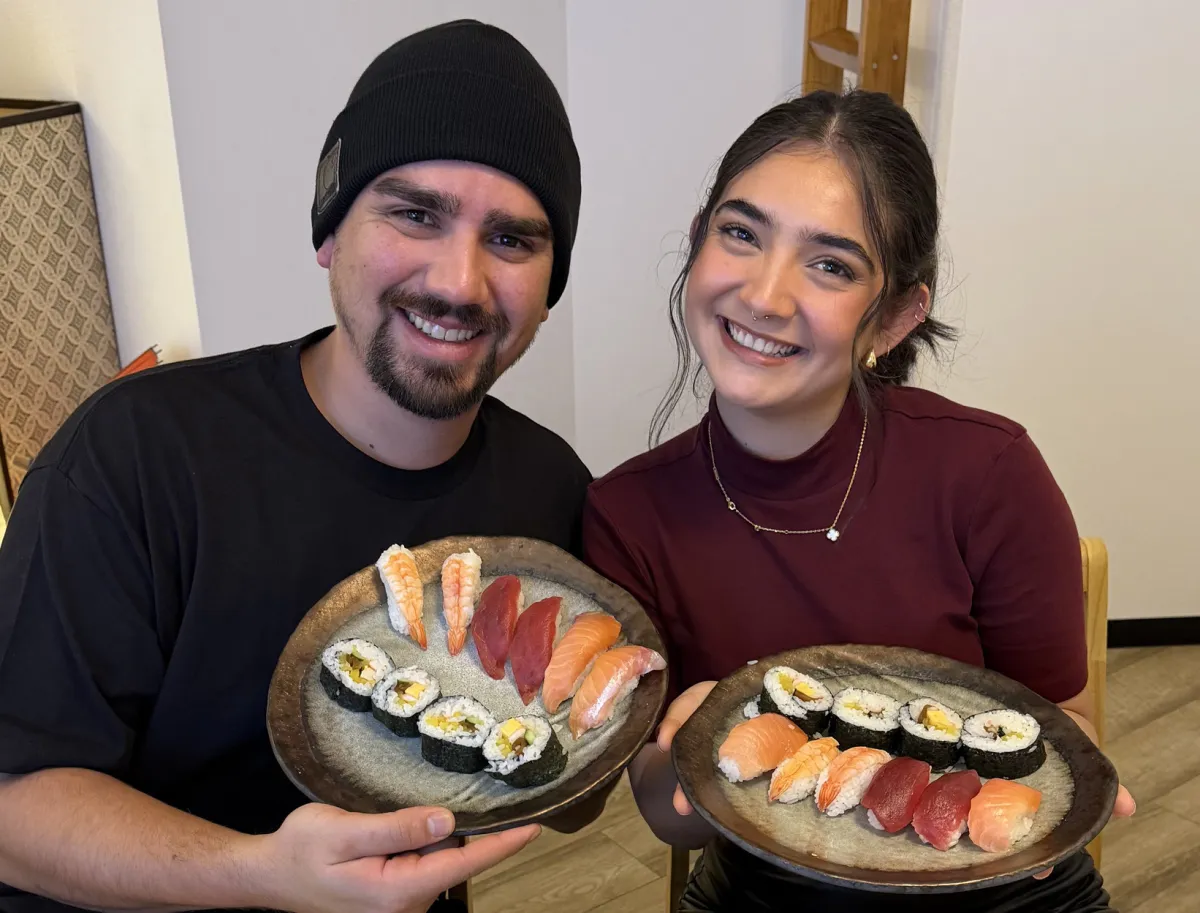
Tokyo Sushi Making Class : Sake Ceremony & Matcha Experience in Asakusa
How a shared class works
In a shared class, places are booked per person. You reserve a place in a scheduled session, and other guests may book places in the same session. Our signature class has a maximum of 20 guests.
What we cannot tell you in advance is who else will be there or how many people will attend. The mix of guests differs from session to session. You might share the studio with couples, friends, families or other people travelling alone, and the number of guests varies. It is best not to book expecting a particular group size or a particular kind of company.
For many solo travellers this is part of the appeal: a relaxed chance to be around other visitors while everyone works on the same task. If you would rather keep to yourself, that is fine too. The focus of the session is making sushi, not socialising.
A shared class is not a private class
It is easy to mix up "booking alone" with "booking a private class", but they are different things.
Booking one place in the signature class does not reserve the studio for you. Private formats are separate booking options with their own conditions, and they are designed for a group that wants a session to itself. If you want to understand the difference in more detail, our guide to shared and private sushi class formats sets it out.
For most people travelling alone, the shared class is the one to look at.
You can also see how the class works for solo guests on our solo sushi class page.
What to check before you book
Before paying for a single place, run through a short checklist on the class page and booking screen:
- The date and start time. Sessions can differ by date, so check the times shown for the day you want rather than relying on an example.
- Whether a place is available for one guest. Select one participant and see what is actually offered. Do not assume a date will have space.
- The price. The signature class is ¥12,000 per person.
- Language. The class is taught in English. If you would prefer support in another language, consider that before booking.
- Dietary requirements. Contact us before booking rather than raising them on the day.
- Cancellation terms. Read them on the booking screen before you pay, and check again if your plans change.
- Arrival. The guidance is to arrive 10 minutes before the class starts.
This takes a few minutes and avoids most surprises.
What the session is like on your own
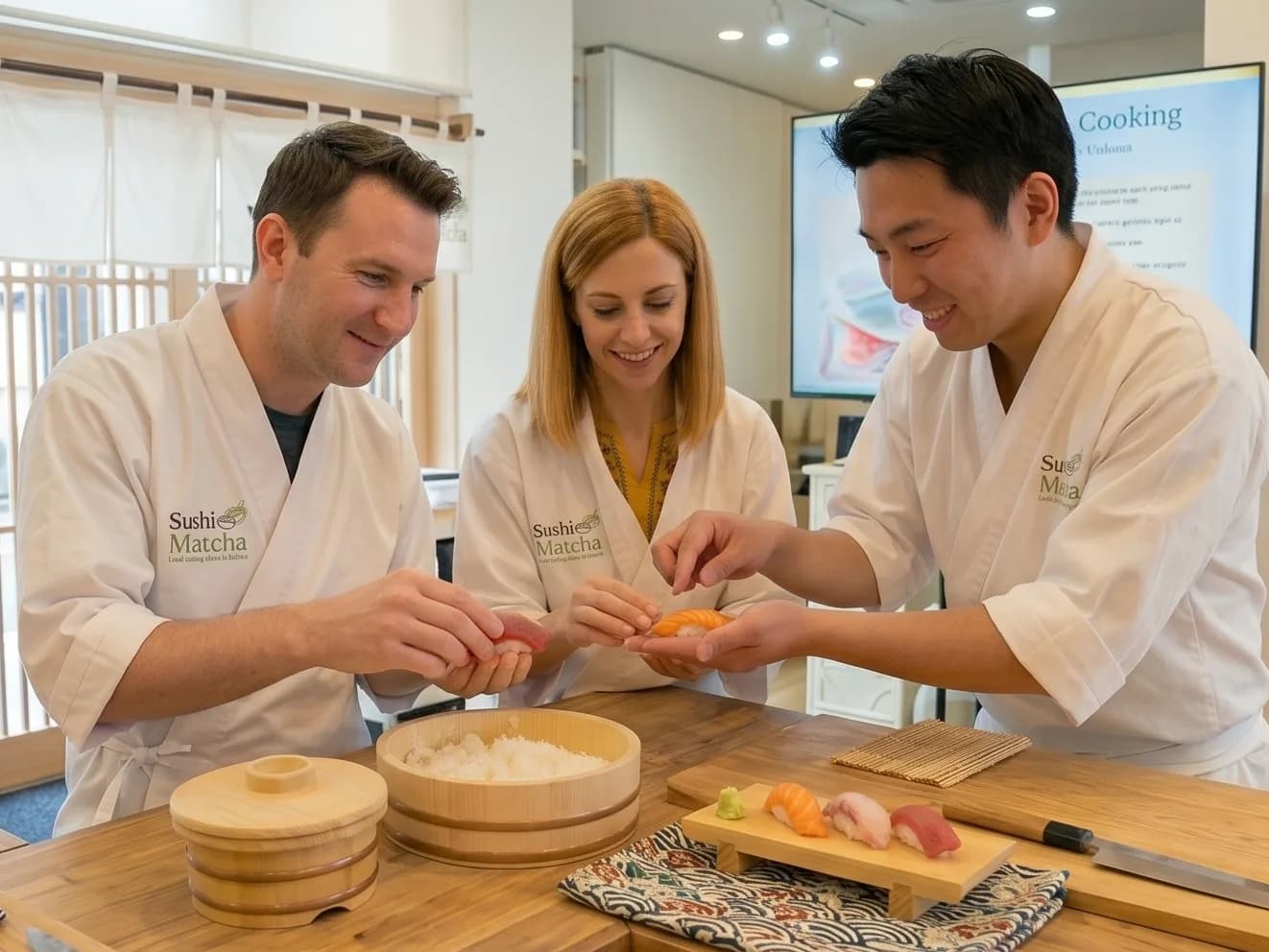
The hands-on steps are done individually. You shape your own nigiri, roll your own maki and whisk your own bowl of matcha, so you do not need anyone with you to take part. The instructor explains each step in English, which means you are not relying on a travel companion to translate or keep you on track.
The session also includes a sake toast. If you do not drink alcohol, water or green tea is available instead, so you can join the toast either way.
Some solo travellers worry about being the only beginner. The signature class is designed for beginners, including people who have never made sushi before. You are there to learn, and nobody expects a perfect result.
Small things that make it easier
A few practical habits help when you are on your own:
- Plan your route in advance. Check how to reach Asakusa from where you are staying, and add a margin for delays.
- Arrive 10 minutes early. It gives you time to settle in without rushing, which matters more when nobody is keeping an eye on the time for you.
- Ask when you are unsure. The instructor is there to guide you, and questions are a normal part of a class.
- Keep your phone charged. You will probably want photos of your sushi, and you may need maps afterwards.
If no place is shown for your date
Sometimes the date you want will not show a place for one guest. In that case, look at other dates that fit your trip. Space on a given day is never guaranteed, so a class is easier to fit into a solo itinerary if you have some flexibility.
If you are deciding whether to reserve early or wait and see, our guide to booking a sushi class in advance or on the same day explains what each approach puts at risk.
If it is your first cooking class
Joining alone and joining a cooking class for the first time are two separate worries, and many people have both. If you would like more background on what a hands-on session involves in general, our first-timer's guide to cooking classes in Tokyo is a good place to start. Keep in mind that the class page is the source for current details such as duration, price and what is included.
Booking your place
Travelling alone does not change much about taking a shared sushi class. You book one place, confirm the date and time, arrive a little early and make your own sushi alongside whoever else has joined that session.
When you are ready, open the signature sushi and matcha class page, select one participant and check which dates and start times are currently offered before you plan the rest of your day around it.
Related Articles
Book a Sushi Class Early or on the Day?
Reserve a Tokyo sushi class in advance or try on the day? Weigh certainty against flexibility and know what to check before counting on a same-day place.
Sushi Class with Food Allergies: What to Ask
Joining a sushi class in Tokyo with a food allergy? Learn which questions to ask, how to use the booking form's allergy option and why to wait for a reply.
What Do You Make in a Sushi & Matcha Class?
What happens in our 90-minute Asakusa class: a sake toast, hand-shaped nigiri and rolled maki, eating what you made, then whisking your own matcha.