
Book Direct or via OTA for a Sushi Class?
You have chosen a sushi-making class in Tokyo and found what looks like the same experience on an official website and an online travel agency (OTA). Which tab should you use? There is no universal answer. An OTA may keep several activities in one itinerary, while the official page gives you the closest view of the host's current product. The useful comparison is not “direct is always cheaper” or “a marketplace is always safer.” It is whether the listing, terms and confirmation you are looking at actually match.
For Sushi Matcha, the current signature sushi and matcha class is published as a 90-minute experience in Asakusa at ¥12,000 per person. Guests make nigiri and maki, join a sake toast with a non-alcoholic option, and whisk matcha. Treat that official product page as the reference for what Sushi Matcha currently describes, then compare any marketplace listing field by field.
Popular in Tokyo right now — our most recommended experience
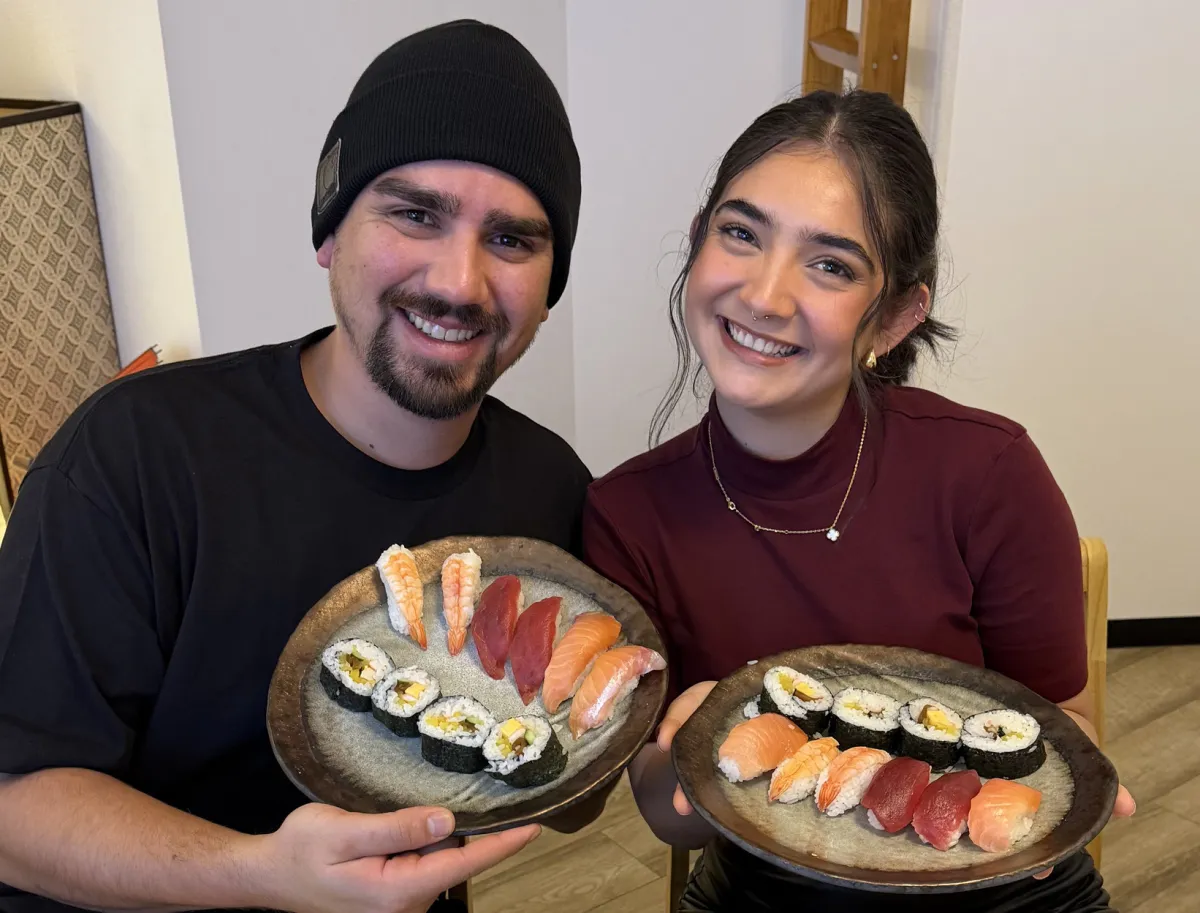
Tokyo Sushi Making Class : Sake Ceremony & Matcha Experience in Asakusa
First confirm that it is the same product
Similar photos and names do not prove that two listings are identical. Check the exact class format, location, duration and what participants make. A shared signature class, a vegan menu, a family-private class, a premium private session and a morning onigiri class are separate products. A price difference may simply mean you are comparing different formats or price units.
Write down the product name and your chosen date before switching tabs. Then compare the participant categories, start time, language, included food and drinks, and whether the page says instant confirmation or request. Our guide to what is included in the class price helps you separate the lesson itself from transport, shopping and other trip costs.
Compare the final checkout, not the first number
Use the same date, time and party on both channels. Continue far enough to see the currency, taxes or fees, cancellation deadline and final total, but do not place two bookings. Exchange-rate presentation and a marketplace's account benefits can change what appears on screen. That does not establish a permanent price rule.
Also check the price unit. A shared class may be listed per person while a private product may be priced per group or have a minimum party size. A headline number without its unit is not a usable comparison. Save the confirmation terms you actually accepted; a search-result snippet is not your contract.
Know who holds the booking record
If you book directly, use the contact and confirmation details shown by the official booking flow. If you book through an OTA, its voucher and account usually become part of the record you need when requesting a change. Follow the instructions on your actual confirmation rather than sending the same request through several channels.
This matters most when something changes. A host cannot safely infer which cancellation rule you purchased from a screenshot of another listing. Keep the reservation number, participant names, date, time, product and seller together. Read our cancellation and rescheduling guide before assuming that changing a Tokyo itinerary automatically changes the class.
Check confirmation before planning around it
A payment screen, inquiry and confirmed reservation are different states. Some shared sessions can be booked immediately, while private formats require the team to check the date and details. Whichever channel you choose, look for a clear confirmation with the correct product, party and local time.
If a preferred slot is important, do not create duplicate reservations “just in case.” Compare first, choose one seller, complete one booking and verify its status. The distinction between immediate confirmation and a request is explained in our instant-confirmation or request guide.
When direct booking is the practical choice
The official page is useful when you want to inspect the host's current class descriptions together, choose between menus, or move from product details straight into that class's booking flow. It also gives you a clean reference when an older article or third-party summary disagrees with the current offer.
Direct booking does not justify assumptions about unpublished perks, guaranteed lowest price or special availability. Use only what the current checkout and confirmation show. If you have a dietary or access question that the page does not answer, ask it clearly before treating the booking as suitable.
When an OTA may fit your trip
An OTA may be convenient if you already manage tours there, need its supported payment method or prefer one account for several reservations. Judge that convenience against the exact terms displayed for your booking. Loyalty credit, bundled discounts and support processes belong to that platform and can change.
Do not assume that every channel exposes the same remaining inventory at the same moment. Likewise, do not assume that a marketplace listing is outdated solely because its wording differs. Compare the decisive fields and, when they conflict, clarify before paying.
A two-minute decision checklist
Before completing the order, verify the exact product and format; Japan-local date and time; participant count and ticket categories; duration and inclusions; dietary and access notes; currency, final total and price unit; change terms; confirmation state; and which company holds the record.
Then use one path. If the official description matches your party, open the signature sushi and matcha class, select the real date and party, and review the live checkout. If you prefer an OTA, preserve its voucher and follow that seller's terms. The best channel is the one whose exact product, total and confirmation you understand—not the tab with the most persuasive headline.
Related Articles
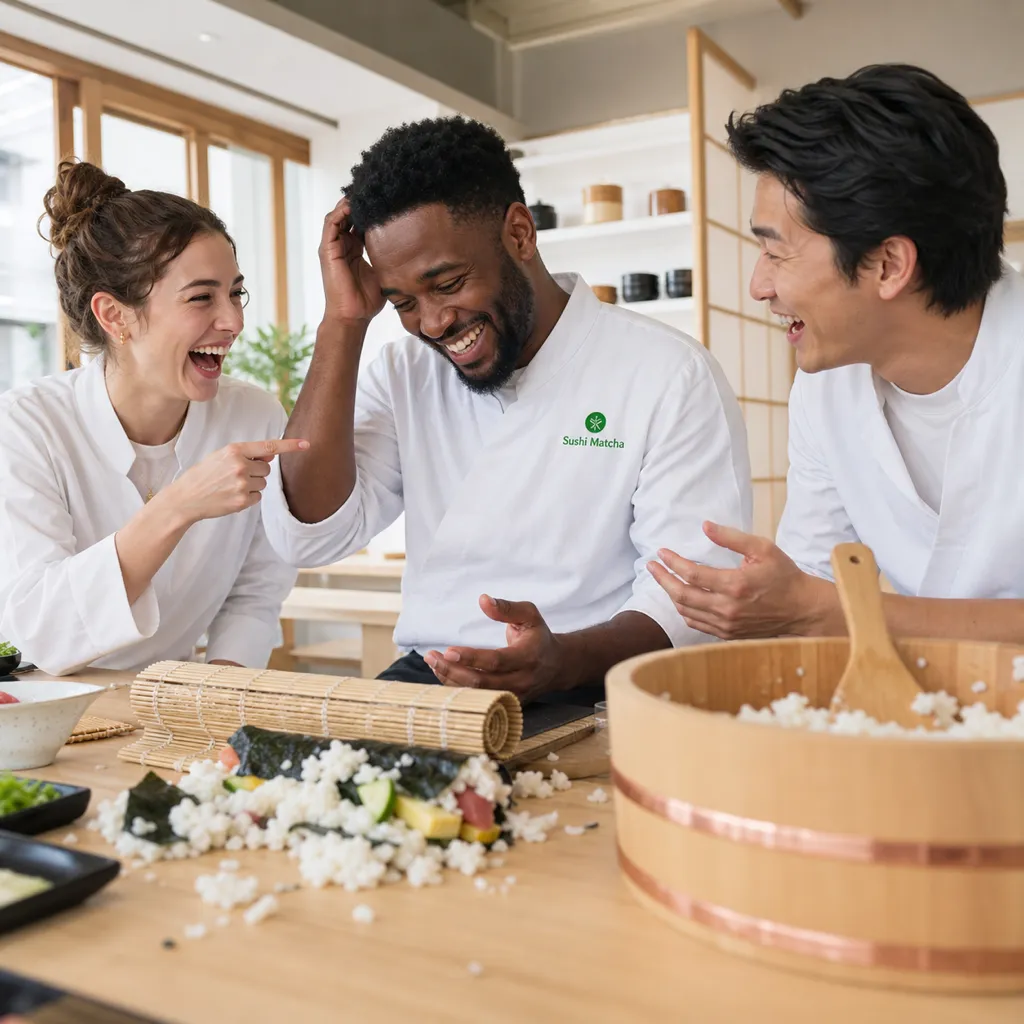
Booking a Tokyo Sushi Class for a Group
Organising a sushi class in Asakusa for friends? Here is the information to collect from everyone first, and how to keep the whole party in one session.

Book a Sushi Class Early or on the Day?
Reserve a Tokyo sushi class in advance or try on the day? Weigh certainty against flexibility and know what to check before counting on a same-day place.
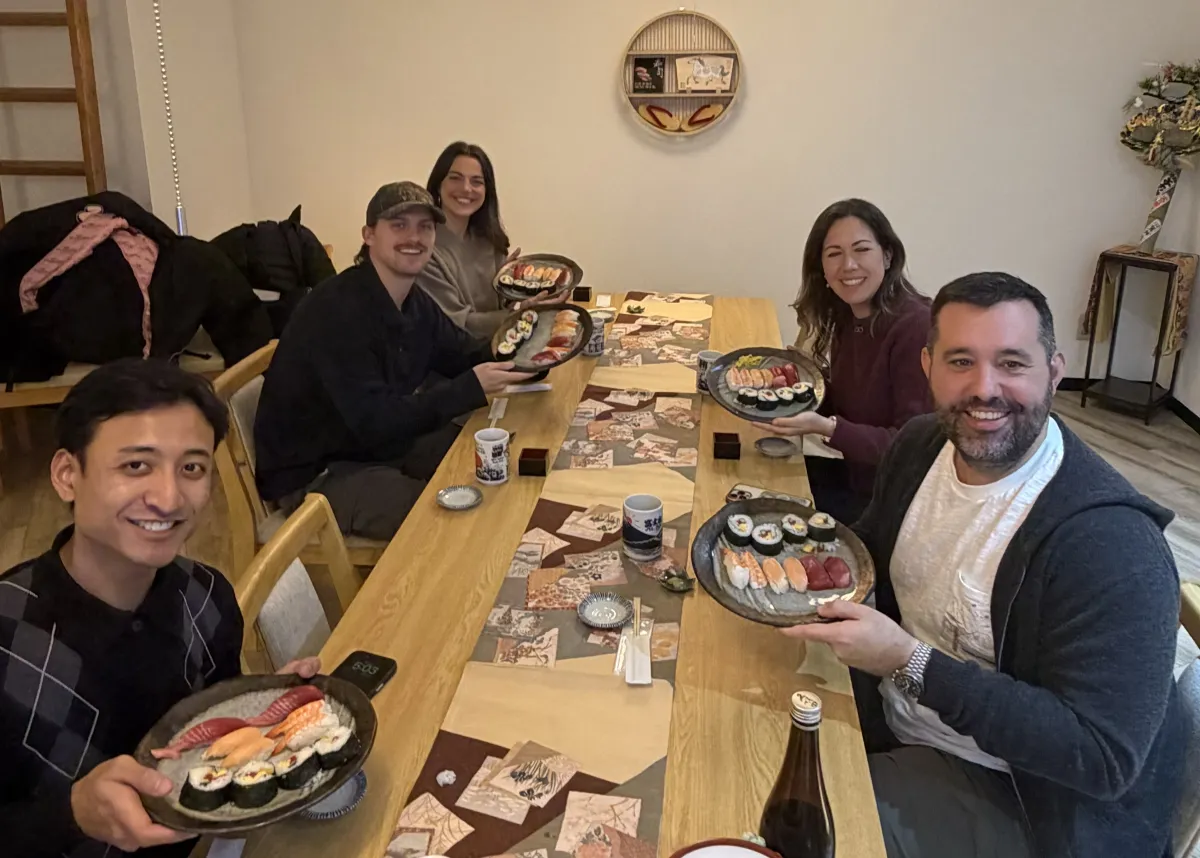
Tokyo Sushi Class: Instant or Request?
Some sushi classes in Tokyo confirm instantly, others are request bookings. Here is which is which at our Asakusa studio, and how each affects your plans.