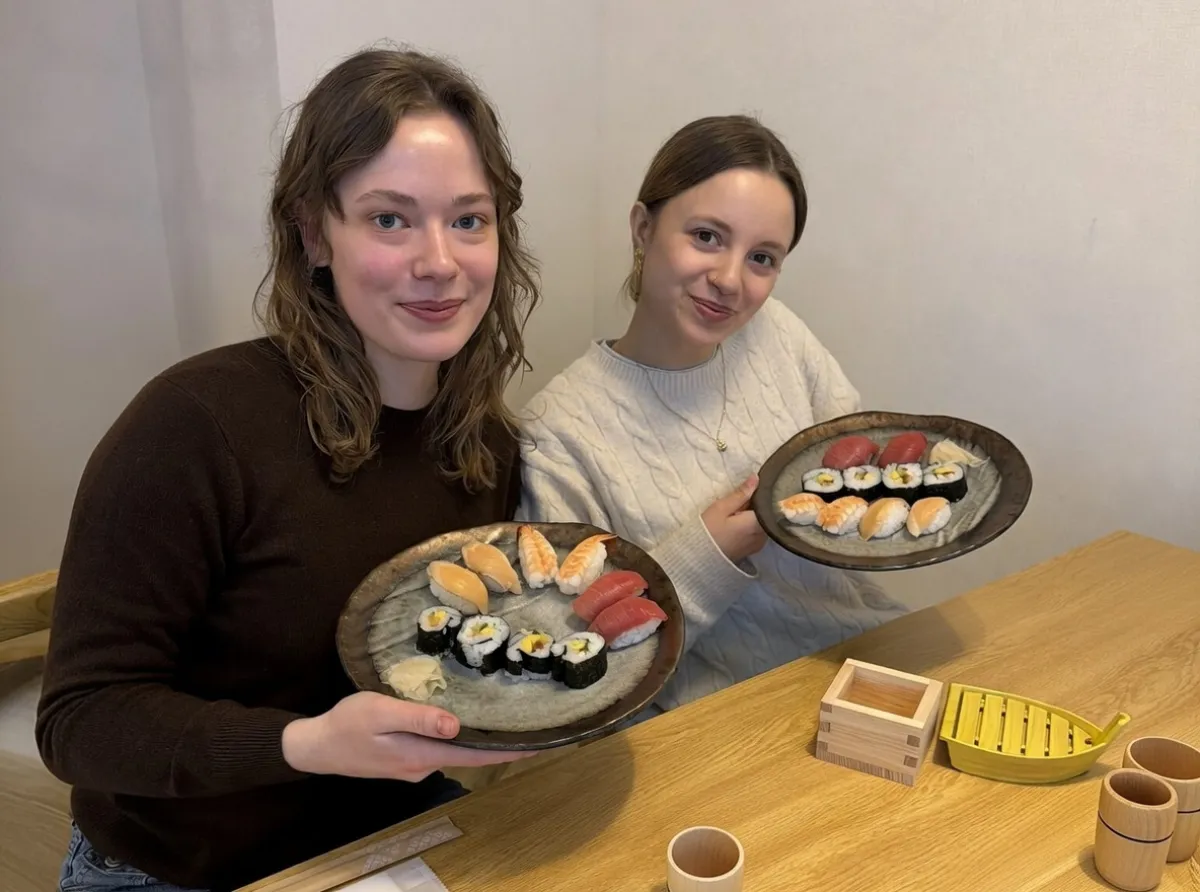
Tokyo Sushi Class: What Is Included?
A cooking-class price is hard to compare when one listing covers only tuition and another includes the food, drinks and equipment. Before you book, you need to know the total cost and what the experience actually contains—not just the number beside the button.
For our signature sushi and matcha class in Asakusa, the displayed price is ¥12,000 per person. It is a 90-minute shared class. The price includes tax, ingredients, tools and materials, so there is no separate equipment or ingredient fee at the studio. Availability and the amount shown at checkout are the final things to confirm for your date.
Popular in Tokyo right now — our most recommended experience
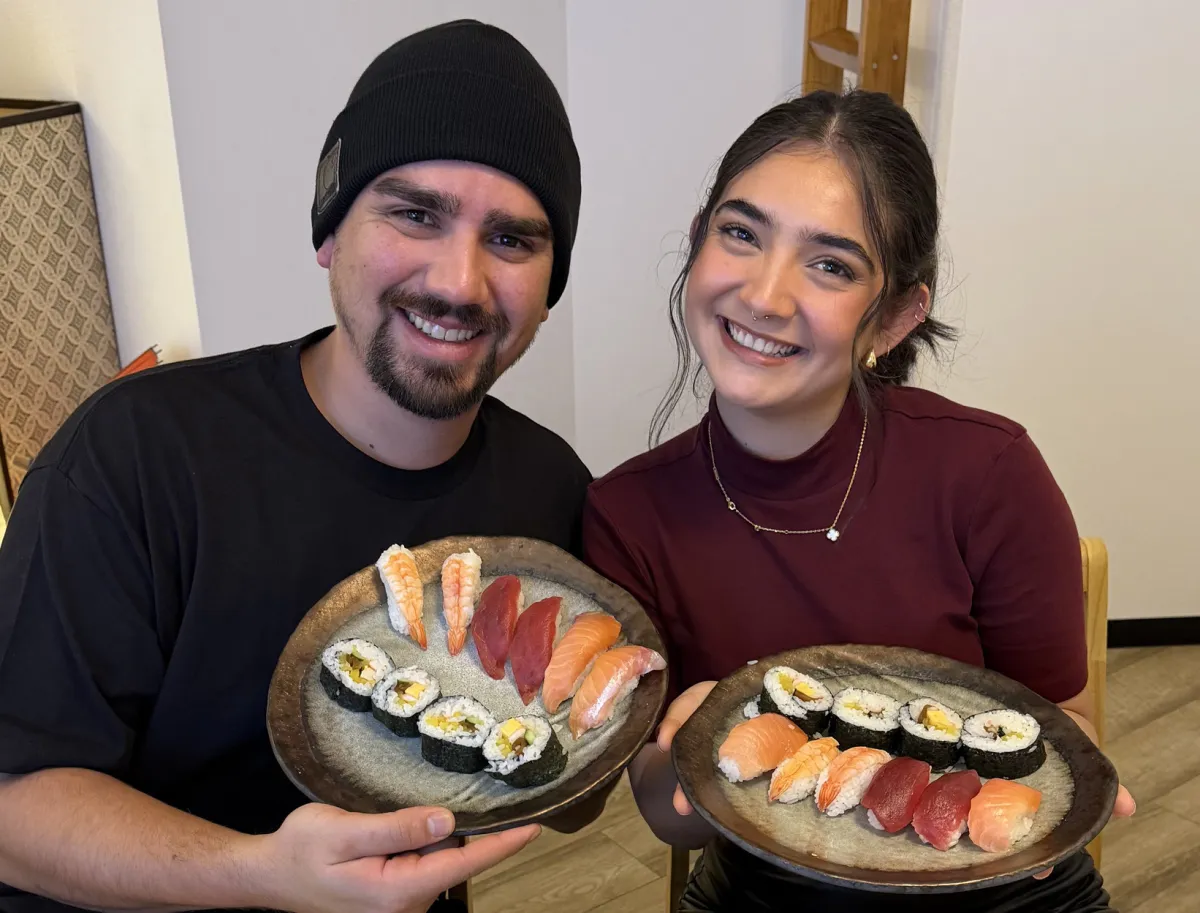
Tokyo Sushi Making Class : Sake Ceremony & Matcha Experience in Asakusa
The practical answer: what your price covers
Each participant receives the ingredients and tools needed for the session. You learn to shape nigiri and roll maki with an instructor, then eat what you make. You do not pay separately for a knife, rolling mat, apron or workstation, and you do not need to shop for ingredients before arriving.
The experience also includes:
- a Japanese sake toast, with refills during the class;
- water or Japanese green tea for guests who do not drink alcohol;
- matcha that you whisk yourself near the end of the session;
- a recipe shared with class participants; and
- the full 90-minute guided experience in English.
That list matters because it describes one combined activity, not optional upgrades added at the counter. If you are deciding what to pack, our guide to what to wear and bring to a sushi class explains why your normal day clothes and a phone are usually enough.
Food is part of the experience, not an extra
The sushi you prepare is yours to eat. This is a hands-on class with a meal built into it, rather than a demonstration followed by an unrelated restaurant booking. However, appetite differs, so plan around your own needs instead of treating a stated number of pieces as a guarantee for every date or menu.
The current signature session covers nigiri and maki, a sake moment and matcha. If your main question is the precise sequence of the class, read what you make in the sushi and matcha class. This price guide focuses on the purchase, not a minute-by-minute itinerary.
Dietary arrangements are also not something to buy on arrival. Tell us what you need while booking. A plant-based menu is available through the vegan class option, while allergies, no-raw-fish requests and other requirements should be described clearly in advance. An allergy is not the same as a preference, and the kitchen cannot promise a completely allergen-free environment. Our food-allergy booking guide explains what information to send before paying.
Drinks, including the non-alcoholic choice
The sake is included; it is not a compulsory purchase and drinking it is not compulsory either. Water or Japanese green tea is available if you skip alcohol. You can still join the group toast and take part in the rest of the class.
This distinction is useful when comparing activities. “Sake included” should not be read as “you must drink,” and a non-drinker does not lose the sushi lesson or matcha portion. For a fuller look at that decision, see our guide to joining a sushi class without drinking alcohol.
Tax, payment and possible extra spending
The class price shown on our site includes Japanese consumption tax. Payment for an online booking is processed when the booking is confirmed. Major cards are accepted through the online booking system. You do not need cash to settle the advertised class price at the door.
There are no additional class fees for the listed ingredients, equipment or materials. That does not mean your entire Asakusa day has no other costs. Train fares, parking, purchases elsewhere, and anything you choose to eat or buy before or after the session are separate travel expenses. Keeping those categories apart makes comparisons much clearer.
Private experiences are separate products, not upgrades quietly added to the shared-class bill. They have their own prices, minimum group conditions and confirmation process. If exclusivity matters to your group, compare the shared and private sushi class formats before choosing; do not assume the ¥12,000 shared seat can be converted into a private booking later.
What is not promised by the price
The price does not promise that a particular date or start time is available. Live availability depends on the date and party size shown in booking. It also does not promise a particular seasonal ingredient, unlimited class length, a private room, or accommodation of an unreported severe allergy.
It is better to verify those points before checkout than to infer them from a photo or an old article. Check the selected date, participant count, dietary notes and confirmation status. If something essential is not clear, contact the team before booking.
The recipe is for participants, but the class is designed as a guided experience rather than a professional qualification. You are paying for instruction, the prepared setting, the ingredients and the cultural elements together—not a chef certificate.
A simple value checklist before checkout
Use the same checklist when comparing any Tokyo cooking class:
- Is the displayed amount per person or per group?
- Is tax included?
- Are ingredients, tools and materials included?
- Will you eat what you make?
- Are drinks and any cultural activities included?
- Is the class shared or private?
- When is payment taken, and what are the cancellation terms?
- Does the live booking page show space for your date and party?
For our signature session, the answers are: per person, tax included, class materials included, a shared 90-minute format, and payment at booking confirmation. The session includes the sushi you prepare, sake or a non-alcoholic alternative, matcha and a participant recipe.
Check the live total for your date
The useful comparison is not “cheap versus expensive.” It is whether the complete activity fits your priorities, schedule and group. A clearly itemized price lets you decide without budgeting for surprise equipment or ingredient charges.
Open the signature sushi and matcha class page, select your date and party size, review the terms shown during booking, and confirm the final total before payment. That checkout amount—not a screenshot, converted estimate or old blog post—is the number to rely on.
Related Articles
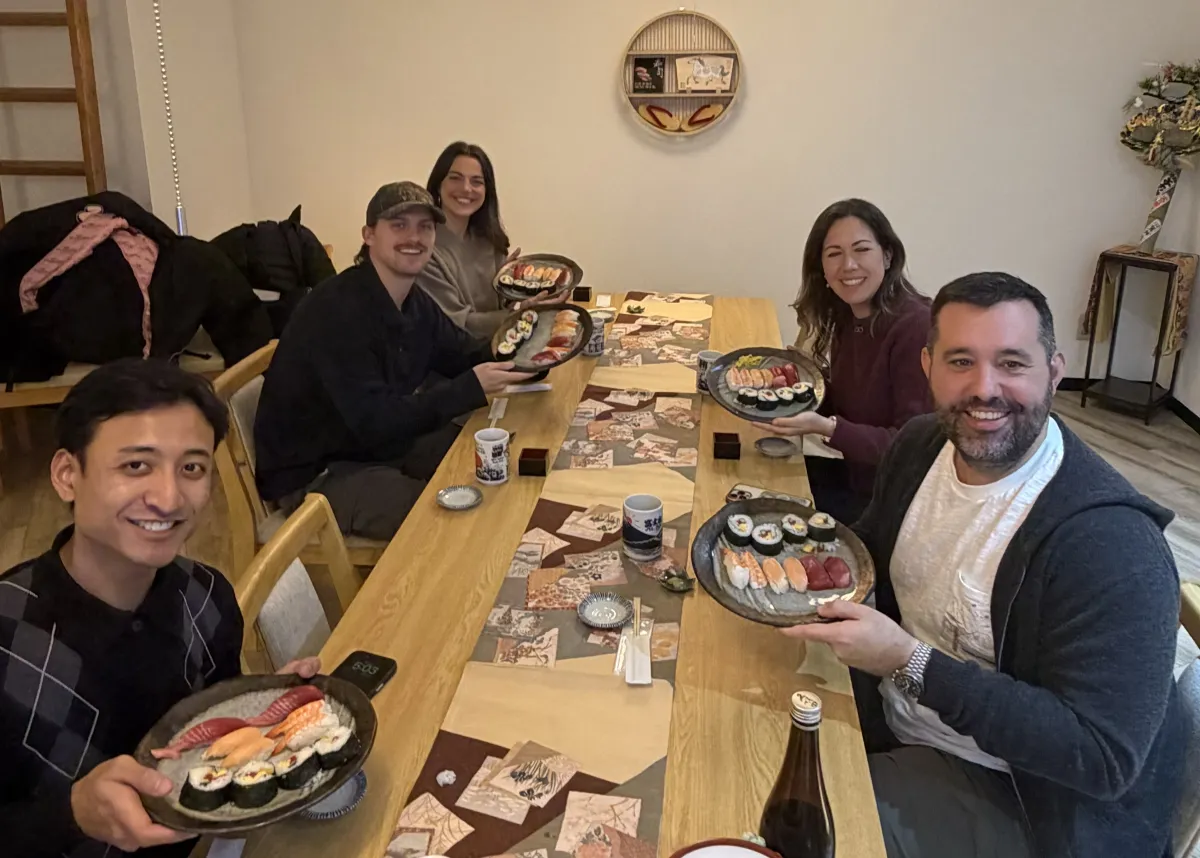
Cancel or Reschedule a Tokyo Sushi Class
Plans changed? Learn the 24-hour rules for cancelling or moving a Sushi Matcha class, what happens after the deadline, and what to send us.

Sushi Class Without Raw Fish in Tokyo
Avoiding raw fish? Compare cooked toppings, a plant-based menu and the questions to confirm before booking a Tokyo sushi class.
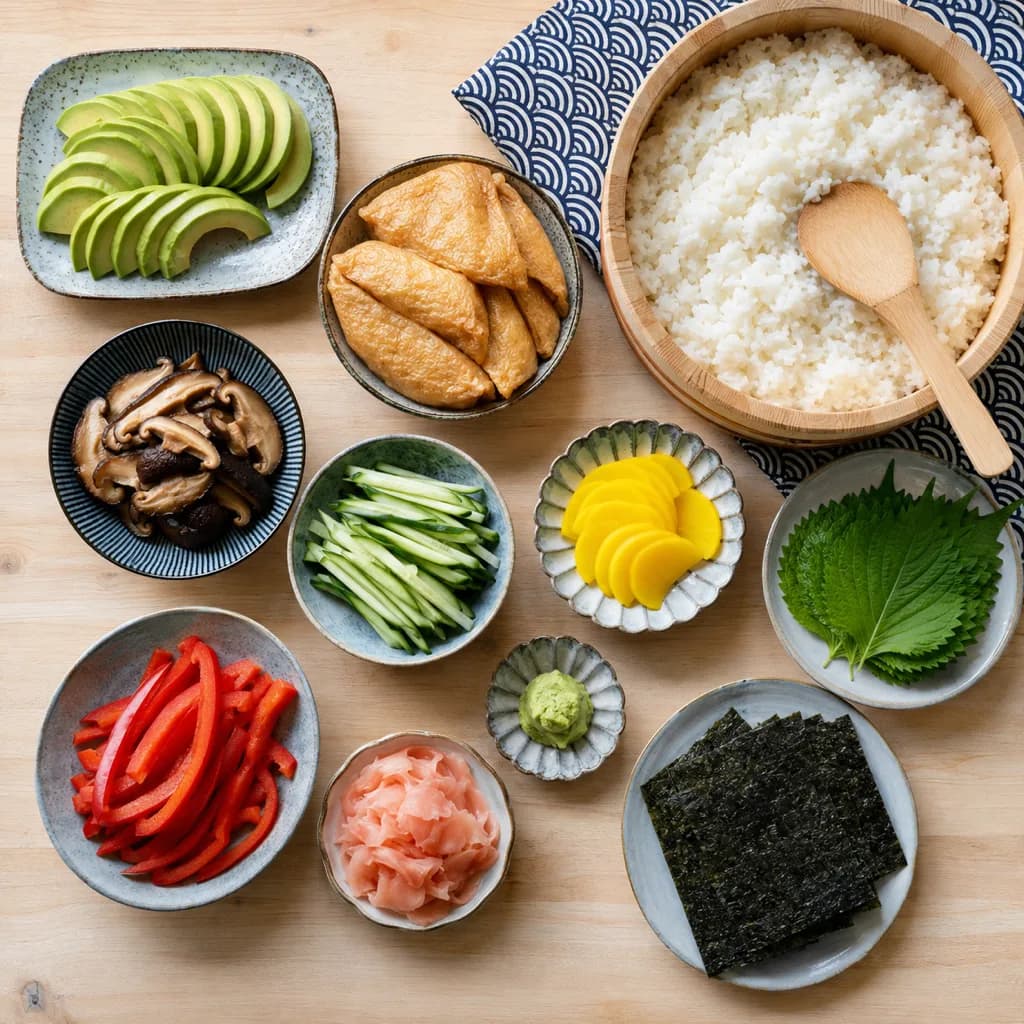
Halal Sushi Class in Tokyo: What to Confirm
Looking for a halal sushi class in Tokyo? Check certification, ingredients, shared tools and the reply you need before booking.