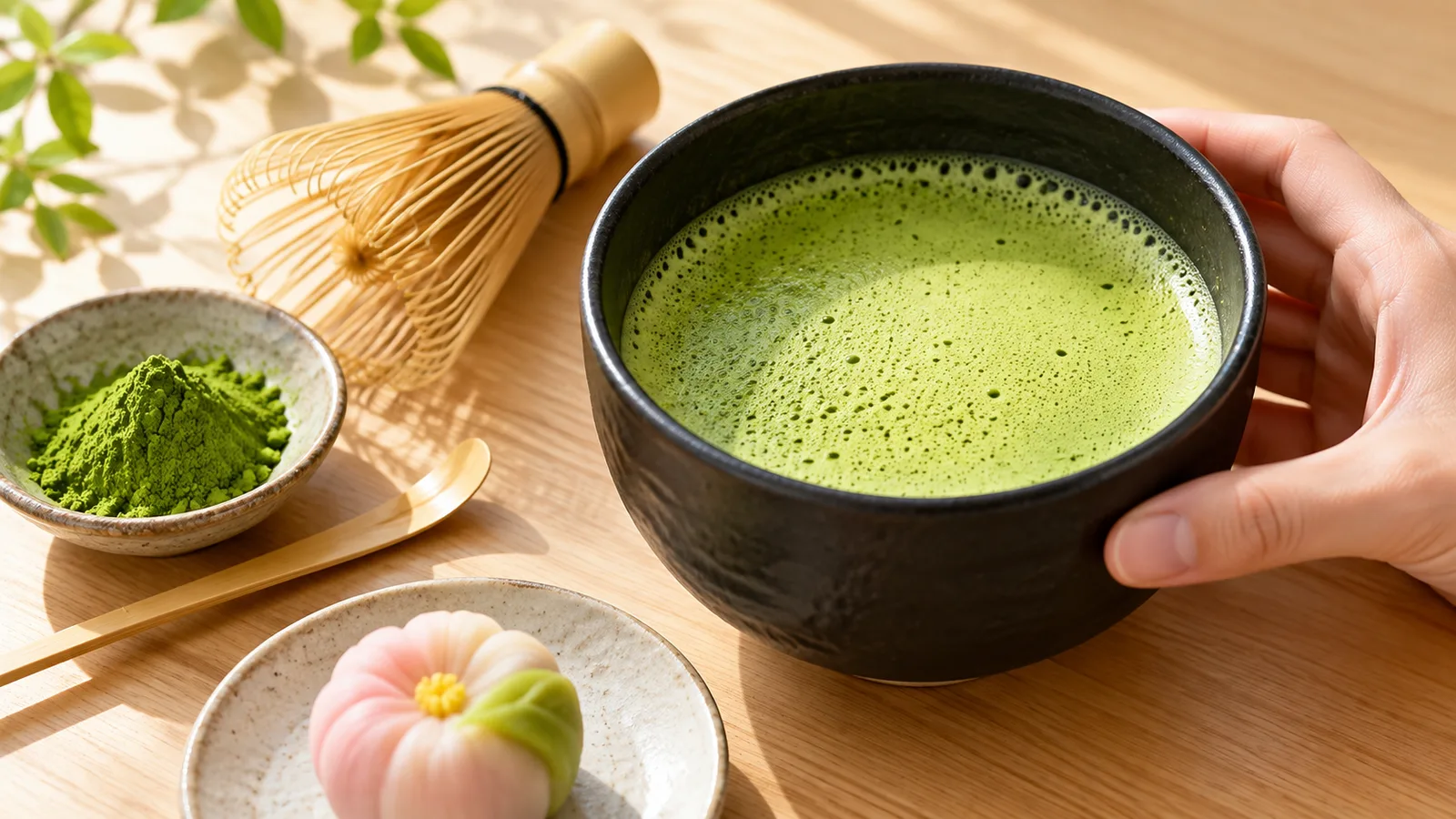
Is Matcha Bitter? What to Expect
Worried that matcha might taste too bitter? If you have only tried a sweet latte, a bowl made with powder and water will taste different. Matcha naturally has some bitterness, and people experience it differently. This guide explains what affects the flavour and what to expect when you whisk your own bowl.
Popular in Tokyo right now — our most recommended experience
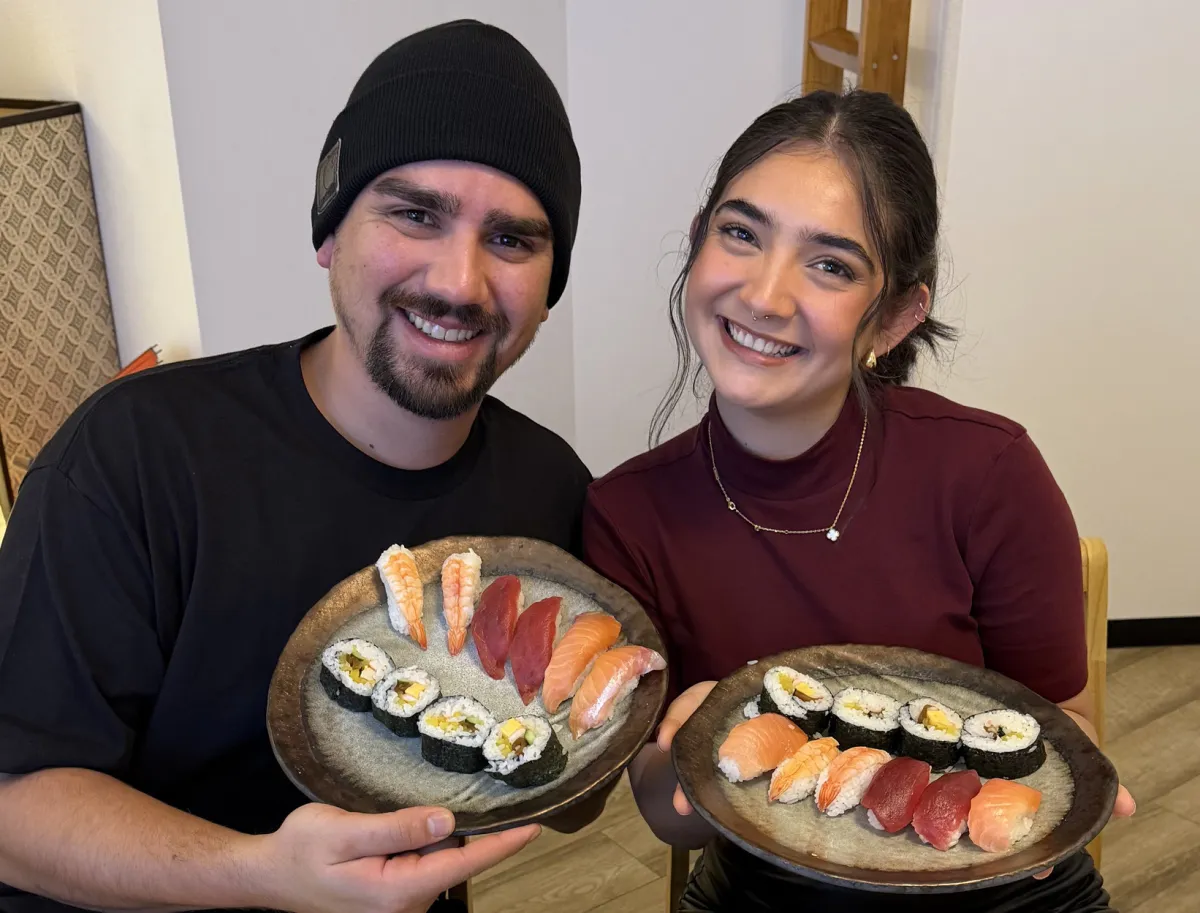
Tokyo Sushi Making Class : Sake Ceremony & Matcha Experience in Asakusa
Short answer
Matcha can combine umami, vegetal notes, gentle sweetness and bitterness. The balance depends on the tea, the powder-to-water ratio, temperature and your own taste. A bitter bowl is not automatically poor-quality tea. Sifting and whisking help disperse the powder and improve texture; they do not remove the compounds that taste bitter.
Where matcha's bitterness comes from
Green tea contains two groups of compounds that pull the flavour in different directions:
- Catechins, the tea's polyphenols, bring bitterness and astringency (the drying feeling on your tongue).
- Amino acids, especially theanine, bring the savoury, almost brothy taste the Japanese call umami, along with a soft sweetness.
Matcha is made from tea plants that are shaded before harvest. Shading changes the balance of compounds in the leaf and helps it retain theanine. Japan's national agricultural research organisation, NARO, reports that higher-priced matcha tends to contain more theanine, although price alone does not determine flavour.
Matcha is also different from leaf tea in one important way: you drink the whole ground leaf, not an infusion. So everything in the powder ends up in your cup, and the quality of the powder matters more than with a teabag.
What makes a bowl taste harsher
Water that is too hot
According to the Japanese tea guide Ocha Hyakka, catechins dissolve readily at around 80°C and above, while the savoury amino acids come out at lower temperatures. That is why tea makers recommend cooled water for fine Japanese teas.
For thin matcha (usucha), the tea merchant Satoen suggests about 1.5 to 2 g of powder, 70 to 80 ml of water at around 70 to 80°C, and 20 to 30 seconds of whisking. It warns that water straight off the boil brings out strong bitterness and astringency.
Clumps and poor whisking
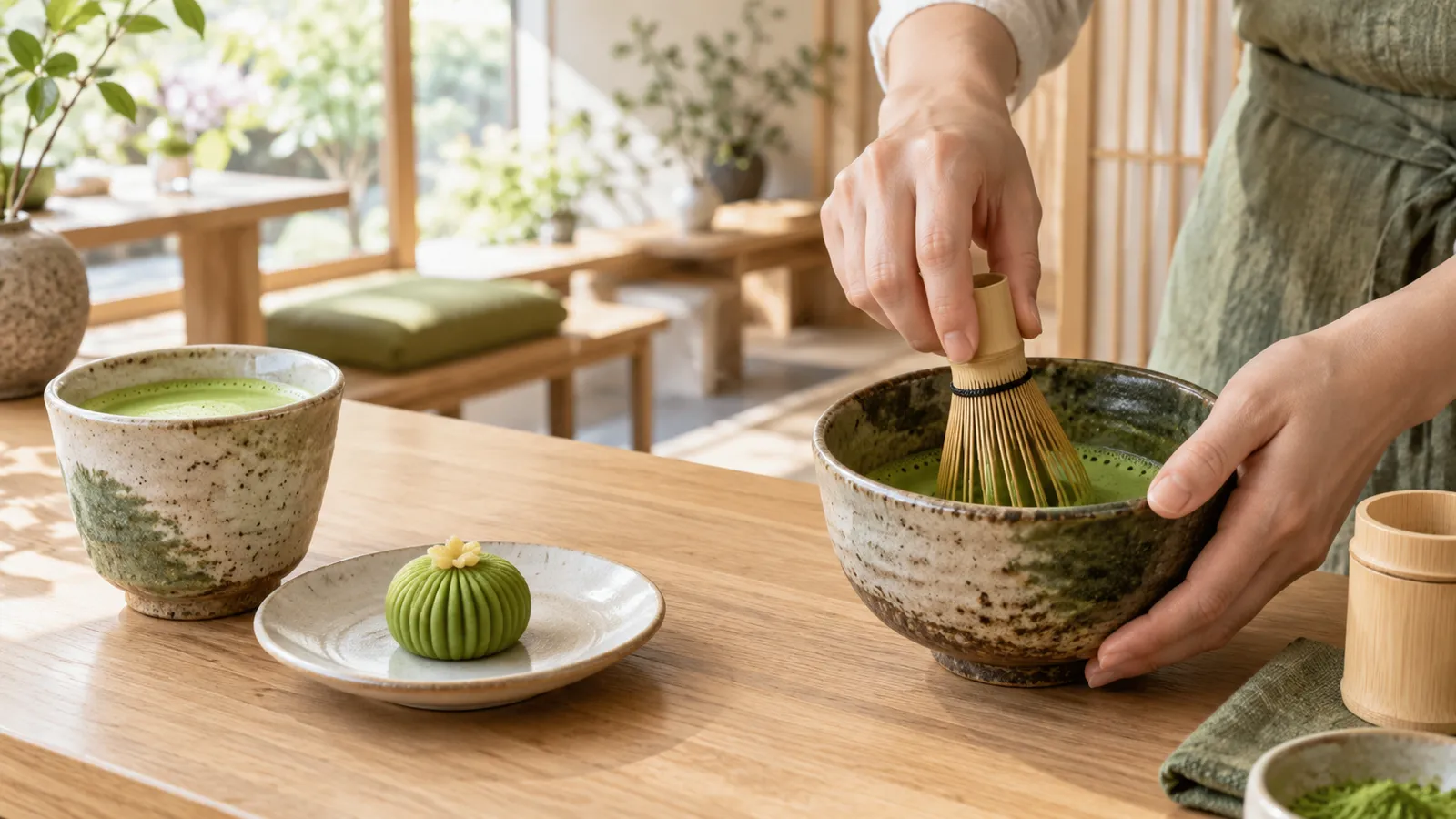
Matcha powder clumps easily. Lumps that are not broken up give you bitter, powdery pockets. Whisking with quick strokes from the wrist mixes the powder evenly and creates a layer of fine foam, which makes the tea taste smoother and softer on the tongue.
Lower-grade powder
Powders sold for baking or lattes are made to stand up to milk and sugar. Drunk on their own with just water, they can taste much sharper than tea meant for drinking.
Matcha after sushi: why the bitterness helps
After sushi, matcha’s light bitterness can contrast with the richness of fatty fish and seasoned rice. You may enjoy that contrast, or still find unsweetened matcha too bitter for your taste.
That is also why our class ends with matcha rather than starting with it. You eat the nigiri and maki you made first, then whisk your bowl.
What you can expect in our class
In our signature sushi and matcha class, you finish by whisking your own bowl of ceremonial-grade matcha. An instructor guides you through the whisking, so your first bowl has a much better chance of being smooth and foamy rather than lumpy and bitter.
A few things to know:
- It is your bowl. You make it, taste it and decide how much to drink. A few sips are enough to know what good matcha tastes like.
- The flavour is not sweetened. Traditional matcha is just powder and water. If you know you only enjoy sweet drinks, it is still worth trying a sip after the sushi, when the contrast is at its most pleasant.
- Matcha contains caffeine. If you avoid caffeine, for example during pregnancy, our guide to a sushi class while pregnant explains what to ask before booking.
If you want to know more about the session as a whole, our article on what you make in a sushi and matcha class walks through each step.
Café matcha, tea ceremony or whisking your own?
There are several ways to try matcha in Tokyo, and they suit different people:
- A café lets you try matcha in many forms, from a traditional bowl to lattes and desserts. Our comparison of a matcha café or a matcha class in Asakusa covers what each gives you.
- A tea ceremony focuses on etiquette, the host's movements and the setting. See matcha workshop or tea ceremony for the differences.
- Whisking it yourself shows you directly how water, powder and technique change the taste, which is the best answer to "Is it bitter?"
Tips if you want to make it at home
- Buy matcha sold for drinking and keep it sealed in the fridge once opened.
- Sift the powder into the bowl to remove clumps.
- Let boiled water cool for a few minutes before pouring.
- Whisk briskly from the wrist until a fine foam forms, then drink it while it is fresh.
Try it after your sushi
Matcha has a naturally bitter side, and enjoying it is a matter of taste. Trying a small sip after sushi can help you decide whether you like it. Book the sushi and matcha class in Asakusa and taste the difference in a bowl you make yourself.
Related Articles
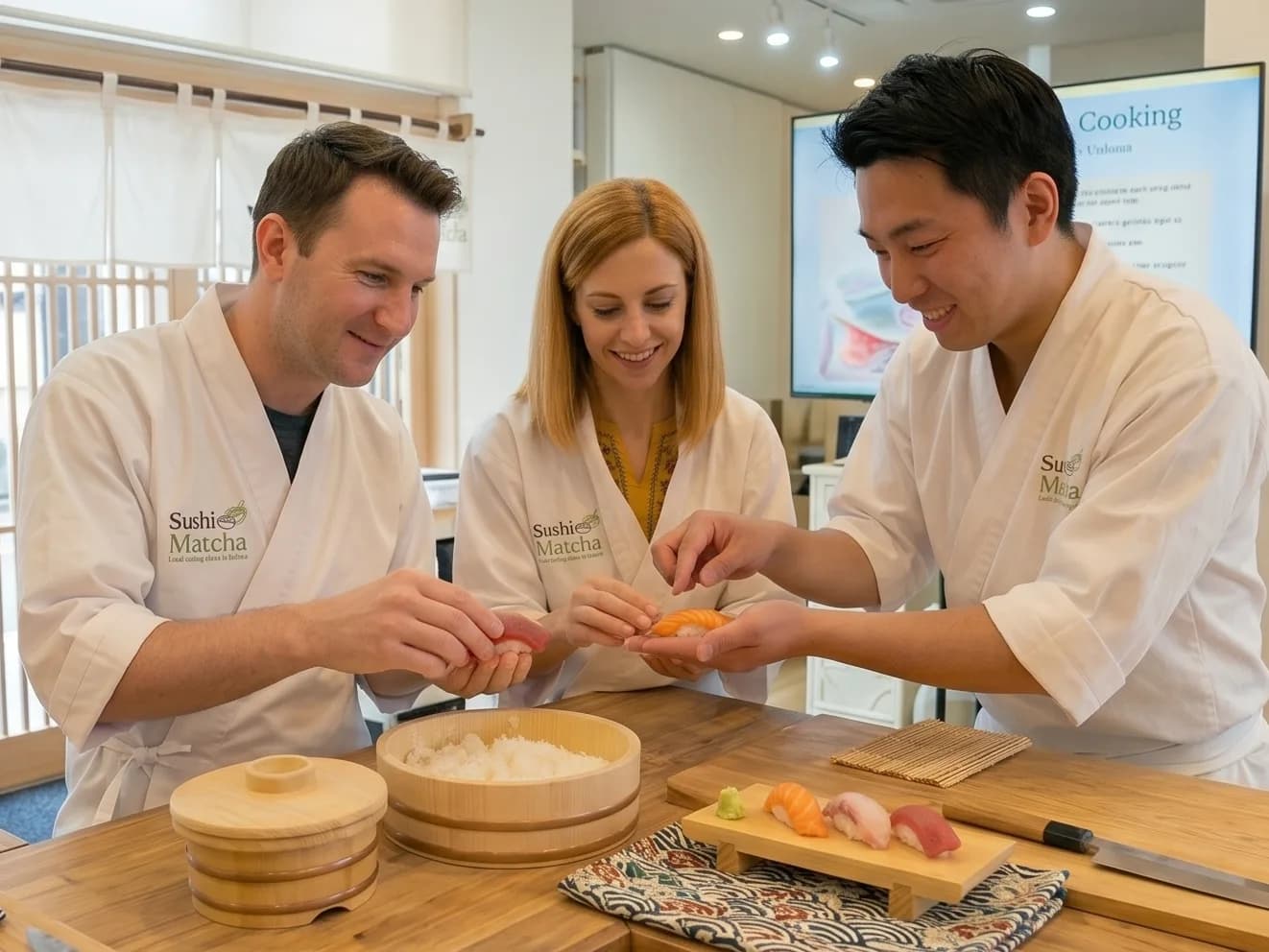
What Do You Make in a Sushi & Matcha Class?
What happens in our 90-minute Asakusa class: a sake toast, hand-shaped nigiri and rolled maki, eating what you made, then whisking your own matcha.
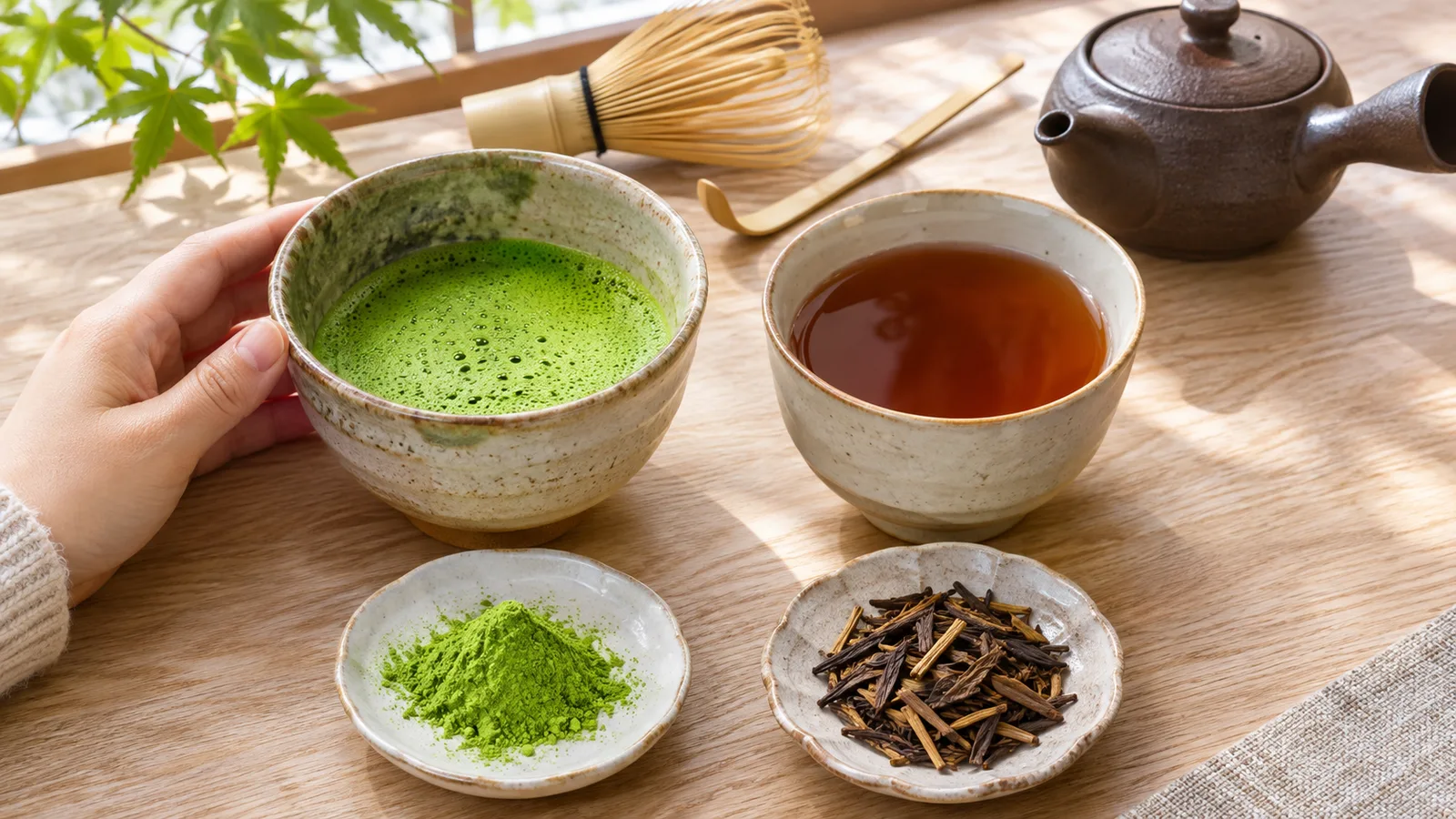
Hojicha vs Matcha: What Is the Difference?
Hojicha and matcha are both Japanese green teas, but one is roasted and one is ground. Compare colour, taste, caffeine, preparation and where to try each.
Matcha in Asakusa: Café or Whisk Your Own?
Want matcha in Asakusa? Compare a café stop with whisking your own bowl in a class: time, booking, what you taste and how to fit both into one day.