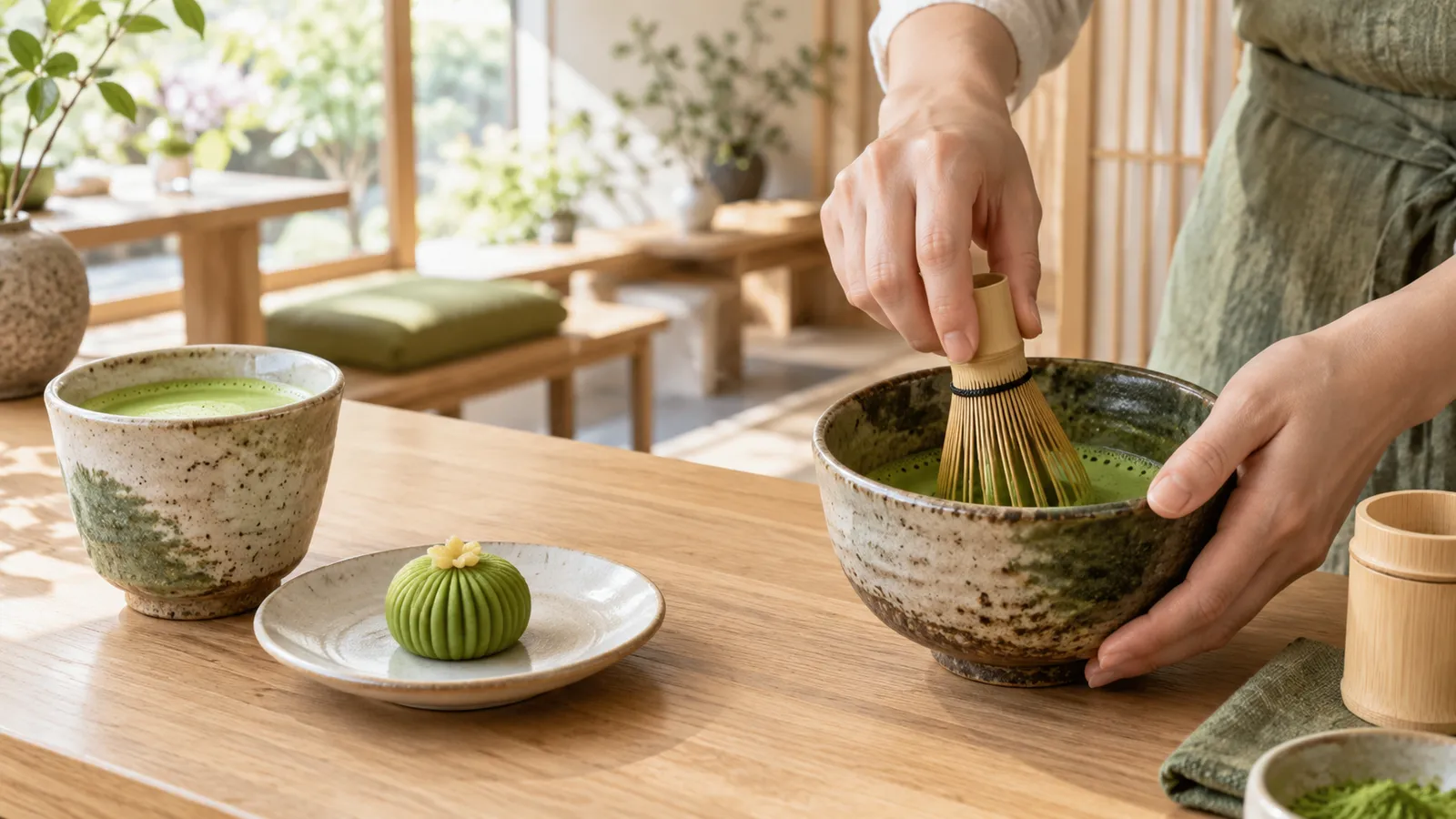
Matcha in Asakusa: Café or Whisk Your Own?
Matcha is one of the things many visitors most want to try in Asakusa. Walk from the station towards Senso-ji and you will pass tea shops, sweet shops and cafés offering matcha in many forms: a whisked bowl with a small sweet, a latte, soft-serve, gelato or parfaits. You can also prepare a bowl yourself in a hands-on class. Both are good ways to meet matcha, but they answer different questions. One is about tasting; the other is about doing.
This guide compares the two so you can decide which fits your day, or how to combine them. Our own offer is the signature sushi and matcha class, a 90-minute session in which you make nigiri and maki, eat what you made and finish by whisking your own matcha. We do not run a café, so we will not rank individual shops here. The aim is to help you choose the format.
Popular in Tokyo right now — our most recommended experience
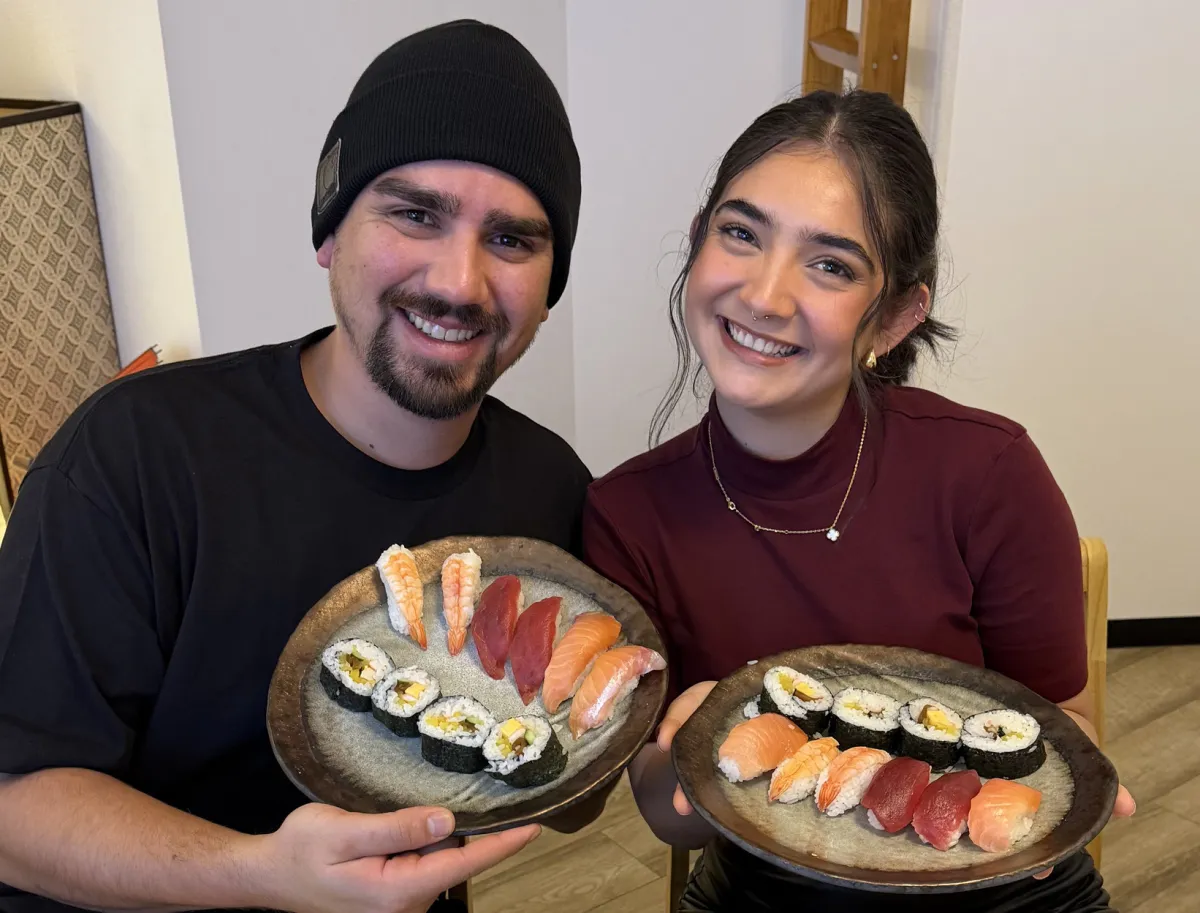
Tokyo Sushi Making Class : Sake Ceremony & Matcha Experience in Asakusa
The short answer
- Choose a café if you want to taste matcha, try a sweet or dessert with it, keep your schedule flexible and spend 20 to 45 minutes.
- Choose a class if you want to hold the whisk yourself, learn the motion with guidance, and make matcha part of a bigger hands-on experience with a meal.
- Do both if matcha is a highlight of your trip: whisk it once in class, then compare it with the versions you find in cafés.
What a café visit gives you
A café stop is the easiest way to try matcha. You usually do not need a reservation, you can choose from a menu, and you leave whenever you like. That flexibility is useful on a busy sightseeing day around Senso-ji and Nakamise Street.
Cafés also let you explore how varied matcha can be. A traditional whisked bowl tastes very different from a matcha latte, and dessert versions range from mild to intensely bitter. If you are curious about flavour and strength, sampling in cafés is a pleasant way to learn what you like.
What a café usually does not give you is the experience of preparing the tea. Someone else measures the powder, adds the water and whisks it behind the counter. You see the result, not the technique. Menus, prices and opening hours vary by shop and season, so check the current details of any café you plan to visit, and expect queues at popular places around the temple at busy times.
What whisking your own matcha gives you
In our class, matcha comes at the end of the session, after the sushi. Each guest whisks their own bowl with a bamboo whisk, following the instructor's demonstration and guidance in English. You find out quickly that the movement is not stirring: it is a quick, light motion from the wrist that builds a fine foam. Most beginners need a few attempts and a little correction before it feels natural, which is part of the fun.
Making it yourself changes how you taste it. You notice the foam you created, the temperature and the balance with what you just ate. In our class, matcha also follows a sushi meal, so it works as a gentle, slightly bitter finish rather than as a dessert.
It is important to be clear about scope. The matcha part is a hands-on introduction inside a combined sushi class. It is not a formal tea ceremony, a tea-school lesson or a tasting of several matcha grades. If you are deciding between a dedicated tea experience and a combined class, our comparison of a matcha workshop or tea ceremony explains what each format usually involves.
Comparing the two side by side
Time. A café visit can be as short as you like. Our class has a fixed start time and lasts about 90 minutes, and you should arrive 10 minutes early.
Booking. Cafés are usually walk-in. The class needs a reservation, and the live calendar shows which sessions still have space. Same-day booking is possible when spots remain.
What you consume. At a café you choose a drink or a dessert. In the class you eat the full plate of sushi you made, share a sake toast (water or Japanese green tea is available if you prefer not to drink alcohol) and finish with the matcha you whisked. It is a real meal, not a tasting.
Cost. A café drink is a small purchase. The class costs more because it includes ingredients, tools, instruction, the meal and the drinks. Our guide to what is included in the class price breaks this down so you can compare like with like.
Language and help. Ordering in a café is usually simple with a menu. In the class, an instructor explains each step in English and helps you while you work.
Dietary needs. Cafés vary in what they can tell you about ingredients. For the class, you can mention dietary needs when booking; a plant-based vegan sushi class runs in the same 90-minute format and also ends with matcha.
How to fit both into one Asakusa day
Matcha cafés and the studio are in the same neighbourhood, so it is easy to combine them. The studio is about five minutes on foot from Senso-ji and Kaminarimon. Two simple shapes work well:
- Class first, café later. Take a late-morning or midday class, which also covers lunch. Walk to Senso-ji afterwards, then stop at a café in the afternoon to try a matcha dessert. Having whisked your own bowl, you will notice the differences.
- Café first, class later. Visit the temple early, have a light matcha drink rather than a full dessert, and arrive at the studio with an appetite. Our guide to planning meals around a sushi class helps you avoid arriving too full.
For a fuller day around the temple, see Senso-ji and a sushi class on the same day. On a wet day, an indoor class and a café make an easy pair; our rainy-day Asakusa plan shows how.
Who each option suits
A café suits travellers with a packed schedule, those who mainly want to taste, and anyone who prefers to wander without a fixed appointment. It is also an easy choice when you have only a short gap between other plans.
The class suits travellers who want to make something with their hands, first-time visitors who want an introduction to both sushi and matcha in one booking, and couples, friends or solo travellers looking for a shared activity. Children aged four and above can take part in the regular class.
Before you book
If whisking matcha yourself is the experience you want, check the dates and times on the signature class page and choose a session that leaves room for a café visit before or after. Then you can enjoy matcha in Asakusa both ways: made by someone else, and made by you.
Related Articles
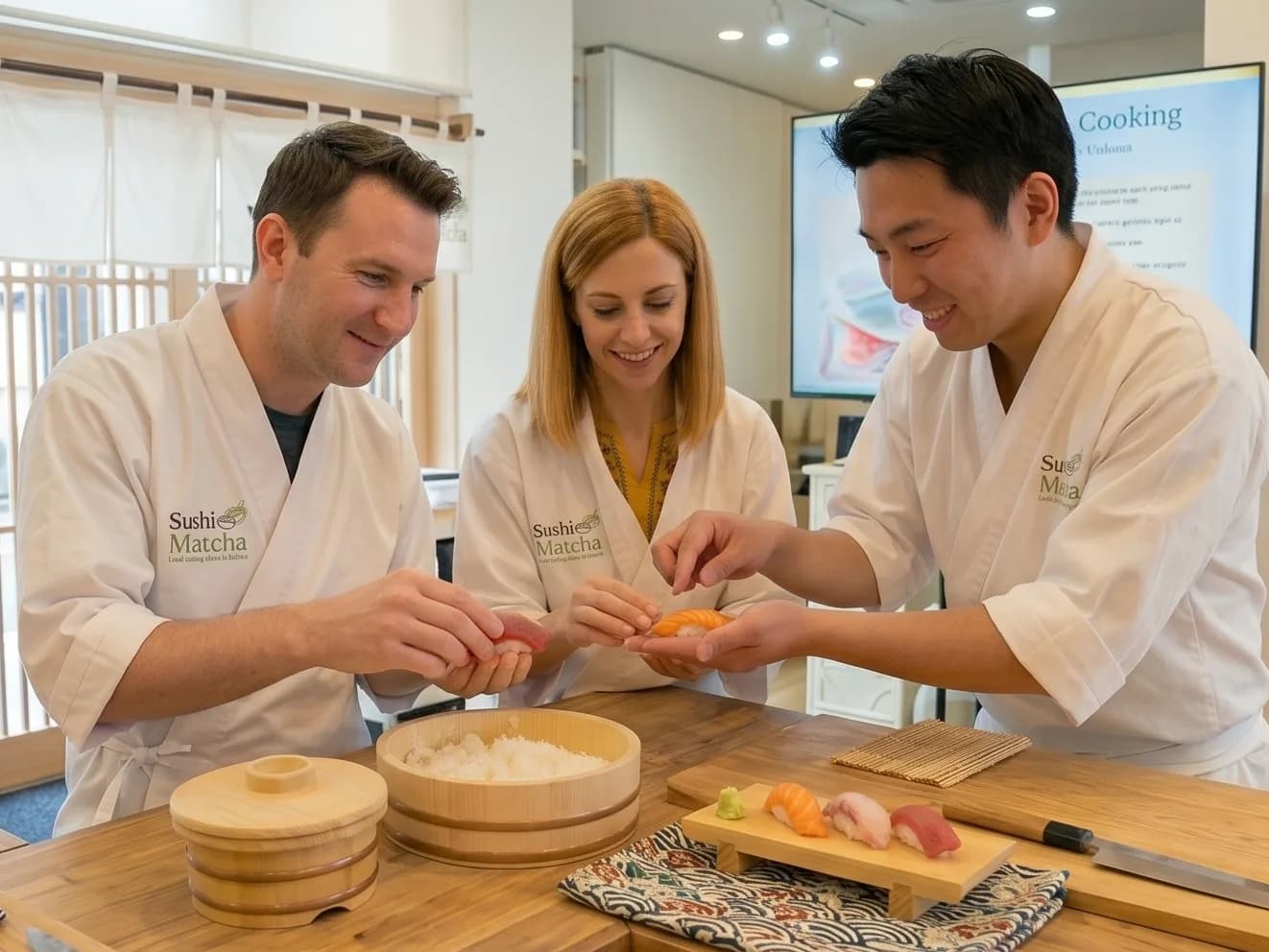
What Do You Make in a Sushi & Matcha Class?
What happens in our 90-minute Asakusa class: a sake toast, hand-shaped nigiri and rolled maki, eating what you made, then whisking your own matcha.
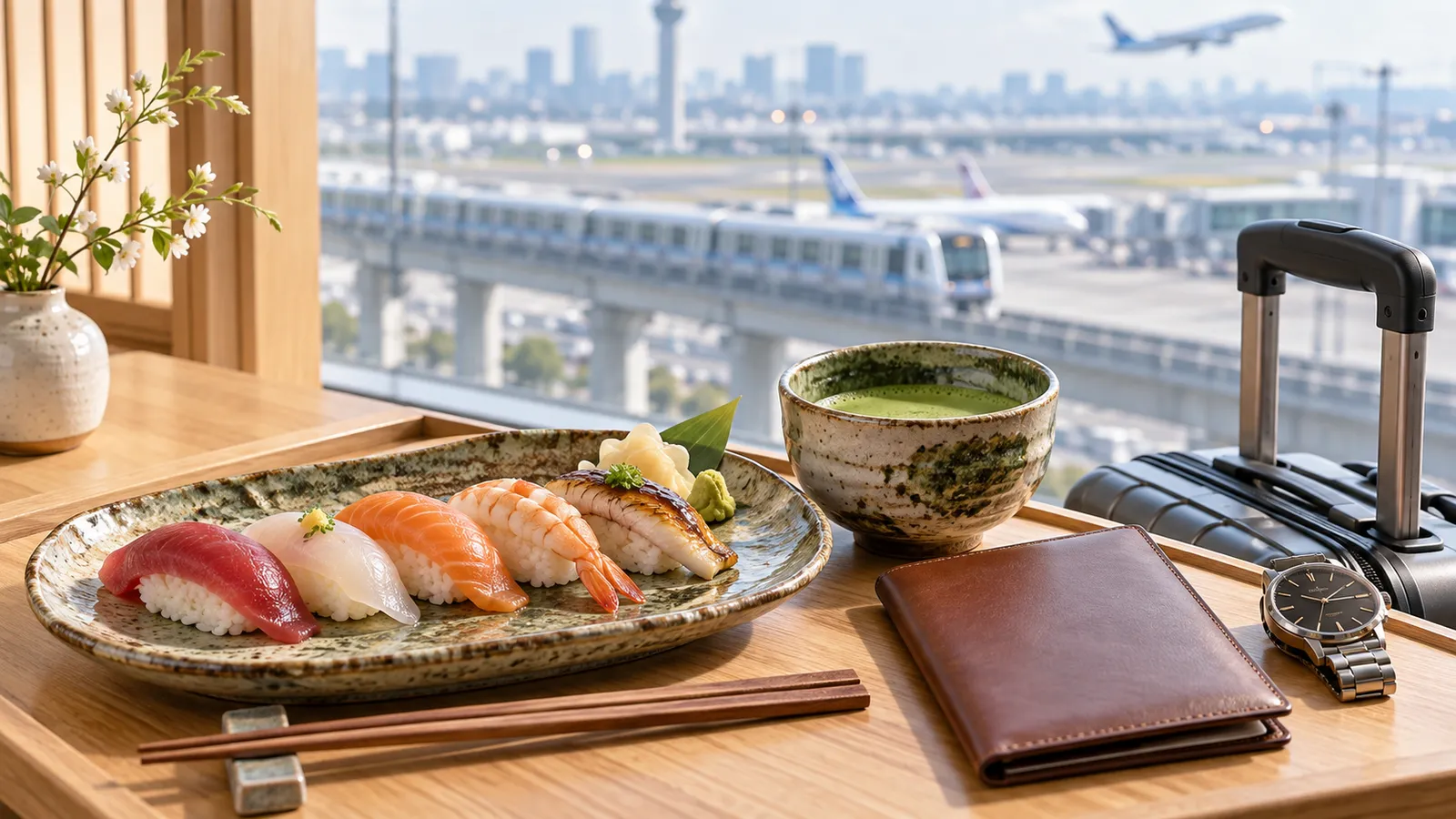
A Sushi Class on a Tokyo Layover
Changing planes in Tokyo? How to judge whether a layover leaves time for a sushi class in Asakusa: entry, trains, bags and a safe return margin.
A Sushi Class on a Tokyo Cruise Port Day
Docking in Tokyo or Yokohama? How to fit an Asakusa sushi class into a port day, with travel time, all-aboard margins and what to check before booking.