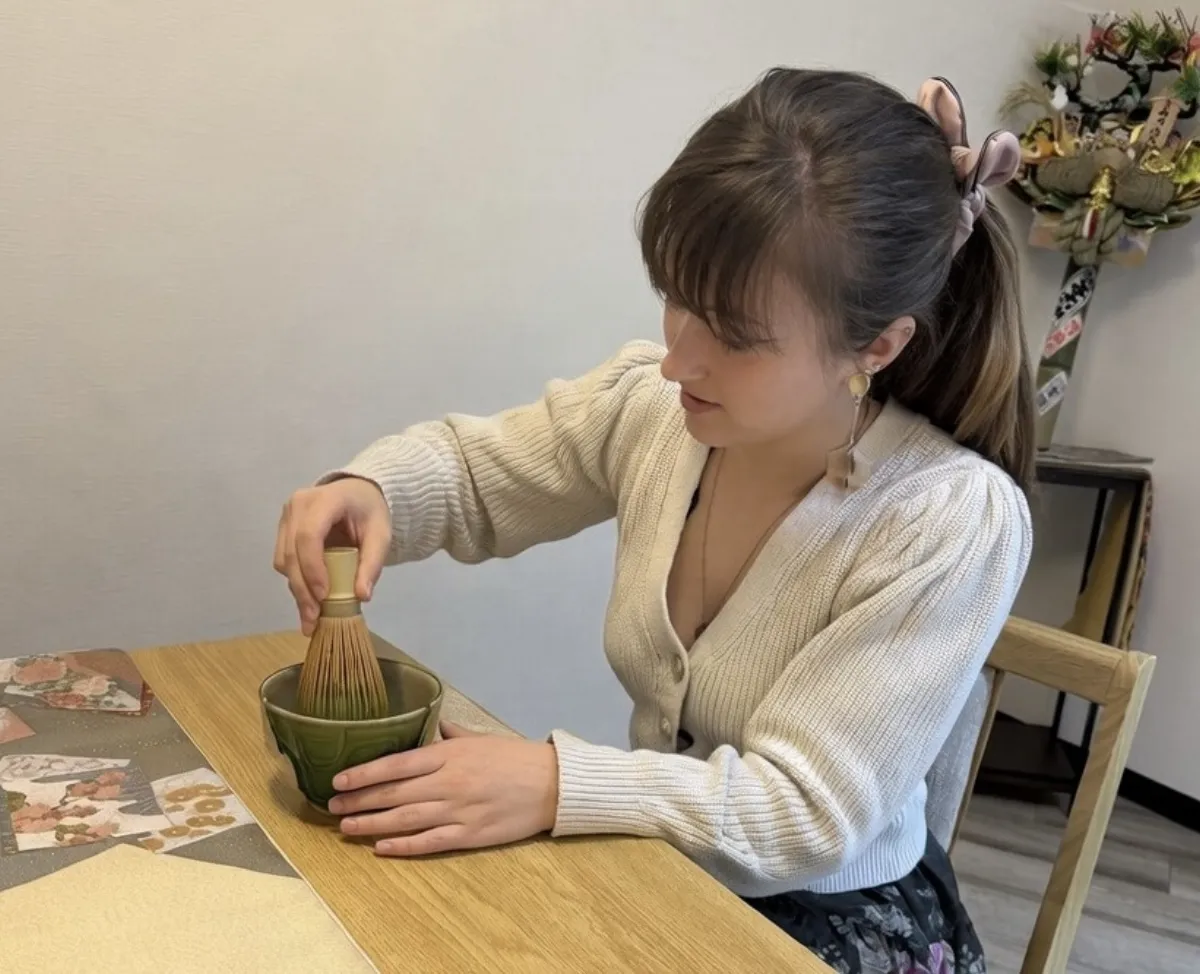
Matcha Workshop or Tea Ceremony?
A photograph of a bamboo whisk does not tell you what a matcha experience includes. You might prepare your own bowl, watch a host serve tea, or finish a cooking class with a short introduction to whisking. Before booking in Tokyo, decide which part you most want to experience. That choice matters more than whether the listing uses the words “authentic,” “ceremony,” or “workshop.”
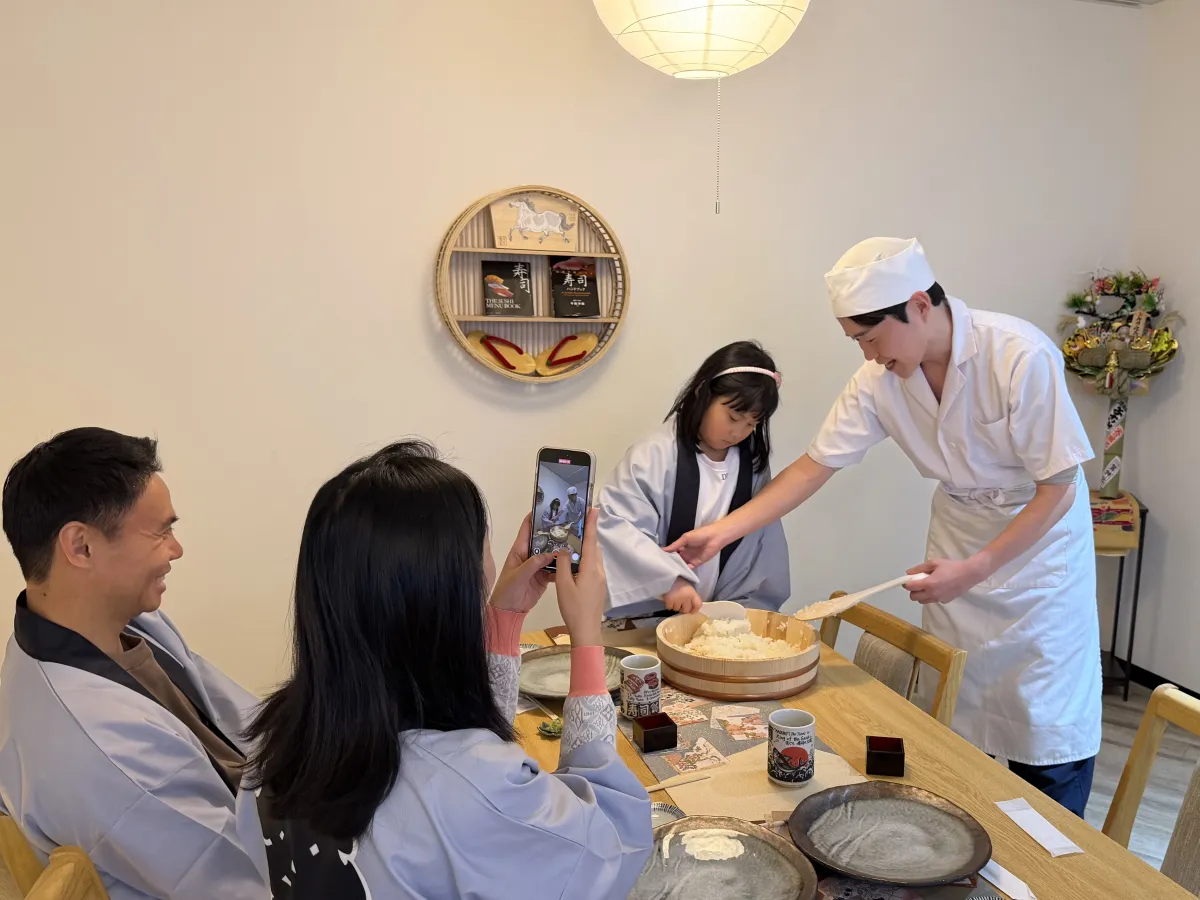
At Sushi Matcha, the signature sushi and matcha class combines making nigiri and maki with whisking your own matcha in one 90-minute session. It is a combined food experience. If you want a visit devoted to tea ceremony, check the actual programme rather than assuming that any activity serving matcha provides one.
Popular in Tokyo right now — our most recommended experience
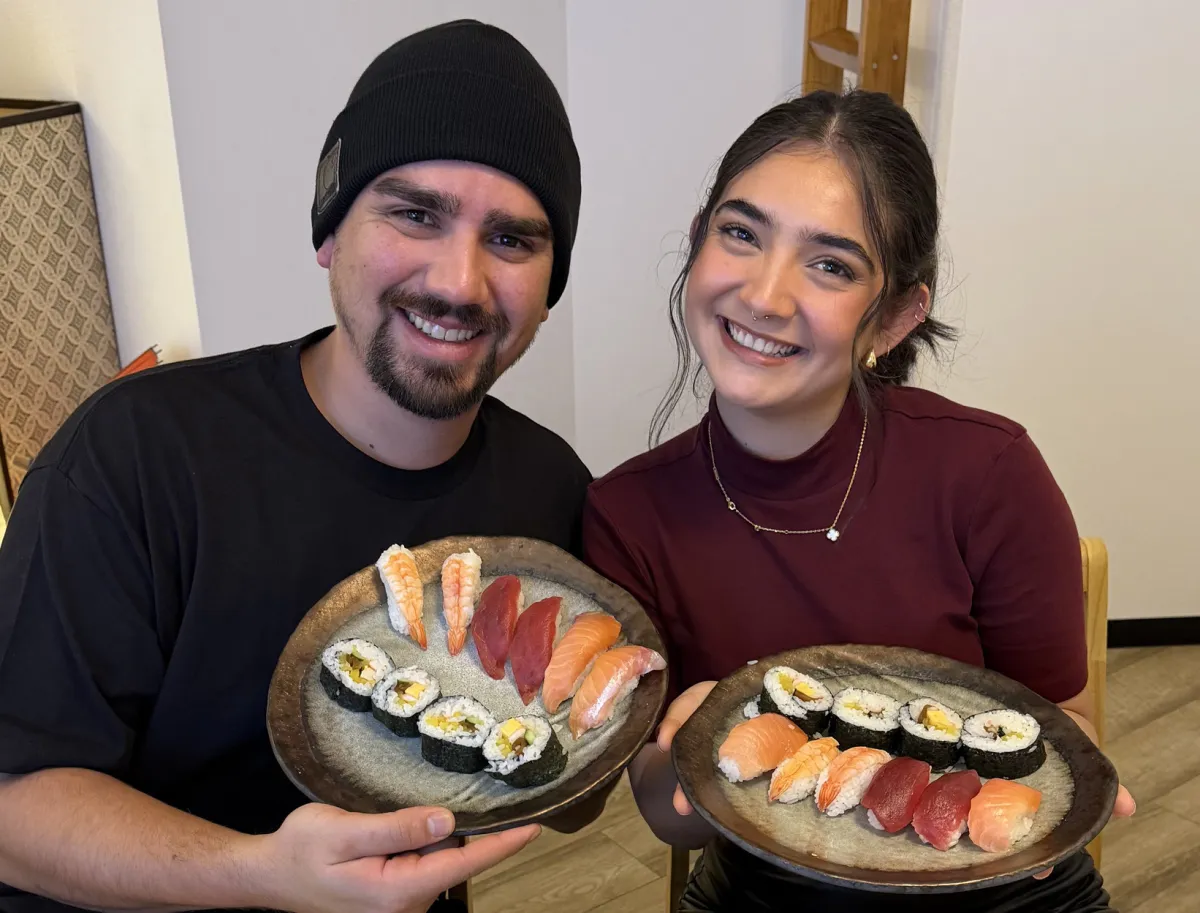
Tokyo Sushi Making Class : Sake Ceremony & Matcha Experience in Asakusa
Start with what you want to do
Ask yourself one concrete question: what would make the visit worthwhile? Perhaps you want to feel how a whisk moves through the tea. Perhaps you are interested in a host's sequence of preparation and serving. Or perhaps your travel companion wants to make sushi while you would like a first encounter with matcha. These are all useful starting points, but they lead to different bookings.
For a little background before choosing, our introduction to matcha explains the drink and the tools associated with it. Use background reading to identify your interests, then return to the current product description for what is actually included. A cultural guide is not a promise of a particular class syllabus.
Read the activity, not just the name
A matcha workshop may focus on practice, while a tea ceremony visit may place more emphasis on observing and participating as a guest. There is no universal itinerary behind either English label. Ask whether every participant prepares a bowl, how much of the visit concerns tea, and whether instruction is included in the language you need.
For context about chado itself, Urasenke's introduction discusses the tradition. When comparing visitor experiences, keep your questions practical: what will you do, what will you watch, and what is the host offering? Do not infer a particular tea school, qualification or formal ritual from a photo of utensils.
What the combined class offers
Our signature class is an English-language introduction to making nigiri and maki, followed by whisking your own matcha. Ingredients and tools are included. The advertised 90 minutes covers the whole experience, including its other activities; it does not mean 90 minutes of tea instruction followed by a separate sushi lesson.
This format suits visitors who want an introduction to both food and tea in one booking. You will be joining a cooking studio session in Asakusa, with a published capacity of up to 20 guests. That maximum describes capacity, not the number who will attend your particular session. Booking several places does not automatically reserve the room privately.
What you should not assume is included
The combined experience should not be booked on the assumption that it includes a tea-school qualification, a full formal tea gathering, a kimono rental, a tasting of several matcha grades, or a dedicated tea-only session. None of those follows from “whisk your own matcha.” If one of them is essential, ask about it before paying or choose a product that explicitly offers it.
Likewise, a tea experience does not necessarily mean kneeling on tatami. If seating or access arrangements matter to you, contact the provider about the exact space and activity. Our product is held in a studio under the railway tracks; photographs of a quiet traditional tearoom elsewhere are not a description of this setting.
Compare the whole booking
Compare the total time, total price for your party, location and included activities together. Two separate experiences require checking two available time slots and the transfer between them. A combined class gives you one session to plan around, but it also divides the available time between sushi and tea. Neither format is automatically better; it depends on the experience you want.
Use current availability and the price shown for your participants rather than prices quoted in an old travel article. Website opening hours are not a list of bookable start times. If you are reserving an additional activity afterward, allow time to leave the studio and reach its actual meeting point instead of treating the class end time as your next appointment.
Food, drinks and expectations
If your party has food preferences, check the sushi menu as well as the tea component. Someone who wants plant-based ingredients should use the relevant menu option and communicate any additional requirements. Being interested in matcha does not remove the need to choose a suitable cooking menu.
Our guide to wagashi and matcha explores another side of enjoying tea. It is cultural background, not a guarantee of a specific seasonal sweet in your booked session. Ask about any ingredient or included item that affects your decision. Do not rely on a seasonal photo to establish what will be served on your date.
A useful question before you reserve
You can write: “We are two visitors interested mainly in preparing matcha ourselves. How much of this activity focuses on tea, and what does each person do?” If your priority is formal ceremony, say that instead. Clear questions help the host explain whether the product matches your expectations.
If learning sushi and trying matcha together is the combination you want, check the current signature class details. Confirm the date, participant numbers, menu and total before reserving. You will arrive knowing what you chose, with room to enjoy both parts of the experience.
Related Articles
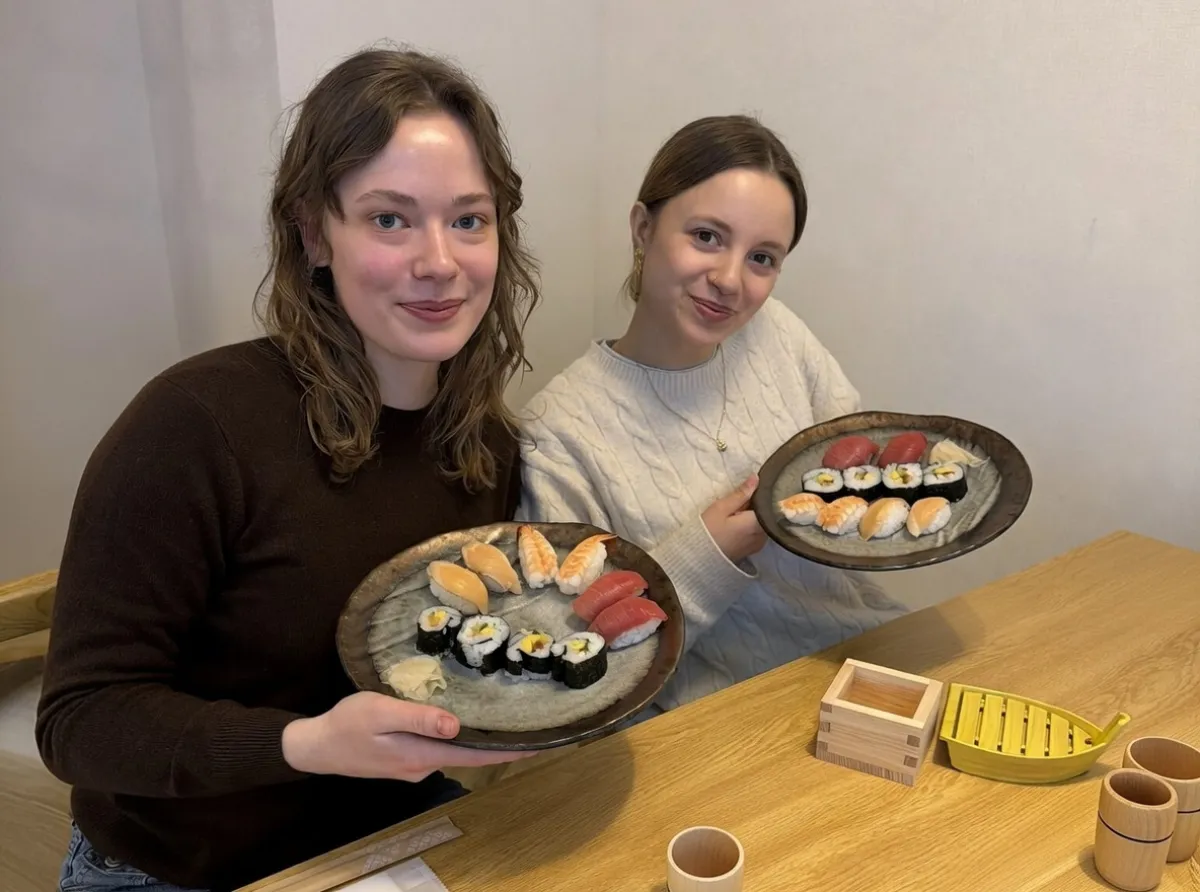
Sushi Class Before Hotel Check-in
Have luggage before hotel check-in? Plan an Asakusa sushi class around studio storage, the right station exit and a confirmed reservation.
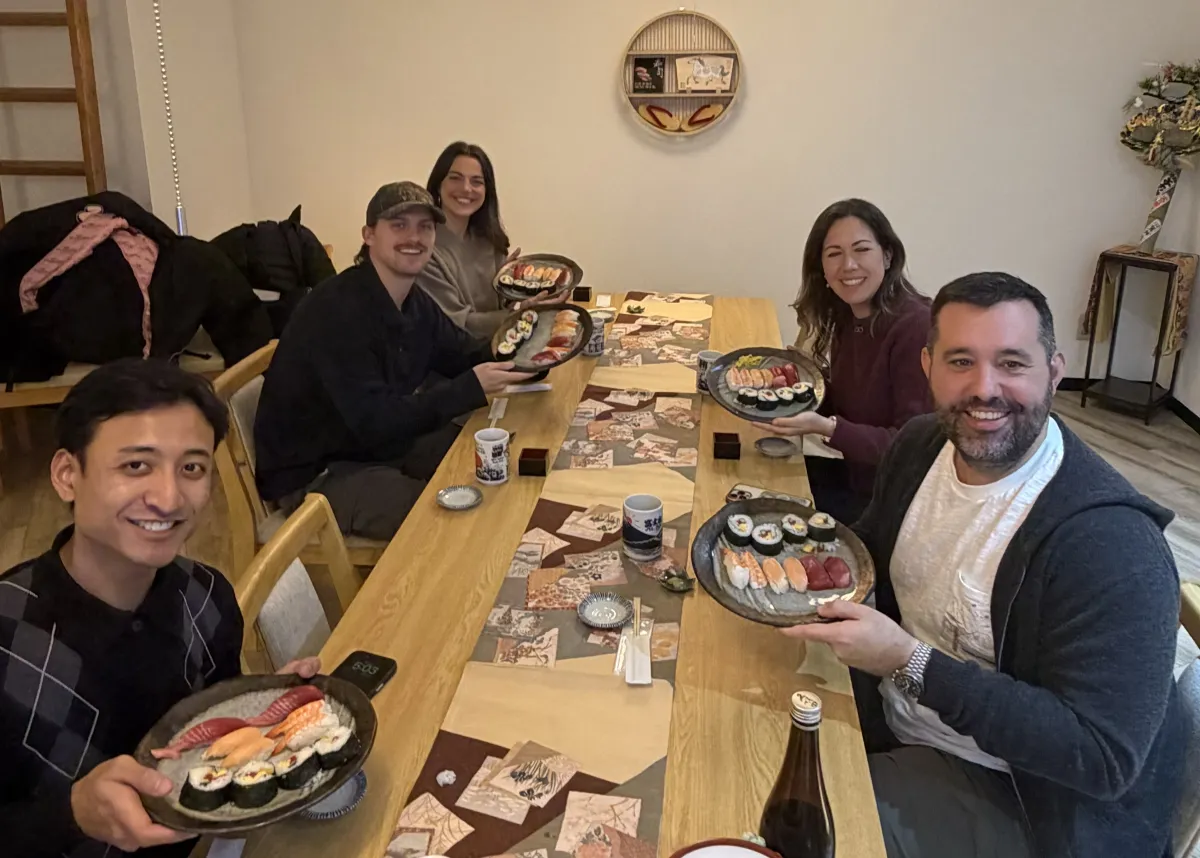
A Sushi Class Without Drinking Alcohol
You can join our Asakusa sushi class without drinking sake. Learn about water and tea options, the shared setting and what to ask before booking.
Shared or Private Sushi Class in Tokyo?
Compare shared and private sushi classes in Asakusa: group size, pace, family needs, pricing units and how your booking is confirmed.