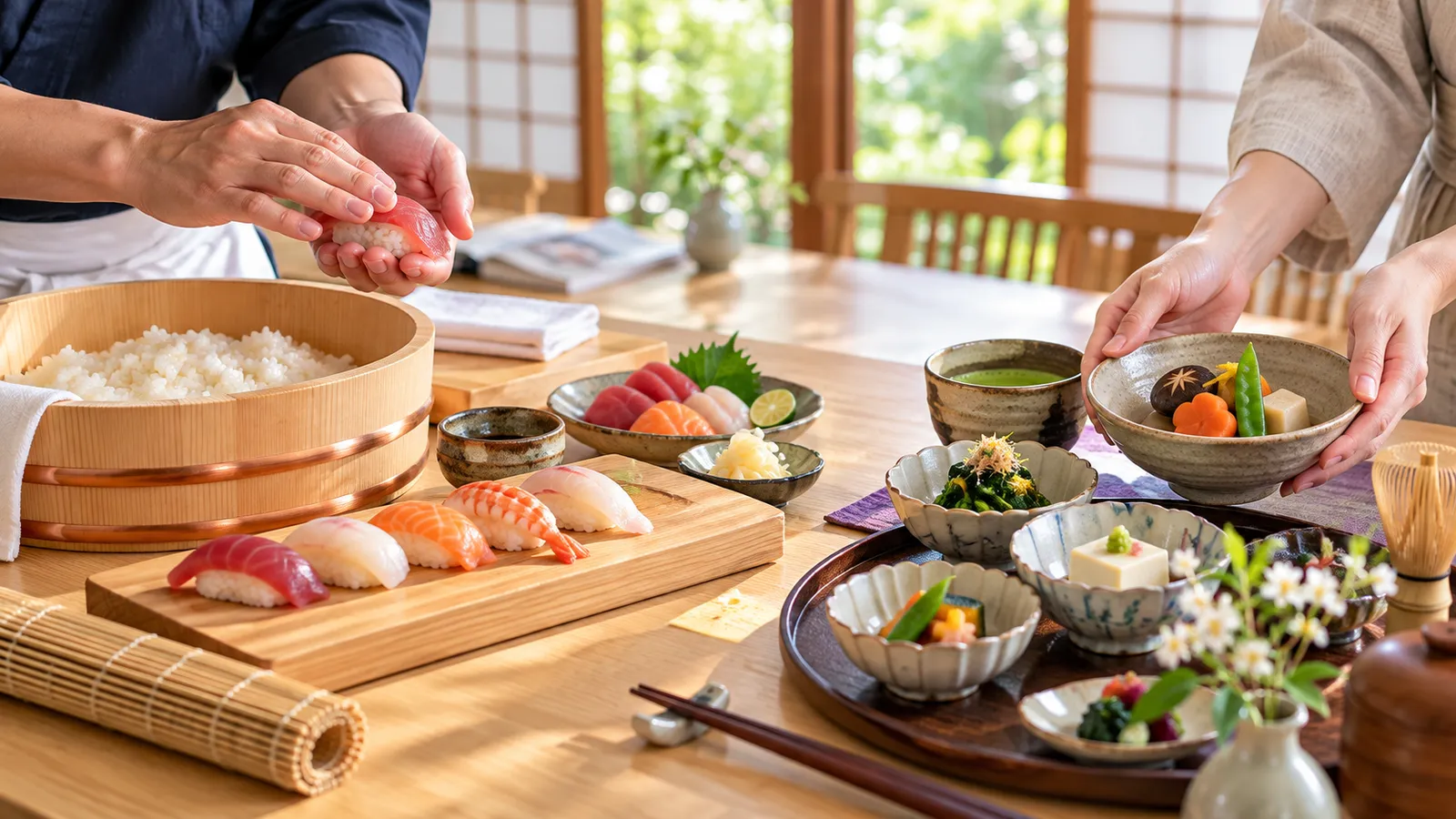
Cooking Class in Tokyo or Kyoto?
Many first trips to Japan follow the same line on the map: Tokyo, then Kyoto, sometimes Osaka, then home. Somewhere in the planning, a hands-on cooking class goes on the wish list, and a simple question follows. Should it happen in Tokyo or in Kyoto?
Both cities have good reasons to cook in them. The better choice usually depends less on which city is "more authentic" and more on what you want to make, where the class fits in your route, and how much spare time each stop really has. This guide walks through those three points. We run a sushi class in Asakusa, so we will be clear about where Tokyo is the natural fit and where it is not.
Popular in Tokyo right now — our most recommended experience
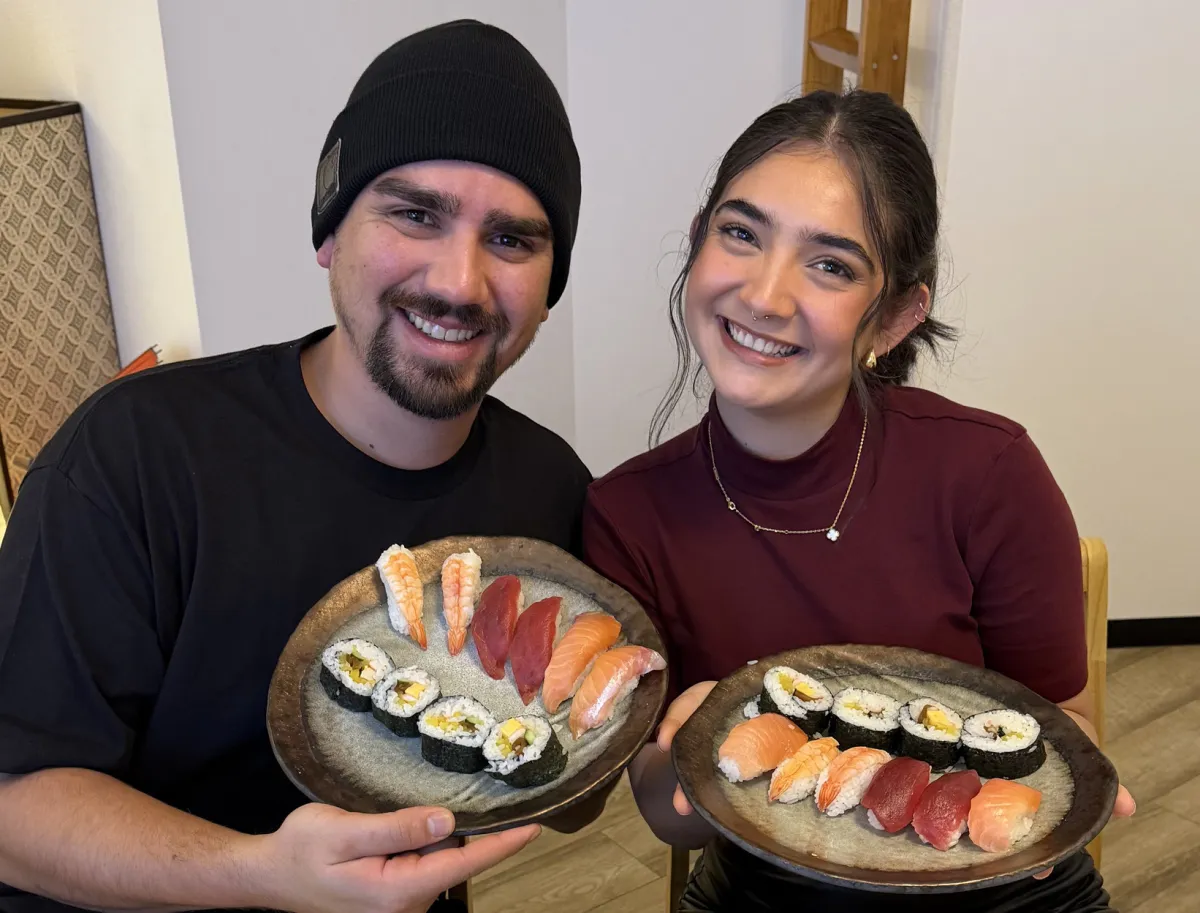
Tokyo Sushi Making Class : Sake Ceremony & Matcha Experience in Asakusa
What each city is known for
Tokyo is the home of Edomae sushi. The style of nigiri most visitors picture today grew out of Edo, the old name for Tokyo, where hand-pressed sushi became fast food for a busy city. If the dish you most want to understand is sushi, cooking it in Tokyo connects the lesson to the place the style came from. Our article on the history of Edomae sushi tells that story in more detail.
Kyoto is known for a different side of Japanese food: refined kaiseki courses, home-style obanzai dishes, tofu and yuba, and a long relationship with tea. Uji, just south of the city, is one of Japan's best-known tea regions. If your main interest is multi-course cooking, vegetable dishes or tea culture on its own, Kyoto offers a strong setting for that.
Neither city has a monopoly. You can find sushi lessons in Kyoto and many kinds of cooking in Tokyo. But the question "what do I actually want to learn?" is a useful first filter.
Where the class sits in your route
The second question is timing. A class works best on a day that is not already overloaded.
Many travellers land in Tokyo and spend their first days there before heading west. A class early in the trip has a practical advantage: you learn the names of common toppings, how sushi rice is seasoned and a little etiquette, and then recognise all of it at restaurants for the rest of the journey. Our guide to what beginners learn in a sushi class lists those skills.
Kyoto days, by contrast, often fill quickly with temples, gardens and early starts to avoid crowds. A short Kyoto stay of two or three nights can leave little room for a fixed-time class. If Kyoto is your longest stop and Tokyo is only a night or two, the balance may point the other way.
It also helps to think about the travel day itself. The Shinkansen between Tokyo and Kyoto takes a little over two hours on the fastest services, plus time to reach the station with luggage. Booking a class on the same day as that transfer is possible, but tight. A settled day in one city is more relaxing.
What you get in an Asakusa sushi class
If Tokyo wins, here is what our main class includes, so you can compare it with any Kyoto option on equal terms.
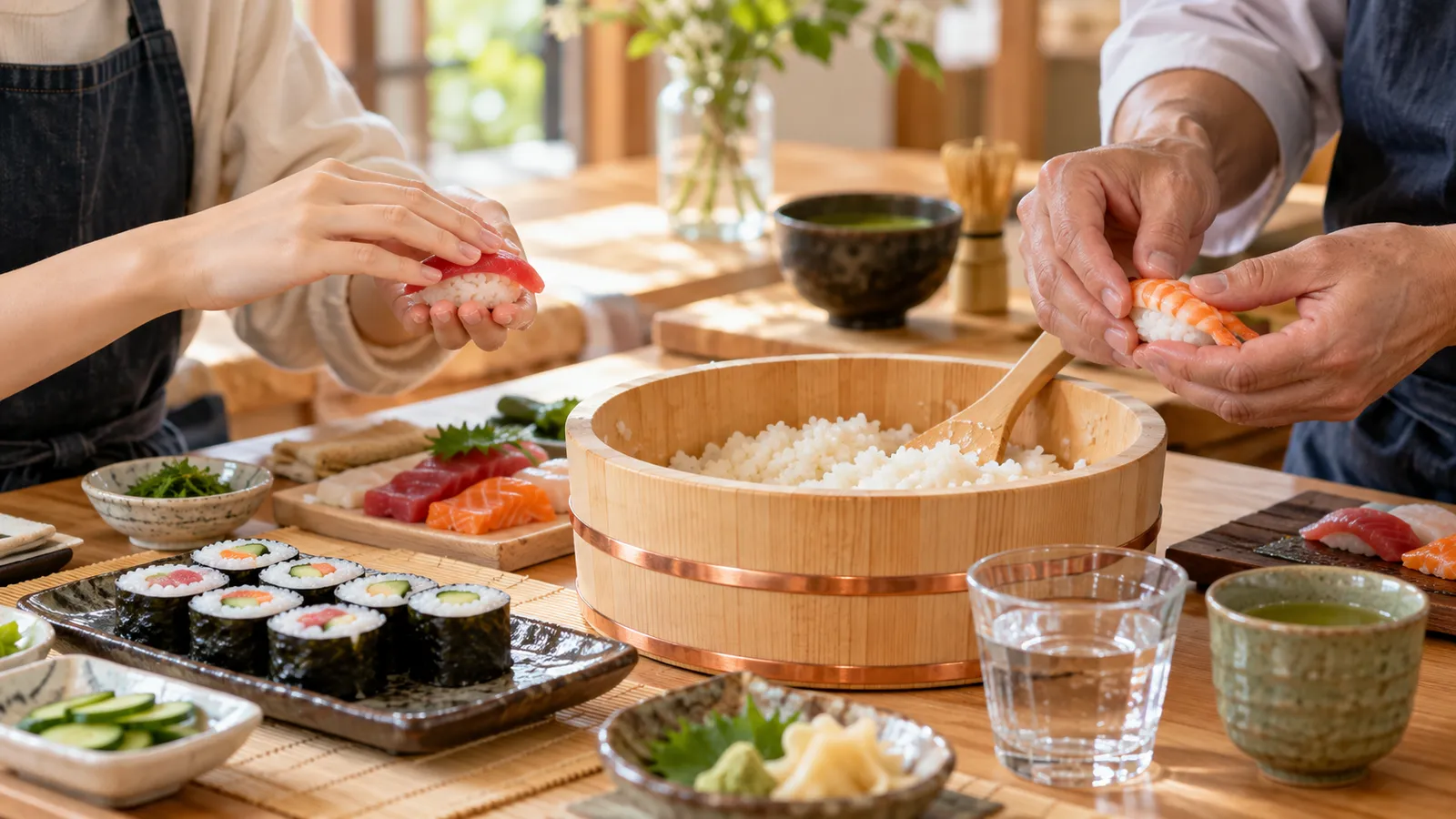
The signature sushi and matcha class lasts about 90 minutes in our studio under the railway tracks in Asakusa. You learn to prepare sushi rice, shape nigiri and roll maki, and each person typically makes 8 to 10 pieces. There is a sake toast with water and green tea for anyone who does not drink alcohol, you eat everything you make as a real meal, and you finish by whisking your own bowl of matcha. Instruction is in English and no experience is needed.
That last part matters for this comparison. Because the class already includes a matcha experience, you do not have to choose between "sushi in Tokyo" and "tea in Kyoto" as if they were mutually exclusive. You can whisk matcha in Asakusa and still visit Uji or a Kyoto tea house later. If you are deciding between a matcha workshop and a formal tea ceremony, our matcha workshop or tea ceremony guide explains the difference.
Dietary needs travel with you to either city. We run a vegan sushi workshop in the same 90-minute session with a plant-based menu, and we can prepare no-raw-fish and allergy-aware alternatives when you tell us at booking.
Three common trip shapes
Tokyo first, Kyoto later. Book the sushi class on your second or third day in Tokyo, once jet lag has eased. Use what you learn at restaurants throughout the trip, and keep Kyoto for temples, gardens and tea.
Short Tokyo stay. If Tokyo is only a night or two, look at when you arrive and leave. A class can still fit before a flight home — our guide to a sushi class before your flight covers the timing and luggage storage.
Long Kyoto stay. If Kyoto is the heart of your trip and your interest is kaiseki or vegetable cooking, a Kyoto class may suit you better. If you still want sushi specifically, planning it for your Tokyo days keeps the Kyoto schedule free.
Questions to settle before booking
- What do you most want to make? Sushi points to Tokyo; multi-course or tea-focused cooking points to Kyoto.
- Which city has a calm day? Choose the one where a 90-minute class does not squeeze everything else.
- Who is coming? Children aged four and above can join the regular class, and families of four or more can request a private class.
- Is the date fixed? Check live availability rather than assuming space on the day you have in mind.
Make the choice and book the fixed point
For most travellers whose main wish is to make sushi, taking the class in Tokyo early in the trip is a simple and rewarding choice. Once you know which Tokyo day is free, check live dates on the signature class page and build the rest of that day around the start time.
Related Articles
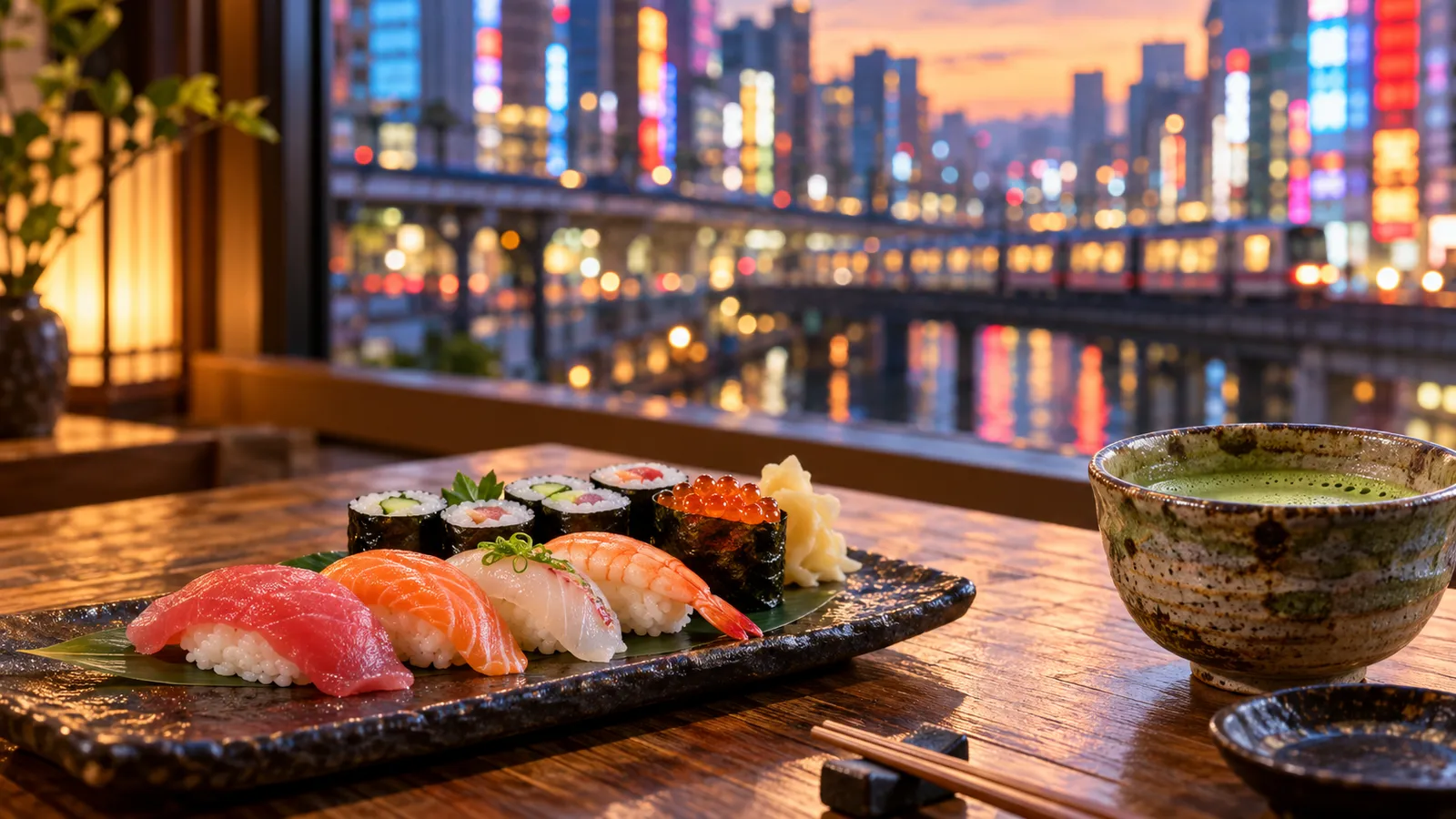
Akihabara and a Sushi Class in One Day
Combine Akihabara's electronics, anime and game shops with a sushi class in Asakusa. Direct train routes, timing and three easy plans for one day.
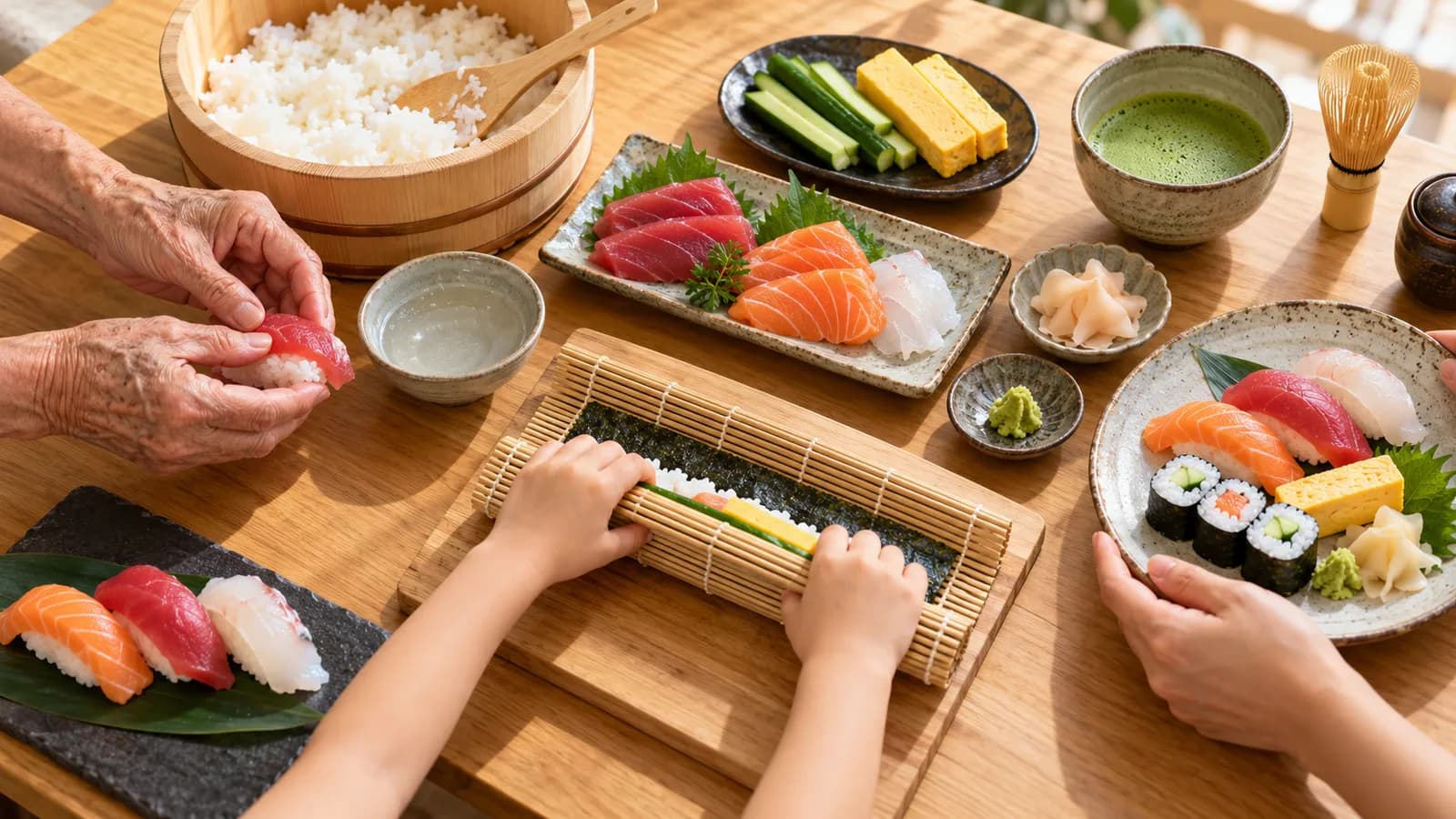
Sushi Class With Grandparents in Tokyo
Planning a sushi class for three generations in Tokyo? What to check for grandparents: pace, seating, food, arrival and choosing shared or private.
Sushi Class in Tokyo With Teenagers
Travelling with teens? How ticket categories work for ages 13 and up, what happens at the sake toast and when a shared or private sushi class fits best.