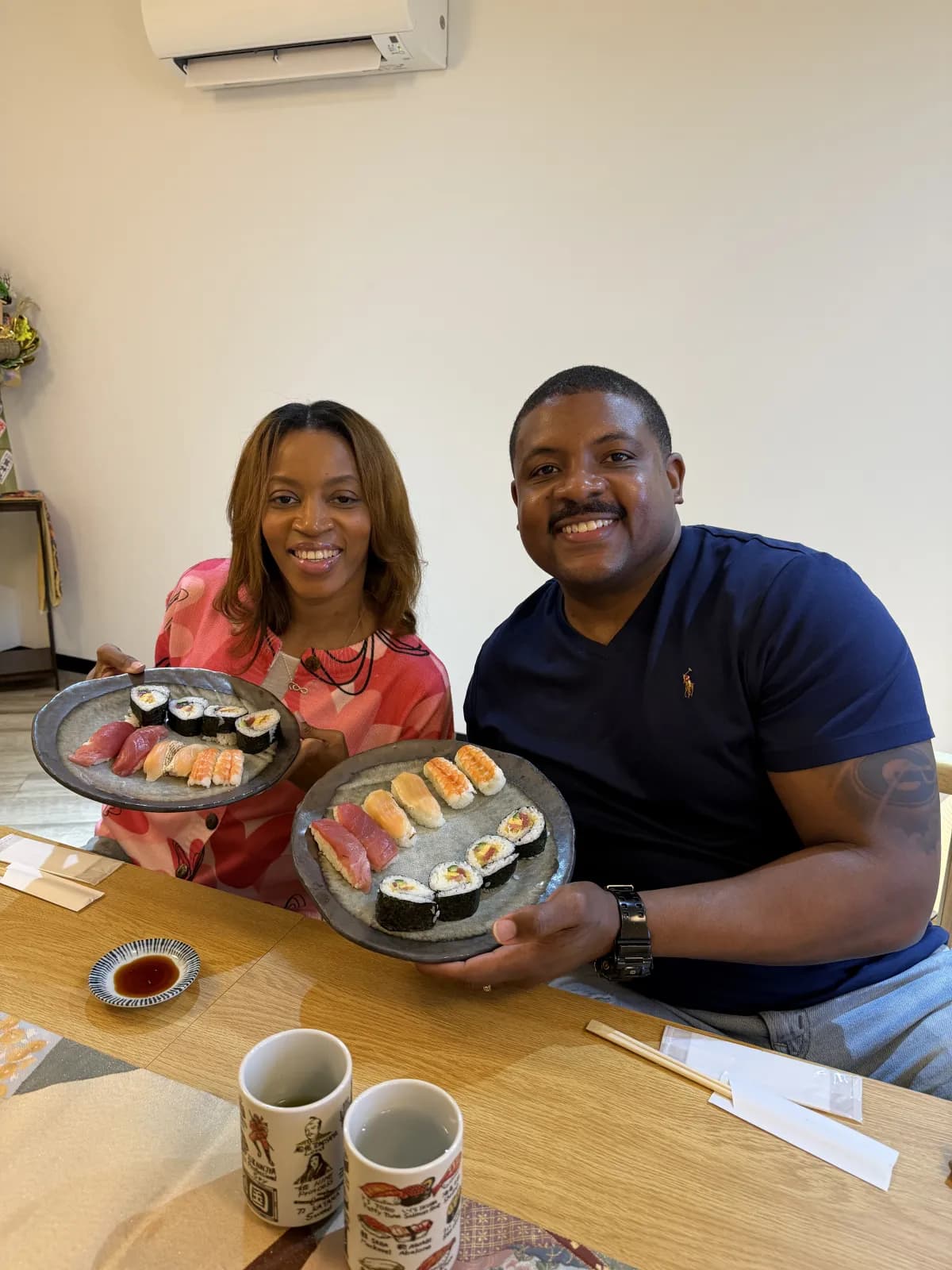
Photos and Videos in a Tokyo Sushi Class
Yes, guests may take photos and videos during Sushi Matcha classes. The experience includes several natural moments to capture: shaping nigiri, rolling maki, arranging the finished plate, raising a sake cup and whisking matcha. The practical question is how to record those moments without spending the whole 90-minute class looking through a screen.
This guide is for travellers choosing or preparing for the signature sushi and matcha class in Asakusa. It explains what the current class permits, how to plan a few useful shots and what to consider when other guests share the room.
Popular in Tokyo right now — our most recommended experience
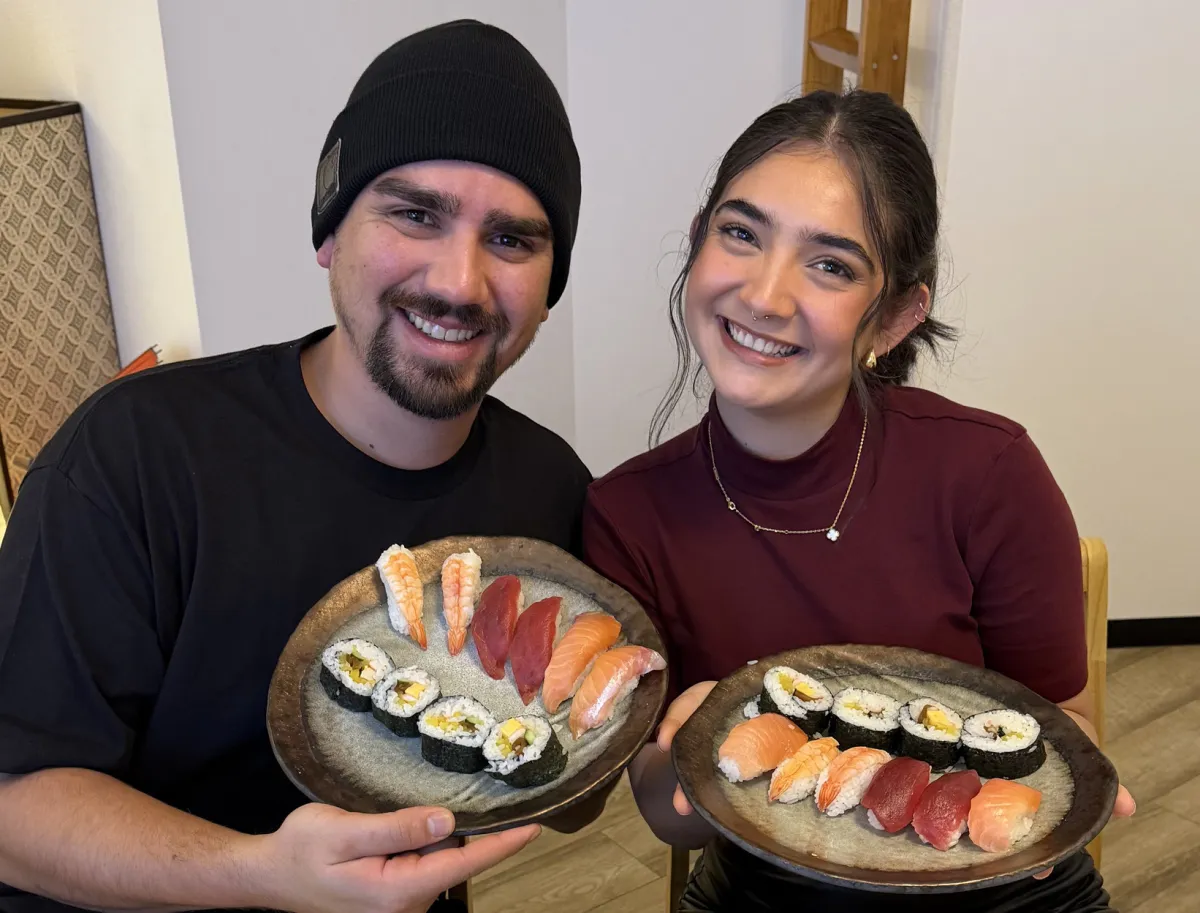
Tokyo Sushi Making Class : Sake Ceremony & Matcha Experience in Asakusa
Photography is welcome during the class
The current class FAQ says guests can take photos and videos, and describes the session as full of photo-worthy moments. You do not need to book a private class merely because you want pictures. A shared session can still give you photographs of your own work and group. The FAQ also notes that instructors are happy to take group photos, and the published schedule ends with a short photo time before farewell.
Permission to photograph the activity does not remove ordinary courtesy. Other guests may not want to appear in your images, and an instructor may need a clear work area during a demonstration. Frame your own place when possible, and follow any instruction given in the room.
Choose a short shot list before you arrive
A simple plan prevents the phone from taking over the experience. Choose three or four moments rather than trying to record every step:
- your hands while shaping nigiri or rolling maki;
- the completed plate before you begin eating;
- the toast, using water or tea if you do not drink sake;
- the matcha bowl after you whisk it;
- one portrait with your companion or group.
These images tell the story of the session without requiring continuous video. If you are attending as a couple, the Asakusa sushi and matcha date guide gives broader ideas for planning the day around the activity.
Keep hands and equipment ready for food
Cooking and phone handling do not mix automatically. Put the device somewhere secure and easy to reach, rather than on a preparation surface. After handling your phone, follow the instructor’s hygiene directions before returning to the food. A small wrist strap or compact stand may be convenient, but do not assume there is room for a tripod, light or large camera setup at a shared table.
The class provides ingredients and tools. Your camera equipment remains your responsibility, so keep it away from liquids, food and other participants’ working space. If you want to bring professional equipment, contact the team before booking and describe its size.
Ask before filming other people
A wide video can include other guests, staff or children even when your subject is your own plate. Ask people before recording them closely or posting identifiable footage. Keep the camera focused on your hands and table when consent is uncertain.
The same principle applies to instructor explanations. Short personal clips are different from recording an entire lesson. If you plan extended filming, commercial use or a live stream, ask in advance rather than assuming the standard permission covers it.
Photograph the result before eating
The easiest image to miss is the finished plate. Once everyone begins tasting, the arrangement changes quickly. When the instructor indicates that the making stage is complete, take the plate photograph first, then put the phone away and eat.
The signature class is hands-on: you make nigiri and maki, eat what you created and whisk matcha. For a step-by-step preview of the food and drink sequence, read what you make in the sushi and matcha class. Knowing the order helps you recognise the moments you care about.
Plan for solo, couple and group photos
Solo travellers do not have to rely on selfies: instructors are happy to take group photos, and the photo time at the end is the natural moment to ask. During demonstrations they are running the lesson, so save photo requests for that point. Couples can alternate between making and photographing instead of both stopping simultaneously. Groups should nominate one person for a few shared shots so several phones do not crowd the workspace.
If a particular image is essential for a celebration, describe the request before the session. A standard class includes photography opportunities, but it is not sold as a private photo shoot, and a specific setup or uninterrupted filming time is not guaranteed.
What to prepare before class
Charge the phone, free enough storage and silence notifications before you arrive. Use a case you can grip with clean hands. Avoid bringing equipment that you cannot keep safely beside your own belongings. The studio has space for personal items, but published luggage guidance is not a promise of dedicated storage for fragile professional gear.
Comfortable clothing also helps because you will be working with your hands. Our guide to what to wear and bring to a sushi class covers sleeves, jewellery, bags and arrival preparation.
Book the experience you want to remember
Photos are most useful when they support the memory rather than replace it. Pick a few moments, respect the shared table, keep equipment clear of food and spend the rest of the class making and tasting.
When you are ready, open the signature class page to check current dates and availability. If your photography plan involves more than ordinary personal photos or short videos, contact the team with the details before booking.
Related Articles

Sushi Class Without Raw Fish in Tokyo
Avoiding raw fish? Compare cooked toppings, a plant-based menu and the questions to confirm before booking a Tokyo sushi class.
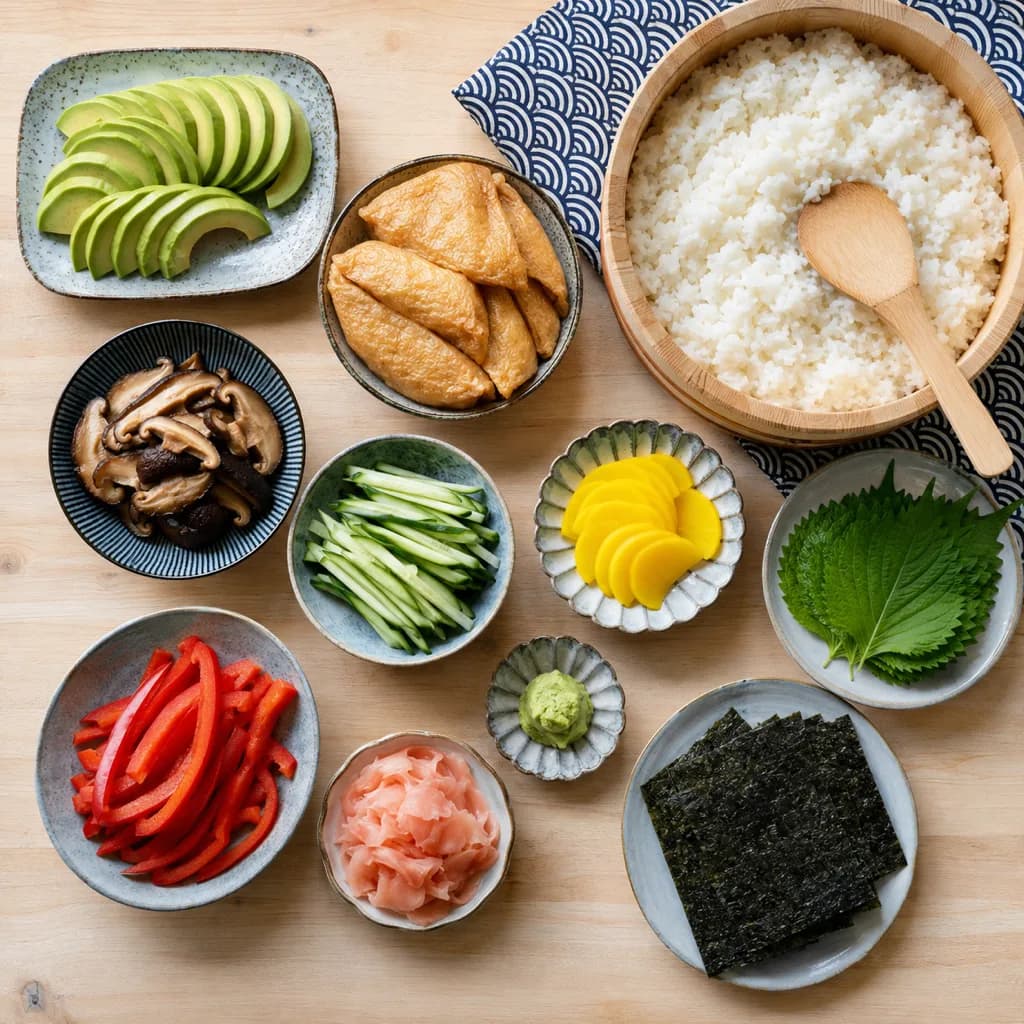
Halal Sushi Class in Tokyo: What to Confirm
Looking for a halal sushi class in Tokyo? Check certification, ingredients, shared tools and the reply you need before booking.
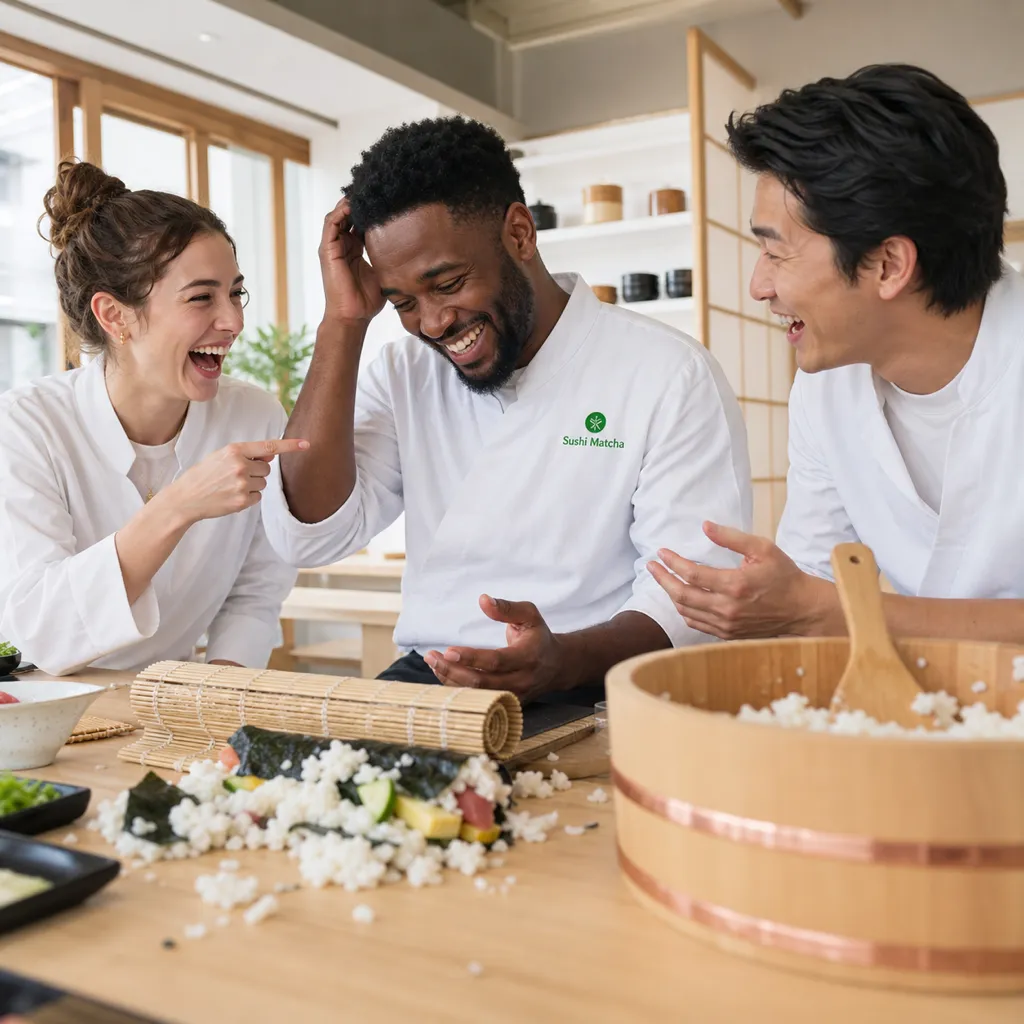
Booking a Tokyo Sushi Class for a Group
Organising a sushi class in Asakusa for friends? Here is the information to collect from everyone first, and how to keep the whole party in one session.