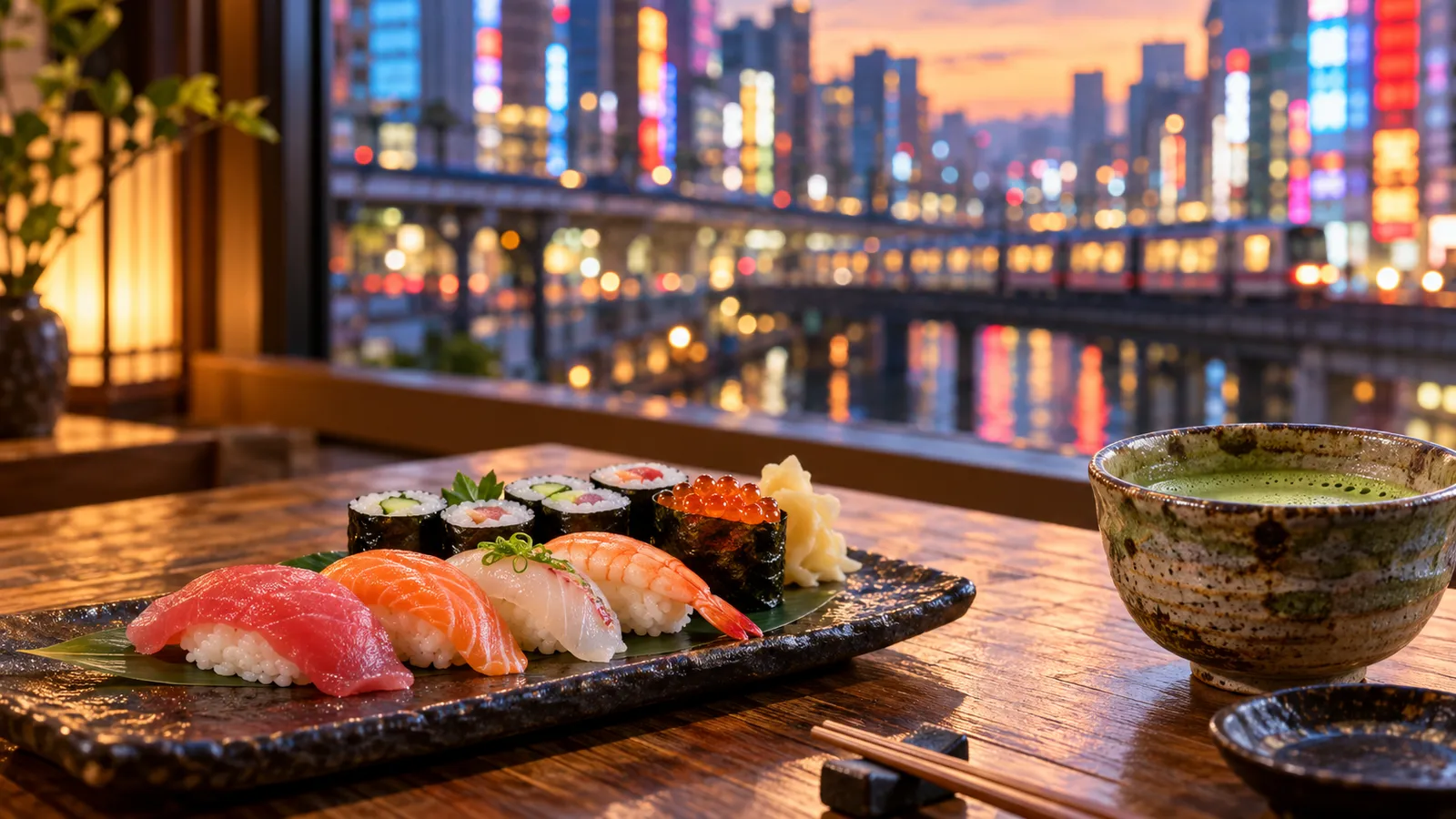
Akihabara and a Sushi Class in One Day
Akihabara and Asakusa show two very different sides of Tokyo. One is known for electronics, anime, games and bright shopfronts; the other for Senso-ji, old shopping streets and a slower, older neighbourhood feel. They are also close to each other, with direct train connections, which makes them an easy pair for a single day.
This guide explains how to travel between the two areas, how to time the day around a sushi class in Asakusa, and three simple ways to put it together.
Popular in Tokyo right now — our most recommended experience
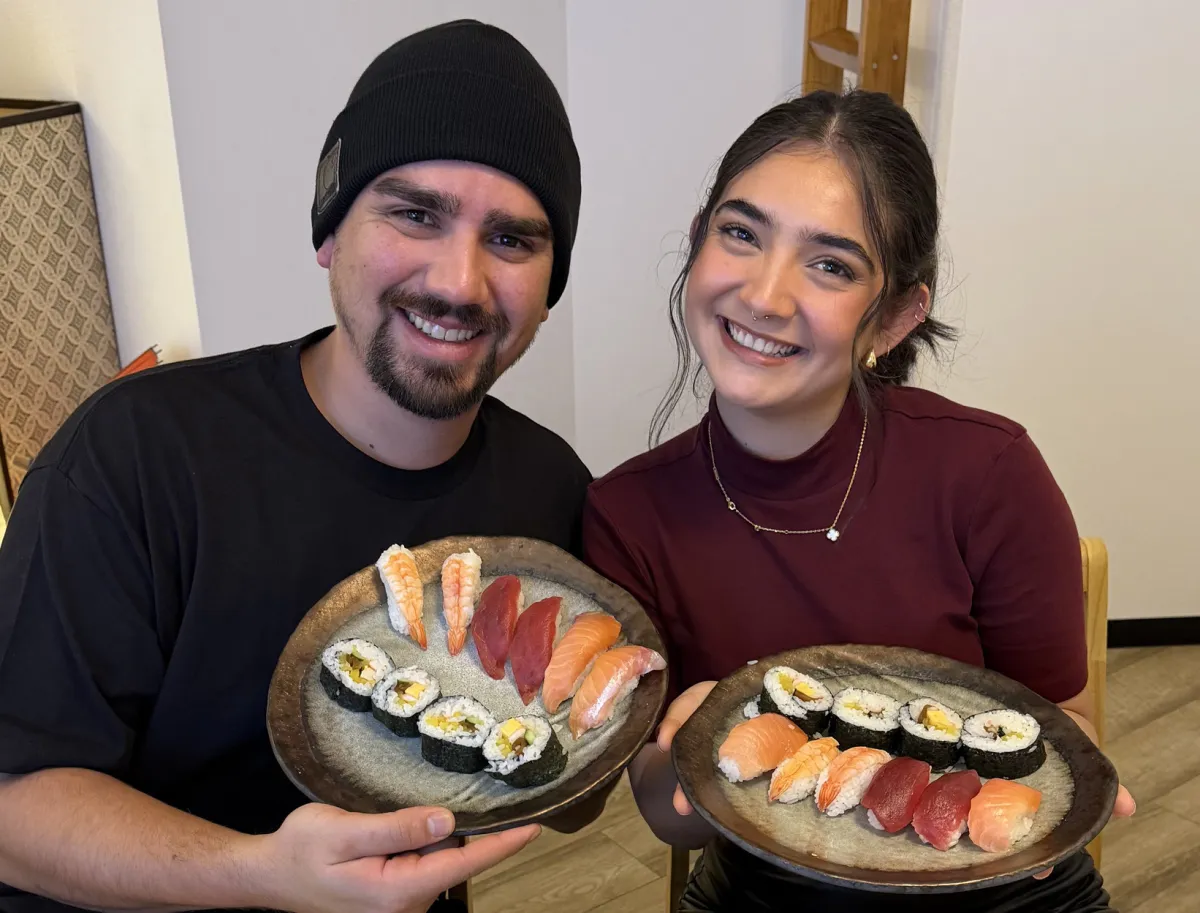
Tokyo Sushi Making Class : Sake Ceremony & Matcha Experience in Asakusa
Getting from Akihabara to Asakusa
There are two convenient direct routes.
Tsukuba Express. From Akihabara, Asakusa is two stops away on the Tsukuba Express, and the ride takes only a few minutes. The Tsukuba Express station in Asakusa is separate from the other lines, and the published walk from there to our studio is about nine minutes.
Tokyo Metro Ginza Line. Suehirocho Station, at the northern end of Akihabara's main street, is on the Ginza Line. Asakusa is the end of the line, five stops away. From Ginza Line Exit 7, the walk to the studio is about two minutes.
If you are carrying shopping bags, the Ginza Line route means less walking at the Asakusa end. Our guide to getting from Asakusa Station to the sushi class lists each line and exit, and the access page has the current map.
Build the day around the class time
The signature sushi and matcha class lasts about 90 minutes: you learn to make nigiri and maki, share a sake toast (water and green tea are available instead), eat everything you make and whisk your own matcha. Guests are asked to arrive 10 minutes before the start.
Akihabara is easy to lose track of time in. One more floor of a game centre or one more shop can turn into half an hour. The simplest protection is to set an alarm for when you need to leave Akihabara, not for when the class starts. Allow for the walk to the platform, the short ride, the walk from the exit and a margin — leaving about 30 to 40 minutes before the class start is comfortable for most travellers. Our article on how long a sushi class takes explains how to protect the full 90 minutes.
Check opening hours first
Many shops in Akihabara open later in the morning than temples and cafés do, and hours vary by store. If there is a particular shop you want to visit, check its opening time before deciding whether Akihabara goes before or after the class. Asakusa's outdoor sights, including the Senso-ji grounds, are easy to visit early.
Plan A: Asakusa morning, Akihabara afternoon
This order suits most visitors and matches when shops are busiest.
- Morning: Senso-ji and Nakamise Street before the biggest crowds, about five minutes on foot from the studio.
- Late morning or midday: the sushi class, which doubles as lunch.
- Afternoon and evening: Ginza Line or Tsukuba Express to Akihabara for shopping, games and the evening lights.
Because you eat what you make, you will not need a separate lunch. Our guide to planning meals around a sushi class has more on timing meals.
Plan B: Akihabara first, sushi in the afternoon
If you are staying near Akihabara or want to shop while you have the most energy, reverse the order. Spend the late morning in Akihabara, take the train to Asakusa for an afternoon class, then walk to Senso-ji afterwards and stay in Asakusa for the evening. The temple's main hall has set hours, but the grounds are pleasant to walk through later in the day.
For an even earlier start, the morning onigiri class begins at 8:00 a.m. and lasts 60 minutes, leaving the rest of the day free for Akihabara.
Plan C: with teenagers or gamers in the group
Akihabara is often the part of Tokyo teenagers ask for, while parents may prefer temples and traditional food. Doing both on one day can keep everyone happy. Put the class in the middle as a shared activity, with Akihabara as the reward afterwards. On the booking page, guests aged 13 and over are booked as adults; our guide to a sushi class with teenagers covers the details that matter for that age group, including the sake toast.
Small things that make the day easier
- Shopping bags. If you buy a lot in Akihabara before class, mention it when booking; the studio has storage space for belongings and luggage.
- Hands and phones. You will wash your hands before cooking. Keep your phone handy for photos — taking pictures during class is encouraged.
- Save the map. Screenshot the access map and your booking confirmation before you leave Akihabara, in case your signal is weak underground.
- Evening return. Both the Tsukuba Express and the Ginza Line run between the two areas into the evening, so you can return to Akihabara after dinner if you like.
Secure the class, keep the rest flexible
Akihabara can expand or shrink to fit the time you have. The class cannot, because it starts at a set time. Once you have chosen your day, check live dates on the signature class page and book the session that fits, then plan the shopping around it.
Related Articles
Ueno and a Sushi Class in One Day
Combine Ueno Park, museums or Ameyoko with a sushi class in Asakusa. Route, timing, museum closing days and sample plans for a relaxed day in Tokyo.
Sumida River Cruise and a Sushi Class
Combine a Sumida River water bus from Asakusa with a sushi class: which order works, how long to allow, and what to check before you board.
From Shibuya or Shinjuku to a Sushi Class
Staying in Shibuya or Shinjuku? See the simplest train routes to Asakusa, how long to allow and how to plan the rest of the day around a sushi class.