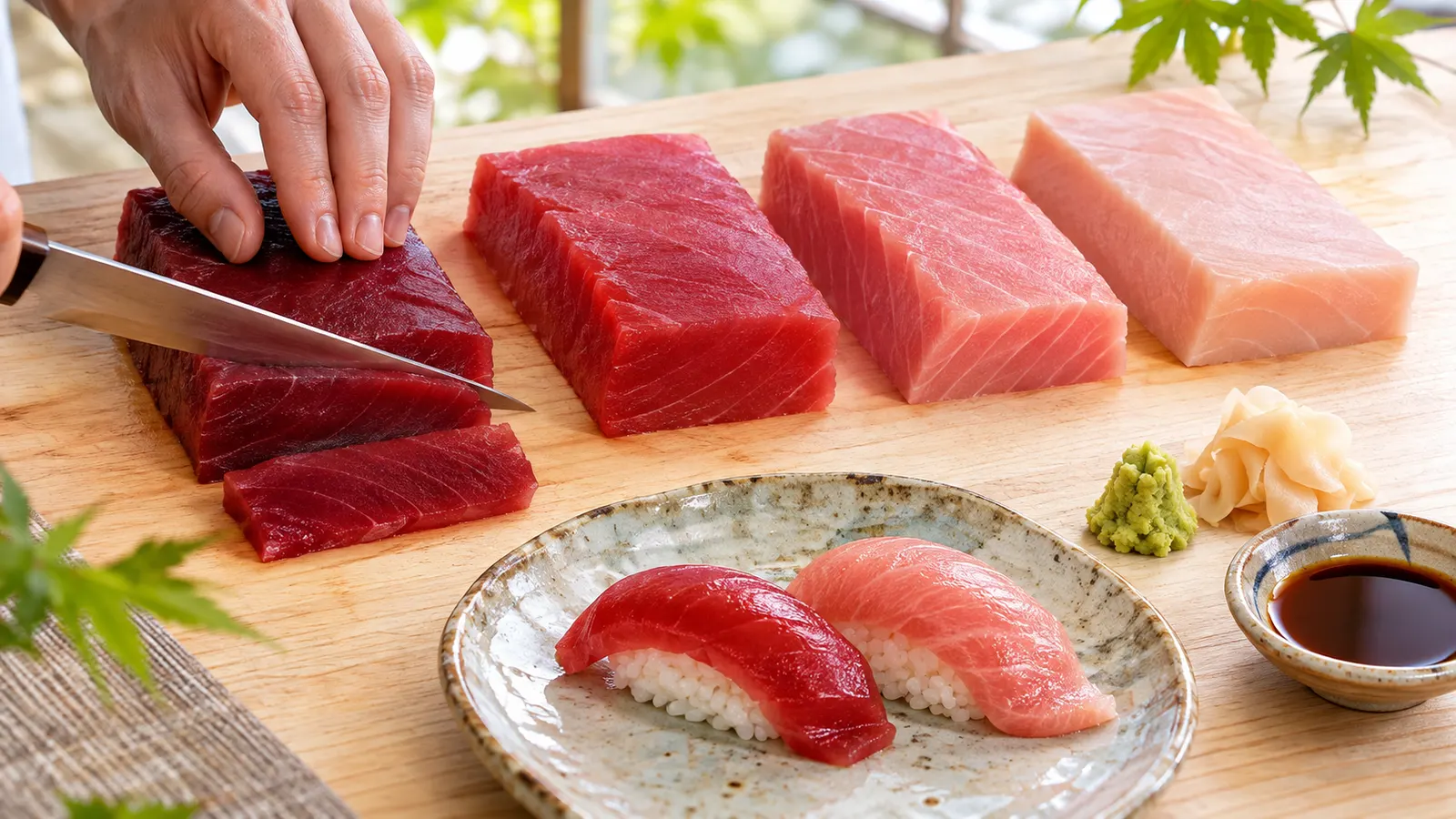
Bluefin, Bigeye or Yellowfin? Tuna for Sushi
In Japan, "maguro" on a sushi menu can mean several different fish. A piece of tuna at a high-end counter, a pack of sashimi in a supermarket and a plate at a conveyor-belt restaurant may all say maguro, yet come from different species with different colour, fat and price.
Our guide to akami, chutoro and otoro explains the cuts, meaning which part of the fish a piece comes from. This article covers the other half of the question: which tuna it is. Knowing the five names below makes Japanese menus, price tags and fish counters much easier to read.
Popular in Tokyo right now — our most recommended experience
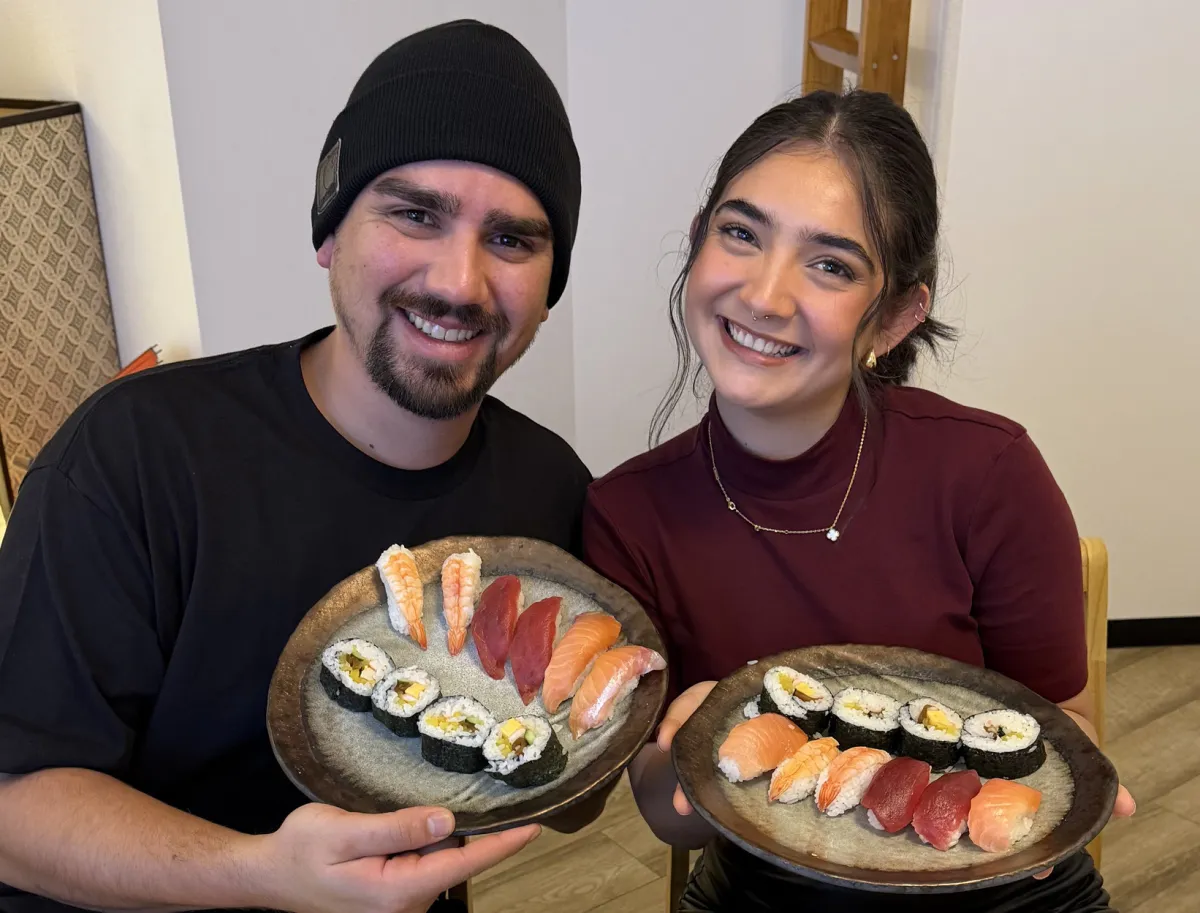
Tokyo Sushi Making Class : Sake Ceremony & Matcha Experience in Asakusa
The five tuna you will meet in Japan
WWF Japan's overview of tuna species highlights five large tuna species commonly eaten in Japan.
Hon-maguro (kuromaguro): Pacific bluefin
Hon-maguro, literally "true tuna", is the Pacific bluefin (Thunnus orientalis), also called kuromaguro. Its lean meat is a deep red and it is especially prized for its fatty belly cuts, including otoro. WWF Japan describes it as trading as the top grade among tuna. When a menu simply boasts hon-maguro, it is telling you it serves bluefin rather than a cheaper species.
Minami-maguro: Southern bluefin
Minami-maguro (Thunnus maccoyii), also sold as Indo-maguro, is the Southern bluefin. It is smaller than the Pacific bluefin but also fatty and expensive, and many sushi restaurants serve it as a high-quality alternative. WWF Japan notes that Japan eats around 70% of the world's supply.
Mebachi: bigeye
Mebachi is bigeye tuna. WWF Japan calls it the tuna eaten most in Japan, and it is widely used for sashimi and sushi. WWF Japan describes its meat as a paler red with less fat than bluefin, although colour and fat vary with the individual fish, cut and season. The US agency NOAA notes that bigeye is fattier than yellowfin, which is one reason it is valued for sashimi.
Kihada: yellowfin
Kihada is yellowfin. Its meat is bright red when raw, with little fat and a clean, light taste. NOAA describes it as more flavourful than albacore but leaner than bluefin. It is a good choice if you find fatty tuna too rich.
Binnaga (bincho): albacore
Binnaga, also called bincho or bincho-maguro, is albacore. Its meat is the palest of the five, a soft pinkish beige, with a mild flavour. Albacore is also the "white" tuna in many cans. In sushi you will often see bintoro, the fatty part of albacore, sold as an affordable alternative to bluefin toro.
How they compare
| Name in Japan | English | Colour of lean meat | Fat | Broad price tendency |
|---|---|---|---|---|
| Hon-maguro / kuromaguro | Pacific bluefin | Deep red | High, especially the belly | Highest |
| Minami-maguro | Southern bluefin | Deep red | High | High |
| Mebachi | Bigeye | Red | Moderate | Mid |
| Kihada | Yellowfin | Bright red | Low | Lower |
| Binnaga / bincho | Albacore | Pale pink | Low, except bintoro | Lower |
Prices depend on origin, season and whether the fish was fresh or frozen, so treat the last column as a rough guide. A good piece of bigeye can beat an ordinary piece of bluefin.
Wild, farmed, fresh or frozen
Two more words on Japanese labels change what you are buying.
Yoshoku (養殖) means farmed. Most farmed bluefin in Japan comes from young wild fish caught at sea and raised in pens, rather than from fish bred entirely in captivity. Full-cycle farming exists: Kindai University raised the first fully farmed Pacific bluefin in 2002, after research begun in 1970, but it still makes up only a small part of the supply. Farmed bluefin tends to be consistently fatty, while wild fish vary more with season and size.
Kaito (解凍) means thawed. A great deal of sushi tuna is frozen at sea at ultra-low temperatures, around −60°C, which keeps its colour and quality far better than ordinary freezing. Thawed tuna is not automatically worse than fresh (nama) tuna; it is how much good tuna reaches Japan from distant waters.
Under Japan's food labelling rules, fresh fish sold in shops must show its name and origin, and must say kaito if it was thawed and yoshoku if it was farmed, according to the Ministry of Agriculture, Forestry and Fisheries' labelling guide. Restaurants usually tell you less, so ask if you are curious.
Oma and the New Year auction
The town of Oma, at the northern tip of Aomori Prefecture, is famous for bluefin caught mainly by pole and line. "Oma maguro" is a registered regional brand. Each January the first auction at Tokyo's Toyosu Market makes the news: in 2019 a 278 kg bluefin caught off Oma sold for ¥333.6 million. Prices like that are about publicity and celebration, not the everyday price of tuna, but they show how much status bluefin carries in Japan.
If you want to see where Tokyo's tuna trade happens, our guide to Toyosu Market and a sushi class on the same day explains the viewing areas and timing.
Is bluefin sustainable?
Pacific bluefin was heavily overfished. In 2021 the IUCN moved it from Vulnerable to Near Threatened on its Red List as catch limits began to help the stock recover. In 2024 the Western and Central Pacific Fisheries Commission adopted new catch limits from 2025 that reflect the stock's rebuilding, but bluefin remains under strict international management. If this matters to you, bigeye, yellowfin and albacore are all good sushi tuna, and you can ask whether bluefin is wild or farmed before ordering.
How to use this at the counter
- For the classic bluefin experience, look for hon-maguro and try akami and chutoro side by side.
- For good value, mebachi akami and bintoro are often excellent and much cheaper.
- If rich fish is too heavy for you, choose kihada or akami from any species.
- At a supermarket or depachika, read the label for species, origin, kaito and yoshoku before you choose.
Useful words: hon-maguro (bluefin), mebachi (bigeye), kihada (yellowfin), bincho (albacore), toro (fatty cut), yoshoku (farmed), kaito (thawed), nama (fresh, never frozen).
Making tuna sushi yourself
Reading a label is one thing; shaping the fish onto rice is another. In our signature sushi and matcha class in Asakusa, an English-speaking instructor shows beginners how to form nigiri and roll a futomaki in 90 minutes, then you eat what you made and whisk your own matcha. The fish depends on what is good on the day, so book it for the skills rather than for a particular species of tuna.
For premium ingredients such as otoro, the private premium omakase is a separate private experience. And if you want to know which other fish work well for sushi at home, see our guide to the best fish for sushi.
In short
Bluefin is the prestige tuna, Southern bluefin a close cousin, bigeye the everyday workhorse, yellowfin the lean and light one, and albacore the pale, mild one with an affordable toro. Learn the names, try two side by side, and you will order tuna in Japan with confidence. When you want to make it yourself, check the dates for the signature class.
Related Articles
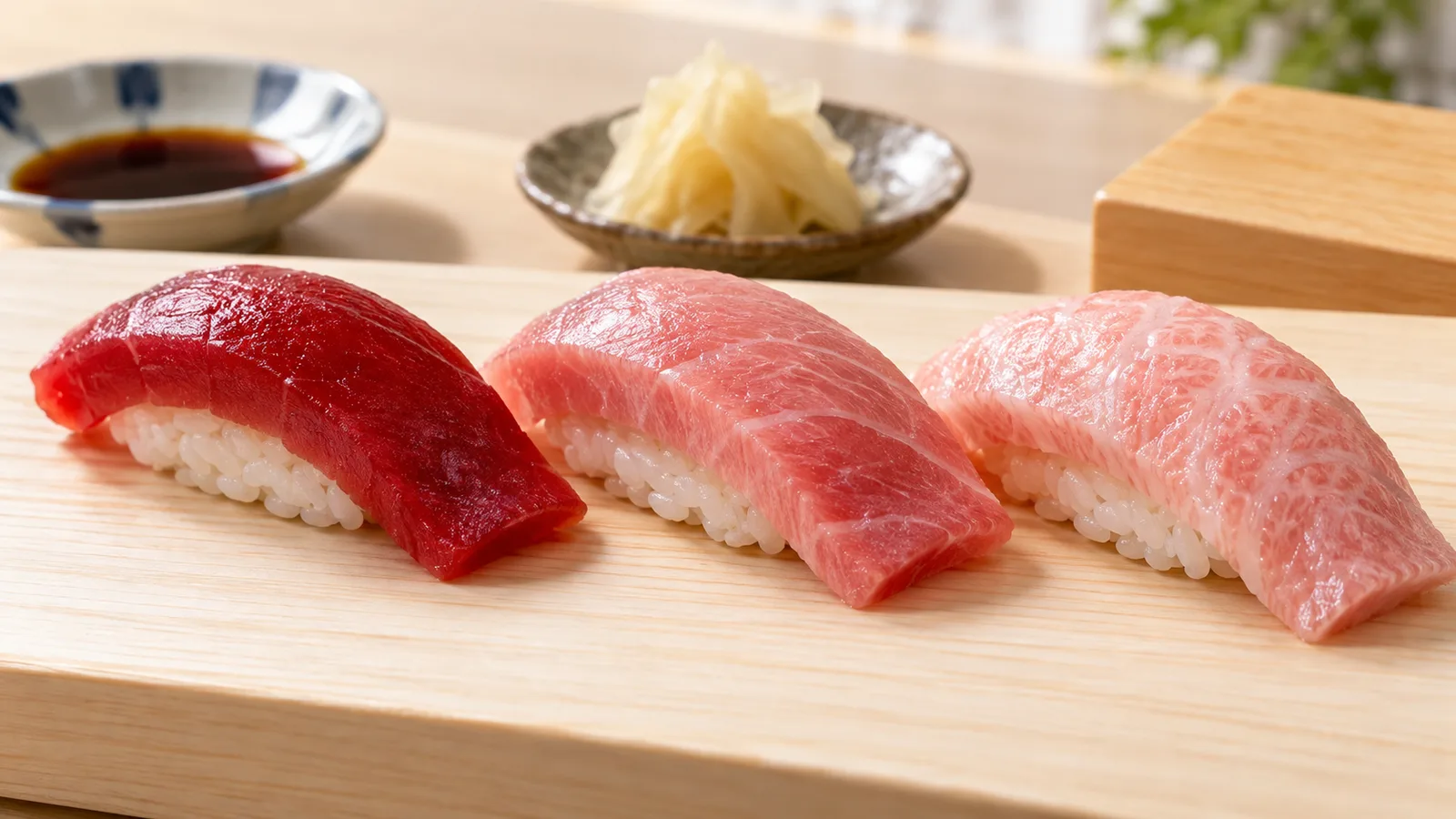
Akami, Chutoro or Otoro? Choosing Tuna Sushi
Akami, chutoro and otoro come from different parts of the same tuna. How they differ in fat, flavour and price, and how to choose and order them in Japan.
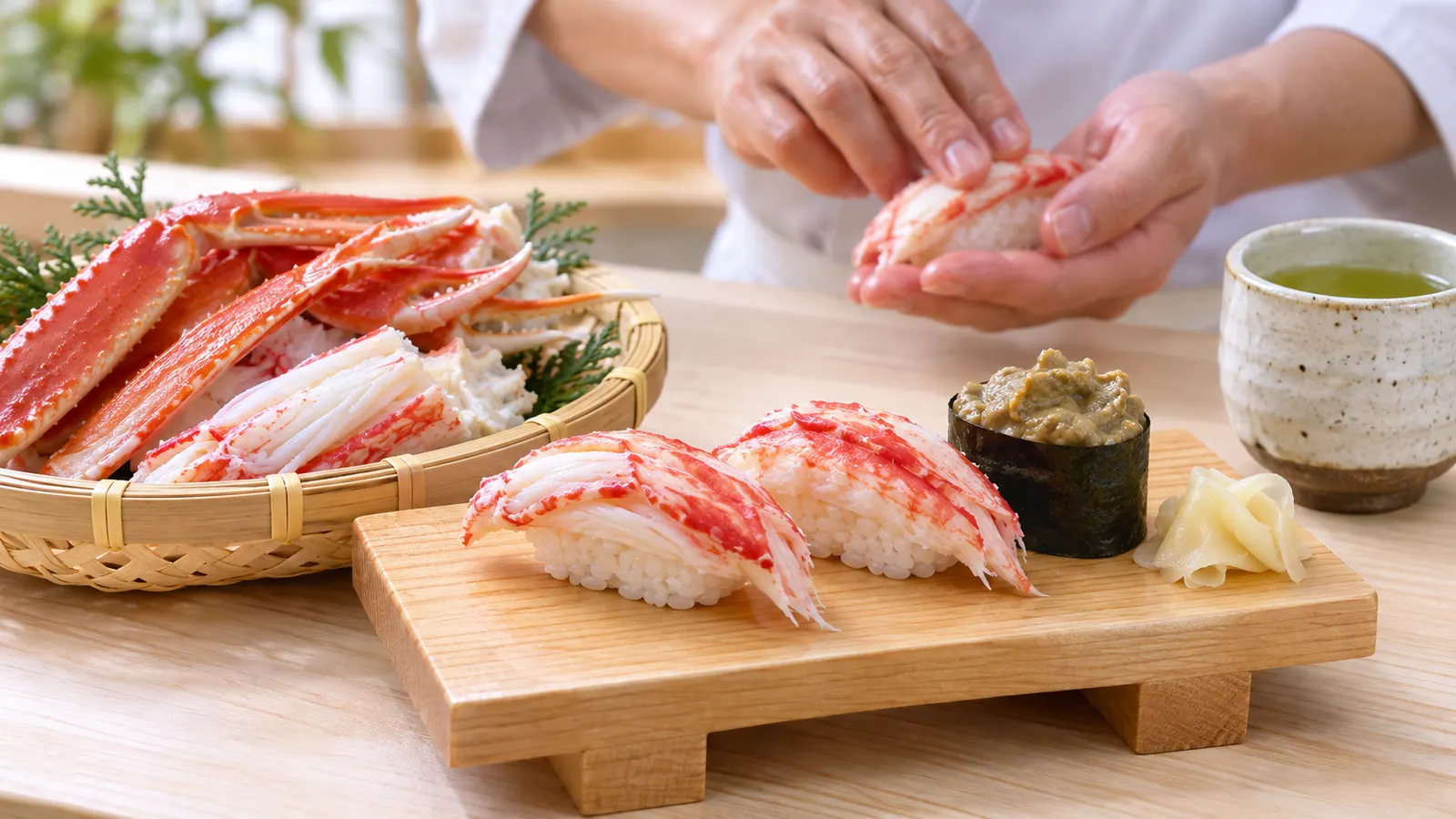
Crab Sushi in Japan: Zuwaigani to Kanikama
Snow crab, horsehair crab, king crab and kanikama on Japanese sushi menus: how they differ, when the winter season opens and allergy points.
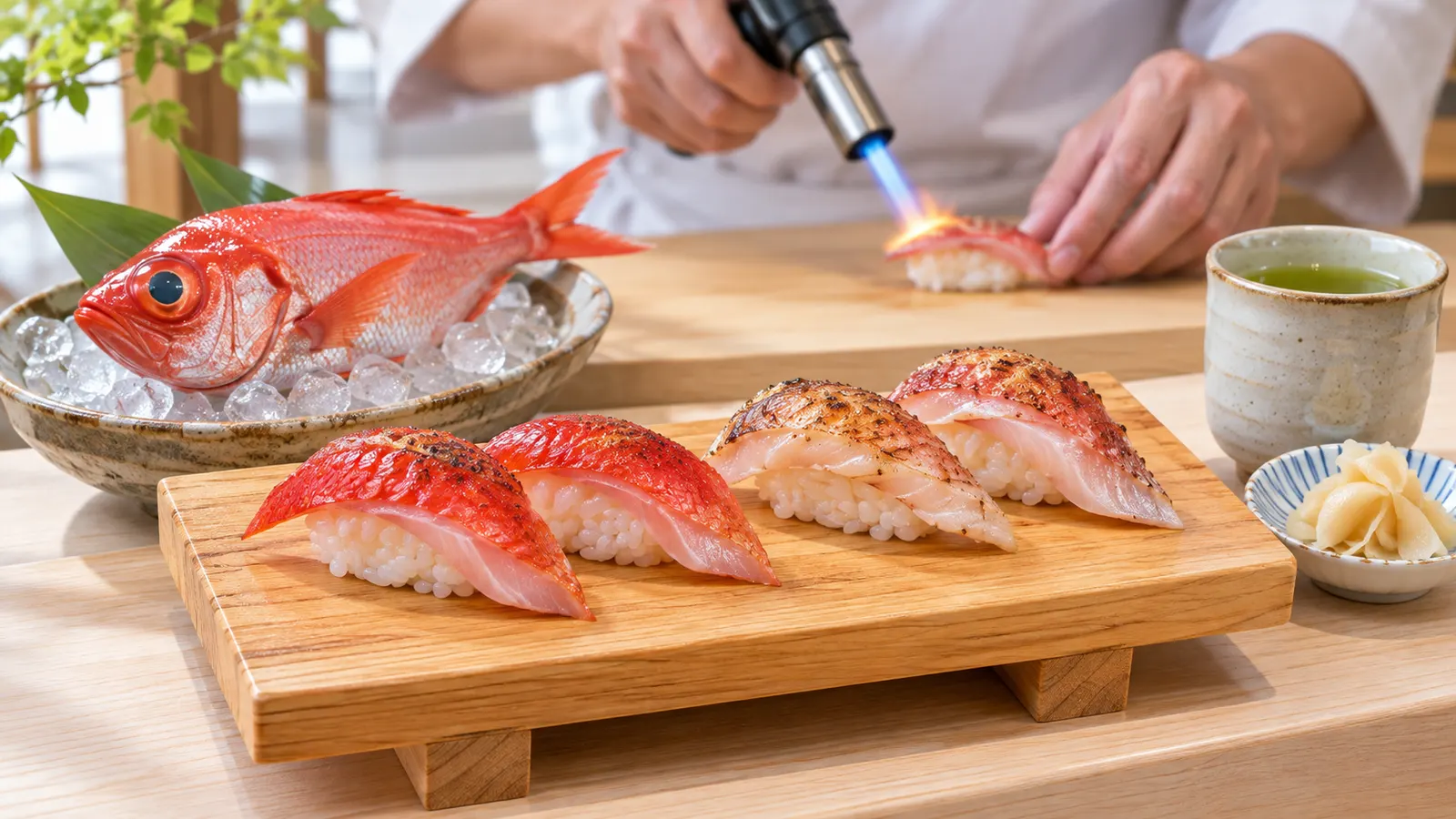
Kinmedai vs Nodoguro: Red Fish on Sushi
Kinmedai and nodoguro are prized red-skinned fish at Japanese sushi counters. How they differ, where they come from and how chefs serve them.