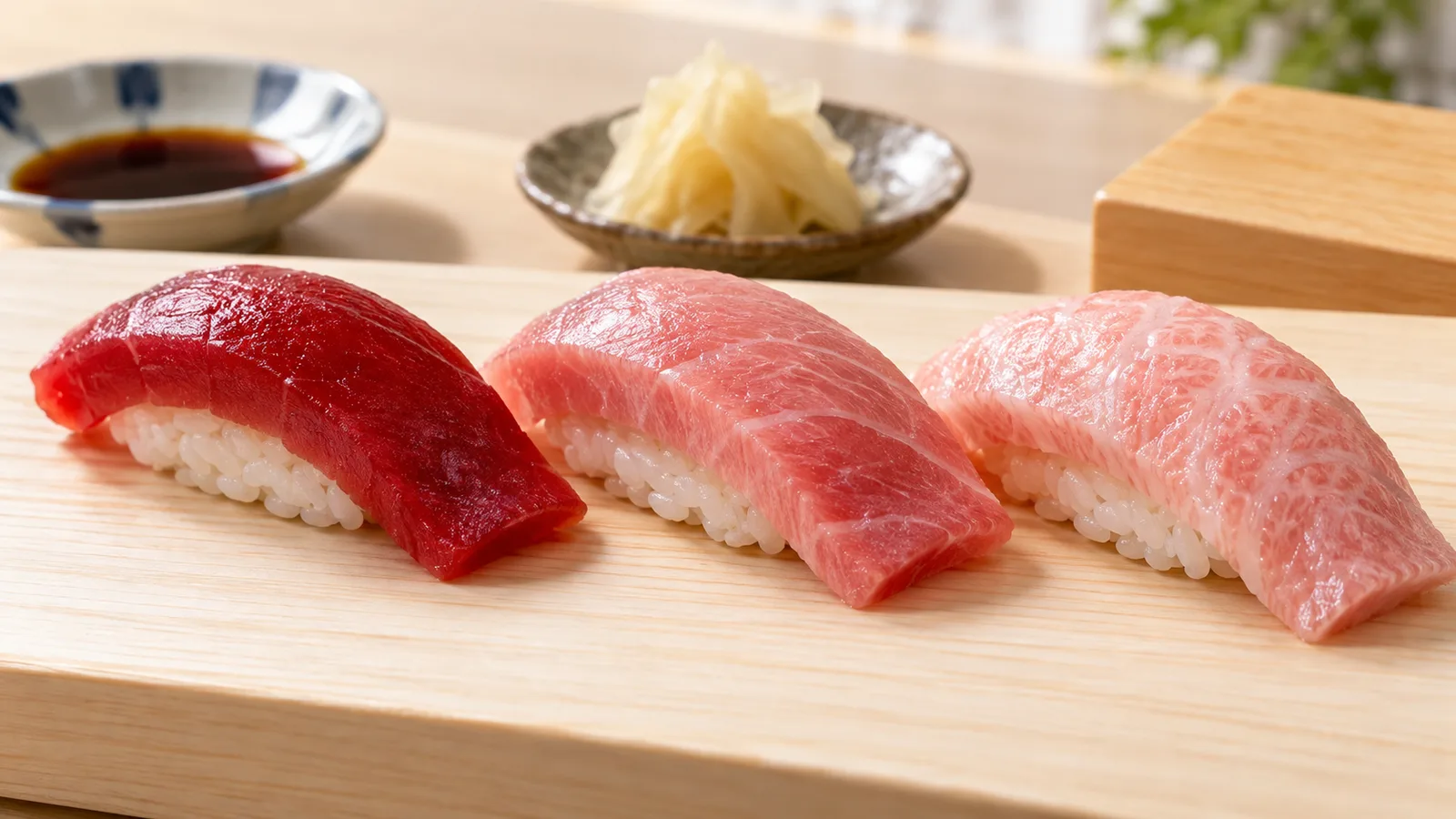
Akami, Chutoro or Otoro? Choosing Tuna Sushi
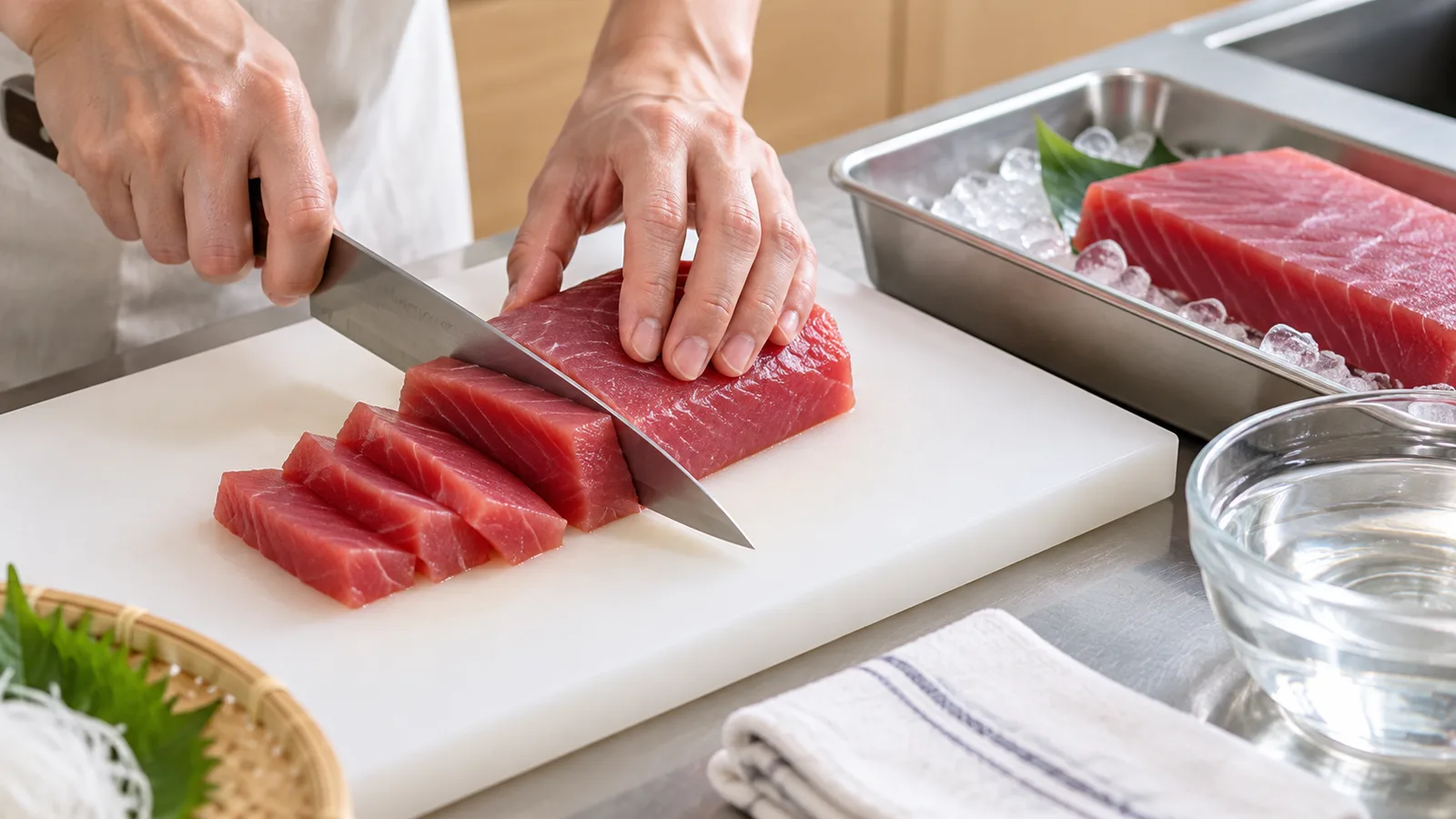
On a sushi menu in Japan, tuna rarely appears as just "tuna". You will see akami, chutoro and otoro, often at very different prices. They are not different fish. They are different parts of the same tuna, and the difference comes down mostly to fat.
This guide explains where each cut comes from, what it tastes like, why the prices differ so much and how to choose between them, whether you are ordering at a counter or deciding which sushi experience to book.
Popular in Tokyo right now — our most recommended experience
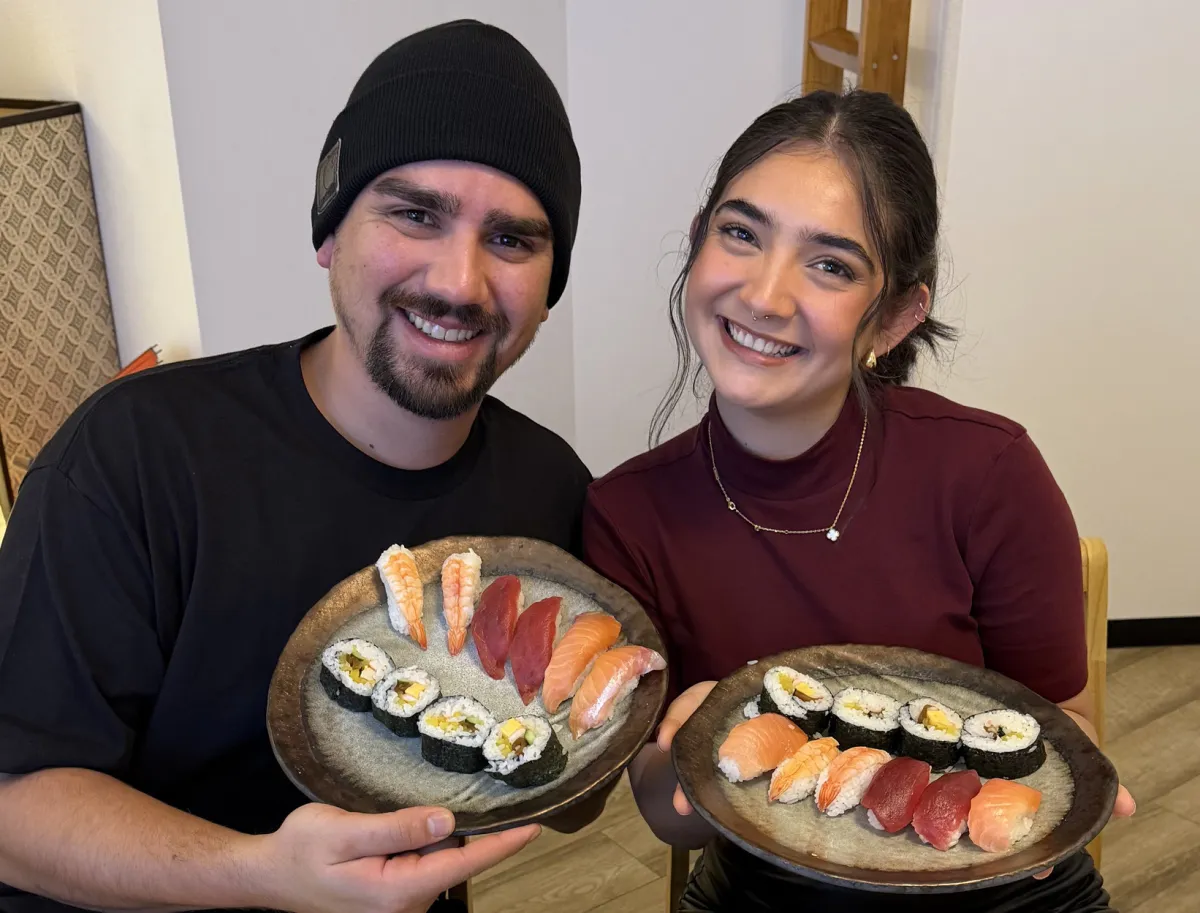
Tokyo Sushi Making Class : Sake Ceremony & Matcha Experience in Asakusa
Three cuts from one fish
A large tuna is divided into sections before it reaches a sushi counter. The terms you see on menus describe how much fat a piece contains, which depends on where it was cut.
- Akami (赤身): the deep red, lean meat. It comes mainly from the back and the area around the spine, and it makes up the largest part of the fish.
- Chutoro (中トロ): medium-fatty meat, pink and lightly marbled. It sits between the lean meat and the belly, along the sides and the belly area.
- Otoro (大トロ): the fattiest part of the belly, pale and heavily marbled. Only a small share of each fish is otoro, which is one reason it is the most expensive.
"Toro" on its own usually means a fatty cut, either chutoro or otoro. Where exactly a counter draws the line between the two varies, so treat the names as a guide to fat content rather than a precise anatomical map.
How each one tastes
Akami has the clearest tuna flavour: clean, slightly tangy and meaty, with a firm but tender texture. Many sushi chefs consider it the real test of a good tuna, because there is no fat to hide behind.
Chutoro balances the two. You still taste the red meat, but the fat makes it softer and rounder. If you only try one piece of tuna, chutoro is a safe middle choice.
Otoro is rich and soft, and the fat melts quickly at mouth temperature. Its flavour comes more from the fat than from the meat. One or two pieces are usually enough; many people find a whole plate of otoro too heavy.
Why tuna was once mostly lean
Tuna sushi is closely tied to Tokyo, but the fatty cuts are the newer favourite. In the Edo period, before refrigeration, fatty fish spoiled quickly and was not prized. Sushi makers used the lean red meat, often marinated in soy sauce as zuke, a technique that both preserved and seasoned it. It is often said that toro was once thrown away or given to cats.
Fatty tuna became popular in the 20th century, when freezing and transport improved and tastes changed. That is why many traditional Edomae counters still serve zuke and akami proudly alongside toro. Our article on the history of Edomae sushi explains how this kind of preparation shaped Tokyo-style sushi.
Why the prices differ so much
Three things drive the price gap:
- Yield. A tuna contains far more lean meat than belly fat, and otoro is the scarcest part.
- Demand. Fatty tuna is in high demand in Japan and abroad.
- Species and origin. Bluefin tuna (hon-maguro) commands the highest prices, especially when wild-caught. Many restaurants also serve other species, such as bigeye or southern bluefin, which can be very good at lower prices.
So a cheap "otoro" at a conveyor-belt restaurant and otoro at a high-end counter may be quite different products. Neither is wrong; they are simply not the same thing.
How to choose
- First time trying tuna in Japan: order one piece each of akami, chutoro and otoro if the menu allows. Tasting them side by side is the quickest way to learn what you like.
- You like a clean, meaty taste: start with akami, and try zuke if you see it.
- You enjoy rich food: chutoro or otoro, but pace yourself.
- On a budget: akami and chutoro give you most of the experience for much less.
Order tuna in the middle of your meal, after lighter white fish and before strongly flavoured items. If you want to know which drinks suit it, our beginner's guide to sake and sushi covers pairings for red fish.
Useful words at the counter
- Maguro: tuna in general
- Hon-maguro: bluefin tuna
- Akami, chutoro, otoro: lean, medium-fatty, fatty
- Zuke: soy-marinated tuna
- Negitoro: finely chopped or scraped tuna, often served with spring onion in a roll or gunkan. The name does not guarantee otoro or another fatty cut; ingredients vary by product.
You do not need to know more than this to order well.
Eating tuna versus making sushi with it
Choosing tuna at a restaurant and shaping it into sushi yourself are different experiences. Our guide to the best fish for sushi covers how to judge freshness if you plan to make sushi at home.
At our studio in Asakusa, the signature sushi and matcha class teaches beginners how to shape nigiri and roll maki using fresh ingredients chosen to work well for first-timers. The fish used depends on the day, so it is best not to book it expecting specific cuts of tuna.
If you want premium ingredients, the private premium omakase is a private experience for your group, working with premium Tsukiji-sourced ingredients including otoro and uni, with a sake tasting and matcha with wagashi. Our comparison of the premium omakase and the regular class can help you decide whether the difference is worth it for your group.
In short
Akami is lean and full of tuna flavour, chutoro is the balanced middle and otoro is the rich, scarce belly. None is "the best"; they suit different tastes and budgets. Try them side by side once, and you will know what to order for the rest of your trip.
When you are ready to put your hands to work, check the dates for the sushi and matcha class or ask about the private premium omakase.
Related Articles
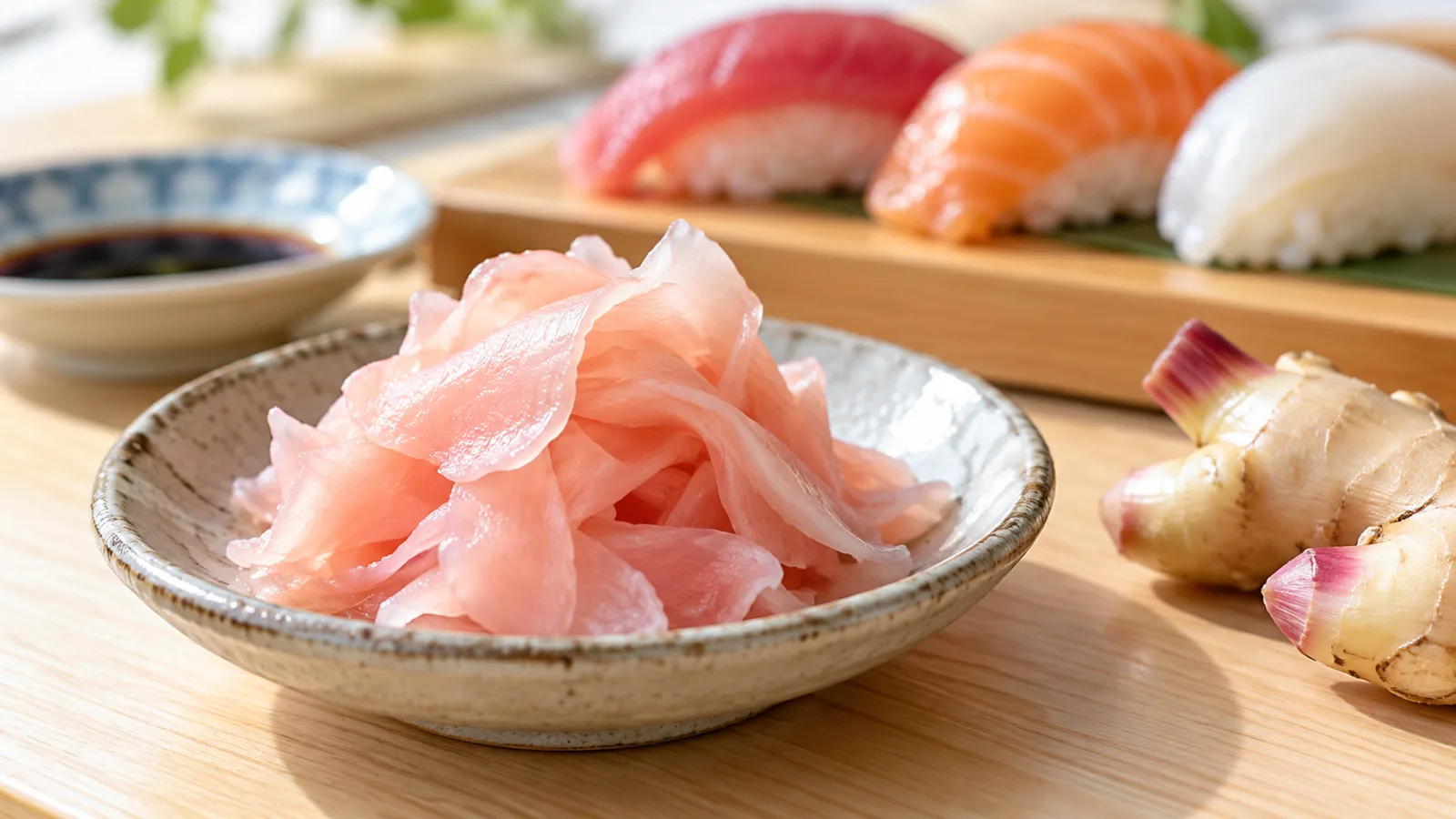
What Is Gari? Sushi Ginger Explained
What is the pink ginger served with sushi? What gari is, why it is pink, how it differs from red beni shoga and when to eat it during a sushi meal.
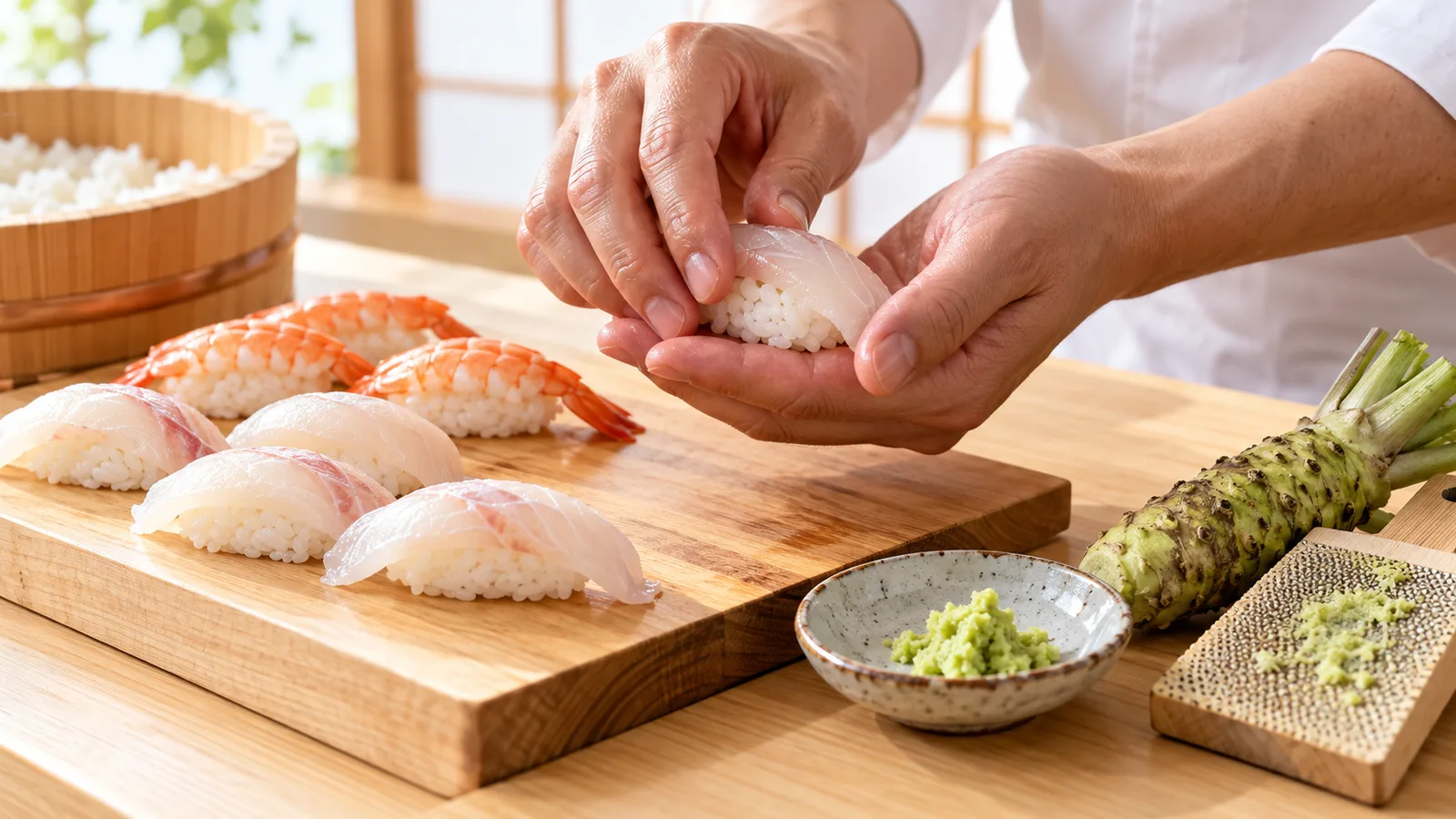
Sushi Without Wasabi: Asking for Sabi-Nuki
Worried wasabi will be too hot? What sabi-nuki means, how to ask for sushi without wasabi in Japan, and what to tell us before a sushi class.
Is Raw Fish Safe to Eat in Japan?
Worried about raw fish before a sushi meal or class in Japan? What the real risks are, what Japan's health ministry advises, and the questions to ask first.