Sushi Without Wasabi: Asking for Sabi-Nuki
Some travellers hesitate before booking sushi in Japan for one simple reason: wasabi. Perhaps you once took a large bite of green paste at home and spent the next minute with watering eyes. Perhaps you are travelling with children, or you just do not enjoy spicy food.
The good news is that sushi without wasabi is completely normal in Japan. There is even a word for it: sabi-nuki. This guide explains what wasabi's heat is like, how to ask for sushi without it and what to tell us if you are joining a sushi class.
Popular in Tokyo right now — our most recommended experience
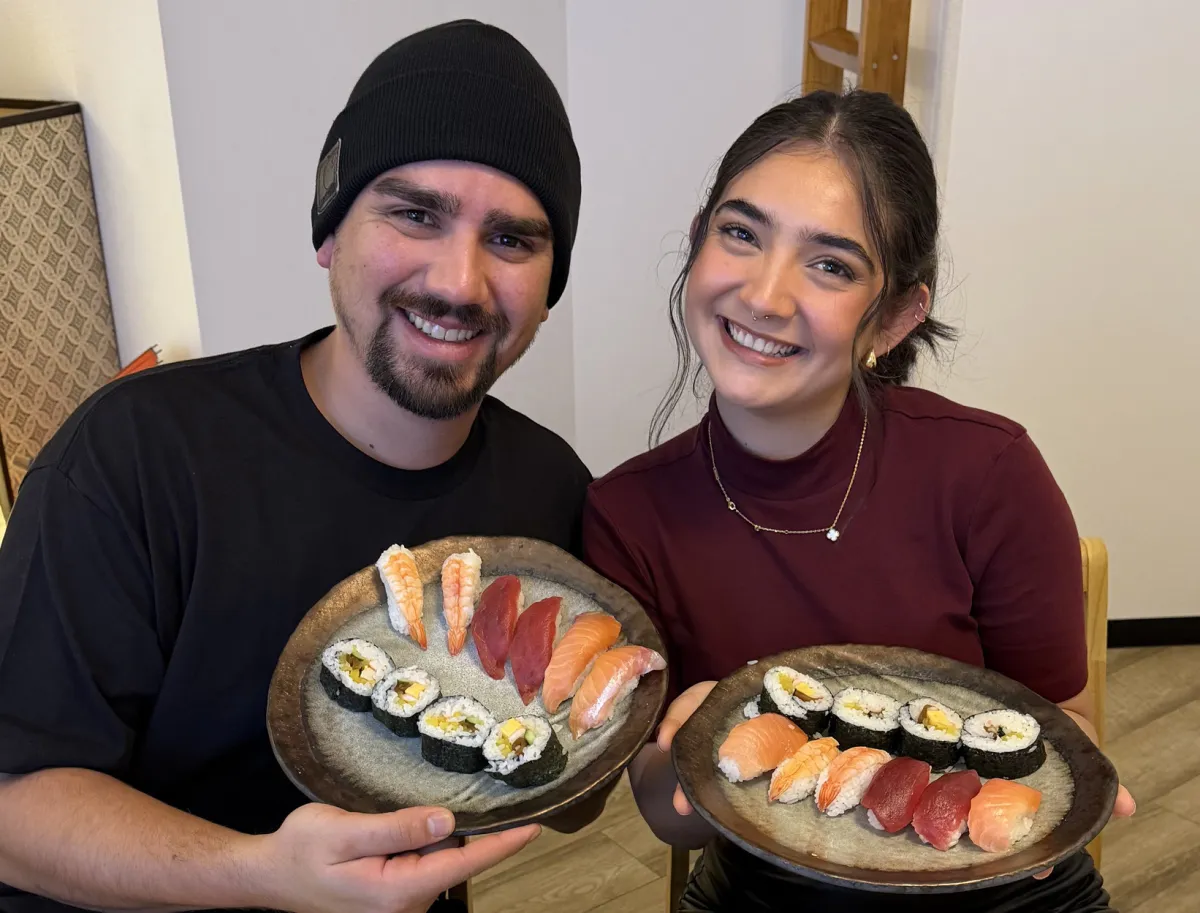
Tokyo Sushi Making Class : Sake Ceremony & Matcha Experience in Asakusa
What wasabi heat actually feels like
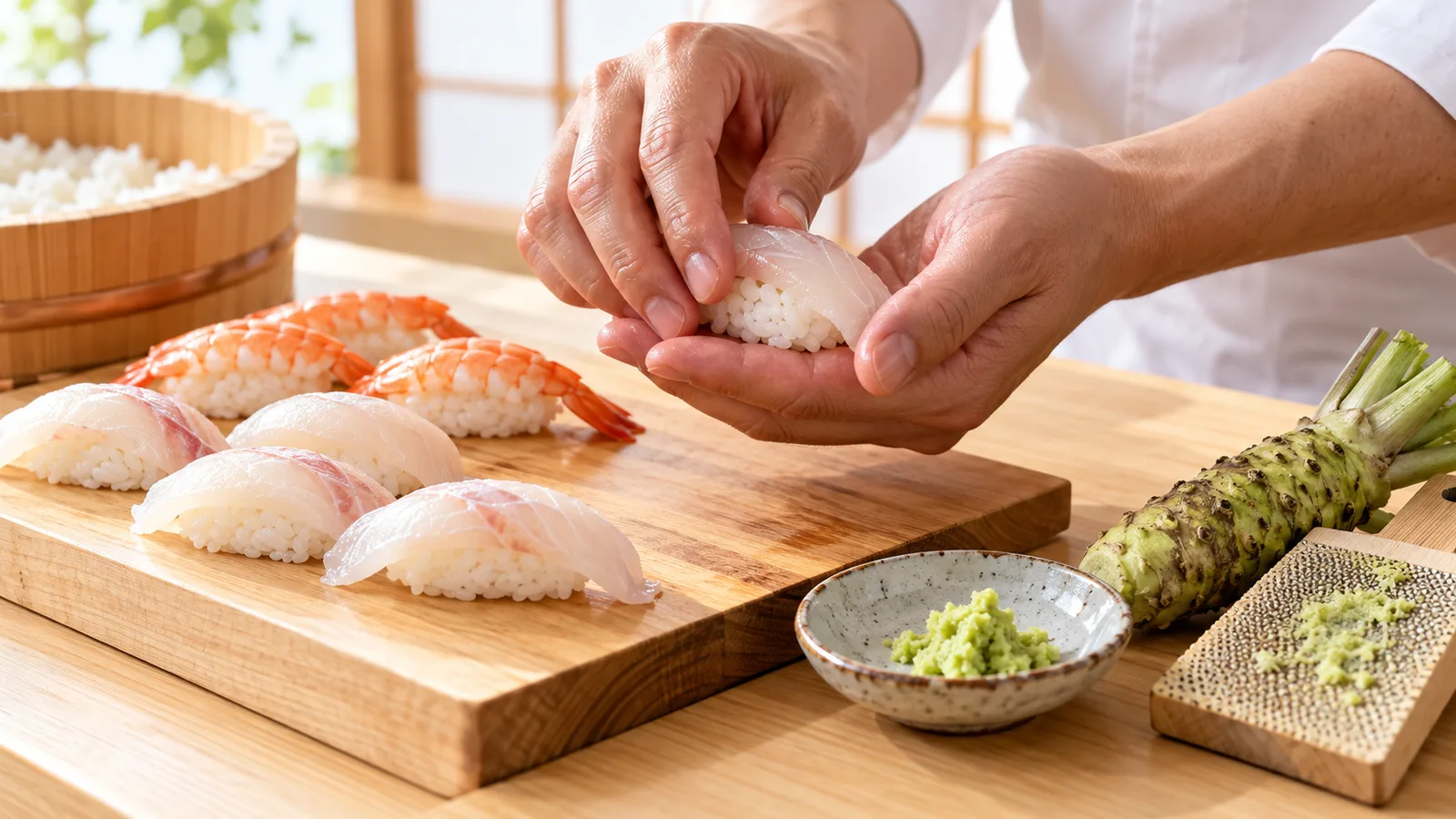
Wasabi is not hot in the same way as chilli. Its sharpness comes from volatile compounds that form when the root is grated. Instead of burning your tongue for a long time, it rises into your nose in a quick, sharp hit, then fades within seconds.
Because those compounds are volatile, the heat also fades after grating. Freshly grated wasabi has a bright, slightly sweet aroma and a sharp but short kick. The paste served in many places outside Japan is often mostly horseradish and mustard coloured green, which can taste harsher. Our guide to real wasabi explains the difference in detail.
At a traditional sushi counter, the chef puts a small amount of wasabi between the fish and the rice. The goal is to lift the flavour of the fish, not to make the sushi spicy. Many first-timers find it milder than they expected. But if you would still rather avoid it, that is perfectly fine.
What "sabi-nuki" means
Sabi is short for wasabi, and nuki means "without". Sabi-nuki is sushi made with no wasabi between the fish and the rice. It is a standard request, not a strange one. Children usually eat sabi-nuki, and plenty of adults order it too.
At many conveyor-belt sushi chains, sabi-nuki is already the default: the sushi arrives without wasabi, and wasabi is available separately for those who want it. At a counter or a traditional restaurant, the chef usually adds wasabi unless you ask.
How to ask for sushi without wasabi
At a counter or when ordering, you can say:
- "Sabi-nuki de onegaishimasu." — Without wasabi, please.
- "Wasabi nashi de." — No wasabi.
- "Wasabi sukuname de." — Just a little wasabi.
Say it at the start, before the chef begins, so that it applies to every piece. If you are ordering an omakase (chef's choice) course, mention it when you sit down. On touchscreen menus at conveyor-belt restaurants, look for a sabi-nuki option, or simply add wasabi yourself if it is served separately.
If you would like to try wasabi without committing, ask for it on the side (betsu de). Then you can add a tiny amount to one piece and decide for yourself.
Other things on the plate
Two other items sometimes worry spice-averse guests:
- Gari (pickled ginger): sweet, sour and slightly sharp, but not hot like wasabi. It is meant to refresh your palate between pieces.
- Soy sauce: not spicy at all. Dip the fish side lightly so the rice does not fall apart.
Our sushi etiquette guide covers how wasabi, ginger and soy sauce are traditionally used, and why mixing wasabi into the soy sauce is common but not how most counters intend it.
If you dislike spice versus if you cannot eat it
It helps to separate two situations:
- You simply do not enjoy wasabi. This is a taste preference. Asking for sabi-nuki is enough.
- You have a medical reason to avoid it, such as an allergy or a condition your doctor has told you to manage. This is a dietary requirement, and you should treat it like one: say so clearly in advance rather than relying on a quick request at the table.
Our guide to food allergies at a sushi class explains how to describe a requirement so that it can be checked properly before you pay.
Wasabi at our sushi class
In our signature sushi and matcha class, you shape the nigiri and roll the maki yourself, and then eat what you made. If you would rather avoid wasabi, tell the instructor at the start of the class so they can confirm what can be accommodated.
For anything more than a taste preference, add a note to your booking so we can check it before the class. Our FAQ explains that we can prepare suitable alternatives for dietary requirements when we know in advance.
Travelling with children
Children usually eat sushi without wasabi, so this is rarely an issue in a family booking. Children aged 4 and above can join the regular class. If you are deciding between a shared session and a private one, our guide to kids' sushi classes in Tokyo compares the options.
A quick checklist before you book
- Decide whether wasabi is a preference or a requirement.
- Learn one phrase: sabi-nuki de onegaishimasu.
- For a class, mention it at the start; for a requirement, note it in your booking.
- Gari can also taste sharp; try a little or leave it aside if you dislike it.
Wasabi should not stop you from enjoying sushi in Japan. When you are ready, check the dates for the sushi and matcha class and make your sushi exactly the way you like it.
Related Articles
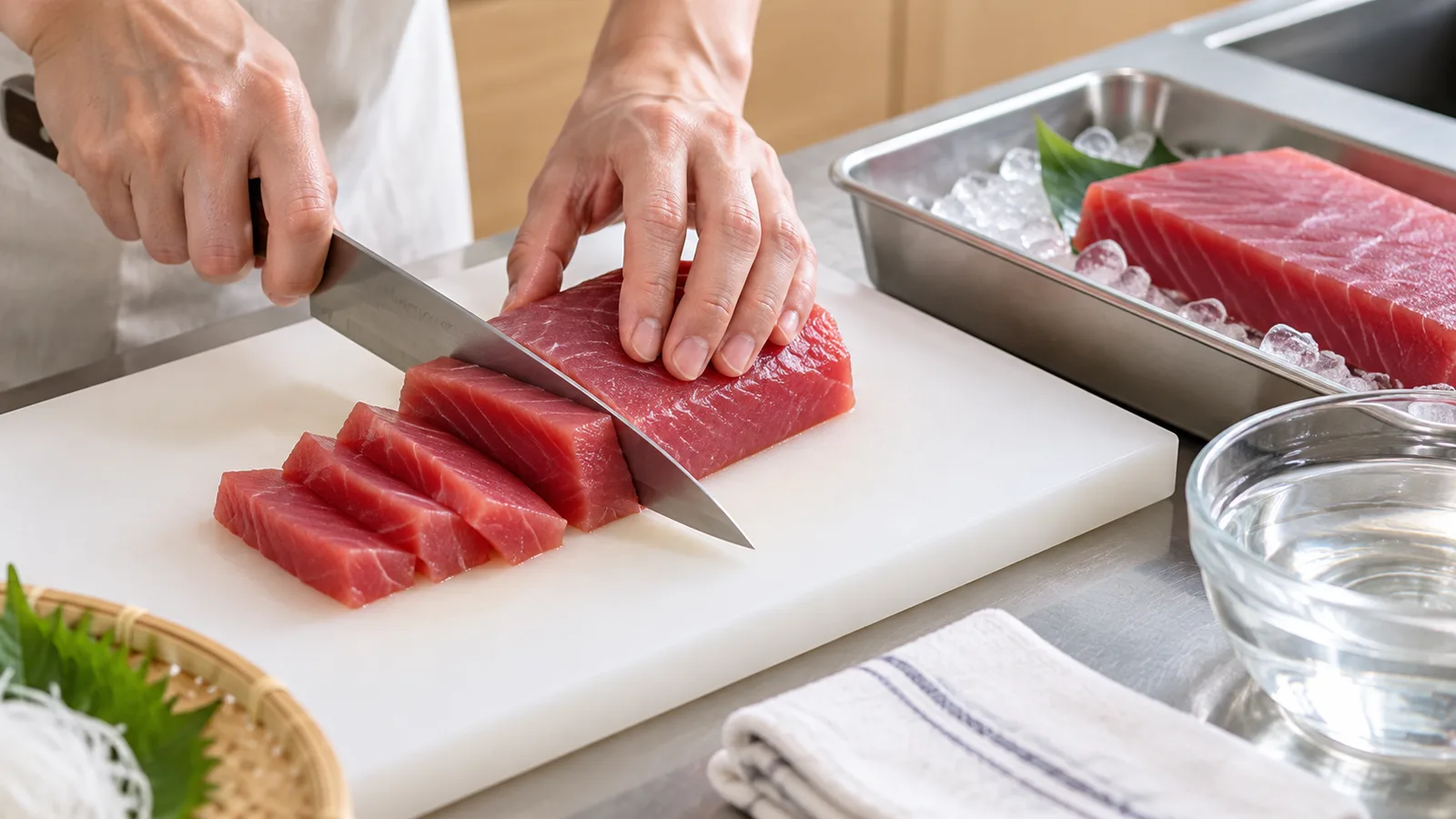
Is Raw Fish Safe to Eat in Japan?
Worried about raw fish before a sushi meal or class in Japan? What the real risks are, what Japan's health ministry advises, and the questions to ask first.
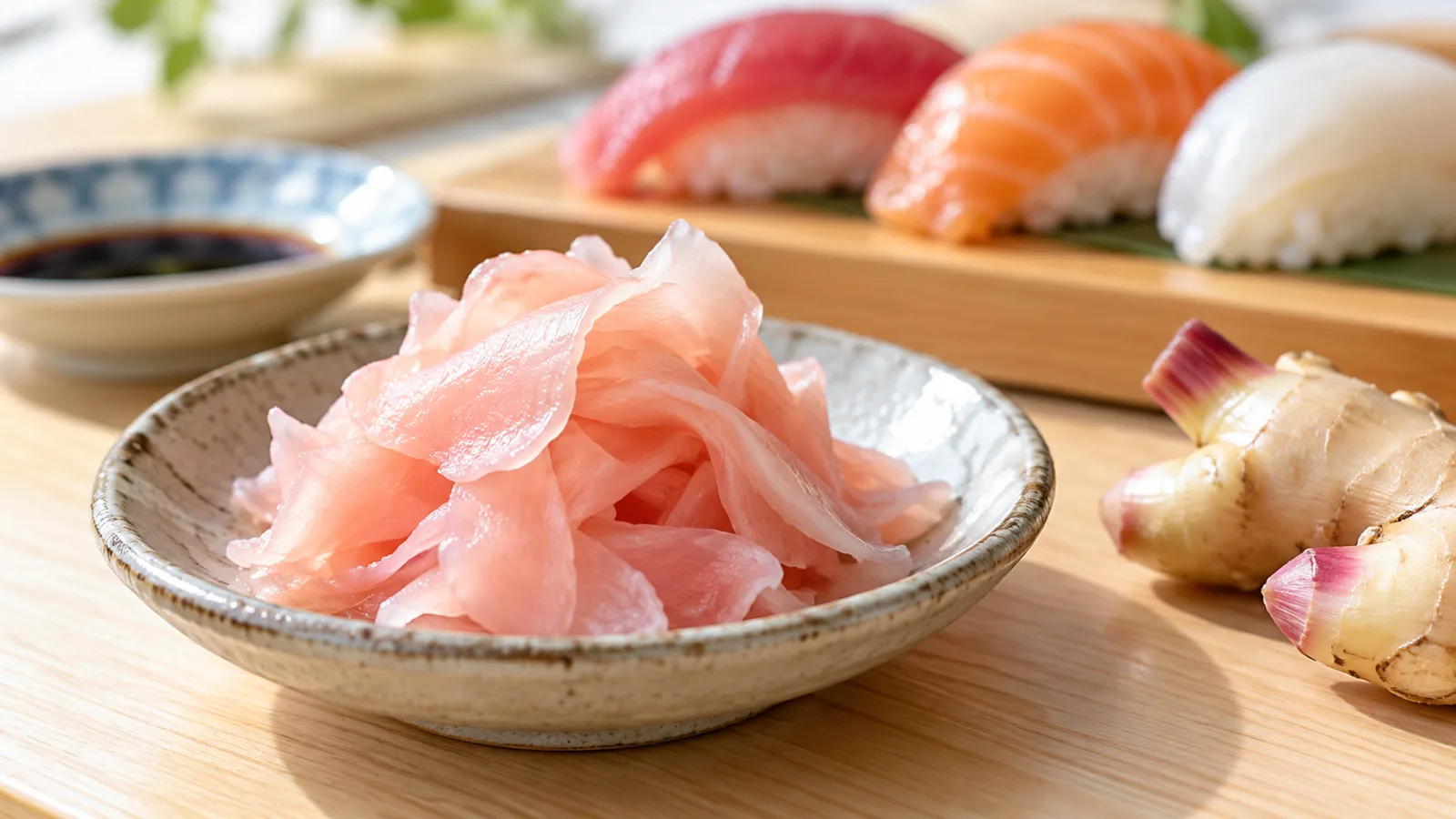
What Is Gari? Sushi Ginger Explained
What is the pink ginger served with sushi? What gari is, why it is pink, how it differs from red beni shoga and when to eat it during a sushi meal.
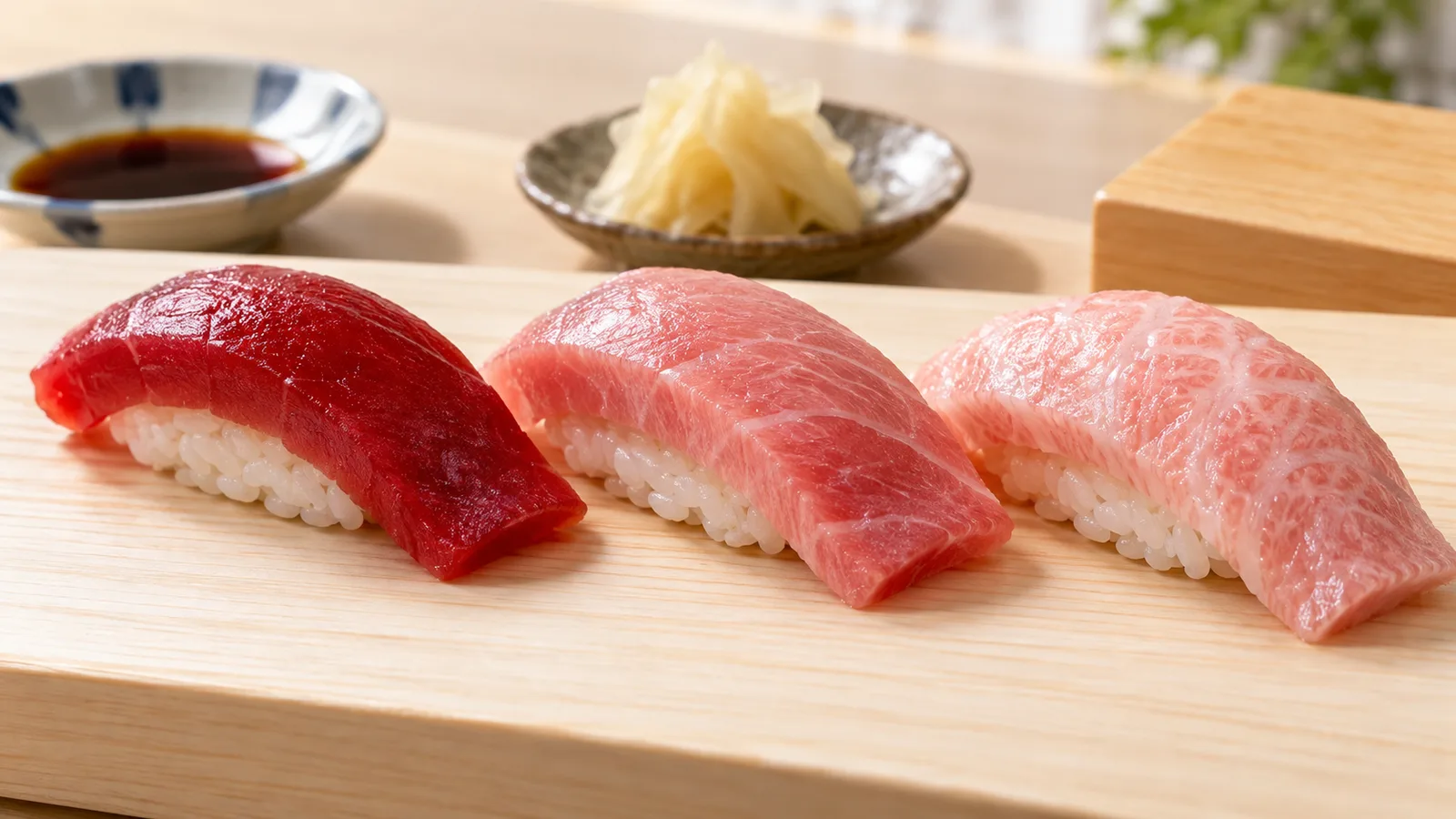
Akami, Chutoro or Otoro? Choosing Tuna Sushi
Akami, chutoro and otoro come from different parts of the same tuna. How they differ in fat, flavour and price, and how to choose and order them in Japan.