What Is Gari? Sushi Ginger Explained
Order sushi almost anywhere in Japan and a small mound of thin, pale pink slices will appear next to it. Many first-time visitors are not sure what it is, whether it is meant to go on top of the sushi, or whether it is just decoration. It is gari: sweet pickled ginger. It has a clear job, and once you know it, a sushi meal makes a little more sense.
This guide explains what gari is, where the name comes from, why it is often pink, how it differs from the bright red ginger you see on other Japanese dishes, and when to eat it.
Popular in Tokyo right now — our most recommended experience
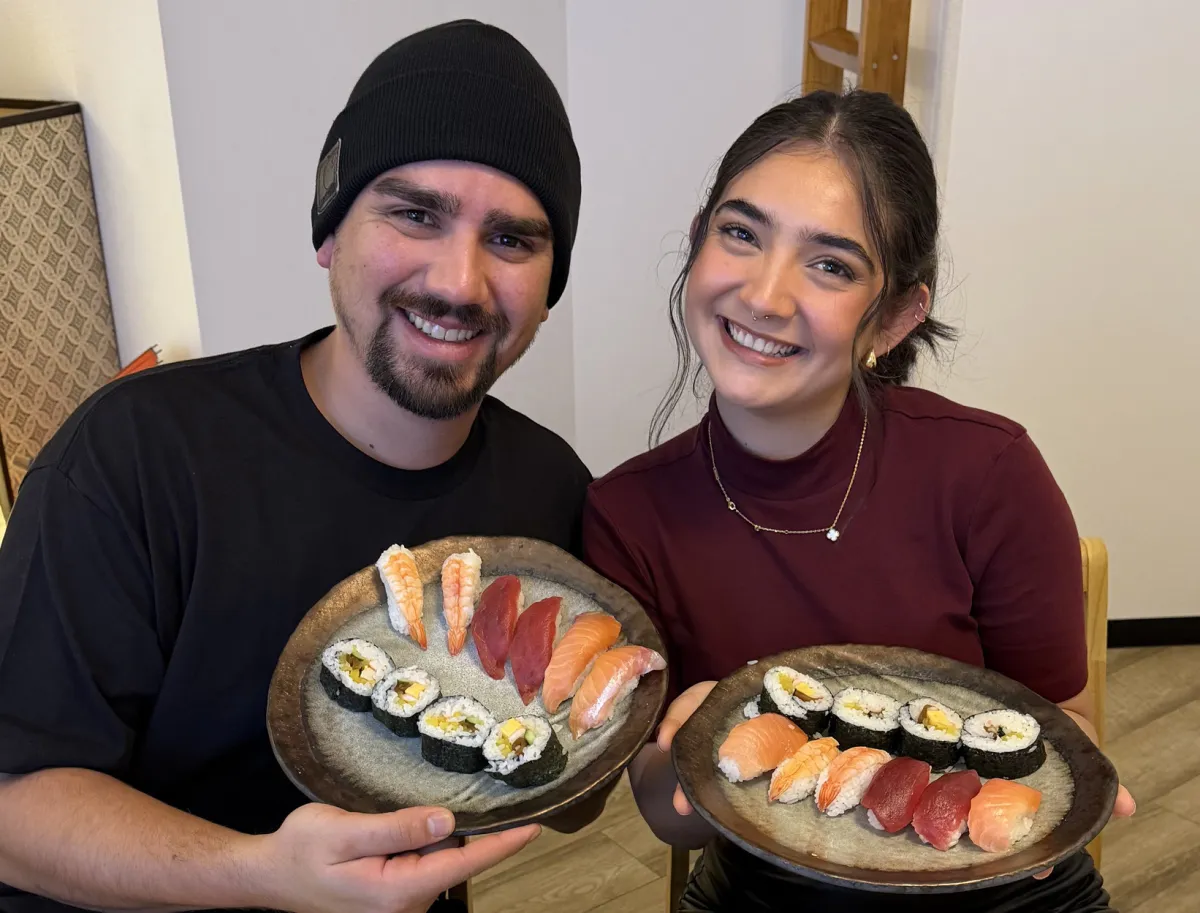
Tokyo Sushi Making Class : Sake Ceremony & Matcha Experience in Asakusa
What gari is
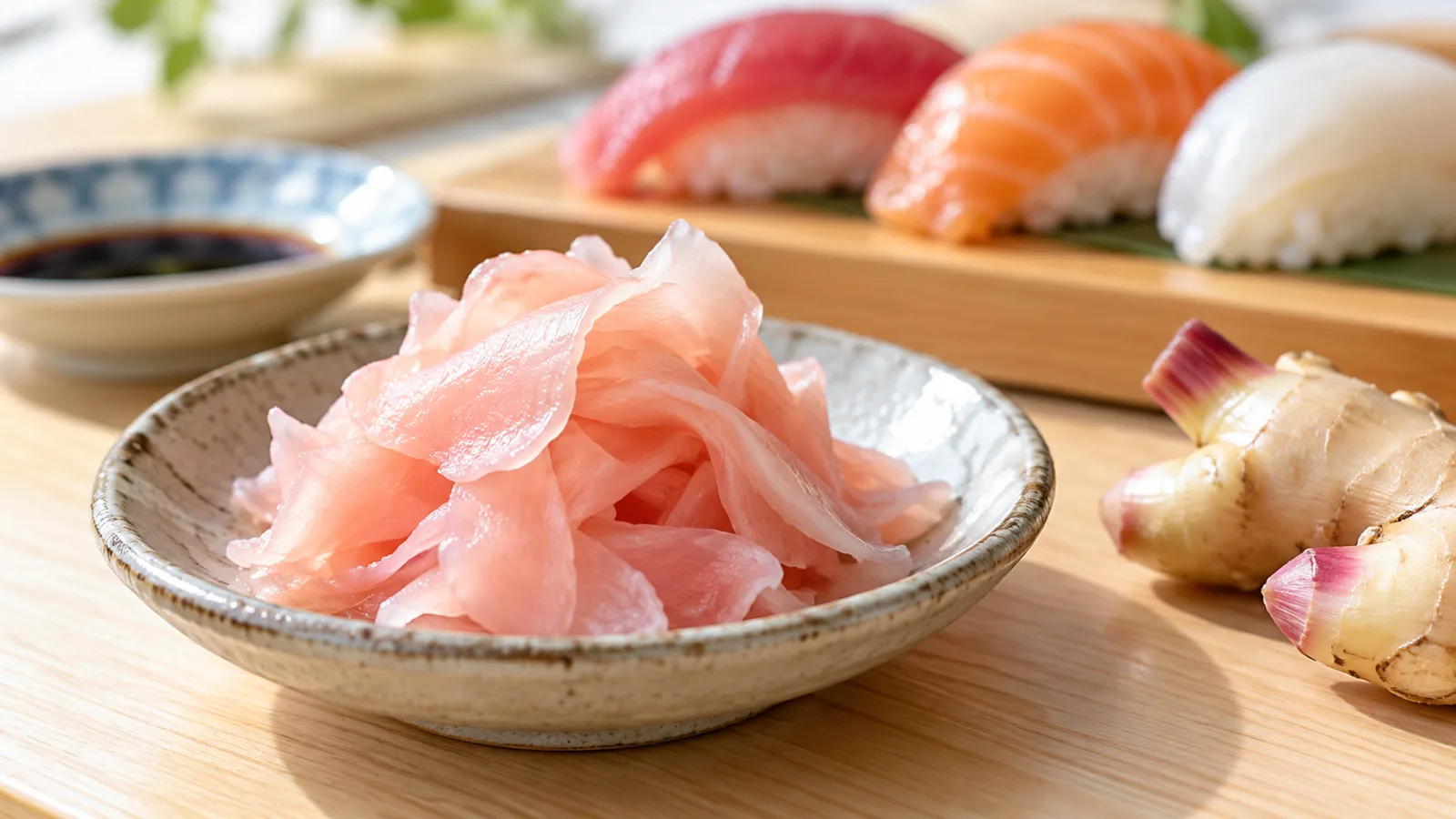
Gari is ginger that has been sliced very thinly, blanched briefly in hot water and then pickled in sweet vinegar. The Japanese etymology dictionary Gogen Yurai Jiten describes it exactly this way: thinly sliced ginger, passed through boiling water and steeped in sweetened vinegar, served alongside sushi as a palate cleanser.
The result is crisp, juicy and sweet-sour, with a gentle heat from the ginger. It is not meant to be strong in the way raw ginger is. The blanching and the sweet vinegar soften the bite so you can eat a few slices between pieces of sushi without overwhelming your mouth.
Where the name comes from
"Gari" is not the standard Japanese word for ginger, which is shōga. It is sushi-shop vocabulary, and the most widely cited explanation is that it imitates the crunching sound of chewing ginger: gari-gari. Sushi counters have their own words for several everyday items, and gari is one that has spread far beyond the counter. Today you will see it on menus, packaging and supermarket shelves.
Why it is pink
Gari can be almost white, cream or pink. Young ginger may turn pink in vinegar, and some commercial products use colouring. Colour alone cannot tell you how it was made; check the ingredient label if that matters to you.
Gari is not beni shoga
Japan has a second pickled ginger that visitors often confuse with gari. Beni shōga is usually cut into thin strips and pickled in red plum vinegar (umezu), the salty, sour liquid left over from making pickled plums, which gives it a strong red colour. It is sharp and salty rather than sweet.
Beni shoga commonly accompanies dishes such as gyudon, yakisoba and takoyaki, and it can also appear with some sushi styles. At a nigiri counter, gari is the usual sweet-vinegar side; the two pickles are not interchangeable in every dish.
What gari is for
The main role of gari is to refresh your mouth between pieces. Sushi often moves from lean fish to rich fish, from delicate white fish to oily mackerel. A slice of gari clears the lingering taste so the next piece tastes like itself. The ginger's aroma also pairs well with fish, which is one reason it became standard at sushi shops.
You may also read that ginger has health benefits. Traditional explanations for serving gari often mention this, but gari is a condiment, not a safety step. With raw fish, what matters is fresh fish and careful handling by the people who prepare it. Enjoy gari for its flavour.
How to eat gari
A few simple habits will make you look at home at any sushi counter:
- Eat it between pieces, not with them. Take a slice or two after finishing one piece and before the next, especially when you switch from one type of fish to another.
- Do not pile it on top of nigiri. The sushi chef has already balanced the fish, rice and wasabi. Gari on top hides that balance.
- Take what you will eat. At many restaurants, gari is refilled freely from a shared container. Take a small amount and come back for more if you want it.
- Use the serving utensil provided for a shared container, then eat the portion on your own plate with your chopsticks.
There is also a practical trick many sushi lovers use with gunkan (the "battleship" pieces wrapped in nori and topped with loose toppings such as salmon roe). Dipping a gunkan upside down can spill the topping. Instead, dip a slice of gari in soy sauce and brush it lightly over the topping. It is not a formal rule, just a neat way to add soy sauce without making a mess.
For a wider look at manners at the counter, including how much soy sauce to use and whether to eat with your hands, read our sushi etiquette guide for first-timers.
Gari, wasabi and soy sauce: three different jobs
It helps to think of sushi's three classic companions separately:
- Wasabi adds sharp, nasal heat, and at many sushi counters it is already placed between the rice and the fish. Our article on real wasabi explains why freshly grated wasabi tastes so different from the paste in tubes.
- Soy sauce seasons. A light touch on the fish side of nigiri is enough.
- Gari resets your palate between pieces.
None of them is meant to be piled on in large amounts. Sushi is built around the balance of fish and rice, and the condiments support that balance rather than replace it.
Some pieces need no soy sauce at all, because the chef has already brushed them with a sauce. Our guide to nikiri, tsume and soy sauce explains how to recognise them.
Making gari at home
Gari is easy to make. Thinly slice young ginger with a peeler or mandoline, blanch it for a moment, drain it well and steep it in a mixture of rice vinegar, sugar and a pinch of salt. Young ginger is best because it is tender and less fibrous; in Japan it reaches the shops around early summer, as Weathernews notes in its June guide to homemade gari. Older ginger works, but peel it and slice it as thinly as you can.
If you want to recreate a sushi meal at home, the rice matters even more than the condiments. Our guide to shari, the vinegared rice, explains why.
Learn the sushi itself in Asakusa
Gari is a supporting player. The main event is shaping sushi with your own hands. In our signature sushi making class in Asakusa, you learn to hand-shape nigiri with tuna, salmon and shrimp, roll a futomaki, toast with sake and whisk your own matcha, all in about 90 minutes with English-language instruction. If you would rather avoid raw fish, see our guide to a sushi class without raw fish before you book.
Related Articles
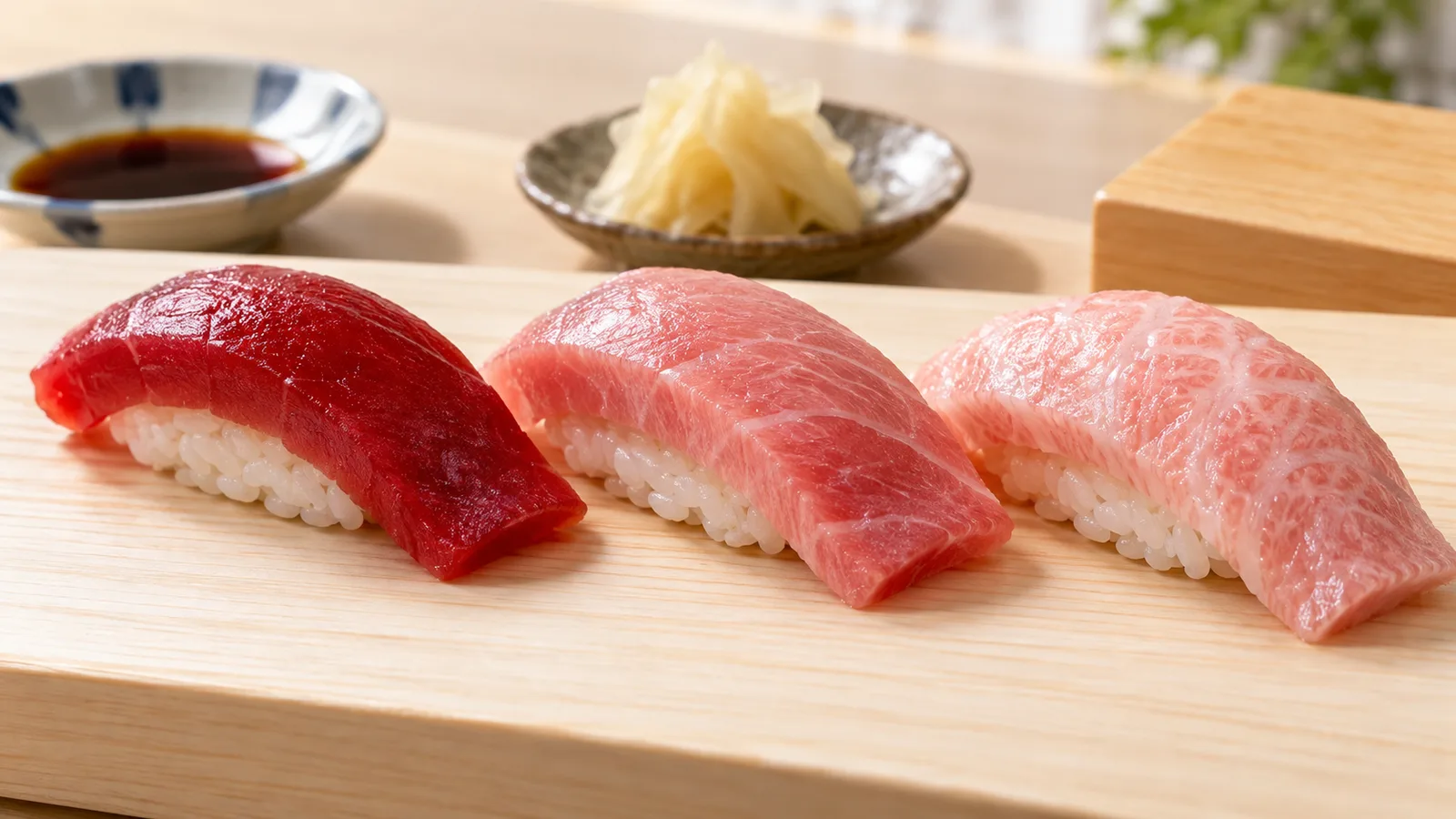
Akami, Chutoro or Otoro? Choosing Tuna Sushi
Akami, chutoro and otoro come from different parts of the same tuna. How they differ in fat, flavour and price, and how to choose and order them in Japan.
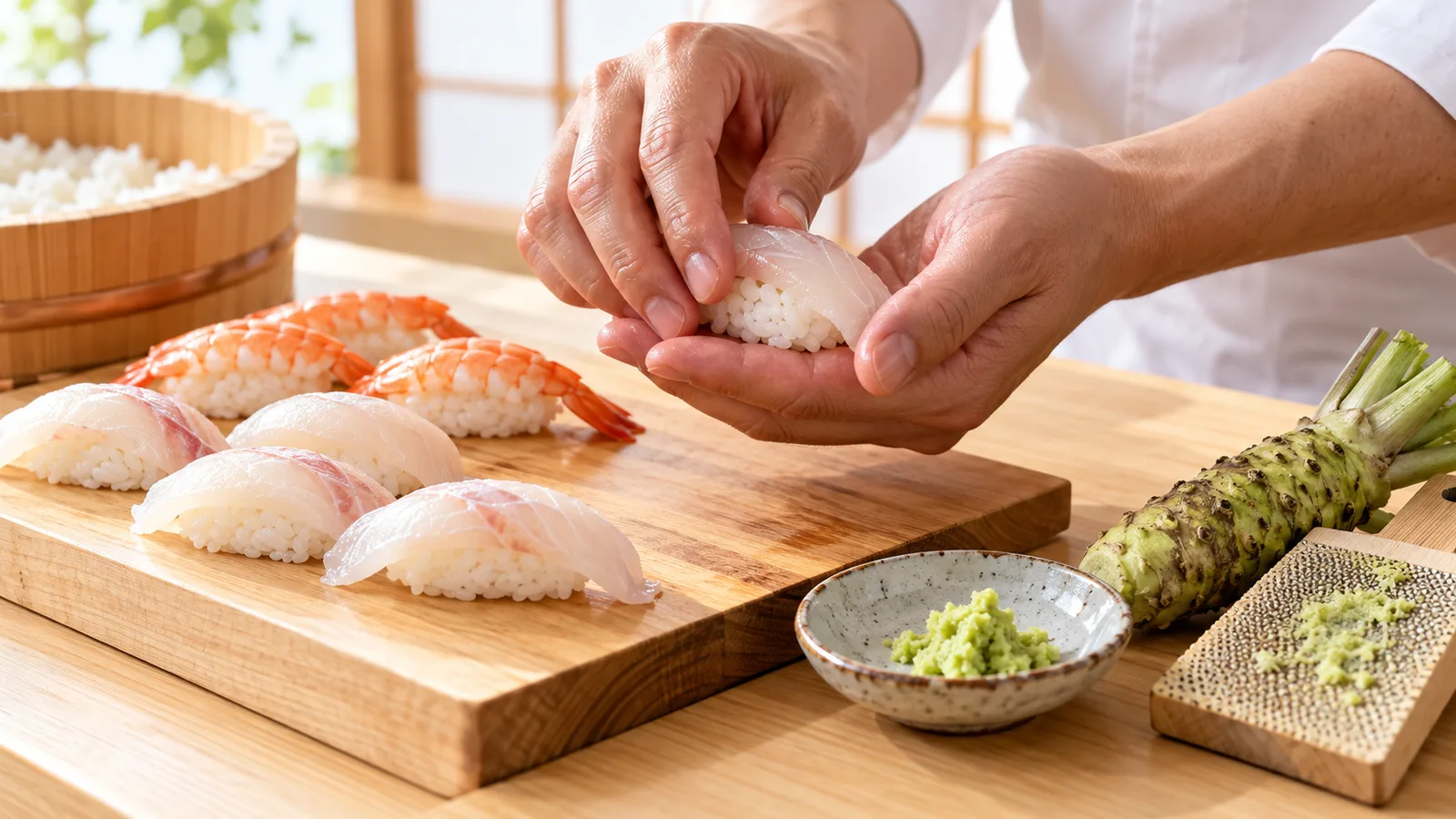
Sushi Without Wasabi: Asking for Sabi-Nuki
Worried wasabi will be too hot? What sabi-nuki means, how to ask for sushi without wasabi in Japan, and what to tell us before a sushi class.
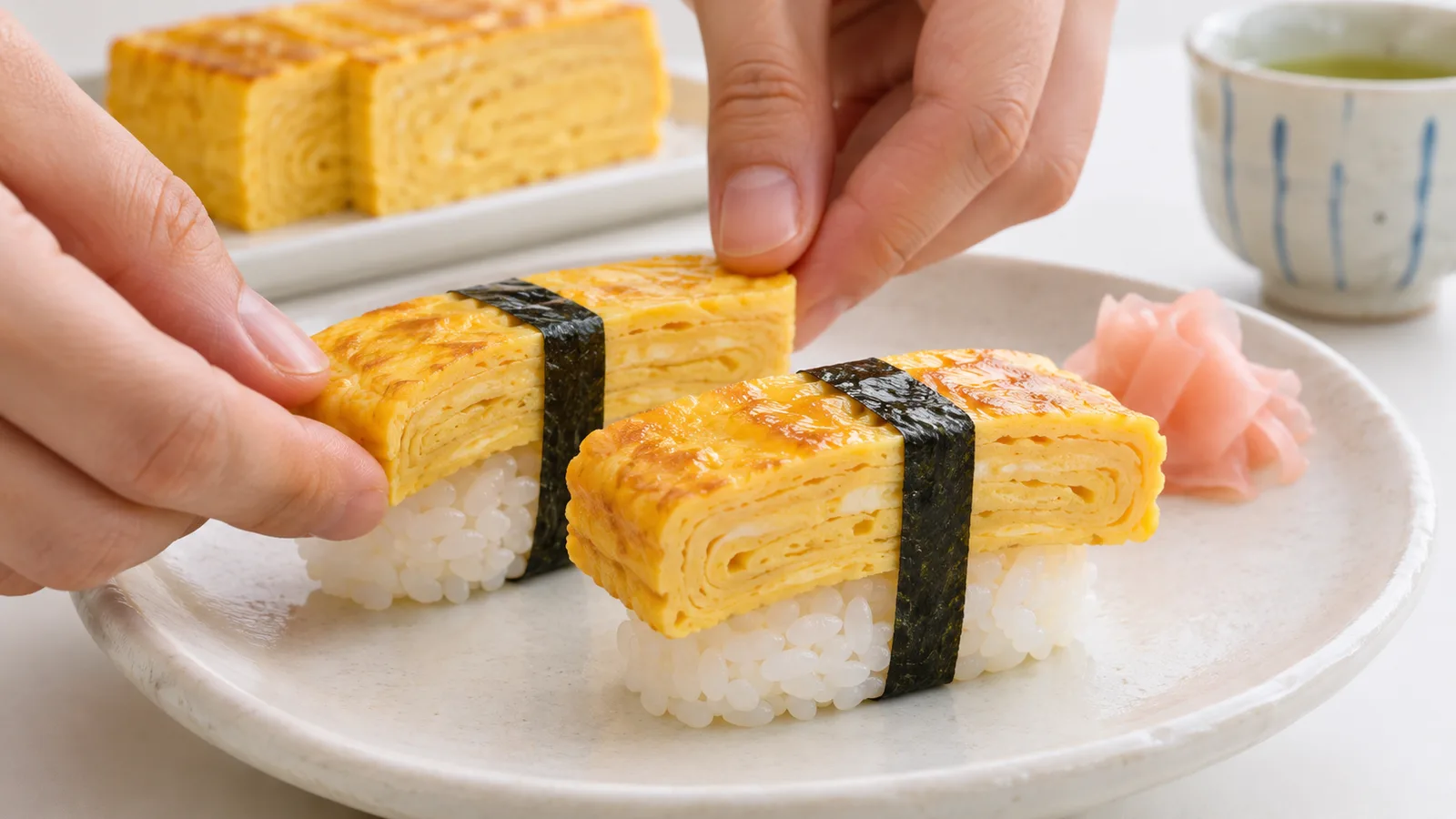
What Is Tamago Sushi? Sweet Egg Explained
Tamago is the sweet, layered omelette on sushi rice. What it is made of, how it is cooked, how to eat it, and what to know if you avoid raw fish or eggs.