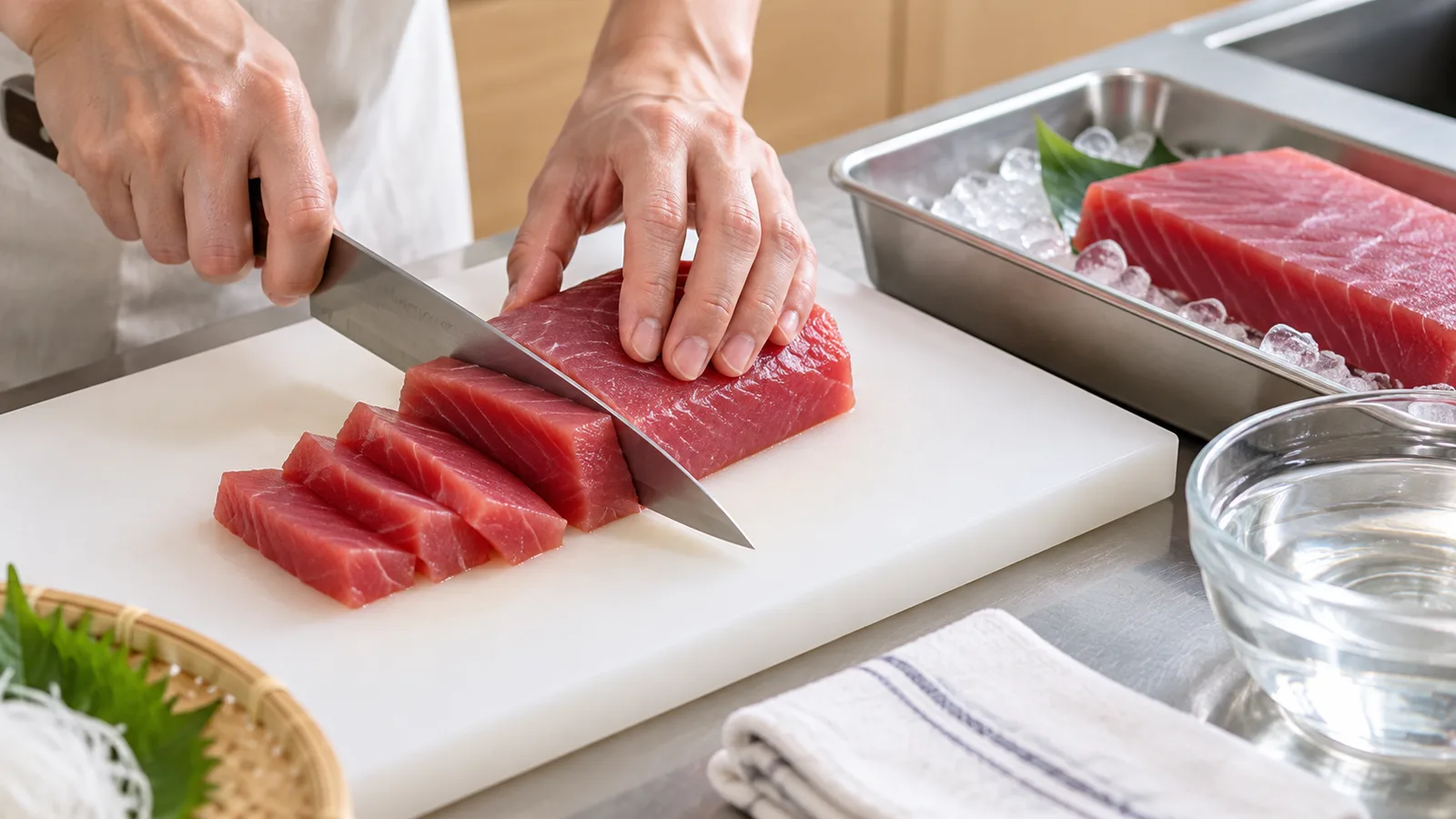
Is Raw Fish Safe to Eat in Japan?
For many travellers, eating sushi in Japan is a highlight of the trip. For others, one question gets in the way: is raw fish actually safe? Perhaps you have read about parasites, or you are travelling with someone who is cautious about food. It is a reasonable question to ask before you book a sushi restaurant or a hands-on class.
This guide explains what the main risks are, what Japan's Ministry of Health, Labour and Welfare (MHLW) tells consumers, and what you can ask so you feel comfortable. It is general information, not medical advice. If you have a health condition, are pregnant or have a weakened immune system, talk to your doctor before your trip.
Popular in Tokyo right now — our most recommended experience
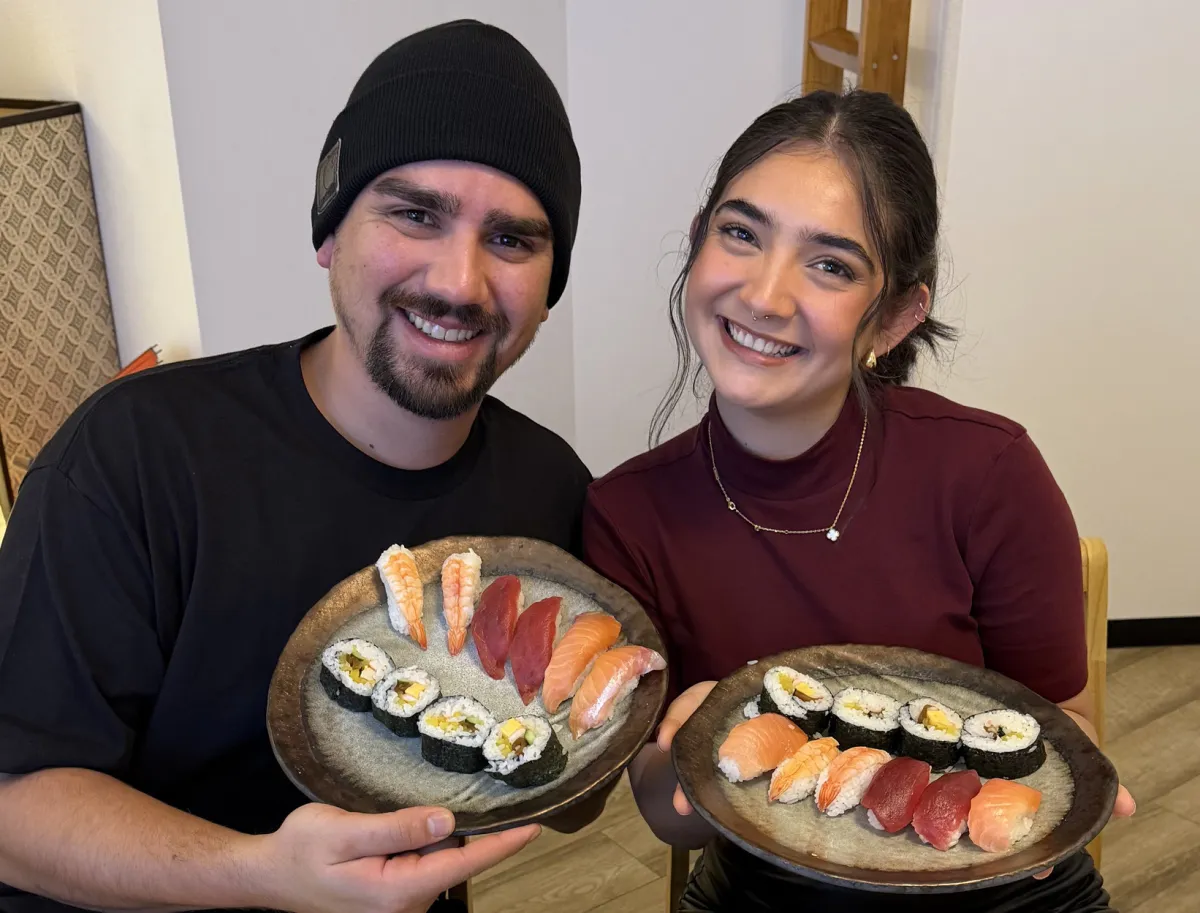
Tokyo Sushi Making Class : Sake Ceremony & Matcha Experience in Asakusa
The short answer
Raw seafood can contain parasites and harmful germs. Freshness, careful sourcing and hygienic handling matter, but they do not make eating it risk-free. Thorough cooking is the safest way to reduce these risks.
The US Food and Drug Administration (FDA) explains that freezing can kill parasites but does not kill all harmful germs. A frozen fish is therefore not automatically safe to eat raw. You can choose cooked or plant-based sushi and still enjoy the rice, shaping and flavours.
The parasite people ask about: anisakis
The risk most often mentioned in Japan is anisakis, a small parasite whose larvae can live in seafood. According to the MHLW, the larvae are found in fish and squid such as mackerel, horse mackerel, saury, bonito, sardine, salmon, flounder and tuna. They are about 2–3 cm long and look like a thin white thread.
The MHLW explains several points that are useful for travellers to know:
- Where the larvae live: they are usually in the internal organs, and they can move into the flesh as time passes after the fish dies. This is why freshness and prompt removal of the organs matter.
- What kills them: freezing at −20°C for at least 24 hours after the centre is frozen, or heating at 70°C or above (or 60°C for one minute).
- What does not: vinegar, salting, soy sauce and wasabi do not kill the larvae. Wasabi adds flavour; it is not a safety step.
- Symptoms: anisakis in the stomach can cause severe pain in the upper abdomen, nausea and vomiting within hours of eating. If that happens, seek medical care.
The MHLW also advises prompt removal of the internal organs of whole fish, not eating those organs raw and checking for larvae. These measures do not guarantee that raw fish is free of parasites or other hazards. Ask the provider about its controls; do not infer safety from a chef's reputation or the fish's appearance. MHLW
Cooked and vegetable toppings offer other choices
Not every topping carries the same concern. Many sushi toppings are cooked or never raw: tamagoyaki (sweet omelette), shrimp served cooked, simmered sea eel, cucumber and pickled radish. Our guide to the best fish for sushi explains why some fish are popular for raw use and others are usually cured or cooked.
Some traditional toppings such as mackerel are cured with salt and vinegar. That develops flavour, but as the MHLW points out, curing alone does not kill anisakis larvae. Careful sourcing and handling are still the key.
Who should be more careful
The FDA advises pregnant people, children, older adults and people with weakened immune systems to avoid raw or undercooked fish and shellfish, including sushi and sashimi. Choose thoroughly cooked alternatives and ask your clinician about any individual restrictions.
- Pregnant travellers: our guide to joining a sushi class while pregnant explains what to ask about cooked toppings and skipping sake. Confirm arrangements before booking.
- Children, older adults and people with weakened immune systems: ask for thoroughly cooked toppings or a suitable plant-based menu; also confirm how raw and ready-to-eat ingredients are kept separate.
- Seafood allergies: these require a separate discussion. Cooking does not make an allergen safe. Read our food-allergy guide and contact the host before booking.
Choosing not to eat raw fish is never rude. Sushi includes many options without it.
What to ask before a sushi meal or class
A few direct questions will tell you more than any online review:
- Is there a cooked or vegetable option? Ask before you book, not when you sit down.
- Which toppings are raw? A good host can tell you exactly.
- Can different people in the group eat differently? This matters for families and mixed groups.
- Who should I contact about dietary needs? Get the answer in writing if you can.
If you would rather avoid raw fish entirely, our guide to a sushi class without raw fish explains the routes we offer and what to tell us.
What to expect in our class
In our sushi making class with sake and matcha in Asakusa, you shape nigiri topped with lean and medium-fatty tuna, salmon and shrimp, and you roll a futomaki with tuna, cucumber, tamagoyaki and pickled daikon. The class does not involve breaking down or cleaning whole fish yourself. You wash your hands when you arrive, and the instructor guides each step.
If you are not comfortable with raw fish, there are options:
- Plant-based: our vegan sushi workshop uses a 100% plant-based menu in the same 90-minute format. It is a shared session, so other guests may make the regular menu at the same table.
- Families: the family private class lists a no-raw-fish option, with toppings such as tamagoyaki, cucumber and tuna mayo (which still contains fish).
- Signature class: you can ask about cooked or vegetable toppings when you book. A request needs individual confirmation, so wait for a reply before you rely on it.
Please do not assume a change can be made on the day. Tell the team when you book and wait for confirmation, especially if your request is about health.
A sensible way to decide
You do not have to eat raw fish to enjoy sushi. Choose a class with cooked or plant-based ingredients, confirm the menu in advance and still learn the rice and shaping techniques. In a mixed group, ask how different menus and shared preparation areas are managed.
Wasabi, soy sauce and vinegar do not replace parasite controls or hygienic handling. Freezing addresses parasites, not every food-safety risk; thorough cooking is the safest option for reducing risks from raw seafood.
Plan your class with confidence
When you are ready, check the dates on the signature sushi and matcha class page and mention any raw-fish preferences in your booking. If you have a question first, contact the team before you reserve.
Related Articles
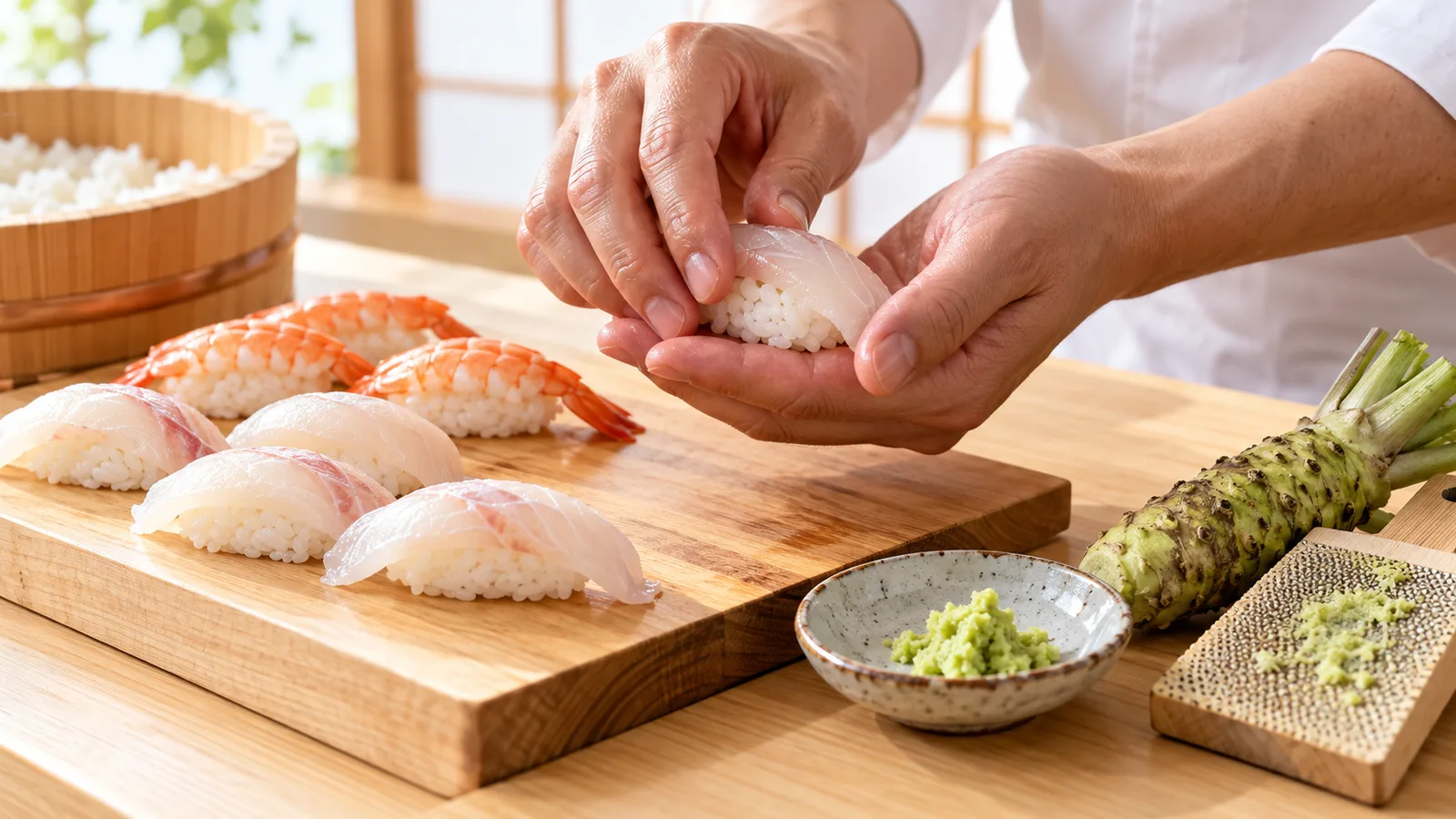
Sushi Without Wasabi: Asking for Sabi-Nuki
Worried wasabi will be too hot? What sabi-nuki means, how to ask for sushi without wasabi in Japan, and what to tell us before a sushi class.
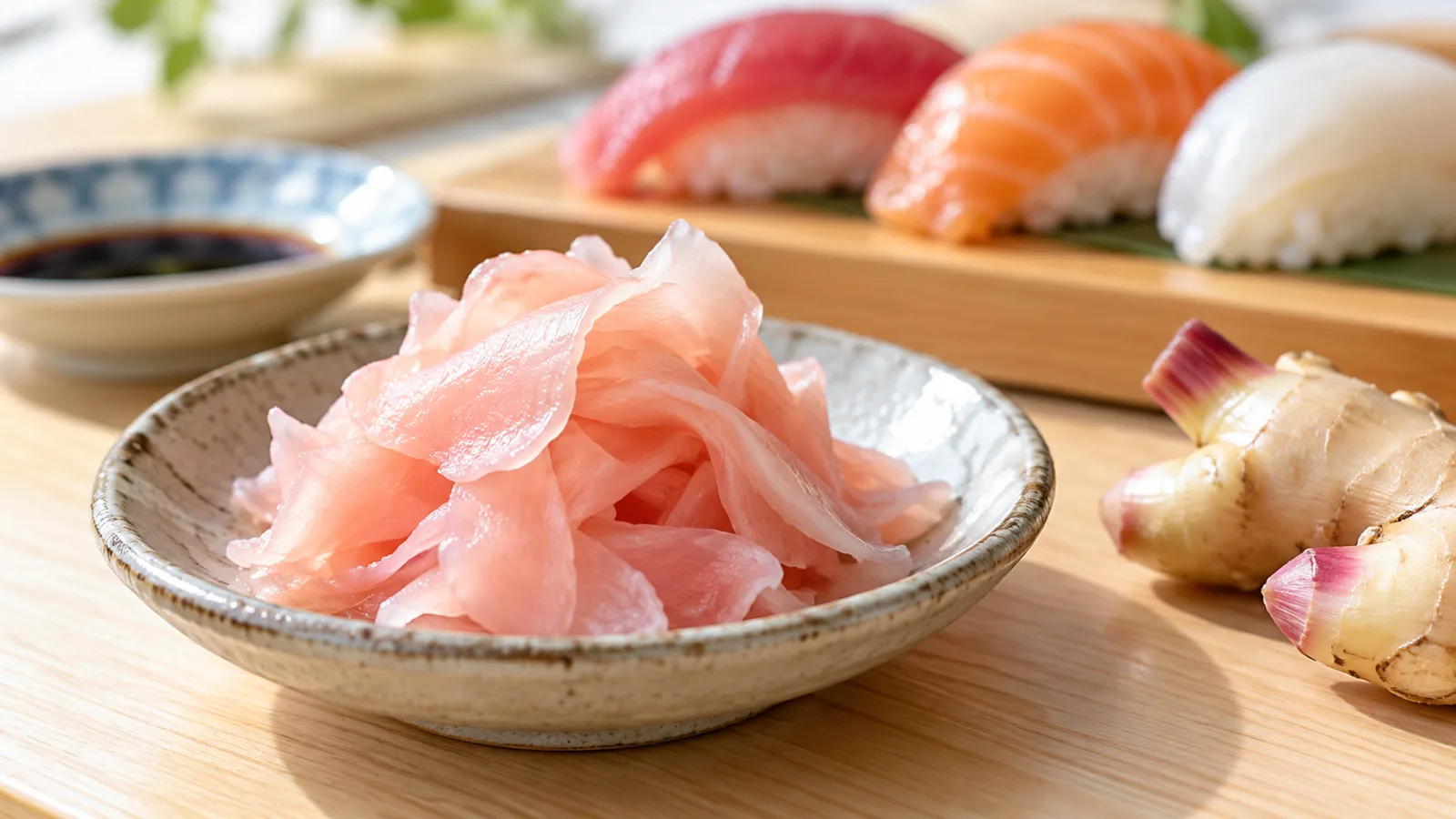
What Is Gari? Sushi Ginger Explained
What is the pink ginger served with sushi? What gari is, why it is pink, how it differs from red beni shoga and when to eat it during a sushi meal.
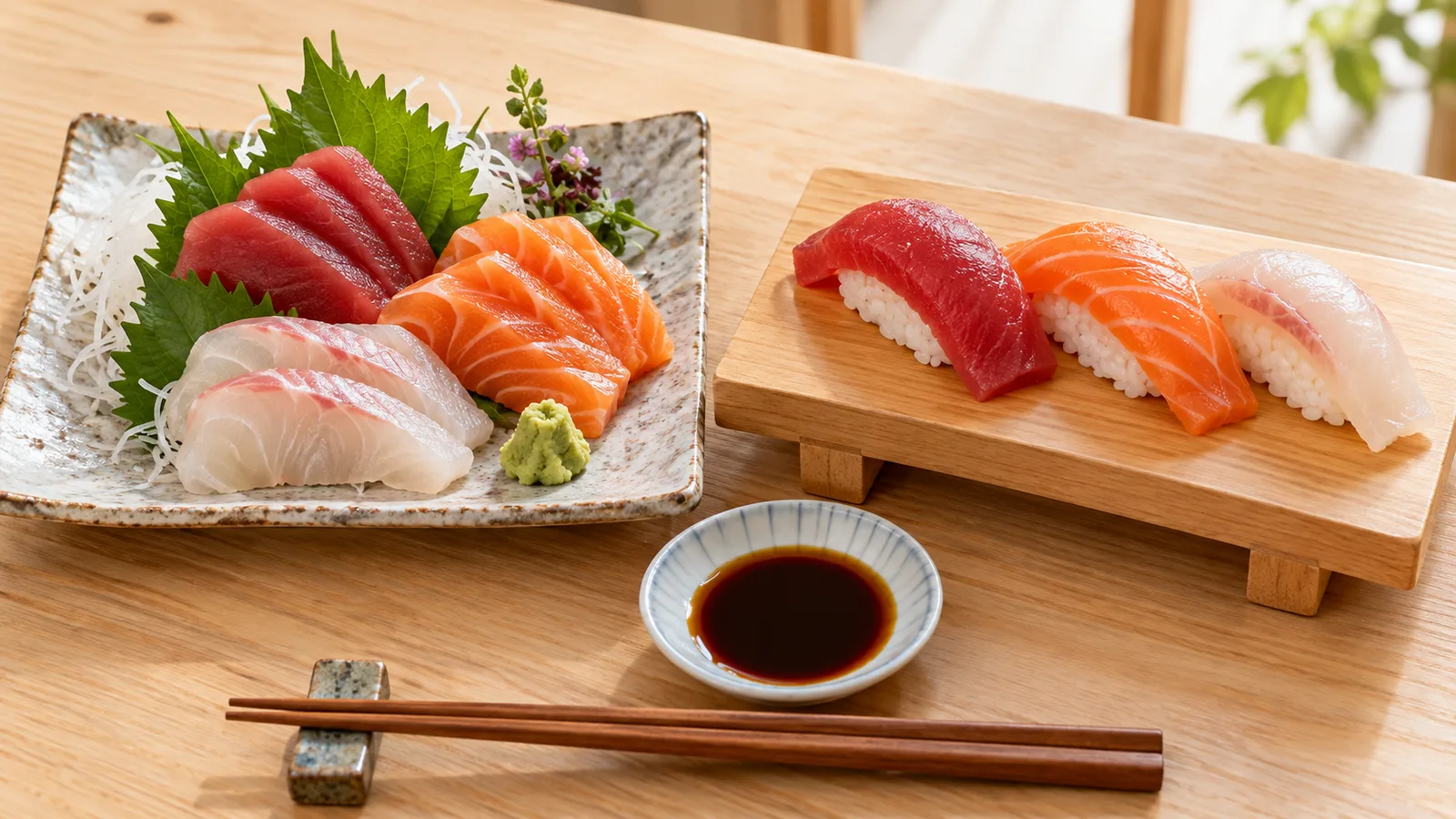
Sushi vs Sashimi: What's the Difference?
Sushi is defined by vinegared rice; sashimi is sliced fish without rice. How each is served and eaten, how to order both in Japan, and which one you make.