Sushi vs Sashimi: What's the Difference?
Many visitors use "sushi" and "sashimi" as if they meant the same thing: raw fish, Japanese style. In Japan they are two different dishes, and knowing the difference makes menus easier to read, helps you order with confidence and explains what you will actually make in a hands-on class.
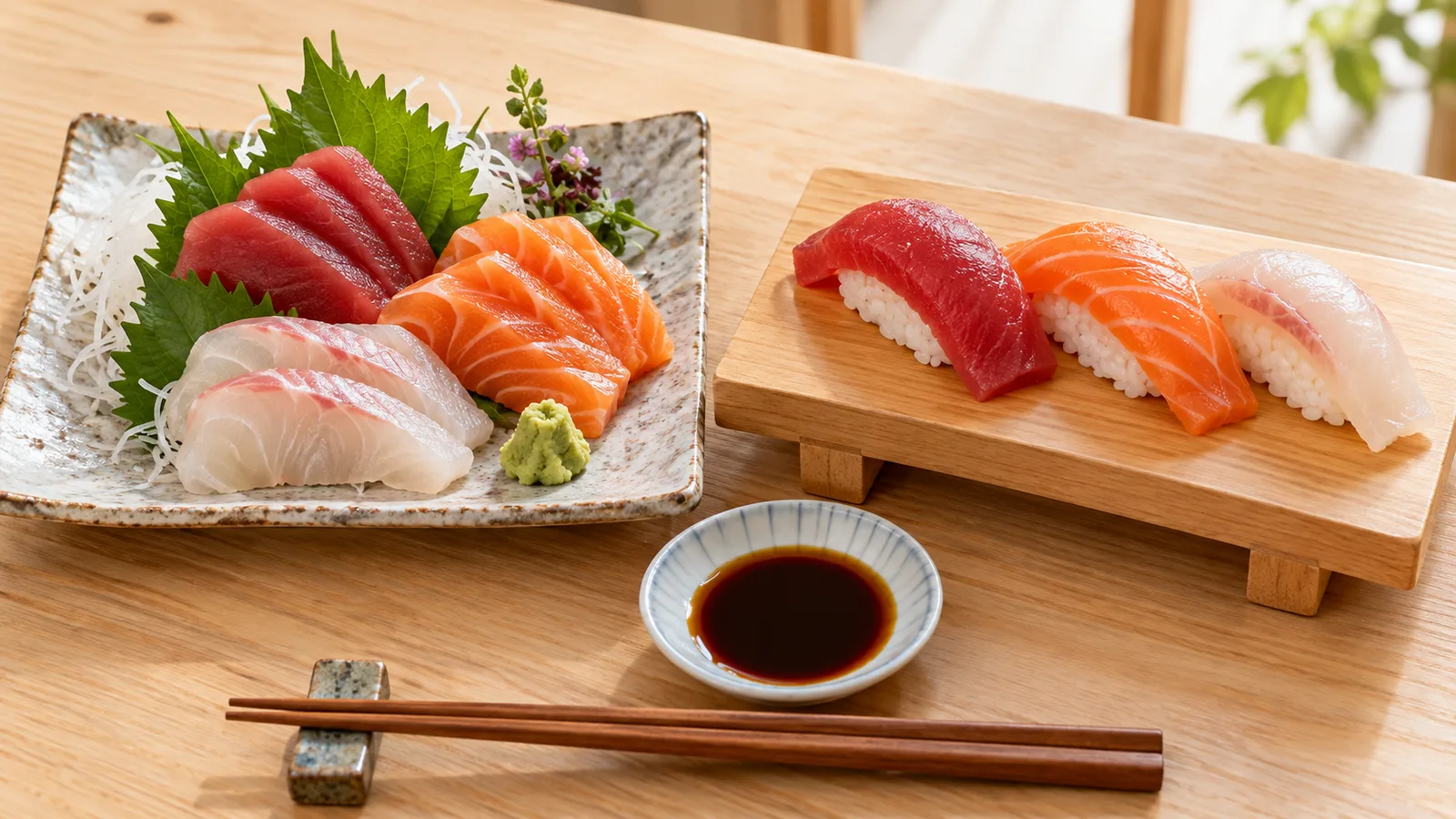
The short version: sushi is defined by rice, sashimi is defined by the knife. Sushi always involves vinegared rice and does not have to contain raw fish. Sashimi is raw fish or seafood cut into slices or small pieces and served without rice.
Popular in Tokyo right now — our most recommended experience
Tokyo Sushi Making Class : Sake Ceremony & Matcha Experience in Asakusa
What makes something sushi
Nigiri and many familiar sushi styles are built around shari, rice seasoned with vinegar; sugar and salt vary by recipe. Sushi does not require raw fish: cucumber rolls and egg-topped sushi are familiar examples. That does not automatically make them vegetarian, however. Tamagoyaki or inari may use fish-based dashi or other animal ingredients, so check the recipe if that matters to you. Our guide to shari, the rice at the heart of sushi explains its role.
Raw fish became closely associated with sushi through the development of Edo-style nigiri in Tokyo. Even today, toppings may be cured, simmered or marinated rather than served plain, depending on the style and ingredient. If you are curious about how that style developed, read our history of Edomae sushi.
What makes something sashimi
Sashimi is fresh seafood cut into slices or small pieces and eaten with soy sauce and a condiment such as wasabi or grated ginger. In the Kansai region around Osaka and Kyoto it is often called otsukuri. The cut matters: the chef chooses the thickness and angle for each fish, so a slice of tuna and a slice of flounder may look and feel quite different.
A plate of sashimi usually comes with garnishes that each have a name:
- Ken: fine shreds of daikon radish or cucumber, which add crunch and freshness between slices.
- Tsuma: aromatic leaves or sprouts such as shiso.
- Condiments: wasabi, grated ginger or other sharp flavours, depending on the fish.
The garnishes are meant to be eaten, not just admired. A bite of daikon between different fish works much like pickled ginger does with sushi.
Side-by-side comparison
| Sushi | Sashimi | |
|---|---|---|
| Defining element | Vinegared rice (shari) | The cut of the seafood |
| Rice | Always | Never on the plate |
| Raw fish | Common, but not required | Usually raw seafood |
| Typical forms | Nigiri, rolls, hand rolls, bowls | Slices arranged with garnishes |
| How to eat | Nigiri by hand or chopsticks | Chopsticks |
| Soy sauce | A light touch on the topping | Dip the slice, adding wasabi to it |
A word that often confuses people: nigiri
Nigiri is the type of sushi most visitors picture: an oval of rice pressed by hand, with a slice of fish on top. Because the topping looks like a piece of sashimi, people sometimes think nigiri is "sashimi on rice". The difference is in the balance. A nigiri topping is cut to suit a mouthful of rice, often a little thinner and longer, and many sushi chefs season the piece before serving it.
That balance is exactly what beginners practise in a class. Shaping the rice so that it holds together in your fingers but loosens in your mouth is harder than it looks.
How to eat each one politely
Customs in Japan are relaxed at casual restaurants, but a few habits help.
Sashimi: use chopsticks. Put a little wasabi directly on the slice, then dip one edge in soy sauce. Mixing a large amount of wasabi into the soy sauce dish is common abroad but less usual at a good sushi counter.
Nigiri: eat it in one bite if you can, by hand or with chopsticks. If you want soy sauce, turn the piece slightly so the fish, not the rice, touches the sauce. Our sushi etiquette guide for first-timers covers ginger, the counter and more.
If you find wasabi too strong, you can ask for less. Our guide to real wasabi explains why fresh wasabi tastes milder and sweeter than the paste many people know.
Ordering both in Japan
At a sushi counter, some diners start with a few slices of sashimi to go with a drink before moving on to nigiri. It is a natural rhythm, not a rule. In Japanese, moriawase means an assortment, so sashimi moriawase is a mixed plate of sashimi and nigiri moriawase is a set of nigiri chosen by the restaurant.
Two practical points:
- Sashimi is not a smaller sushi meal. Without rice it is lighter, so if you order only sashimi you may want rice or another dish as well.
- Price follows the fish. A plate of fatty tuna sashimi can cost more than a set of everyday nigiri. Our guide to the best fish for sushi explains how popular fish such as tuna, salmon and sea bream differ in flavour and texture.
Which one do you make in our class?
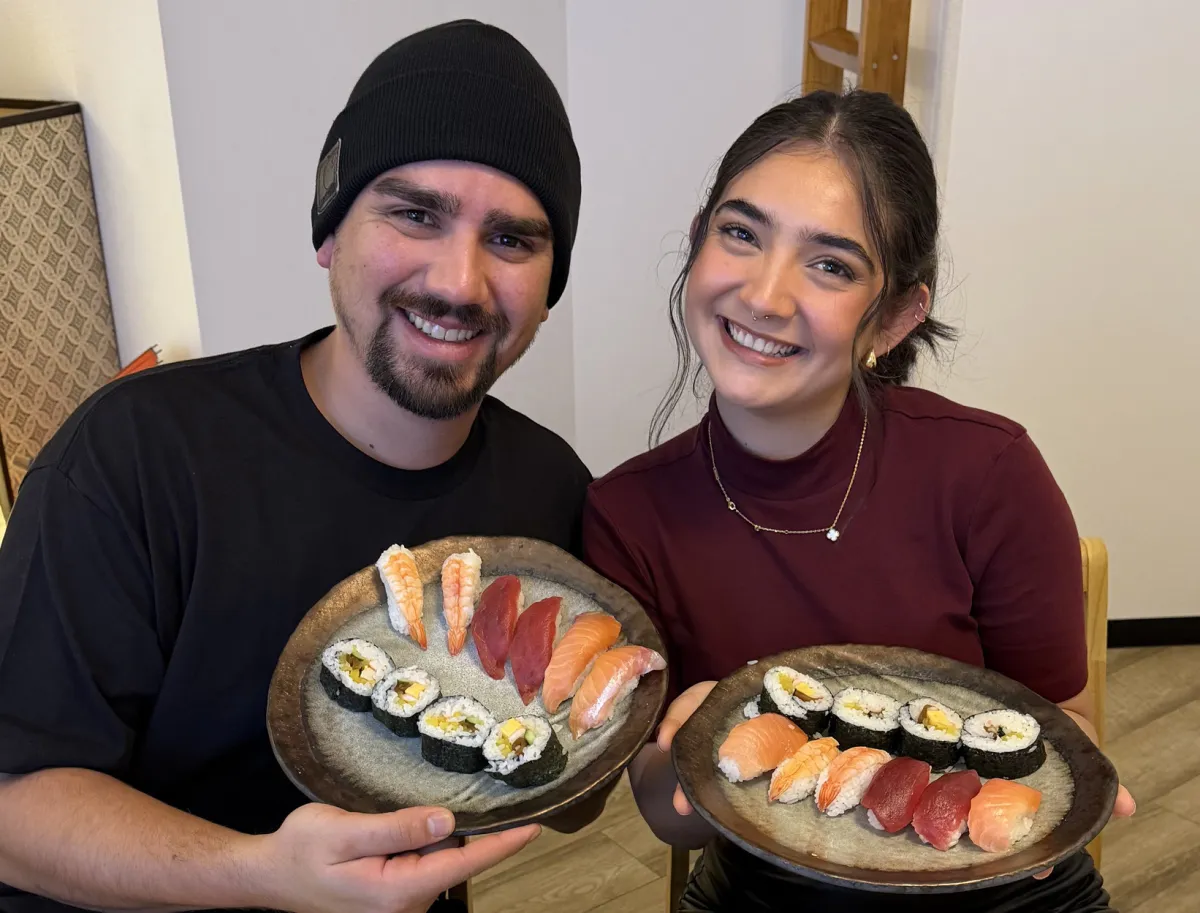
Our sushi making class with sake and matcha in Asakusa is about sushi, not sashimi. You shape nigiri by hand with the kotegaeshi technique, topping it with lean tuna (akami), medium-fatty tuna (chutoro), salmon and shrimp, and you roll a futomaki filled with tuna, cucumber, tamagoyaki and pickled daikon using a bamboo mat. You do not break down whole fish or practise professional knife work; the class focuses on the rice and the shaping, which is the part that turns sashimi-style seafood into sushi.
The class lasts about 90 minutes, includes a sake toast and ends with you whisking your own matcha. If you prefer no raw fish, read our guide to a sushi class without raw fish before booking and tell the team when you reserve.
Quick answers
Is sashimi a type of sushi? No. Sashimi has no rice, and rice is what makes sushi.
Can sushi be vegetarian? Yes, when its ingredients and seasonings are suitable. Vegetable rolls can be an option, but check dashi, fillings and sauces; inari is not automatically vegetarian. Our vegan sushi workshop uses a plant-based menu in a shared session.
Which should a first-timer order? Try both. A small sashimi plate shows you the fish on its own, and nigiri shows how rice changes the same fish.
Taste the difference yourself
Reading about the difference helps, but feeling it in your hands is more memorable. Choose a date on the signature sushi and matcha class page and see how a slice of fish becomes a piece of nigiri.
Related Articles
What Is Gari? Sushi Ginger Explained
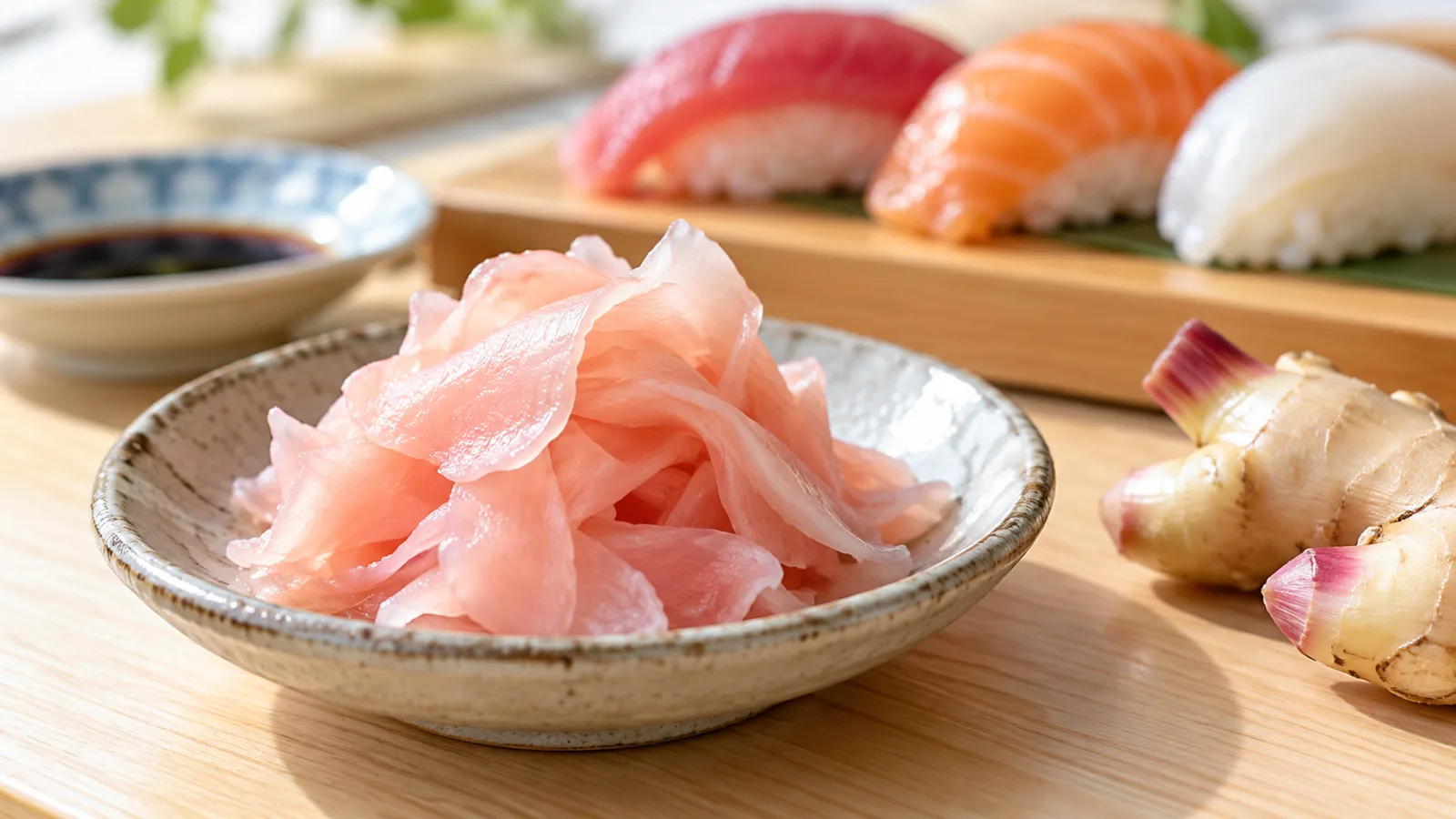
What is the pink ginger served with sushi? What gari is, why it is pink, how it differs from red beni shoga and when to eat it during a sushi meal.
Is Raw Fish Safe to Eat in Japan?
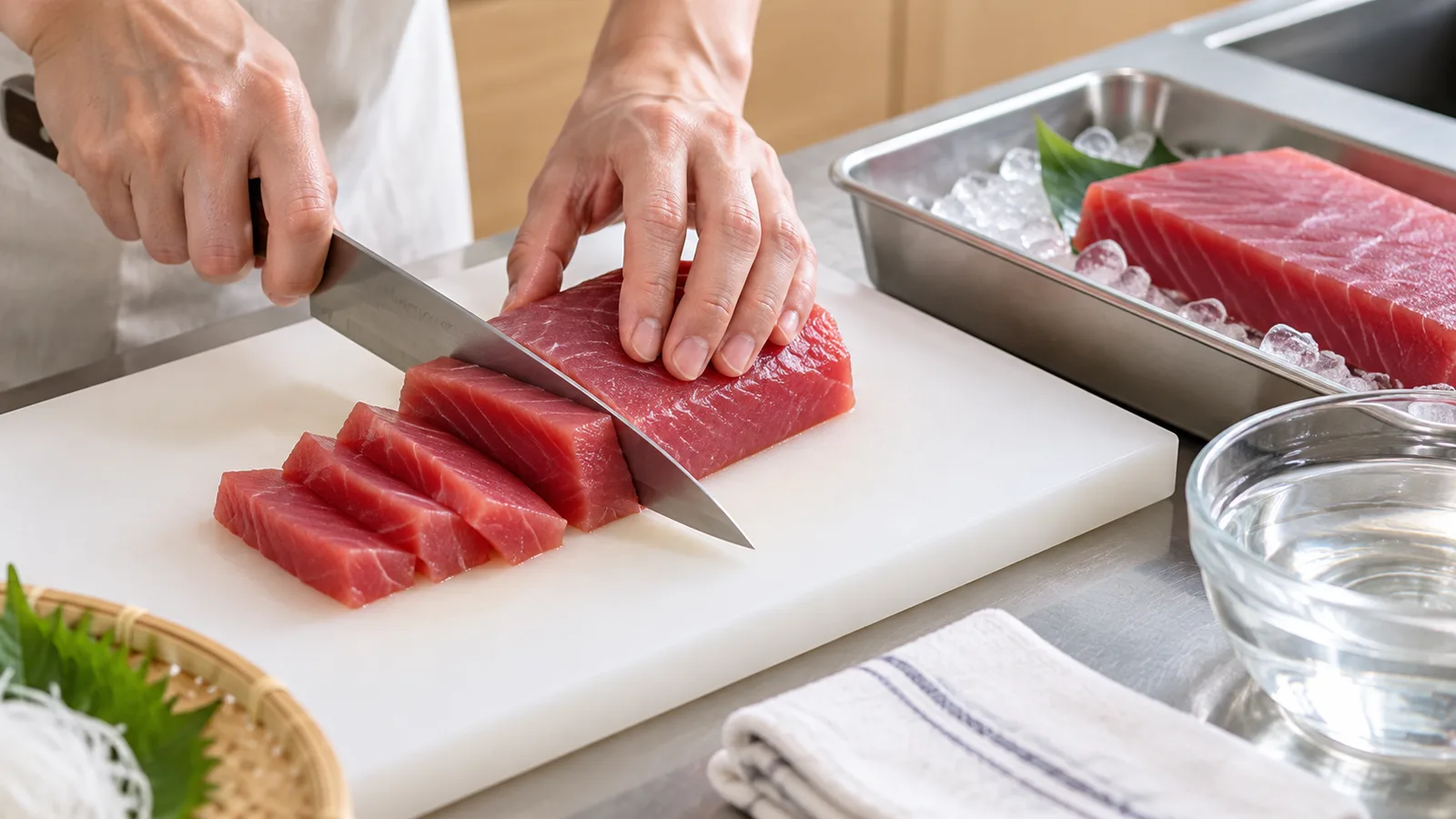
Worried about raw fish before a sushi meal or class in Japan? What the real risks are, what Japan's health ministry advises, and the questions to ask first.
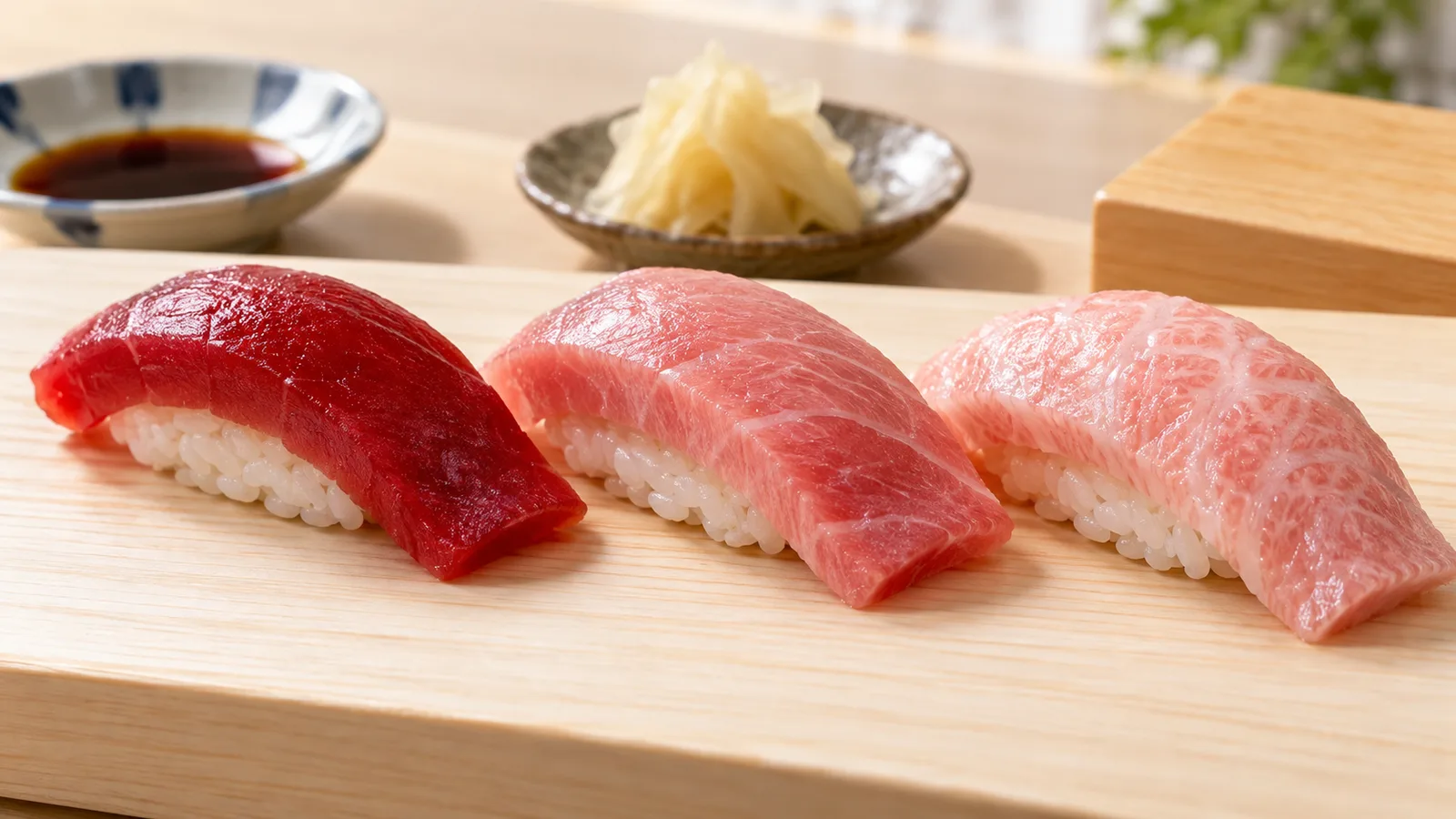
Akami, Chutoro or Otoro? Choosing Tuna Sushi
Akami, chutoro and otoro come from different parts of the same tuna. How they differ in fat, flavour and price, and how to choose and order them in Japan.