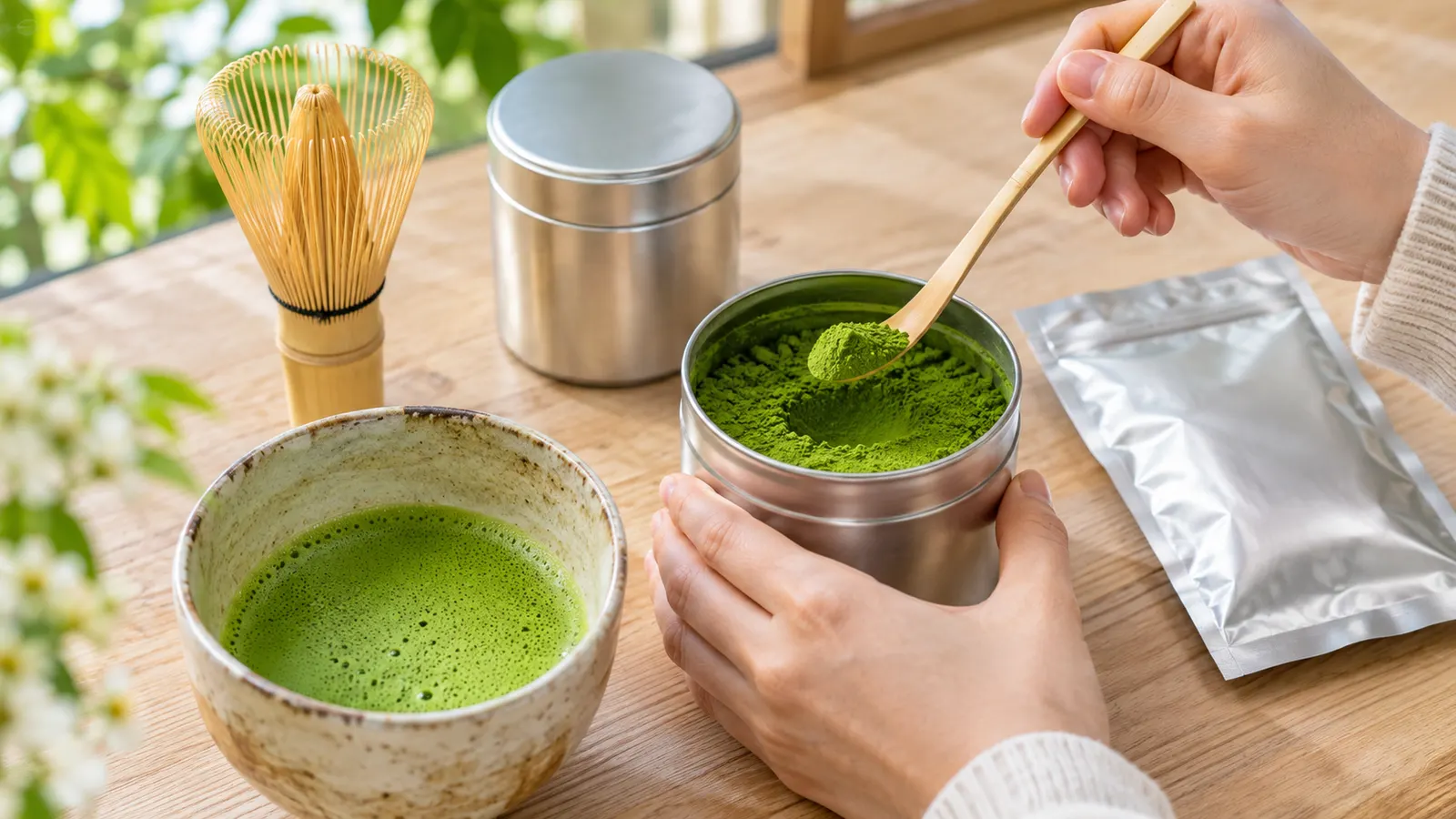
How to Buy and Store Matcha from Japan
Matcha is a natural thing to take home from Japan. It is light, it packs small and Tokyo has plenty of shops that sell it. It is also delicate. Tea makers warn that it is sensitive to temperature, humidity, light and smells, and a tin that was bright green in a Tokyo shop can taste flat a few weeks after you open it at home.
This guide covers what to look for when you buy, how much to get, how to store it, and the practical rules for customs and Japan's tax-free system.
Popular in Tokyo right now — our most recommended experience
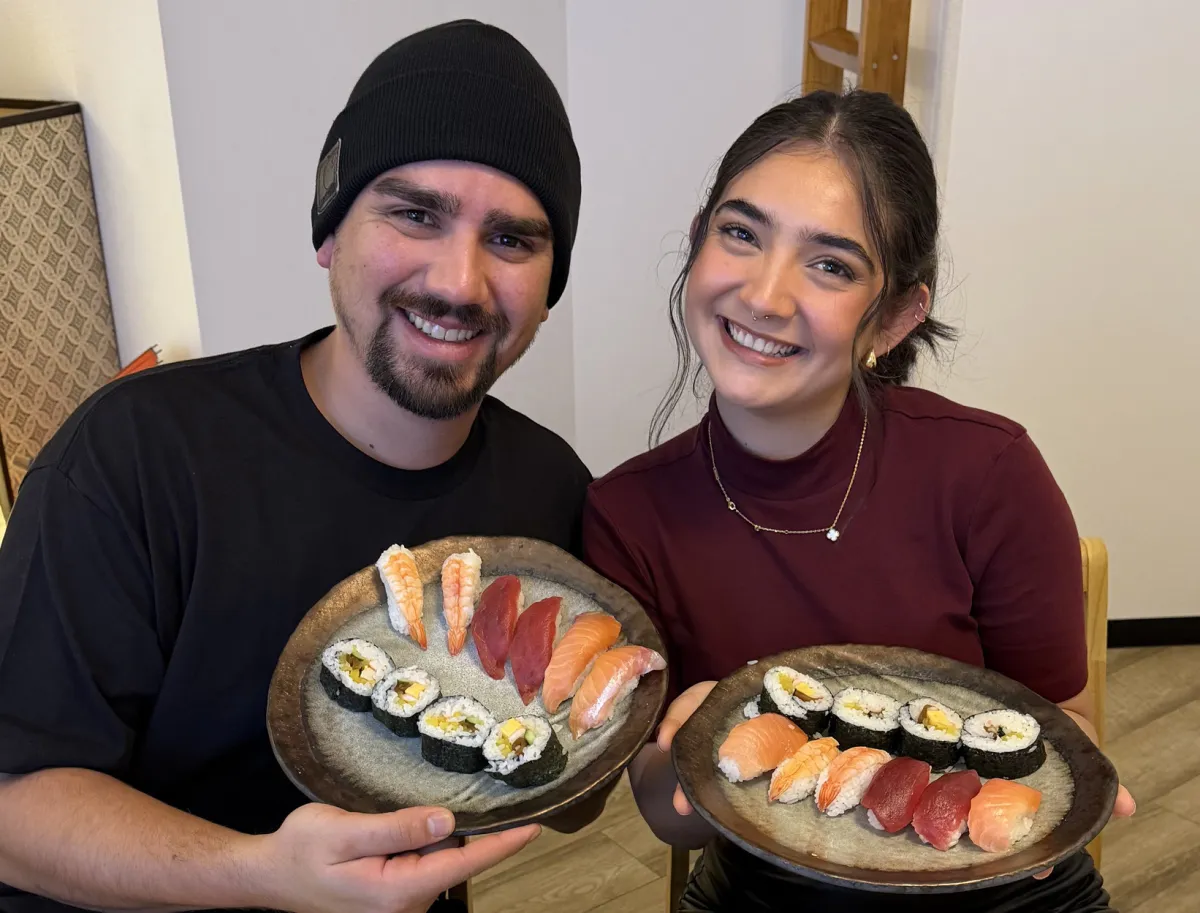
Tokyo Sushi Making Class : Sake Ceremony & Matcha Experience in Asakusa
The short answer
- Buy small packs that you can finish soon after opening, rather than one big bag.
- Check whether the tea is meant for usucha (thin tea) or koicha (thick tea), and look at the dates on the pack.
- Keep unopened matcha sealed and cold. Let it come back to room temperature before you open it.
- Declare it if your home country asks about food, and do the tax-free procedure at the airport before you check your bags.
What matcha actually is
Under the labelling standard of Japan's tea industry association, matcha is made from tencha: tea grown under shade for a few weeks before picking, then steamed and dried without rolling. The tencha is ground into a fine powder with a stone mill or similar. Green tea that has simply been powdered, without being tencha first, is called funmatsucha, powdered tea, and is not matcha under that standard.
That matters when you shop. Packs labelled 粉末茶 (powdered tea) or インスタント (instant) are a different product, often cheaper and meant for drinks or cooking. For whisking a bowl at home, look for 抹茶 on the label.
What to check on the pack
Usucha or koicha. Japanese tea shops often say whether a matcha suits usucha, the frothy everyday style, or koicha, the thick style for formal tea. A koicha tea can also be whisked as usucha, but not always the other way round. Our guide to usucha and koicha explains the difference. "Ceremonial grade" and "culinary grade", common outside Japan, are not official Japanese grades, so the usucha and koicha labels are the more useful clue.
Dates. Japanese food packs carry a best-before date (賞味期限). Matcha keeps well while sealed, but a tin that has spent months on a warm shelf is not a good buy.
Colour. When you can see the powder, at a tea shop counter or in a sample, look for a lively green. The Uji tea maker Yamamasa Koyamaen notes that matcha that has gone off loses its characteristic aroma and turns reddish.
Pack size. Yamamasa Koyamaen advises buying the smallest pack that suits how much you drink, and buying more often rather than in bulk. A bowl of usucha uses only a couple of grams, so a 20 g or 30 g tin goes further than you might think.
How to store matcha
The rules are simple once you know what harms the tea: heat, moisture, light, air and other smells.
- Unopened: keep it sealed in the freezer, the fridge or a cool, dark place. Yamamasa Koyamaen lists all three.
- Before opening a cold pack: leave it sealed until it reaches room temperature. If you open it cold, moisture from the air condenses on the powder and the quality drops quickly. Another tea company, Yamane-en, recommends simply leaving the closed container at room temperature for a while first.
- After opening: close it tightly, keep it cool and dark, and use it within a short time. Yamane-en suggests the fridge if you will finish it in about two weeks, and the freezer for longer. Keep it away from strong-smelling foods.
On the trip home, keep matcha out of hot cars and sunny windowsills. If you are flying for many hours, the pack is fine in your bag; just do not open a cold pack the minute you land.
Taking matcha home: customs and security
Whether you can bring tea in is decided by your destination, not by Japan. Check your own customs authority before you fly. For the United States, US Customs and Border Protection requires all travellers to declare plant products, and warns that failing to declare prohibited agricultural items can lead to a penalty of up to $1,000 for a first offence. Declaring a sealed tin of tea costs you a few seconds.
Tax-free shopping since November 2026
Japan changed its tax-free system on 1 November 2026. According to the Japan National Tourism Organization, you now pay the full price including tax in the shop and get the consumption tax refunded later. The key points:
- The minimum is ¥5,000 before tax, per shop, per day.
- Within 90 days of purchase, show your passport and the goods at a tax-free procedure terminal in the departure lobby.
- Do this before you check in your luggage, because the items need to be with you.
- Customs may inspect the goods, so do not eat or use tax-free food and drinks before you leave Japan. Items consumed in Japan are not eligible for a refund.
- Food and drinks no longer need special sealed tax-free packaging.
Each receipt is processed separately: if one item from a receipt is missing, none of the items on it qualify. If you are buying matcha together with tea utensils or other gifts at one shop, keep the receipts and goods together for the airport.
Utensils worth buying
To whisk matcha at home, you need a bamboo whisk (chasen), a bowl wide enough to whisk in and a scoop (chashaku). A small sieve helps break up lumps. Wet the whisk before use so the thin tines are flexible, rinse it after use and let it dry fully before storing. A whisk holder helps it keep its shape.
Learn to whisk before you buy
It is easier to choose matcha once you have whisked a bowl yourself. In our signature sushi and matcha class in Asakusa, you make nigiri and maki, share a sake toast and eat what you made, then whisk your own bowl of usucha with a bamboo whisk, with instructions in English. The whole class takes about 90 minutes.
If you are still deciding how much matcha you will actually drink, our guides to whether matcha is bitter and caffeine in matcha will help. For a shop-or-class decision in Asakusa, see matcha café or matcha class.
Whisk a bowl first, then shop with confidence. Book a class and take the technique home along with the tea.
Related Articles
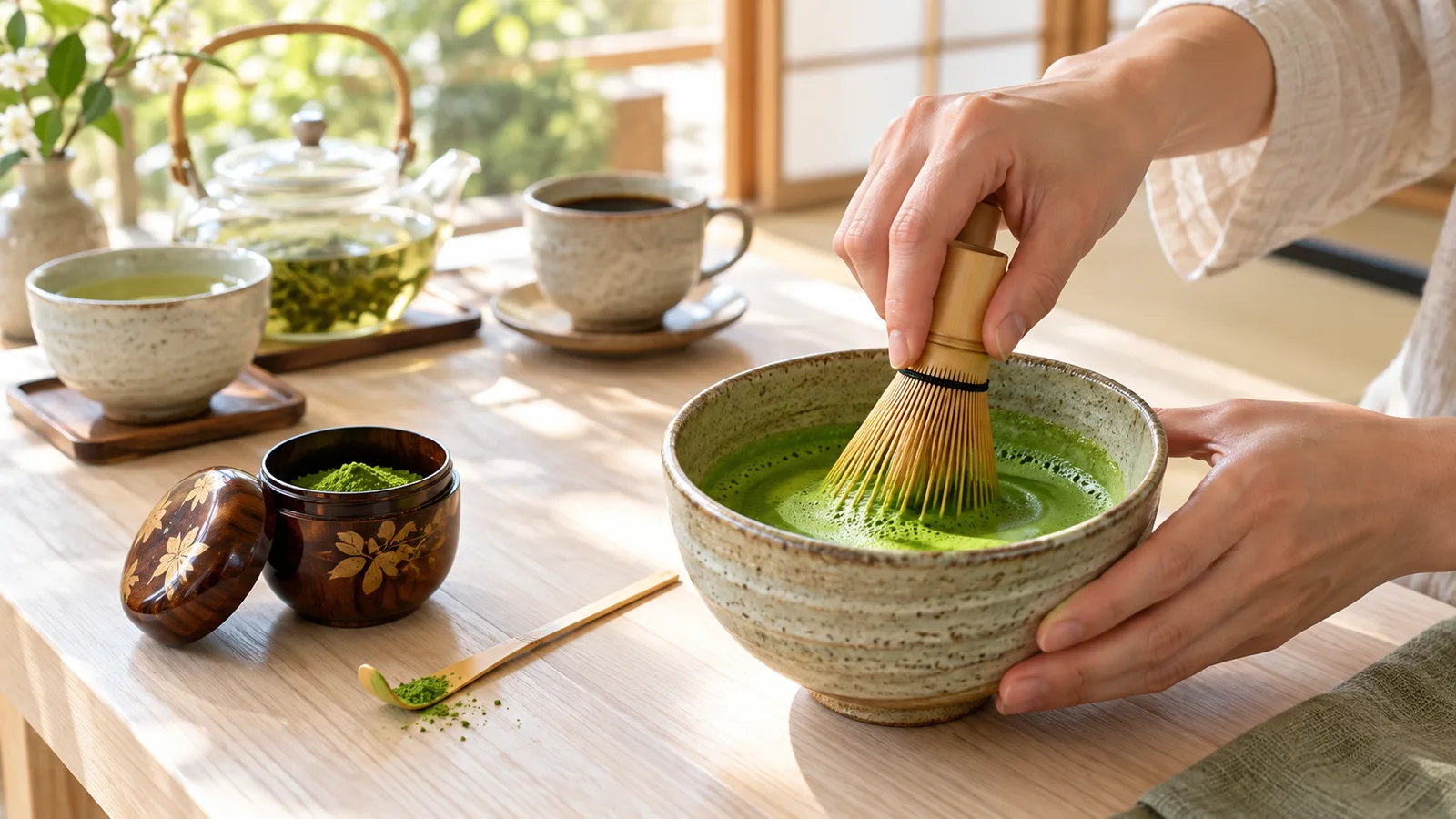
How Much Caffeine Is in Matcha?
How much caffeine is in a bowl of matcha compared with coffee and sencha? Official figures, guidance for children and pregnancy, and evening class tips.
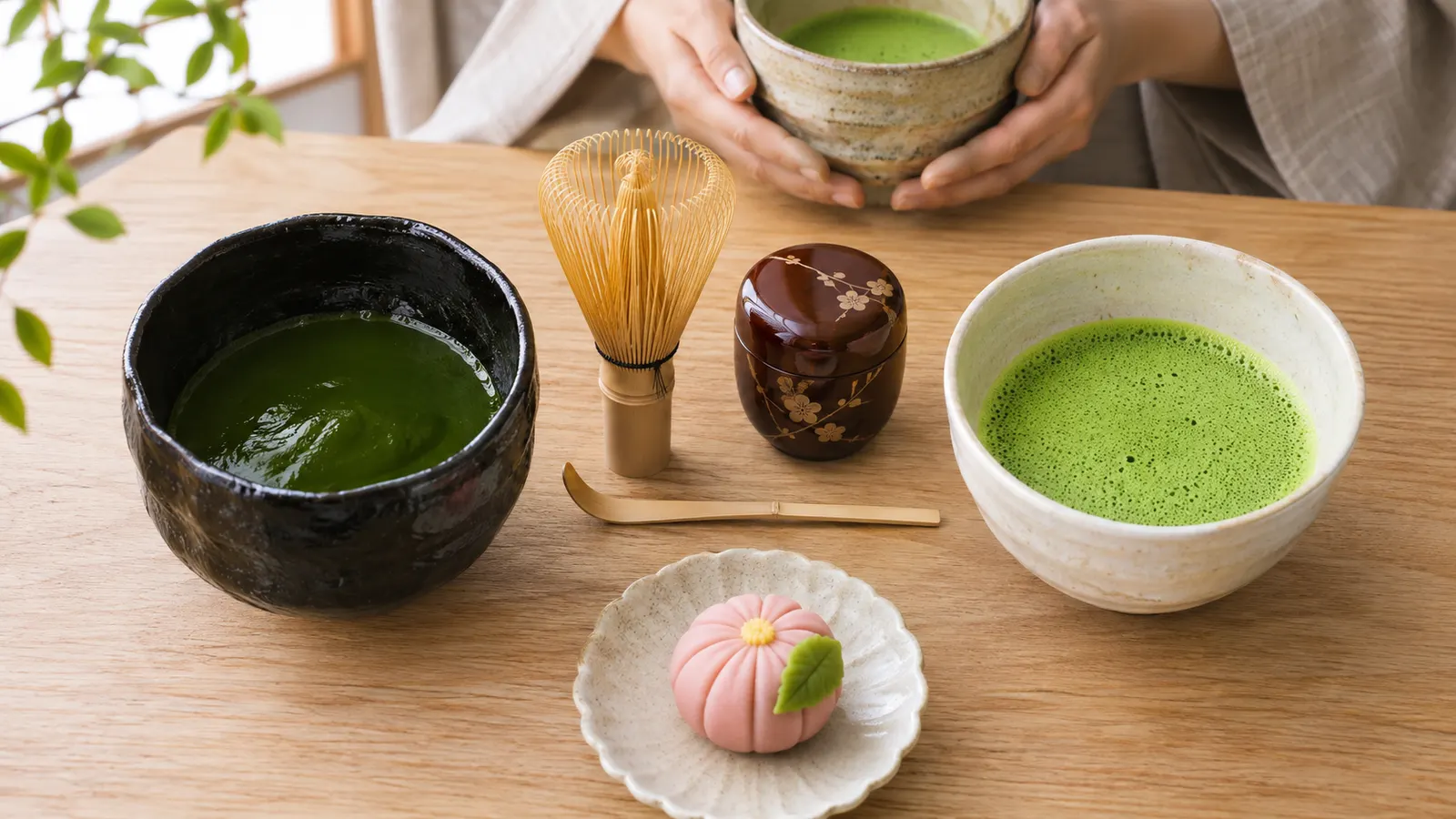
Usucha vs Koicha: Thin and Thick Matcha
Usucha is whisked thin matcha; koicha is thick matcha kneaded to a glossy paste. How they differ in powder, water, taste and etiquette.
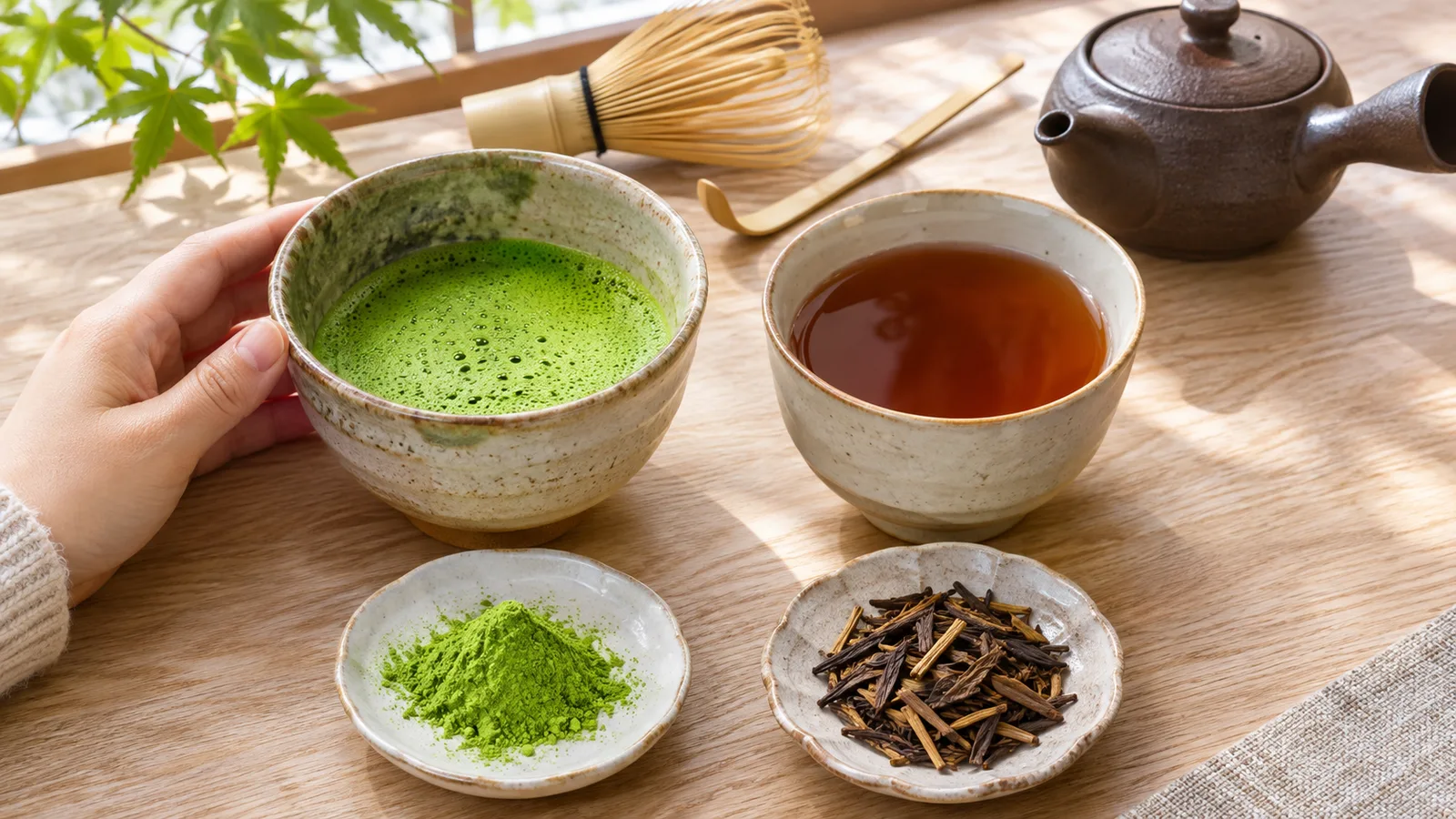
Hojicha vs Matcha: What Is the Difference?
Hojicha and matcha are both Japanese green teas, but one is roasted and one is ground. Compare colour, taste, caffeine, preparation and where to try each.