How Much Caffeine Is in Matcha?
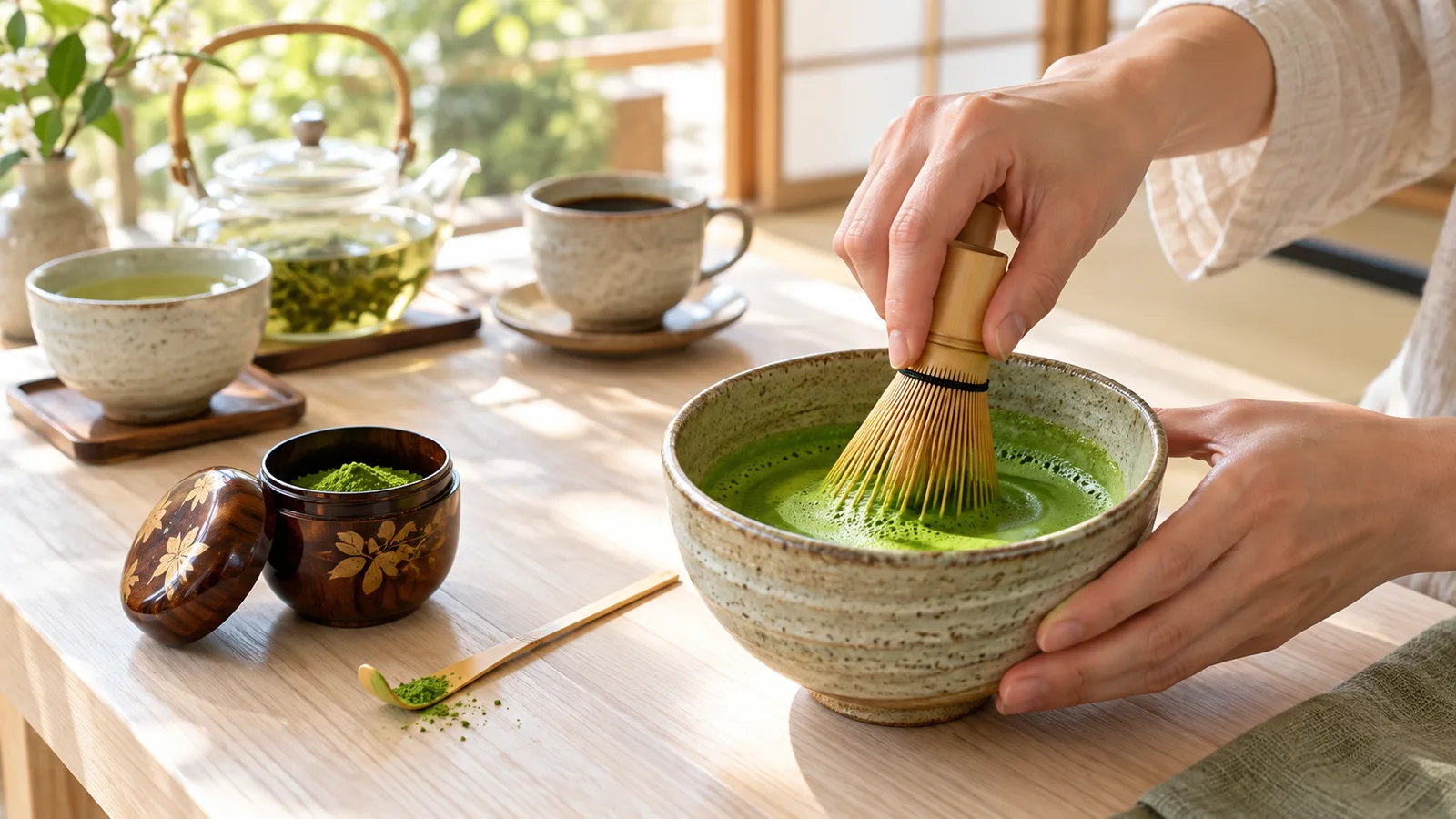
Whisking a bowl of matcha is one of the most memorable parts of a visit to Japan. If you are sensitive to caffeine, travelling with children, pregnant or booking an evening activity, though, one practical question comes up first: how much caffeine is actually in it?
This guide uses figures published by Japan's Food Safety Commission (FSC) to compare matcha with coffee and other teas, summarises the intake guidance that the FSC collects from health agencies abroad, and explains what this means if you plan to join a matcha experience. It is general information, not medical advice. If your doctor has asked you to limit caffeine, follow their advice.
Popular in Tokyo right now — our most recommended experience
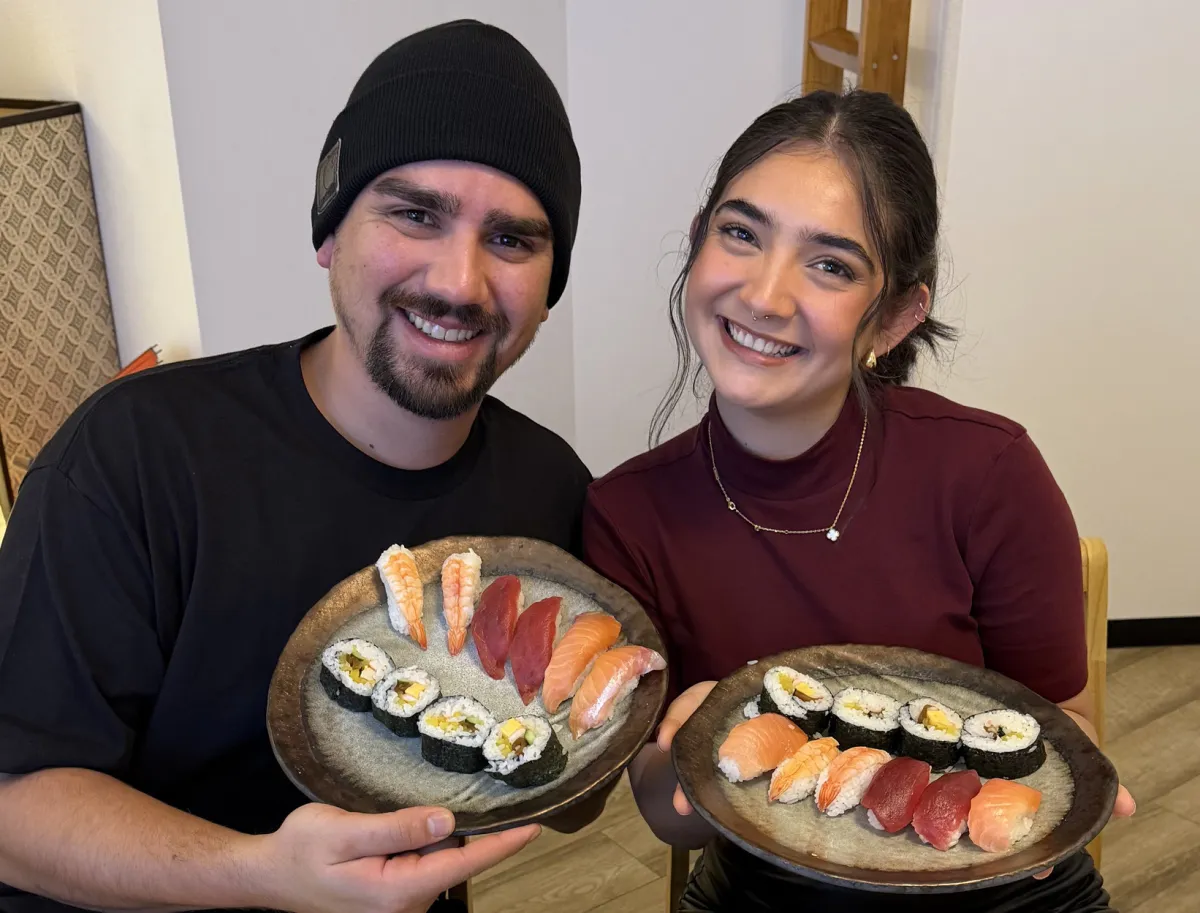
Tokyo Sushi Making Class : Sake Ceremony & Matcha Experience in Asakusa
The short answer
A typical bowl of thin matcha (usucha) contains roughly as much caffeine as half a cup of coffee. The FSC's reference example is 1.5 g of matcha powder whisked with 70 ml of water at 70–80°C, which works out at about 48 mg of caffeine. Matcha powder itself contains around 3.2 g of caffeine per 100 g.
The amount depends on the powder and recipe. The 48 mg figure is a food-composition reference, not a measurement of the matcha served in our class. Ask us before booking if you need to check the serving amount.
Matcha compared with coffee and other teas
The FSC fact sheet lists caffeine concentrations for common drinks, based on Japan's standard food composition tables. Here is how they compare:
| Drink | Caffeine | How it was prepared |
|---|---|---|
| Matcha (one bowl) | about 48 mg | 1.5 g powder, 70 ml water |
| Brewed coffee | 60 mg per 100 ml | 10 g coffee, 150 ml hot water |
| Gyokuro | 160 mg per 100 ml | 10 g leaves, 60 ml water at 60°C |
| Black tea | 30 mg per 100 ml | 5 g leaves, 360 ml hot water |
| Sencha | 20 mg per 100 ml | 10 g leaves, 430 ml water at 90°C |
| Oolong tea | 20 mg per 100 ml | 15 g leaves, 650 ml water at 90°C |
A few things stand out. A 150 ml cup of coffee at 60 mg per 100 ml would contain about 90 mg, close to twice a bowl of matcha. Gyokuro, the shaded premium leaf tea, is very concentrated per millilitre, although it is served in small cups. Everyday sencha is light by comparison.
Matcha feels stronger than its caffeine number because you drink the whole powdered leaf, so the flavour is concentrated. If you are curious about the taste, our article on what matcha is and how it is graded explains what to expect from a good bowl.
How much caffeine is too much?
Japan has not set an official daily intake limit for caffeine. Instead, the FSC fact sheet summarises the guidance published by agencies abroad. For healthy adults, both the European Food Safety Authority (EFSA) and Health Canada put the level of habitual intake that raises no safety concern at up to 400 mg a day. EFSA also notes that single doses of up to about 200 mg are not a concern for healthy adults.
These figures describe general guidance for healthy adults, not a personal guarantee. Count caffeine from all food and drinks, and follow individual advice from your clinician if you are sensitive to caffeine or have been told to limit it.
Pregnancy and breastfeeding
Guidance for pregnancy is stricter. According to the FSC summary, EFSA considers up to 200 mg a day during pregnancy not to pose a risk to the unborn child, while Health Canada uses 300 mg a day, and the WHO advises pregnant women who take more than 300 mg a day to cut down. A single bowl of matcha sits well below these figures, but it adds up with coffee, tea and chocolate during the day.
If you are pregnant and want to join a class, our guide to a sushi class while pregnant covers raw fish, the sake toast and matcha in one place. Whisking is the part most guests enjoy, and you can decide how much of your bowl to drink.
Children and teenagers
Health Canada's current guidance lists a maximum of 2.5 mg per kilogram of body weight per day for children and adolescents up to age 18. This is a limit, not a recommendation to give children caffeine, and the evidence for this age group is limited. A full bowl of matcha may account for much of that amount, depending on the child's weight and the recipe.
Our family private sushi class includes the matcha experience for adults and juice for children. Read shared or private classes with kids to compare formats, and ask your child's clinician if you need individual dietary advice.
Matcha in an afternoon or evening class
Many travellers fit a class into the afternoon or evening. On the November dates we checked, our signature class offered sessions at 10:00, 12:00, 16:00 and 18:00, although start times vary by date. In that class, matcha comes near the end, about 70 minutes in.
EFSA reports that 100 mg near bedtime can affect sleep in some adults. This does not establish a threshold below which everyone sleeps normally: sensitivity and timing vary. If caffeine affects your sleep, consider these options:
- Book an earlier session if your dates allow it.
- Whisk, taste and leave the rest. Nobody minds; the skill is in the whisking.
- Skip other caffeine that day, such as an afternoon coffee.
Remember that green tea served as a soft drink also contains some caffeine. In our signature class, water is available as well as green tea if you want to avoid it entirely.
Tips if you are caffeine-sensitive
- Ask before you book. If you want to check anything about the matcha, send us a message in advance.
- Eat first. In our class, matcha comes after you have eaten your sushi, so you will not be drinking it on an empty stomach.
- Pace your day. A morning coffee, matcha in the afternoon and a tea with dinner can add up.
- Ask for water. It is always fine to drink water instead.
If you are also skipping alcohol, our guide to a sushi class without drinking alcohol explains how the sake toast works for non-drinkers.
Whisk your own bowl in Asakusa
Knowing the numbers makes it easier to enjoy matcha on your own terms. In our signature sushi and matcha class, you shape nigiri, roll a futomaki, toast with sake and finish by whisking your own bowl of matcha, with English-language guidance throughout. Choose a session that suits your day, and drink as much of your bowl as you like.
Related Articles
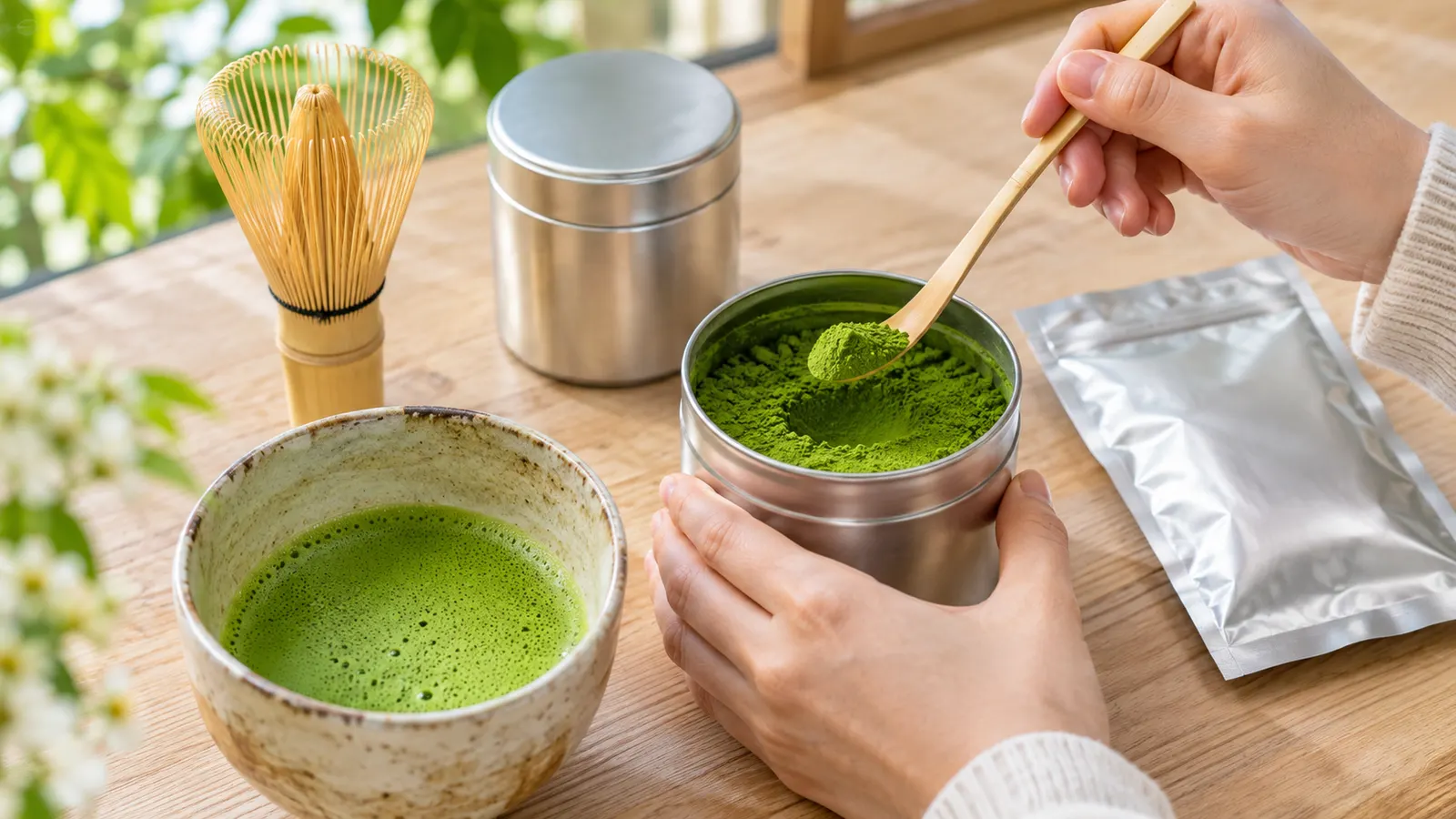
How to Buy and Store Matcha from Japan
Buying matcha to take home from Japan? What to check on the pack, how much to buy, how to keep it fresh and what to know at customs and tax-free counters.
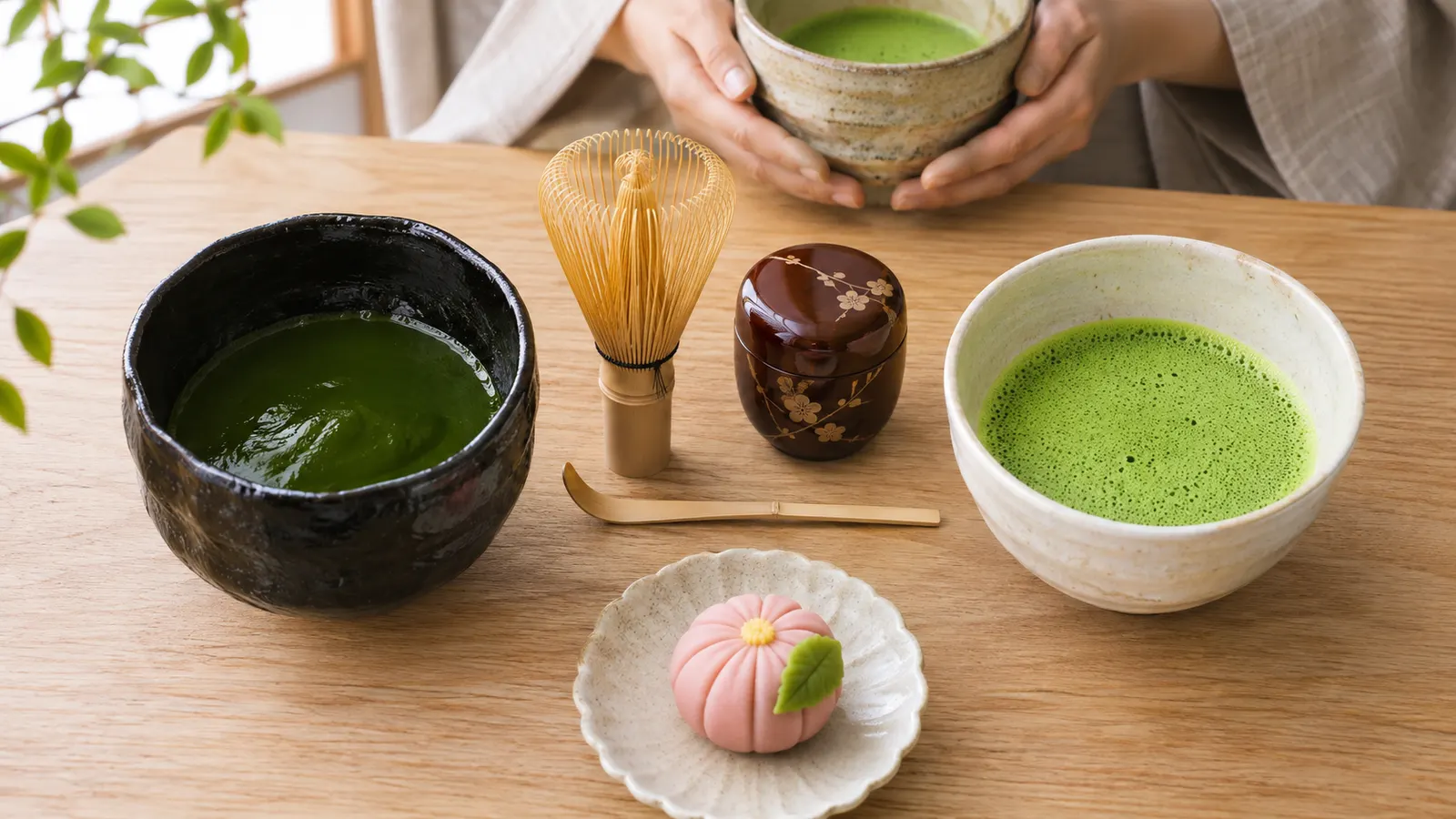
Usucha vs Koicha: Thin and Thick Matcha
Usucha is whisked thin matcha; koicha is thick matcha kneaded to a glossy paste. How they differ in powder, water, taste and etiquette.
Hojicha vs Matcha: What Is the Difference?
Hojicha and matcha are both Japanese green teas, but one is roasted and one is ground. Compare colour, taste, caffeine, preparation and where to try each.