
Wheelchair Access at a Tokyo Sushi Class
Accessibility is easiest to plan when a venue separates confirmed facts from questions that depend on an individual traveller. Sushi Meets Matcha's Asakusa studio is on the ground floor and has step-free access. That is useful information for wheelchair users and guests with limited mobility, but it does not answer every question about a particular chair, transfer, table position or companion.
Popular in Tokyo right now — our most recommended experience
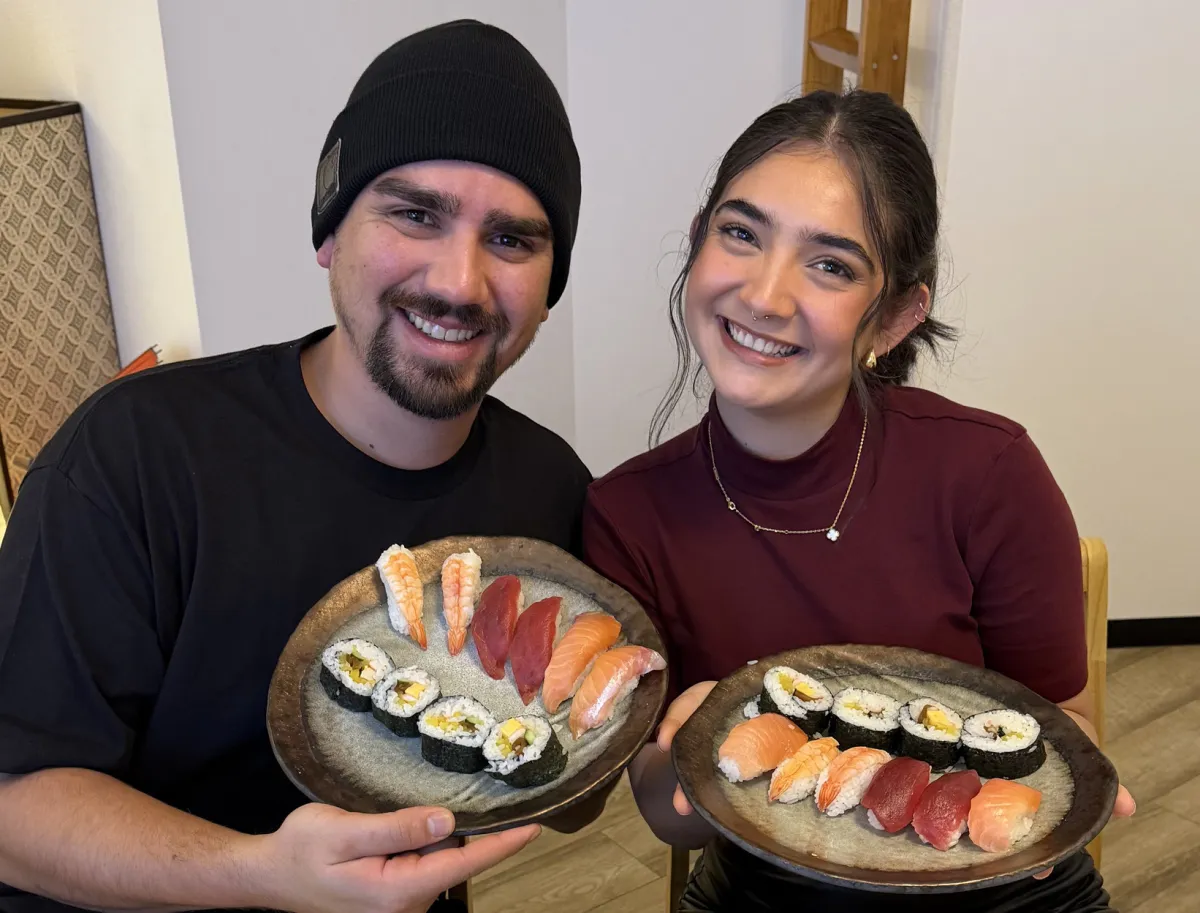
Tokyo Sushi Making Class : Sake Ceremony & Matcha Experience in Asakusa
What the studio confirms
The current FAQ describes the studio as ground level with step-free access. It asks guests with mobility needs to mention them when booking so the team can prepare the best available setup. The venue is also close to several Asakusa stations: about 30 seconds from Tobu Skytree Line Asakusa Station North Exit, two minutes from Tokyo Metro Ginza Line Exit 7, five minutes from Toei Asakusa Line Exit A5 and nine minutes from Tsukuba Express Asakusa Station.
These are walking estimates, not a guarantee that every lift, gate or pavement will suit every traveller on a given day. Railway works, crowding and the accessible route inside a station can add time. Use the venue's access page, then check the railway operator's current accessible route for the line you will use.
Questions to ask before booking
Describe what affects participation rather than writing only “wheelchair user.” Useful details include the chair type and approximate width, whether the guest remains seated during the activity, whether a companion assists, and whether a particular table position is needed. Ask about anything essential that the published page does not confirm.
The website does not promise personal lifting, transfers, accessible transport, dedicated assistance or exact furniture clearances. Do not assume those services. Send the question before payment when the answer determines whether the guest can participate. For ordinary clothing, belongings and arrival preparation, our what to wear and bring guide covers the separate practical details.
Choose the class and state the request
The signature 90-minute sushi and matcha class is the main booking route. Its live page is the place to check dates and seats; this article cannot confirm future availability. Add the mobility information when booking and keep the response with the confirmation.
If the party also has dietary requirements, list those separately. Mobility access and food safety are different questions. The food-allergy booking guide explains why a precise ingredient request should not be hidden inside a general accessibility note.
Allow a realistic arrival margin
Guests are asked to arrive 10 minutes before the class. Treat that as the studio check-in target, not the total buffer from your hotel. Add time for the accessible station route, lifts, busy crossings and finding the location beneath the railway tracks. If carrying luggage or using a large mobility aid, read the luggage-before-check-in guide and mention anything that may affect space.
Save the map and address before leaving reliable internet. The detailed directions are also sent with the booking confirmation. A taxi card in Japanese is available on the access page, but a taxi itself is not included or guaranteed.
If travelling with another person, agree in advance who will carry bags, handle doors or speak with station staff. That is personal trip planning, not a service promised by the studio, but writing it down avoids discovering a missing assumption on the way. Also check the return route: a station entrance that works on arrival may not be the entrance you naturally encounter after sightseeing.
What happens during the class
The published signature experience lasts 90 minutes and includes making nigiri and maki, a sake toast, eating the sushi you make and whisking matcha. Water and green tea are available for guests who do not drink alcohol. The page does not claim that every action must be performed standing, nor does it promise a specific adapted workstation. That is why an individual setup question belongs in the booking conversation.
Think about the whole activity, not only the entrance. Reaching the table, using the work surface, joining the meal and leaving comfortably can involve different requirements. A short, concrete message about these moments is more useful than a broad request for “accessibility,” because it gives the team specific points to answer without either side making promises by assumption.
Avoid treating another guest's experience as a guarantee for yours. Wheelchairs, reach ranges, balance, fatigue and assistance needs differ, even when two travellers use the same general label. The useful evidence is the current venue information plus a reply to your own specific question. If your plans involve rented mobility equipment, confirm its dimensions before writing to the studio so the discussion is based on the equipment you will actually bring.
It can also help to separate comfort preferences from conditions that determine participation. List essential requirements first, followed by helpful preferences. This lets everyone understand which unanswered point should stop the booking and which point can be adjusted during ordinary trip planning.
A simple decision checklist
Confirm the step-free ground-floor entrance is enough for your needs. Choose the most suitable station route. Send chair, companion and seating details before paying if they are essential. Plan to reach the studio 10 minutes early after allowing extra station time. Keep the reply, map and booking confirmation together.
When the published facts and the team's answer cover the traveller's needs, check the live date on the signature class page. If an essential detail is still unanswered, pause the purchase and ask; accessible travel works best when the important assumptions become explicit.
Related Articles
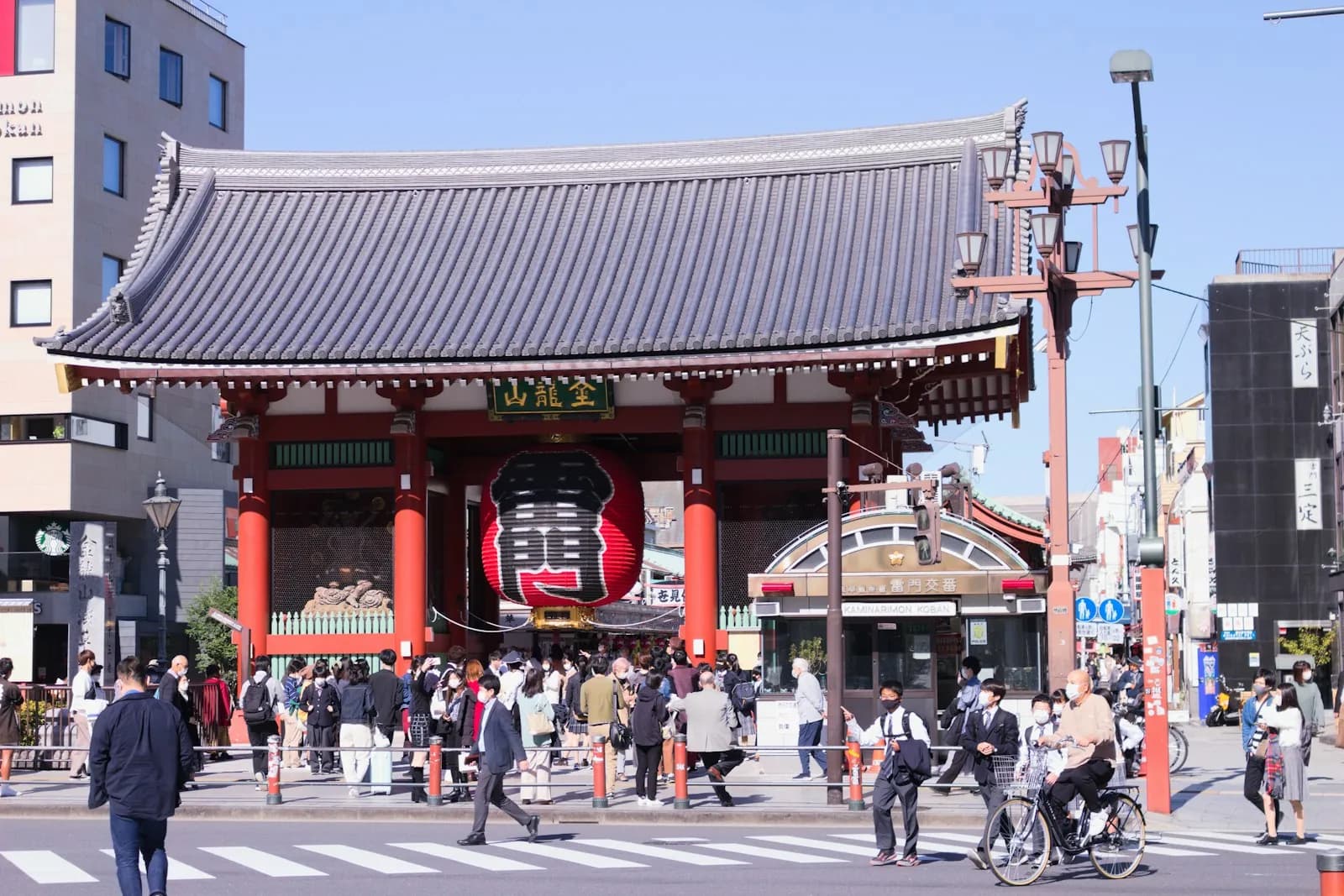
From Asakusa Station to Your Sushi Class
Choose the right Asakusa Station exit, allow a realistic buffer, and arrive at your sushi class ten minutes before it starts.
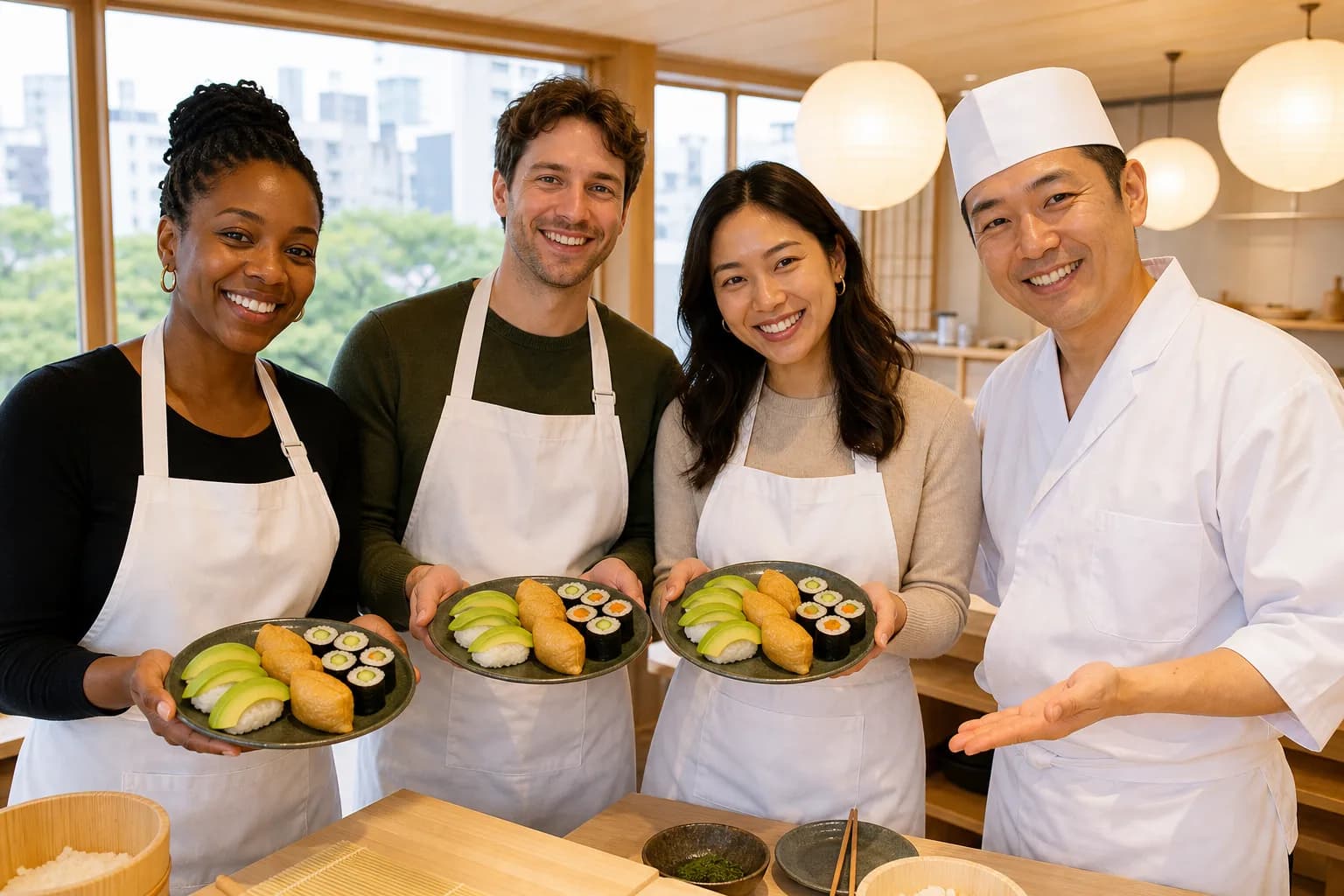
Vegan and Fish Sushi in One Group
Can vegan and fish-eating friends join one Tokyo sushi class? Learn how the shared session works and what to state before booking.

Sushi Class Without Raw Fish in Tokyo
Avoiding raw fish? Compare cooked toppings, a plant-based menu and the questions to confirm before booking a Tokyo sushi class.