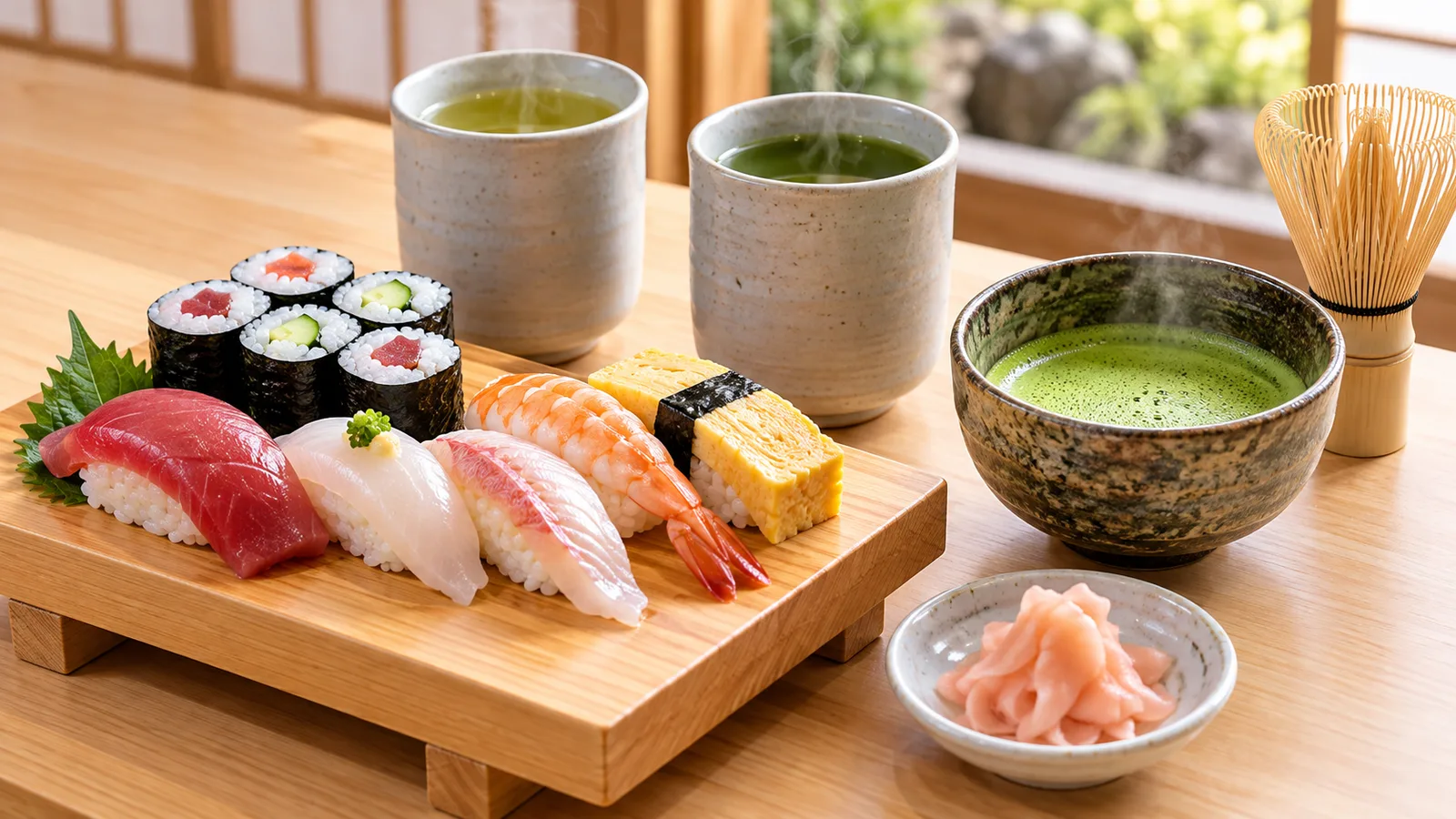
Green Tea With Sushi: Agari, Sencha, Matcha
Sit down at almost any sushi counter in Japan and a large cup of hot green tea soon appears beside you. At a conveyor-belt shop you may even make it yourself from a tap at your seat. For many visitors this is the first surprise of a sushi meal: the default drink is not iced water, beer or a delicate tea ceremony bowl, but a strong, slightly bitter tea that is refilled again and again.
This guide explains what that tea is, why sushi shops call it agari, and how it differs from the sencha you might buy as leaves and the matcha you whisk in a bowl. It also shows where green tea and matcha appear in a hands-on sushi class, so you know what to expect before you book.
Popular in Tokyo right now — our most recommended experience
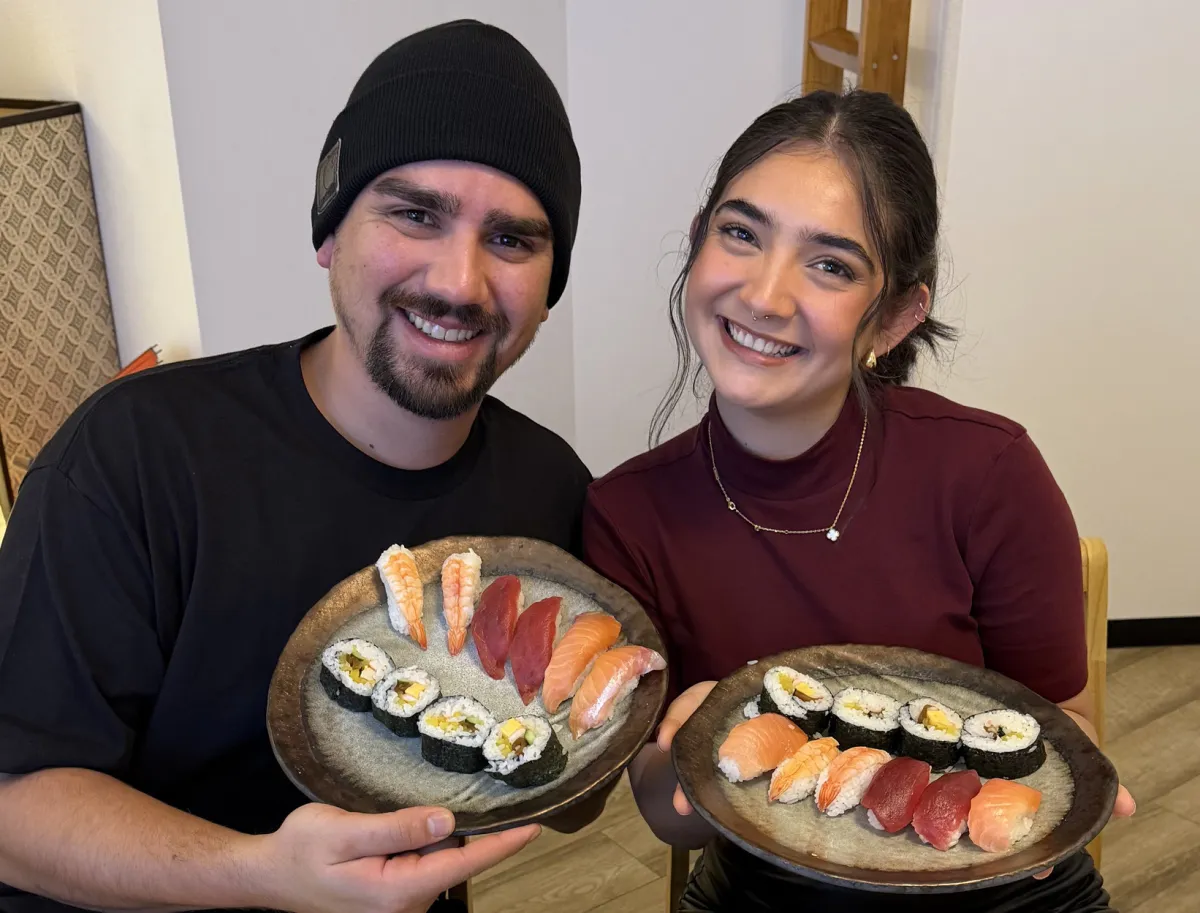
Tokyo Sushi Making Class : Sake Ceremony & Matcha Experience in Asakusa
Why sushi comes with green tea
Green tea at sushi shops is practical rather than ceremonial. The tea most counters serve is chosen because it does a few jobs well:
- It resets your palate. A firm, astringent tea cuts through the richness of oily fish such as fatty tuna, so the next piece tastes clean.
- It stands up to strong flavours. Soy sauce, wasabi and pickled ginger would drown a delicate tea. A robust one still tastes like tea next to them.
- It is quick and affordable. Powdered and fine-particle teas brew in seconds, which suits a busy counter where refills are usually free.
Hot tea is the norm. If you prefer a cold drink, most restaurants will offer water, but do not be surprised when the tea arrives hot without being asked.
What "agari" means
Agari is sushi-counter slang for tea. Japanese food guides trace it to agaribana, an old term used in restaurants and entertainment districts for freshly brewed tea; staff preferred lucky-sounding words. Today you will hear regulars ask for "agari" at the end of a meal, though plain ocha (tea) is perfectly polite. As a visitor, you do not need the slang: pointing to your cup or saying "ocha, please" works everywhere.
Agari, sencha, powdered tea and matcha compared
The word "green tea" covers several quite different drinks. Here is how the ones you are likely to meet around sushi differ.
Konacha: the classic agari
Konacha means "powder tea", but it is not ground. It is made from the dust, small leaf pieces and buds sifted out while sencha or gyokuro is refined. It brews almost instantly into a deep green, bitter cup and is the traditional agari at sushi counters. Because the particles do not dissolve, it is usually poured through a fine strainer or tea bag.
Powdered tea and instant tea
At conveyor-belt sushi restaurants, you may find a container of powdered green tea and a hot-water tap at your seat. Follow the shop's instructions for the amount, add hot water and stir. Funmatsucha is finely ground tea leaf: the particles disperse in water rather than dissolving completely. Instant tea is different; it is made from extracted tea liquid that has been dried to dissolve in water. Shops use different products, and powdered green tea is not automatically matcha. Take care, as the tap water is very hot.
Sencha: the everyday leaf tea
Sencha is the green tea most Japanese households drink. The leaves are steamed, rolled and dried, then steeped in hot water and poured off. It is lighter and more fragrant than konacha. Some restaurants serve sencha, and it is the leaf tea you are most likely to bring home as a souvenir.
Matcha: shade-grown and whisked
Matcha is a different category. The tea plants are shaded before harvest, which gives a bright green colour and a rich, savoury (umami) taste. The leaves, called tencha, are steamed, dried and then stone-ground into a fine powder. Instead of steeping, you whisk the powder with hot water in a bowl using a bamboo whisk (chasen) until it turns smooth and frothy.
Matcha is not the normal drink with sushi at restaurants. It is more often enjoyed on its own, with a sweet, or at the end of a meal. The phrase "matcha sushi" sometimes appears in searches, but in Japan the two are usually separate parts of a meal, not one dish.
Simple tea etiquette at a sushi counter
You do not need rules, but a few habits make the meal smoother:
- Hold the cup with both hands if it has no handle; Japanese teacups usually do not.
- Sip between pieces, especially after fatty fish or before switching to a lighter topping.
- Ask for a refill freely. At most counters it is free.
- Do not pour soy sauce or wasabi into the tea, and keep the tea cup separate from your soy dish.
For more on chopsticks, soy sauce and pickled ginger, read our sushi etiquette guide for first-timers.
Tea, sake or water?
Green tea is the everyday pairing, but it is not the only one. Many diners start with beer or sake and move to tea at the end. If you are curious about how sake works with different toppings, our beginner's guide to sake and sushi pairing covers it. If you do not drink alcohol, tea or water is entirely normal and nobody expects an explanation; our guide to a sushi class without drinking alcohol explains how that works in a class.
Where green tea and matcha fit in our sushi class
Our signature Sushi & Matcha class in Asakusa lasts about 90 minutes and lets you experience both sides of this guide in one session:
- During the class: water or Japanese green tea is included, alongside the sake toast at the start. Guests who do not drink alcohol can choose water or green tea instead.
- The sushi: you prepare sushi rice and make nigiri and maki with an English-speaking instructor, then sit down and eat what you made. Most guests make 8 to 10 pieces.
- The finish: you whisk your own bowl of matcha, the way it is prepared at home or in a tea room, so you can feel the difference between steeped tea and whisked tea for yourself.
The vegan sushi class follows the same 90-minute flow with a fully plant-based menu, and matcha is naturally plant-based.
If you would rather focus on matcha alone, compare a café visit and a hands-on session in our guide to matcha in Asakusa: café or whisk your own.
Bringing tea home
If you enjoyed the tea, Japanese supermarkets and tea shops sell sencha leaves, konacha in tea bags and matcha in small tins. Matcha loses colour and aroma quickly once opened, so a small tin kept sealed and cool is better than a large bag. If you want to whisk at home, you will also need a bamboo whisk and a wide bowl.
Ready to taste the difference?
Green tea at a sushi counter is about refreshment; matcha is about slowing down. Our class gives you both in one relaxed 90 minutes near Senso-ji. Check dates and book the Sushi & Matcha class, and add any dietary needs in your booking so the team can prepare.
Related Articles
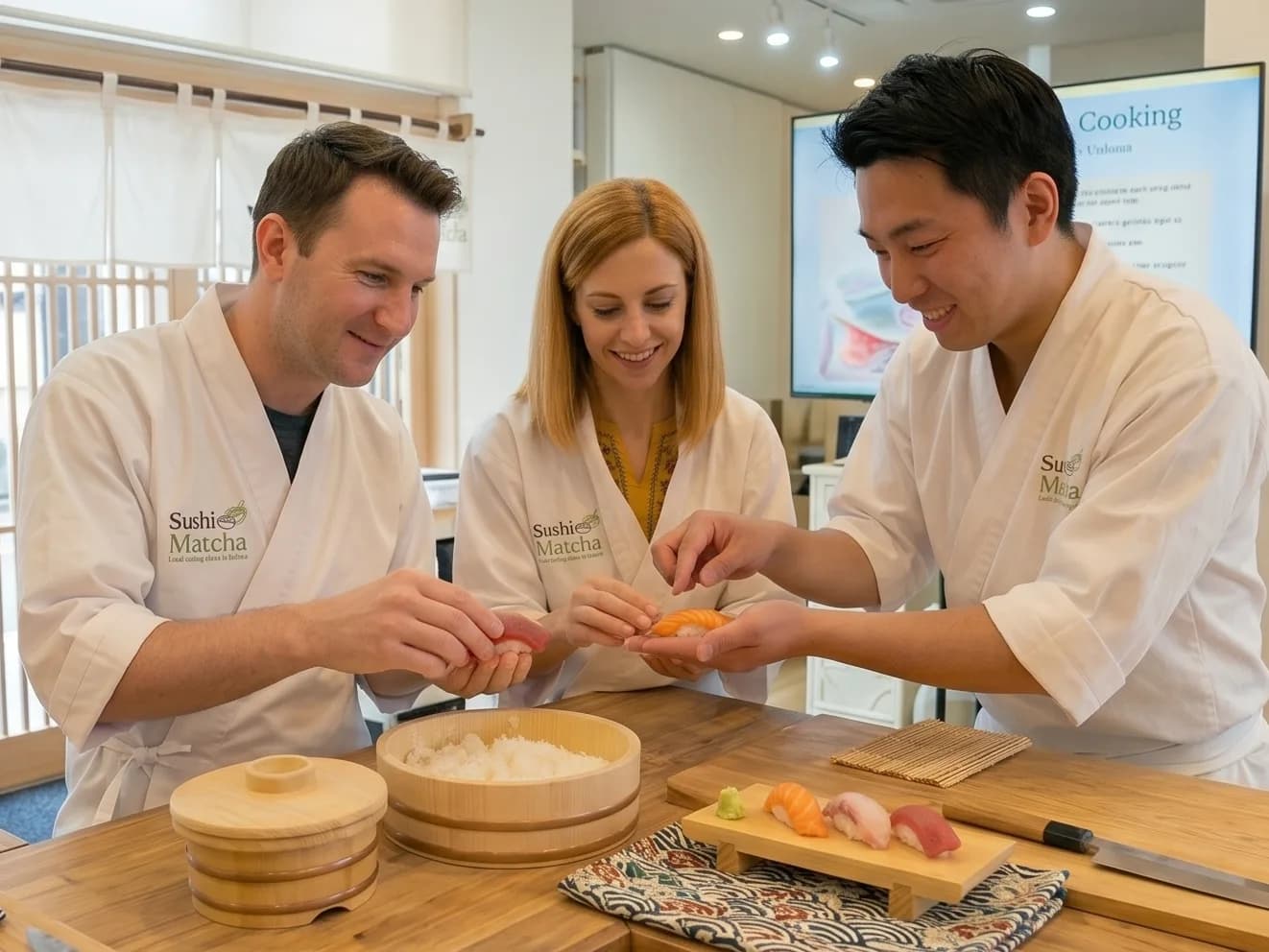
What Do You Make in a Sushi & Matcha Class?
What happens in our 90-minute Asakusa class: a sake toast, hand-shaped nigiri and rolled maki, eating what you made, then whisking your own matcha.
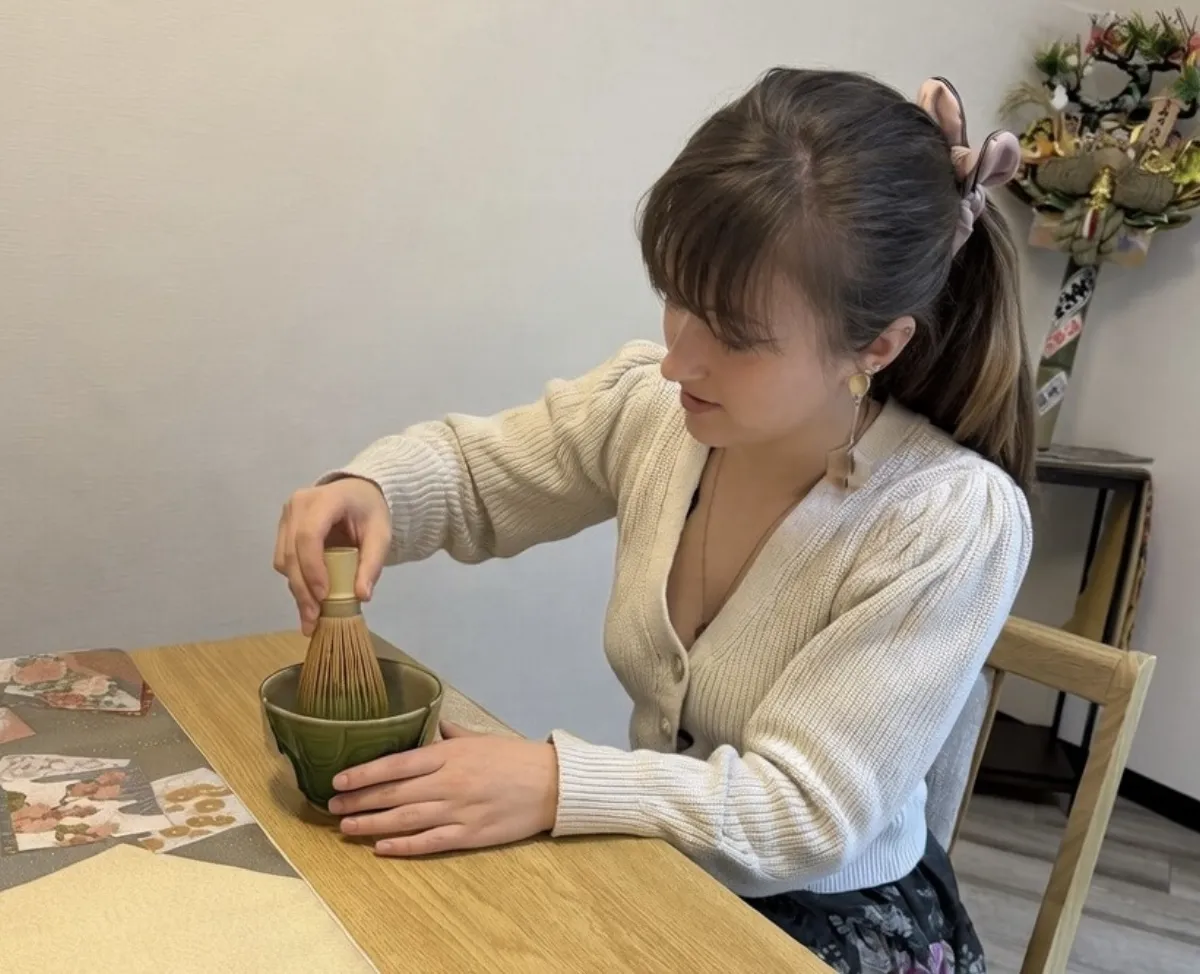
Matcha Workshop or Tea Ceremony?
Choose a matcha experience in Tokyo by what you want to do: whisk tea, explore tea ceremony, or combine matcha with a sushi class in Asakusa.
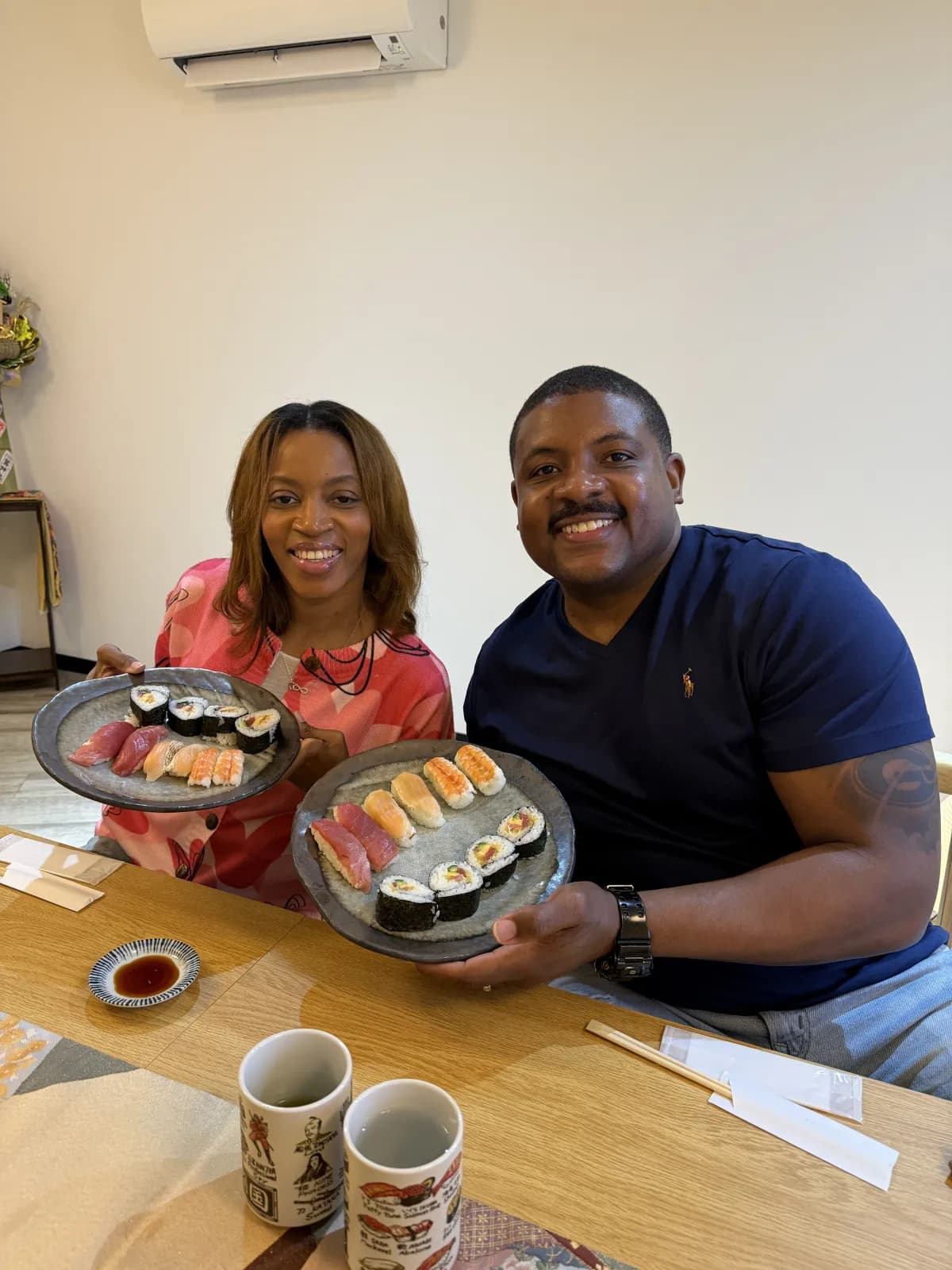
Romantic Things to Do in Tokyo: A Sushi & Matcha Date in Asakusa
Looking for a unique date in Tokyo? Discover why a sushi class in Tokyo combined with a matcha experience in Asakusa creates unforgettable memories for couples—and why cooking together beats dinner reservations.