Kagami-biraki: The Sake Barrel Toast
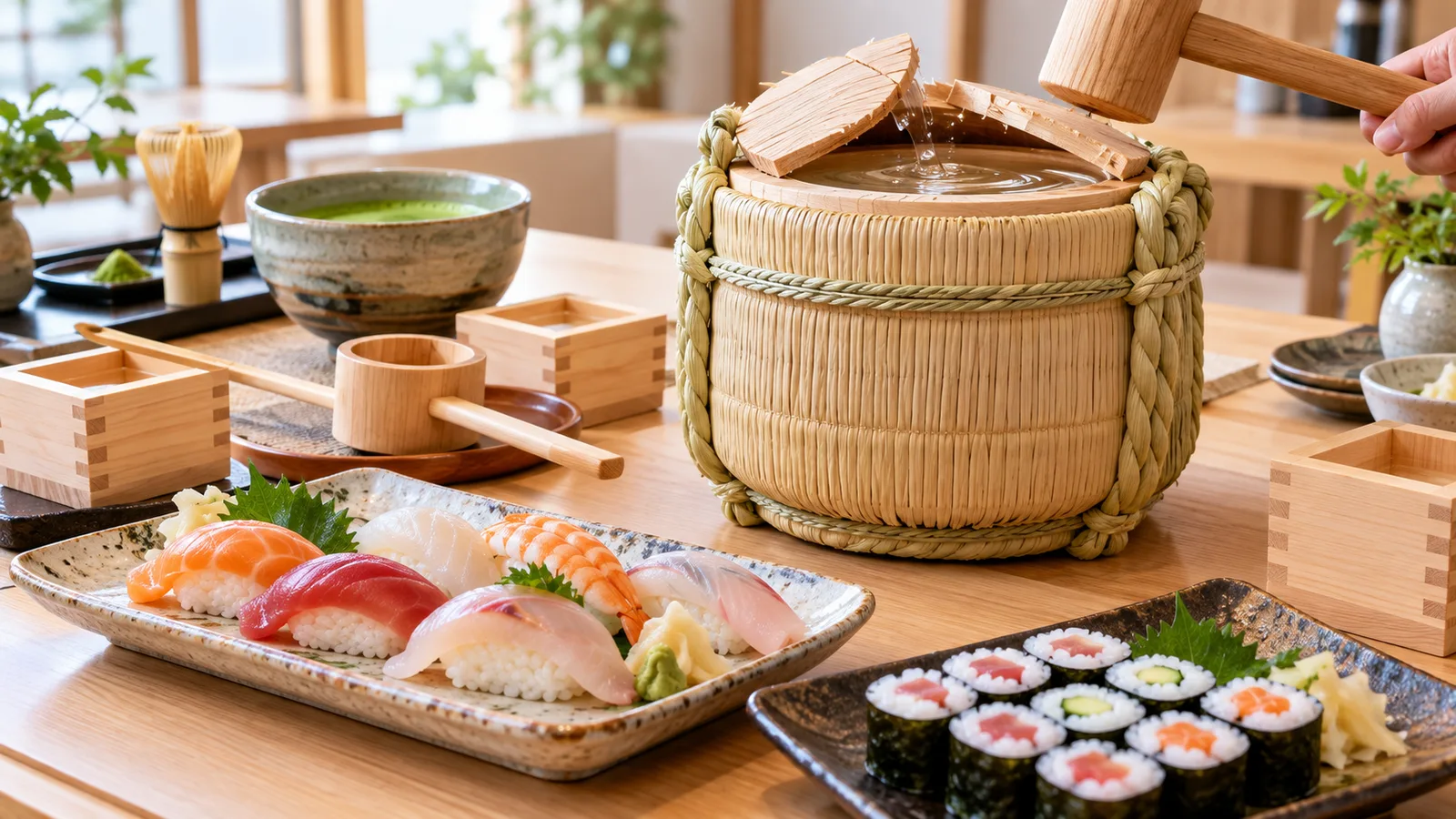
If you have watched a Japanese wedding, a company opening or a sports victory, you may have seen a group of people raise wooden mallets over a straw-wrapped barrel, count down and bring them down together. The lid cracks open, sake is ladled into square wooden cups and everyone toasts. That moment is called kagami-biraki.
Our sushi class in Asakusa starts with a version of this toast. Before booking, it helps to know what the ceremony involves, whether you need to drink alcohol and how children can take part. This guide explains those practical points and the meaning behind the ritual.
Popular in Tokyo right now — our most recommended experience

Tokyo Sushi Making Class : Sake Ceremony & Matcha Experience in Asakusa
What kagami-biraki means
Kagami-biraki literally means "opening the mirror". The word has two related uses in Japan.
The first is a New Year custom. Households and dojos display kagami mochi, stacked round rice cakes, as an offering over the New Year. In January the rice cakes are broken open and eaten. They are broken with hands or a mallet rather than cut, because cutting suggests severing ties.
The second use, and the one you will meet in a sushi class, is the opening of a cask of sake at a party or ceremony. The round wooden lid of the barrel is often said to represent harmony, and breaking it open represents opening the way to good fortune. Together with the shared toast that follows, it turns the start of an event into a group moment rather than a speech.
Where you will see it in Japan
Barrel-opening ceremonies appear at many kinds of celebrations:
- weddings and receptions
- company anniversaries, new office openings and New Year staff gatherings
- sports victories and season openings
- housewarmings, store openings and festivals
At formal events the guests of honour usually hold the mallets. The barrel itself is often a komodaru, a cedar cask wrapped in decorative straw matting. After the lid is opened, the sake is served in masu, small square cups traditionally made of wood.
The toast: kanpai
Kagami-biraki is followed by kanpai, the Japanese word for "cheers". You lift your cup, say "kanpai!" together and take a sip. You do not need to empty the cup. Japanese drinking etiquette is relaxed in this setting: the shared moment matters more than how much anyone drinks.
A few simple habits help:
- Wait until everyone has a cup before the toast.
- Hold a masu with both hands; it is square and can spill from the corners.
- Sip from a corner or a flat side, whichever is easier. Nobody will judge.
Kagami-biraki in our sushi class
Our signature Sushi & Matcha class is a 90-minute session in our studio under the railway tracks in Asakusa. The sake ceremony comes near the start:
- Welcome and introduction (first 10 minutes). You meet your host and instructor and get settled.
- Kagami-biraki and kanpai. The whole class joins in cracking open the sake barrel lid and raising a toast together with a recommended local sake. Refills are free throughout the class.
- Sushi making. You learn to prepare sushi rice and shape nigiri and maki, with instruction in English.
- Eating your sushi. You sit down and eat what you made; most people make 8 to 10 pieces.
- Matcha. The class ends with you whisking your own bowl of matcha.
Photos and videos are welcome. Our photos and videos guide explains how to film without disturbing other guests.
If you do not drink alcohol
You can take part in the ceremony and the whole class without drinking sake. Water and Japanese green tea are available, and you can raise those for the toast instead. Just let the team know your preference. Our article on joining a sushi class without drinking alcohol covers what to say and how a mixed group of drinkers and non-drinkers works.
If you are wondering which tea you would be drinking, our guide to green tea with sushi explains the different kinds.
Children and the legal drinking age
The legal drinking age in Japan is 20. Children aged 4 and above can join our regular classes, and they can enjoy the barrel moment and the toast with a non-alcoholic drink. Children under 4 are welcome to come along and share with a parent. If your group includes teenagers, our guide to a sushi class with teenagers has more practical tips.
Is it a sake tasting?
No. Kagami-biraki is a celebratory toast, not a guided tasting. The focus of the class is making and eating sushi. If you want to compare several sake styles in detail, a dedicated tasting is a different experience; our comparison of a sake tasting or a sushi class helps you decide, and our sake and sushi pairing guide is a good read before either.
For groups and company events
Because kagami-biraki is a celebration ritual, it suits birthdays, friends' trips and team events well. For companies, our corporate team-building page describes private sessions that open with the team cracking a sake barrel with wooden mallets and toasting with masu cups, before everyone makes sushi side by side. Our guide to a team sushi event in a studio or at the office compares the two formats.
Before you book
- Book the date and time that suits your trip; the class lasts about 90 minutes.
- Arrive 10 minutes early so you do not miss the opening toast.
- Note any dietary needs or a non-alcoholic preference in your booking.
- Free cancellation is available up to 24 hours before the class.
The barrel opening takes only a few minutes, but it sets the tone for the whole session: everyone starts together, laughing, with a cup in hand. Check availability for the Sushi & Matcha class and join the kanpai in Asakusa.
Related Articles
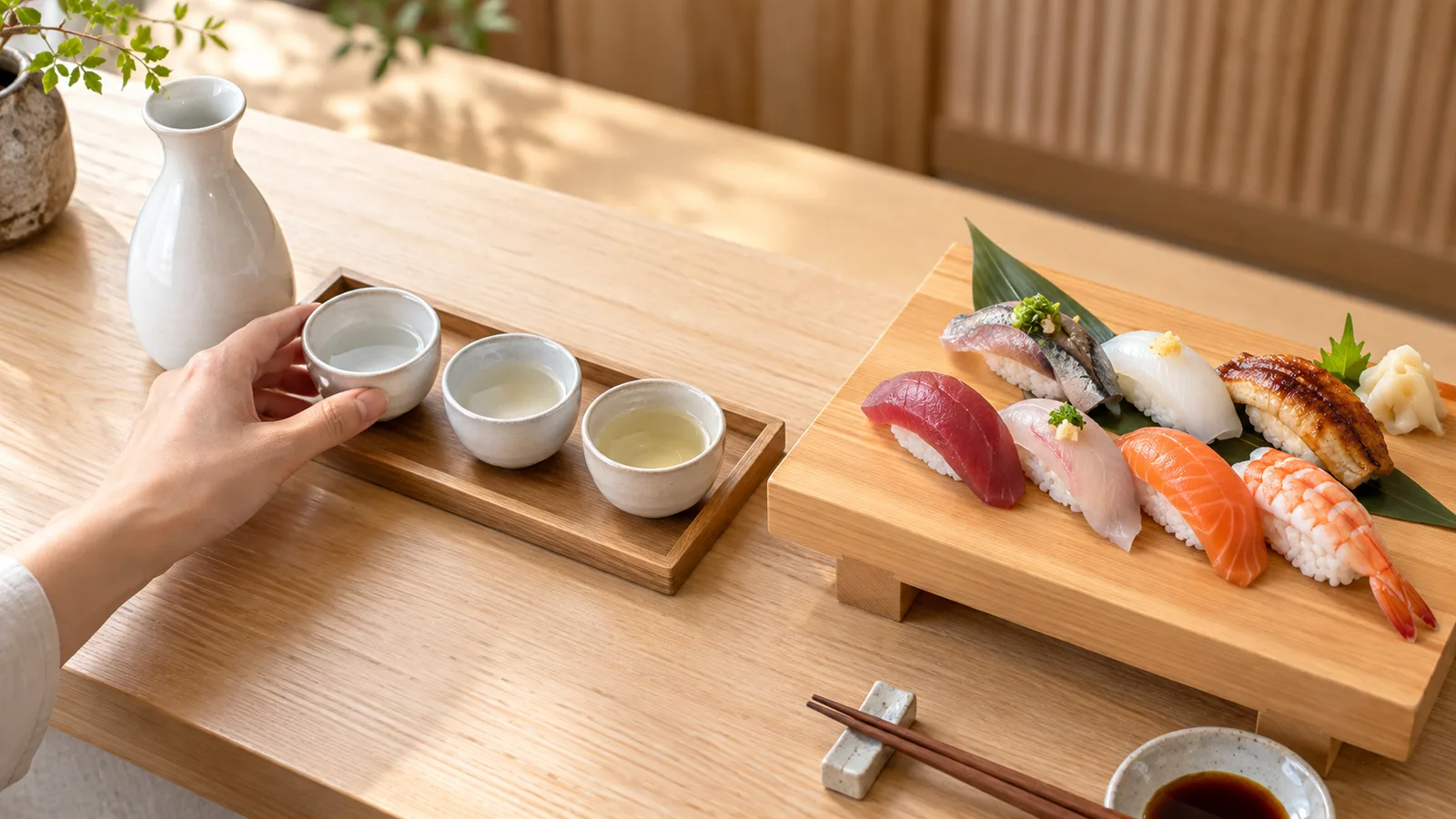
Sake Tasting or a Sushi Class in Tokyo?
Want to try sake in Tokyo? Compare a dedicated tasting, a sushi class with a sake toast and a private session with a three-sake tasting before you book.
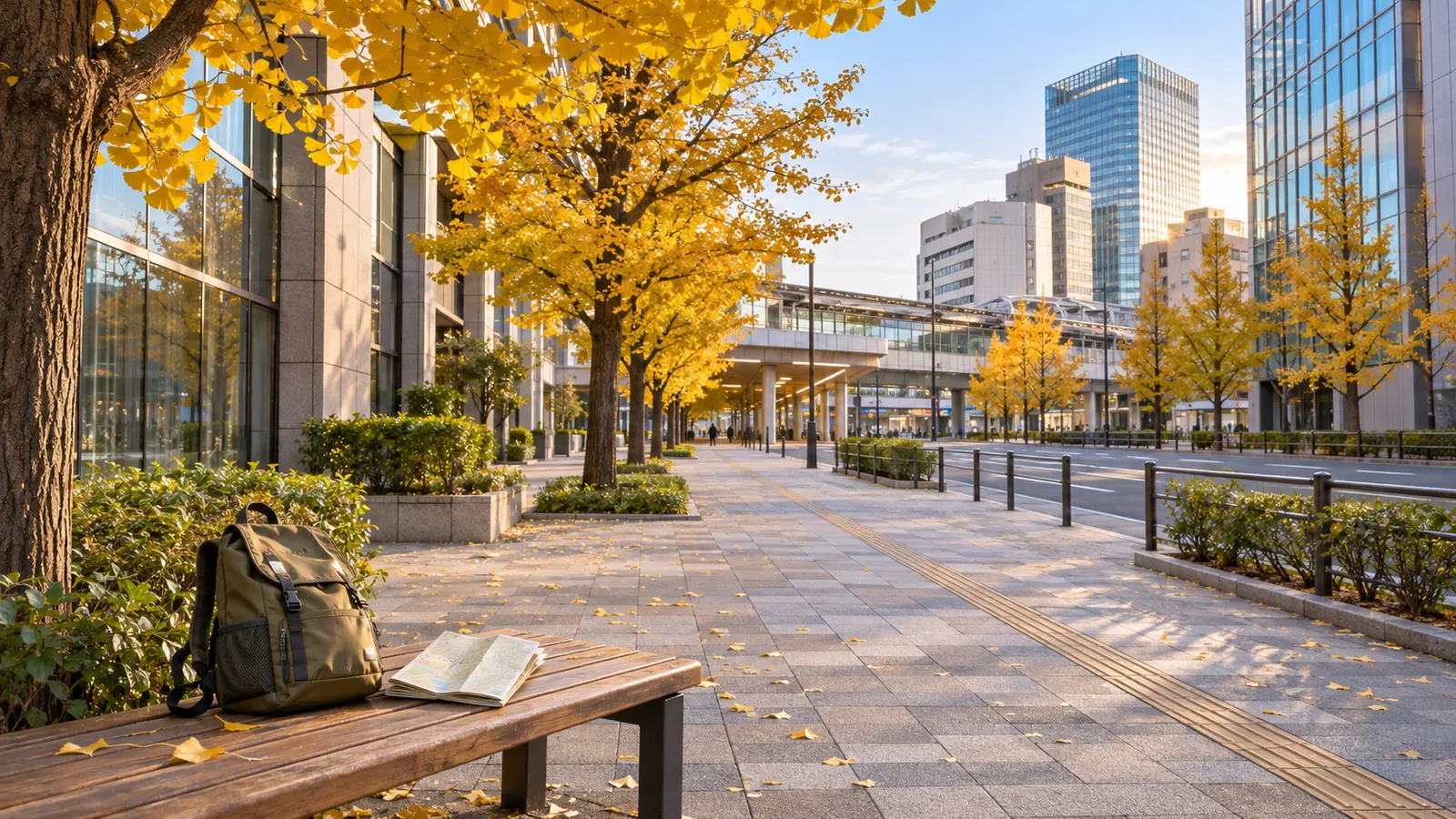
Ikebukuro and a Sushi Class in Asakusa
Staying in Ikebukuro? How to reach a sushi class in Asakusa, how long it takes, and two ways to fit Sunshine City, Myonichikan and Zoshigaya into one day.
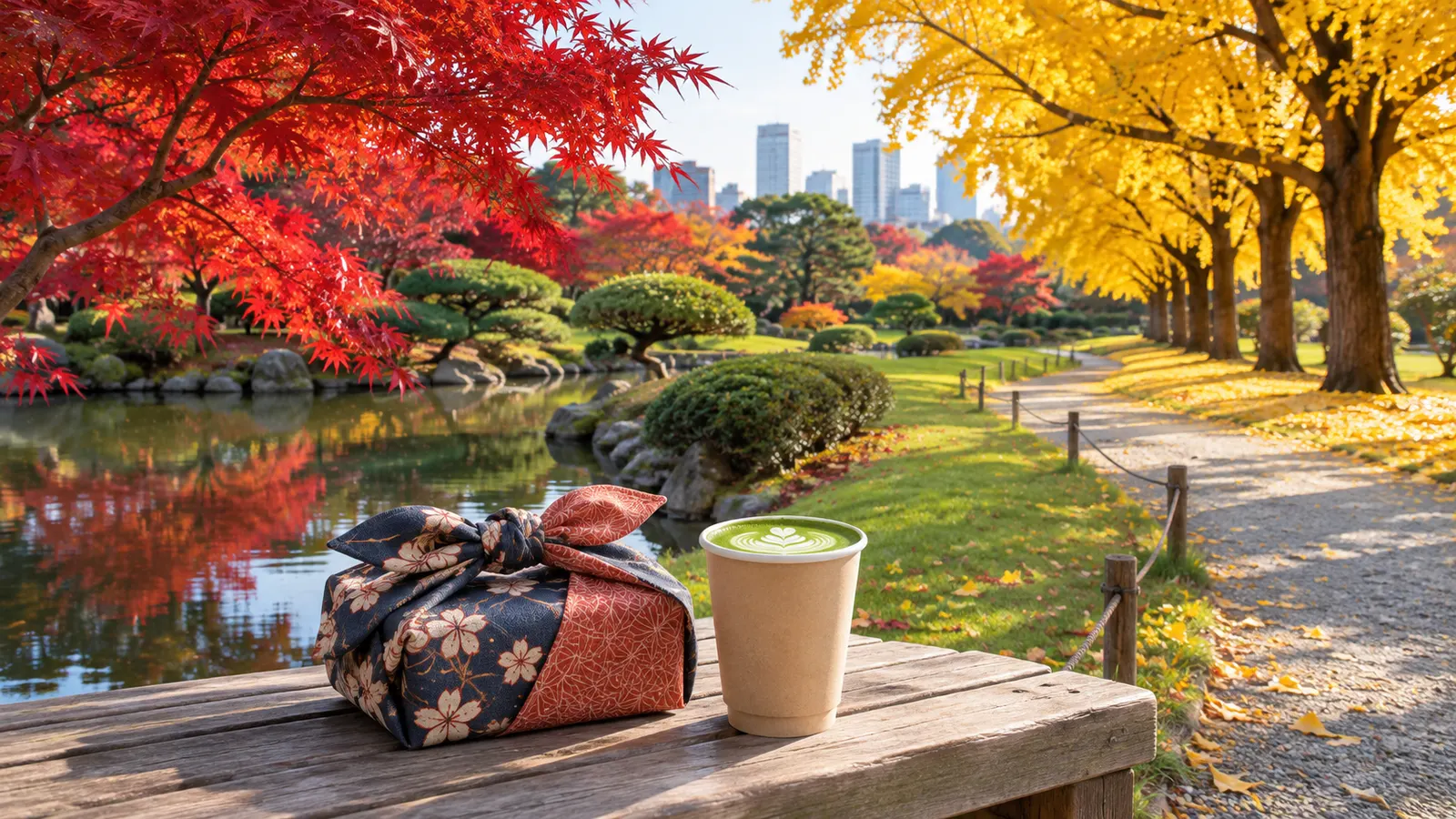
Shinjuku Gyoen & a Sushi Class in Asakusa
Plan a day with Shinjuku Gyoen's autumn maples and a sushi class in Asakusa: opening hours, the train between them and three timings that work.