Mochi Making or a Sushi Class in Tokyo?
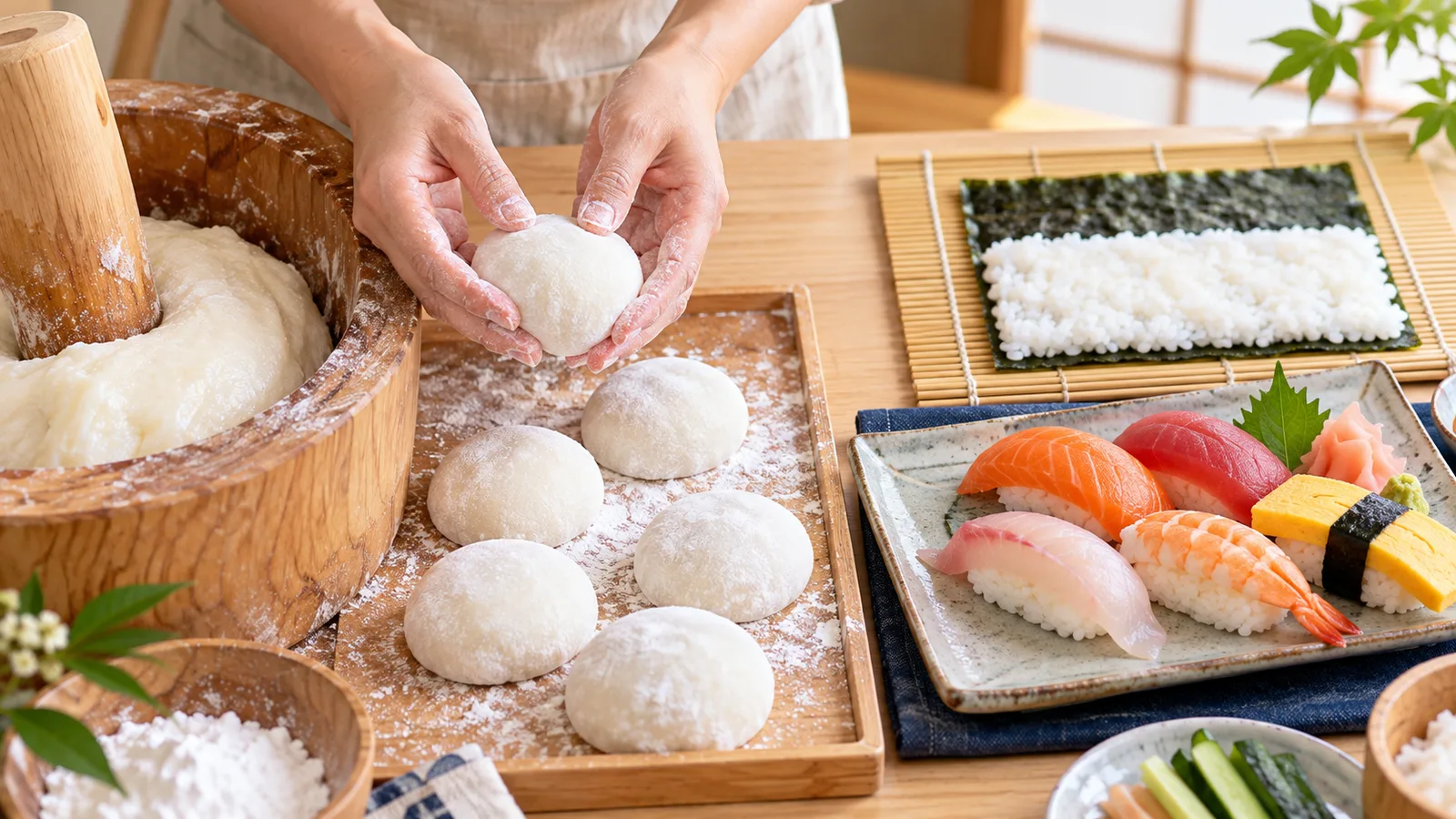
Mochi and sushi are both made from rice, and both are popular hands-on activities for visitors to Tokyo. Yet they feel very different once you are standing at the table. One is about pounding and stretching a sticky dough; the other is about handling seasoned rice gently enough that it holds together without being crushed.
This guide compares a mochi making experience with our sushi class so you can pick the one that fits your trip. We run sushi classes, not mochi workshops, so we describe mochi making in general terms and suggest what to check with any provider you are considering.
Popular in Tokyo right now — our most recommended experience
Tokyo Sushi Making Class : Sake Ceremony & Matcha Experience in Asakusa
Two kinds of rice, two kinds of texture
The biggest difference starts before anyone touches the food. Mochi is made from glutinous rice, called mochigome. Japan's Ministry of Agriculture, Forestry and Fisheries (MAFF) describes mochi as glutinous rice that is steamed and then pounded in a wooden or stone mortar until it becomes sticky, then rounded or rolled flat and cut.
Sushi uses ordinary short-grain rice. According to MAFF, the starch in ordinary rice is roughly two parts amylose to eight parts amylopectin, while the starch in glutinous rice is almost entirely amylopectin. That is why mochi stretches like dough, while sushi rice stays as separate grains.
For sushi, cooked rice is seasoned with vinegar, sugar and salt. MAFF's regional recipe for Tokyo nigiri uses red vinegar, with plain vinegar as an alternative. If you want to understand why sushi chefs care so much about this rice, our article on shari, the vinegared rice of sushi goes deeper.
What you do in each activity
Mochi making. A typical experience follows the traditional steps. The rice is soaked and steamed, then pounded in a large wooden mortar (usu) with a heavy wooden mallet (kine). Pounding is usually a two-person job: one person swings the mallet while the other turns the rice with wet hands between strokes. Once the mochi is smooth, it is torn into pieces and shaped. Common finishes include kinako (roasted soybean flour), mochi wrapped in nori with a soy sauce dip, and daifuku, a round mochi with a sweet filling. Formats vary a lot by provider, so ask whether you will pound the rice yourself or mainly shape mochi that has already been pounded.
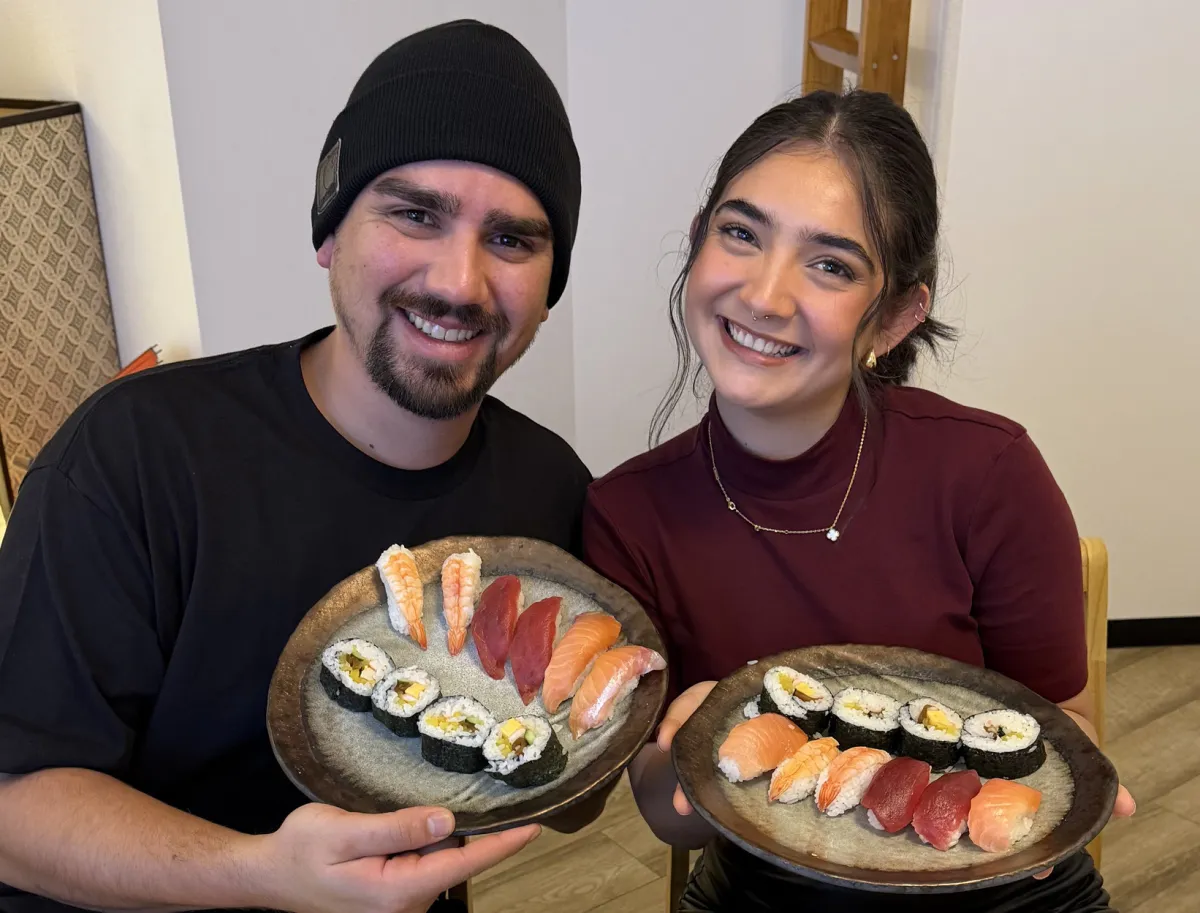
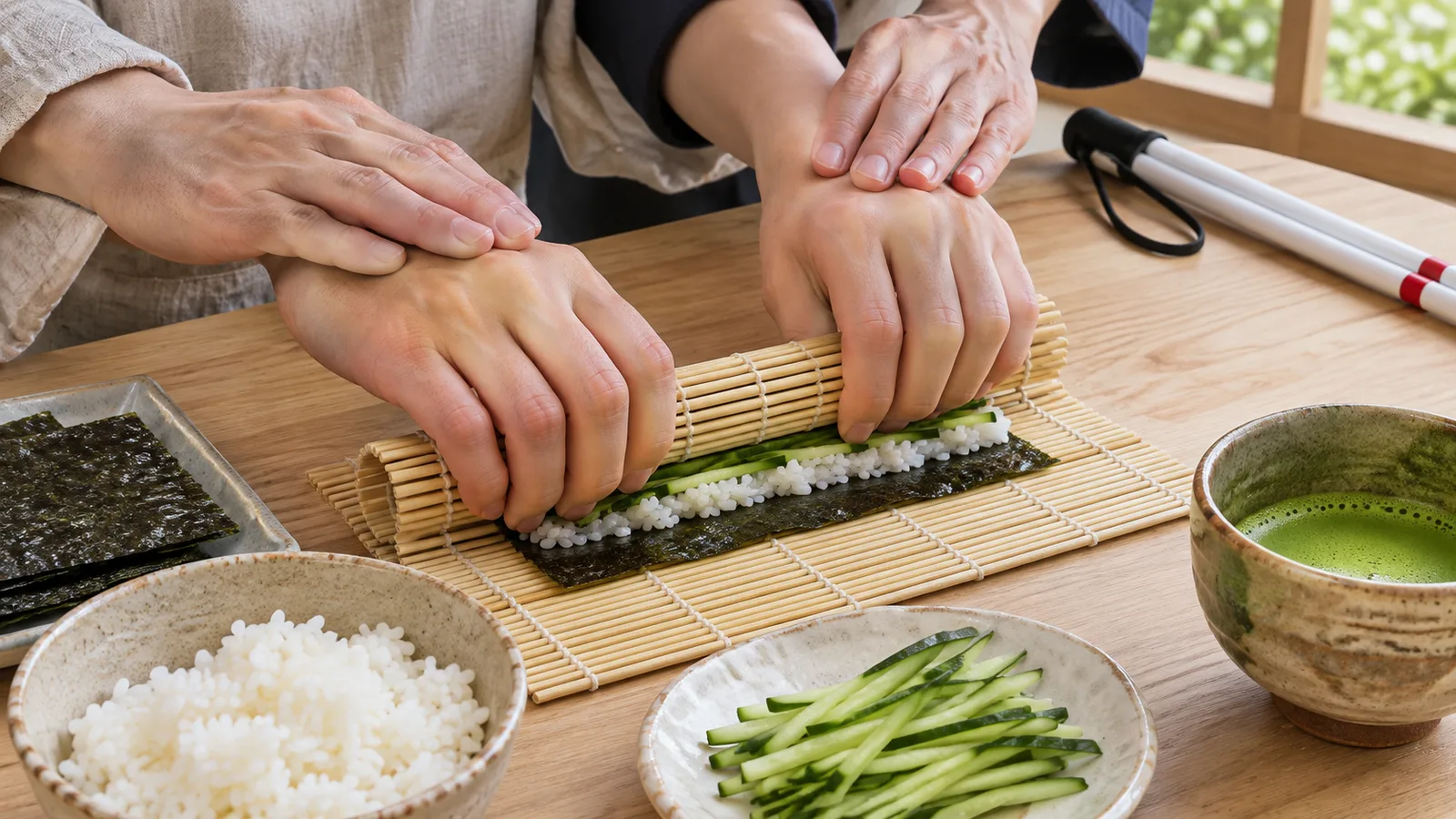
Our sushi class. In our signature sushi and matcha class in Asakusa, you shape nigiri topped with lean tuna (akami), medium-fatty tuna (chutoro), salmon and shrimp, and roll a futomaki with a bamboo mat. The session lasts 90 minutes, starts with a sake toast and finishes with you whisking your own matcha. The class is taught in English and designed for complete beginners. Our article on what you make in the sushi and matcha class walks through the plate step by step.
How the work feels
Mochi pounding is physical, loud and cheerful, which makes it fun for groups and families. Sushi shaping is quieter and more precise: you learn how much rice to take, how to press it so it holds, and how to roll maki evenly, with an instructor guiding you at the table.
Snack or meal
This is often the deciding factor when you plan the day.
A mochi experience usually produces sweets or small savoury pieces rather than a full meal, so plan lunch or dinner separately.
Our sushi class replaces a meal. You sit down and eat everything you made, with sake for the toast, water or Japanese green tea, and matcha at the end. Our guide to planning meals around a sushi class explains how to avoid arriving too full or too hungry.
Season matters more for mochi
Mochi has a strong link to the New Year. MAFF explains that kagami mochi, two stacked rounds of mochi, is an offering to welcome the god of the new year, and that on 11 January it is broken open with a mallet rather than cut with a knife. The Japan National Tourism Organization notes that rice-pounding events are held widely across Japan ahead of the New Year, and that mochi goes into ozoni, a soup commonly eaten on New Year's Day.
Some Tokyo shrines hold public mochi pounding in January. For example, Ōtori Shrine in Taito City, the same ward as Asakusa, listed a mochi pounding on 7 January 2026, with mochi handed out to the first 1,000 visitors. Check the shrine's own notice for the current year before you go.
Mochi is eaten through the year as well, often as seasonal sweets. One local detail surprises visitors: in Tokyo and the wider Kanto region, sakura mochi is usually a thin wheat-flour crepe wrapped around sweet bean paste, not pounded mochi at all. MAFF traces it to Chōmeiji temple in Mukōjima, across the Sumida River from Asakusa, in 1717.
Sushi has seasons too, but our class menu is not built around a festival date, so you do not need to time your trip around it. Check the booking calendar for your dates, since sessions vary by day.
A safety note on mochi
Mochi can cause choking, especially when chewing or swallowing is difficult. Japan's Children and Families Agency advises avoiding sticky, hard-to-swallow foods such as mochi and shiratama dumplings for children aged 0–5. Supervision and cutting mochi smaller do not make it suitable for every participant.
For other participants, the Tokyo Fire Department recommends small pieces, slow chewing and attention while eating. Anyone with swallowing difficulties should seek individual clinical advice before choosing these foods. Ask the workshop provider about participation and food options in advance. Our guides to classes with grandparents and classes with kids explain our formats; they do not replace individual dietary advice.
Quick comparison
| Mochi making (general) | Our signature sushi class | |
|---|---|---|
| Rice | Glutinous rice, steamed and pounded | Short-grain rice seasoned with vinegar |
| Main activity | Pounding, then shaping and topping | Shaping nigiri, rolling futomaki, whisking matcha |
| Result | Sweets or small savoury pieces | A full meal eaten at the table |
| Feel | Physical, rhythmic, good for groups | Precise handwork with guidance |
| Best season | Strongest around the New Year | Not tied to a season |
| Drinks | Varies by provider | Sake toast, water or green tea, matcha |
How to choose
- Choose mochi making if you want a lively group activity, are visiting around the New Year, or have a sweet tooth and your meals are already planned.
- Choose our sushi class if you want to learn a dish you can make again at home, eat a full meal you made yourself and whisk matcha in the same session.
- Do both if you have time. They teach completely different skills with two different kinds of rice, so they do not feel repetitive. If sweets are what draw you, our comparison of a wagashi class and a sushi class covers another option.
When you are ready, check the available dates on the signature sushi and matcha class page and choose a session that leaves room for the rest of your Tokyo day.
Related Articles
Wagashi Class or Sushi Class in Tokyo?
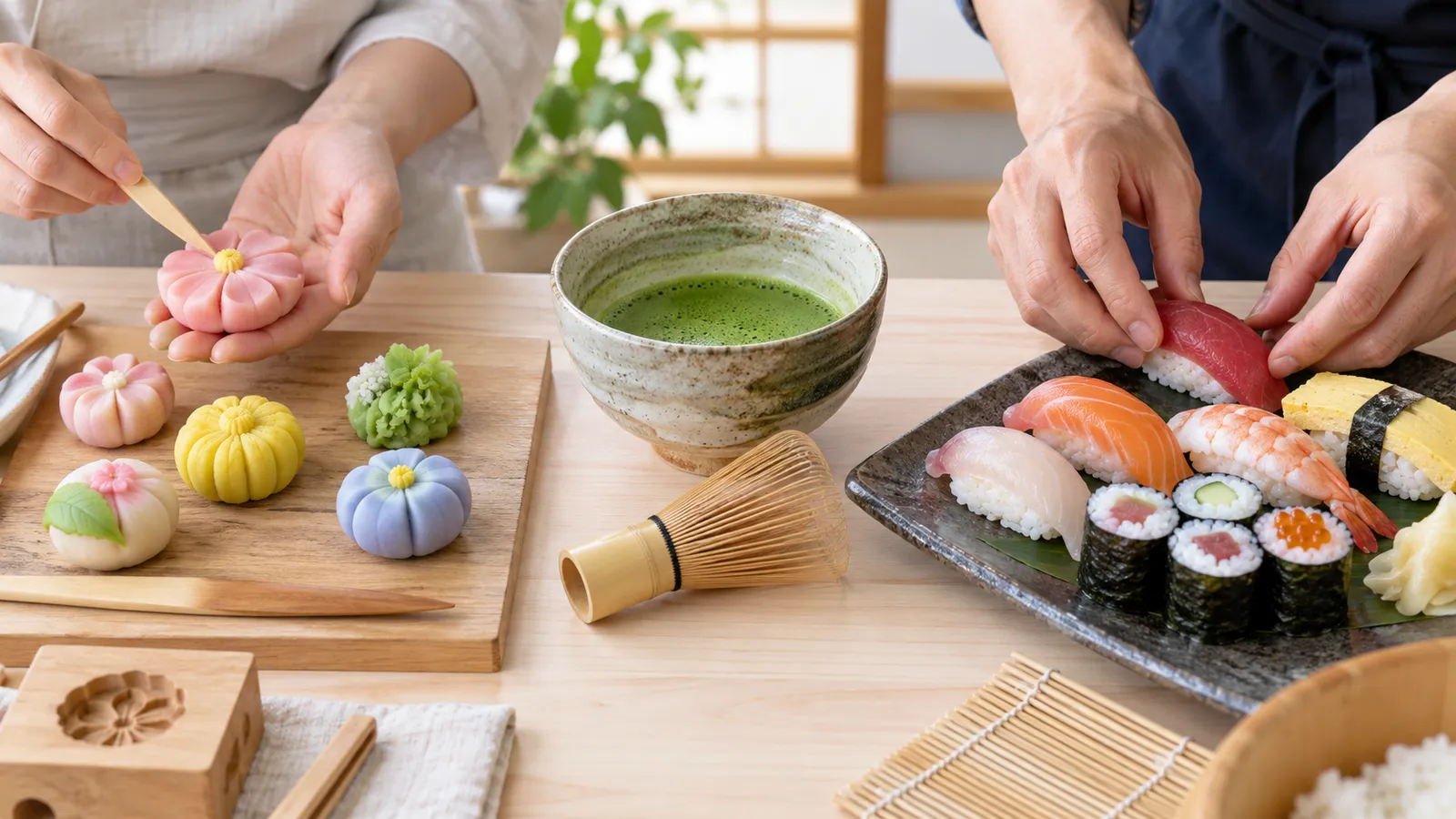
Deciding between making Japanese sweets and making sushi in Tokyo? Compare what you make, how filling it is, and where matcha fits before you book.
Premium Omakase or Sushi Class in Tokyo?
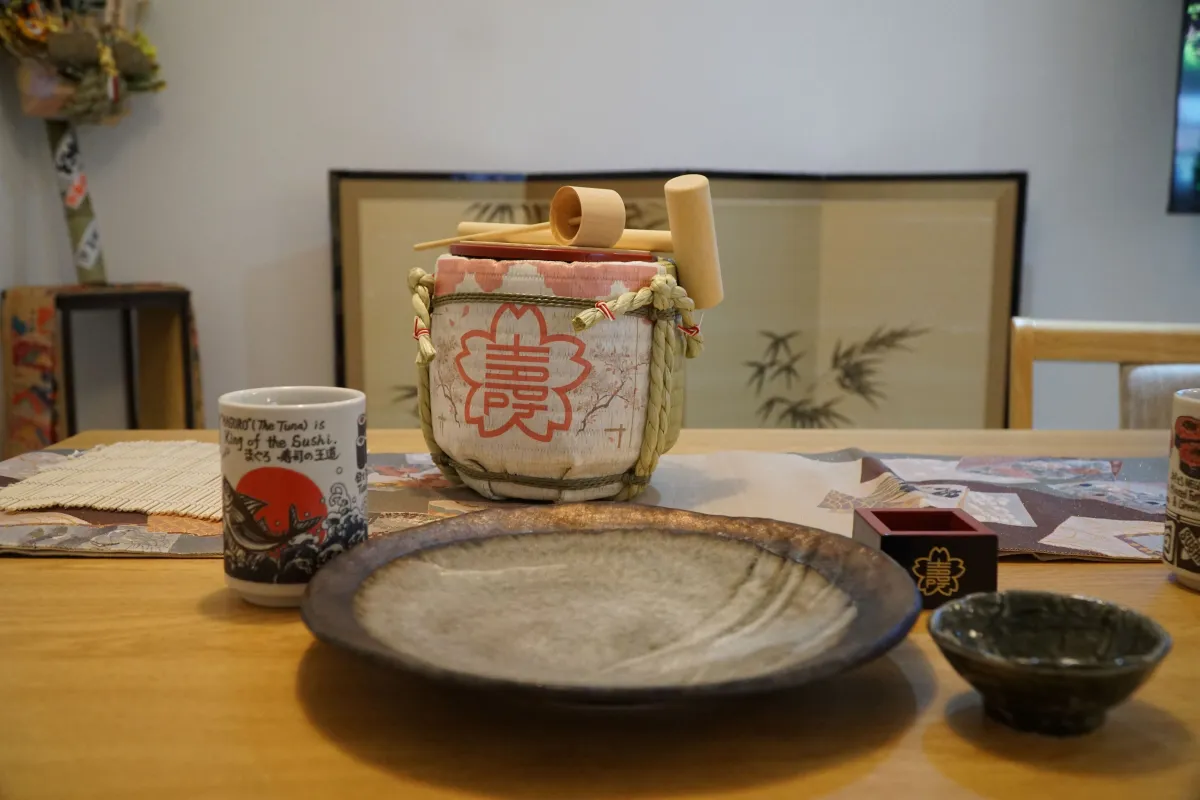
Private premium omakase or the shared sushi making class in Asakusa? Compare price, group size, ingredients and booking route before you choose.
Blind or Low Vision at a Tokyo Sushi Class
Blind or low vision and planning a sushi class in Tokyo? Which steps are tactile, what to ask about guides and guide dogs, and how to reach the studio.