Wagashi Class or Sushi Class in Tokyo?
Wagashi and sushi are two of the most photographed foods in Japan, and both can be learned in a short hands-on class in Tokyo. If you only have time for one, the choice is less about which is "more Japanese" and more about what you want to come away with: a set of small, sculpted sweets, or a meal you shaped yourself.
This guide compares the two formats so you can choose with realistic expectations. We run sushi classes, not wagashi classes, so we describe wagashi workshops in general terms and suggest what to check with any provider you are considering.
Popular in Tokyo right now — our most recommended experience
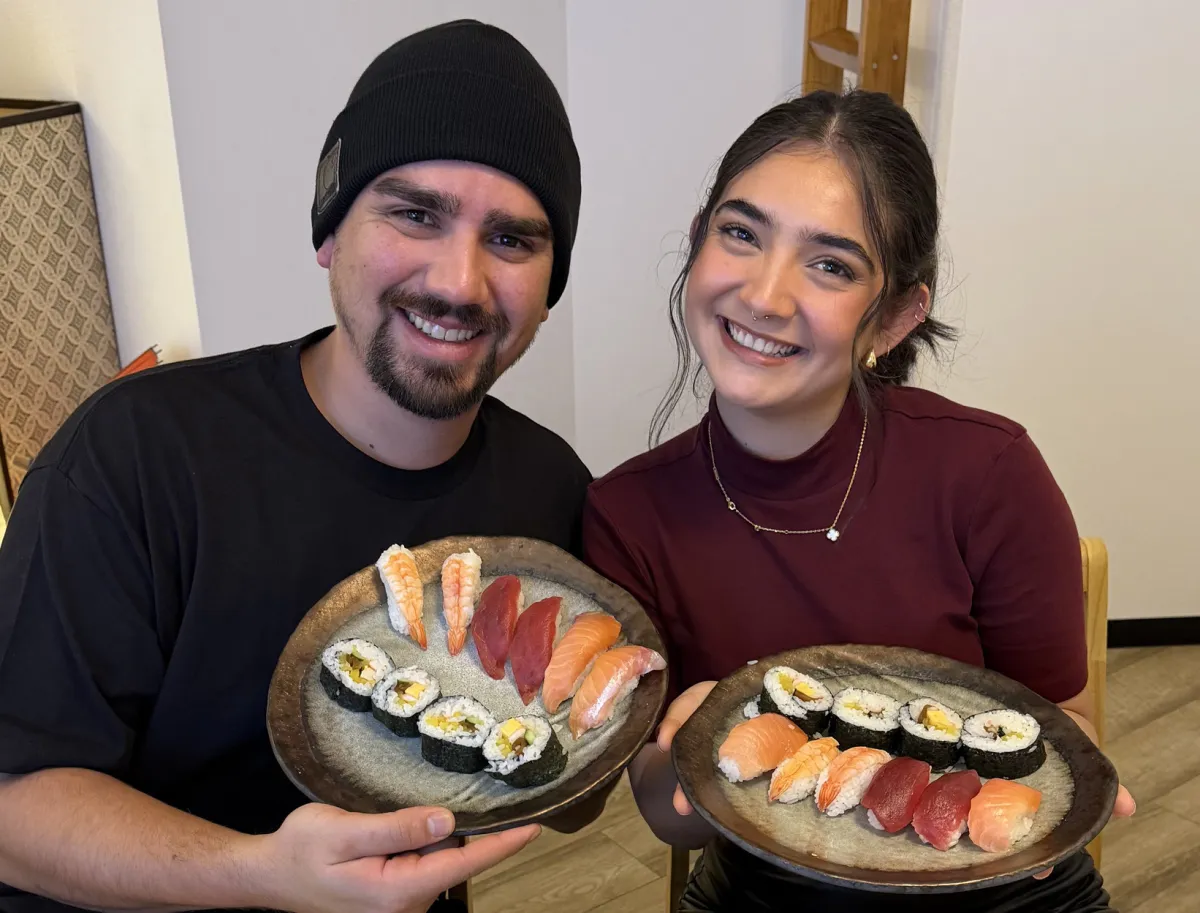
Tokyo Sushi Making Class : Sake Ceremony & Matcha Experience in Asakusa
What you actually make
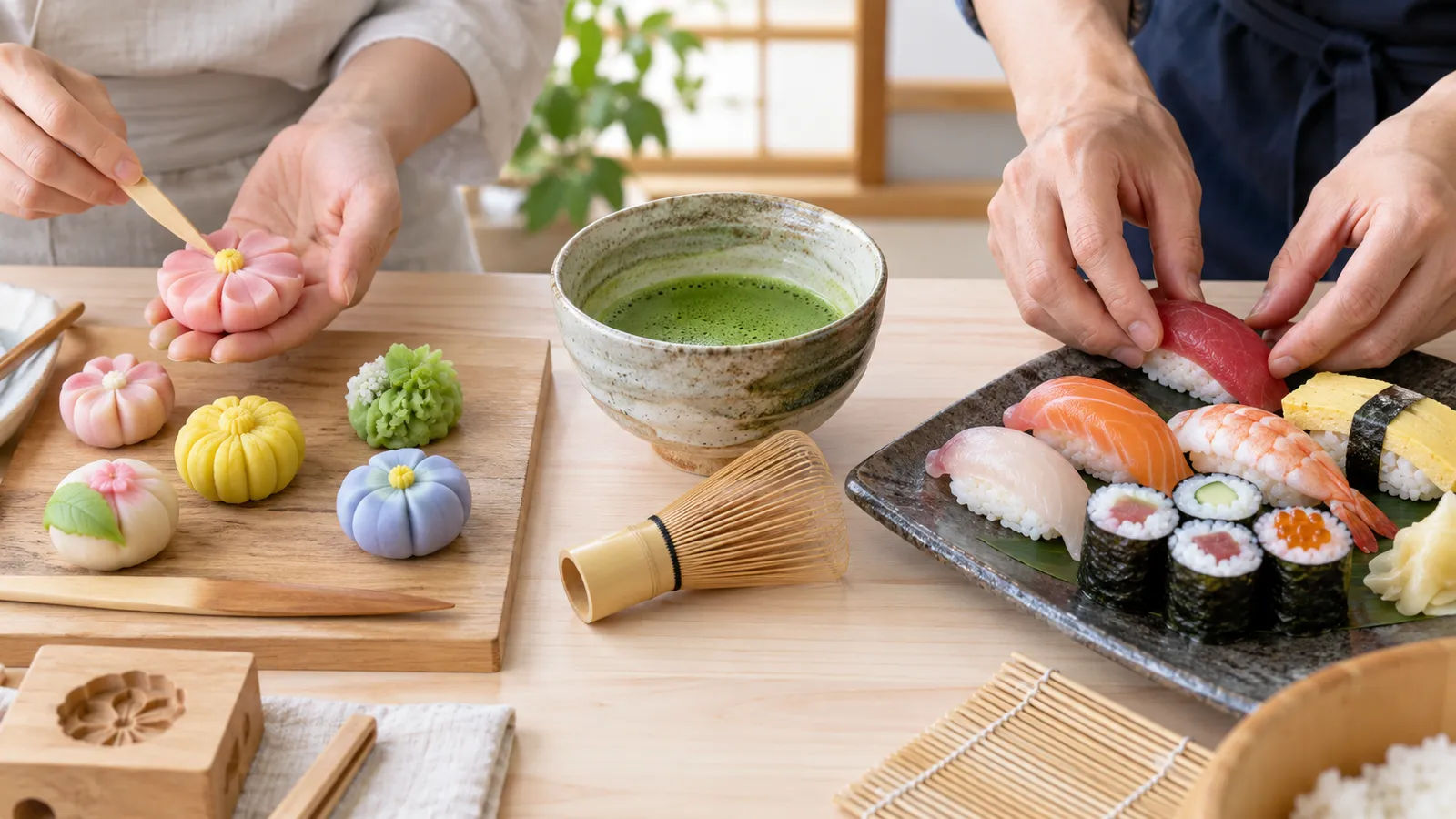
A typical wagashi workshop for visitors focuses on nerikiri, a soft sweet made mainly from sweetened white bean paste. You colour the paste, wrap it around a filling and use small tools to press, cut and mark it into seasonal shapes such as flowers or leaves. The result is usually a few small pieces, often finished with a bowl of green tea. Many classes change the designs with the seasons, which is part of the appeal.
In our signature sushi and matcha class in Asakusa, you prepare classic nigiri and maki rolls with ingredients and tools provided, then whisk your own matcha at the end. If you want a closer look at the plate itself, our article on what you make in the sushi and matcha class walks through it step by step.
The difference in output matters. Wagashi is something you admire, photograph and taste in a few bites. Sushi from the class is eaten at the table as a real meal, not a sample.
How the skills feel in your hands
Both crafts reward patience, but they ask different things of beginners.
Wagashi shaping is quiet, detailed work. Much of the time goes into small movements: pinching petals, smoothing the surface, pressing lines with a tool. People who enjoy drawing, clay or decorating cakes often find it absorbing.
Sushi shaping uses more of the hand. You learn how to handle seasoned rice so it holds together without being squashed, how to place the topping on nigiri and how to roll maki evenly. Instructors demonstrate each step first and then guide you, and the class is designed for complete beginners. If you are unsure whether you need practice before coming, read whether beginners need any practice.
Sweet bites or a full meal
This is often the deciding factor for a day plan. A wagashi workshop leaves you with sweets, so you will still need lunch or dinner. Our sushi class replaces a meal: you sit down and eat everything you made, together with a sake toast and matcha. Water or Japanese green tea is also available.
If you are building a day around either option, think about where your main meal falls. Our guide to planning meals around a sushi class explains how to avoid arriving too full or too hungry.
Where matcha fits
Matcha appears in both experiences, but in different roles. In a wagashi workshop, tea is usually there to accompany the sweets you made. In our signature class, whisking matcha is a hands-on step of its own at the end of the session.
If your real interest is the tea itself, rather than sweets or sushi, a matcha-focused experience may suit you better. Our comparison of a matcha workshop and a tea ceremony explains those formats. For background on why sweets and matcha are traditionally served together, see our article on pairing seasonal wagashi with matcha.
If you want sweets and sushi together
Our signature class does not include wagashi making or wagashi sweets. Two of our private formats do bring sweets to the table, although you still do not make them yourself:
- The private premium omakase class is booked for your group only and includes whisking matcha with wagashi sweets.
- The family private sushi class gives adults a matcha experience, while children have juice with traditional wagashi sweets.
If making wagashi by hand is important to you, book a dedicated wagashi workshop as well. The two fit comfortably on different days, or on the same day if one is in the morning and the other in the afternoon with time to travel between them.
Diet and allergy questions differ
Because the ingredients are so different, the questions to ask are different too. For a wagashi workshop, ask what the paste and filling are made from and whether any dough contains wheat or other allergens. For a sushi class, the main questions are usually about fish, shellfish, egg, soy and gluten.
We take allergies seriously and can prepare common alternatives such as shellfish-free, egg-free and gluten-free options when you list them at booking. Our food allergy guide explains what to tell us and what we cannot guarantee.
Quick comparison
| Wagashi workshop (general) | Our signature sushi class | |
|---|---|---|
| Main activity | Shaping small seasonal sweets | Making nigiri and maki, whisking matcha |
| What you take away | A few sweets to eat or admire | A full meal eaten at the table |
| Feel of the work | Fine, detailed handwork | Rice handling, topping and rolling |
| Drinks | Usually tea | Sake toast, matcha, water or green tea |
| Good for | Craft lovers, photographers, sweet tooth | Food lovers, groups, a meal-sized experience |
How to choose
- Choose a wagashi workshop if you love detailed craft, want something beautiful to photograph and already have your meals planned.
- Choose our sushi class if you want to learn a dish you can make again at home, eat a full meal you made yourself and whisk matcha as part of the same session.
- Do both if you have time: they teach completely different skills, so they do not feel repetitive.
When you are ready, check the available dates on the signature sushi and matcha class page and pick a session that leaves room for the rest of your day.
Related Articles
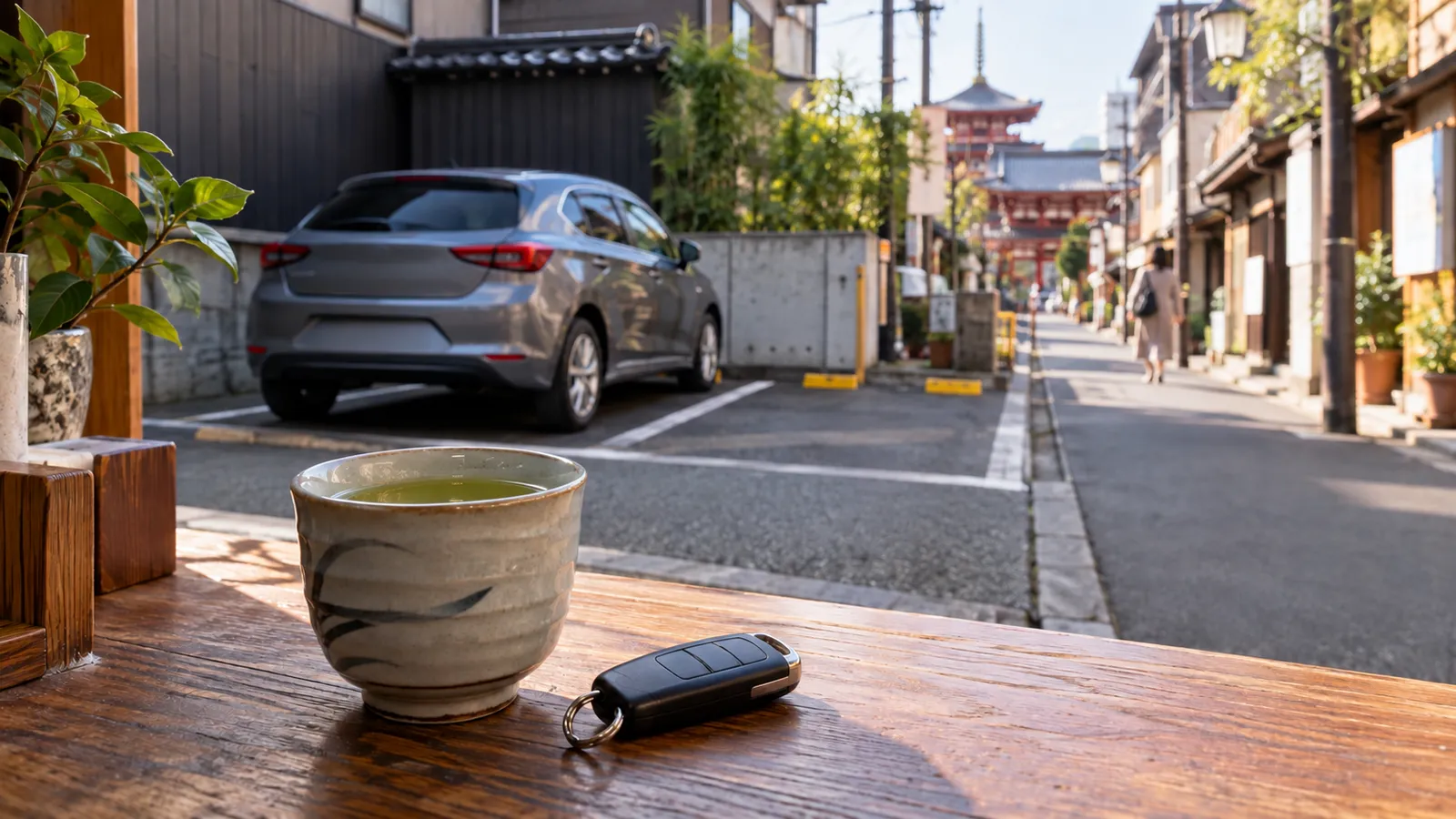
Driving to a Sushi Class in Asakusa
Coming to Asakusa by rental car? What to know about parking near the studio, the sake toast and Japan's drink-driving rules before you book a class.
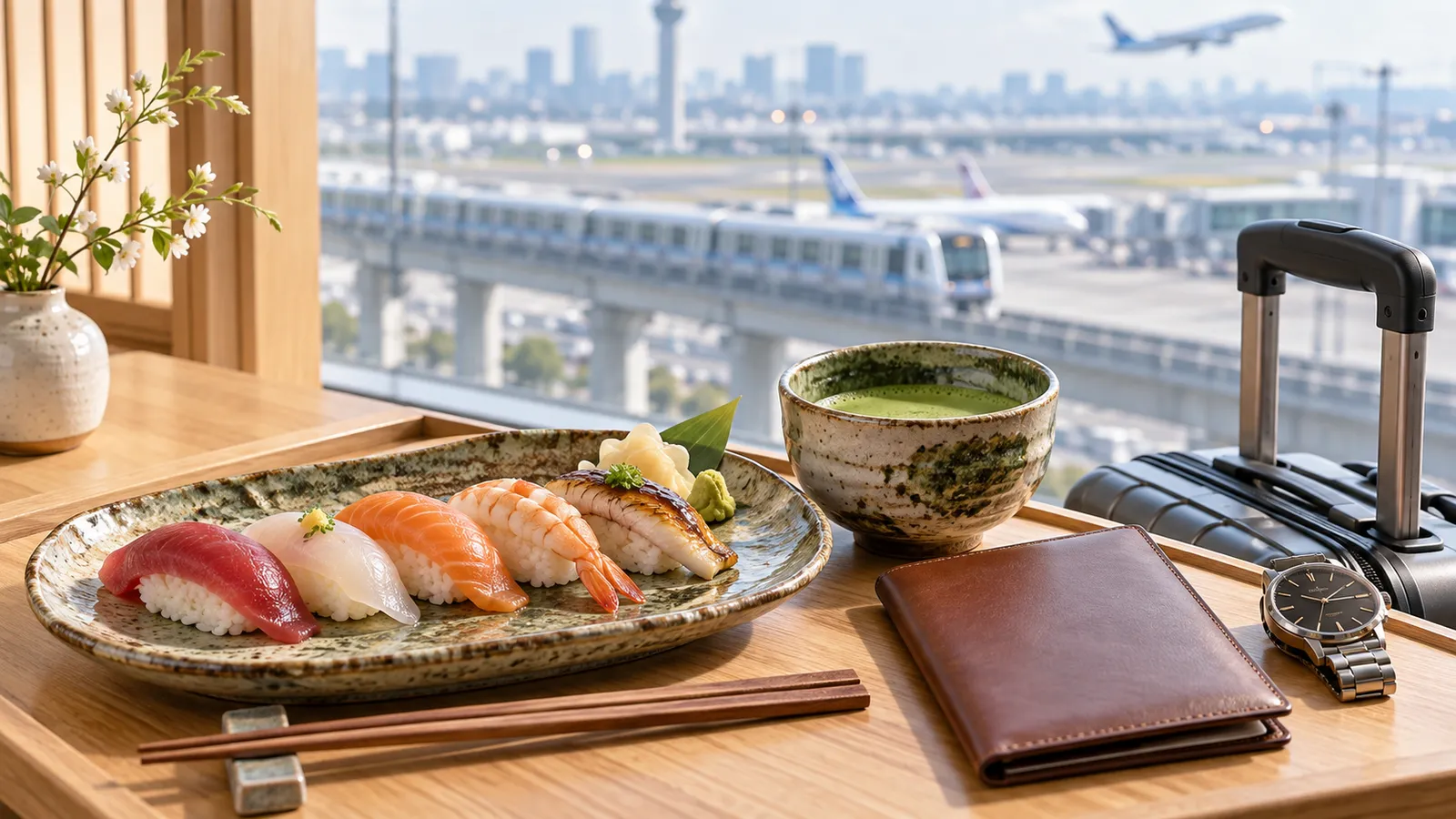
A Sushi Class on a Tokyo Layover
Changing planes in Tokyo? How to judge whether a layover leaves time for a sushi class in Asakusa: entry, trains, bags and a safe return margin.
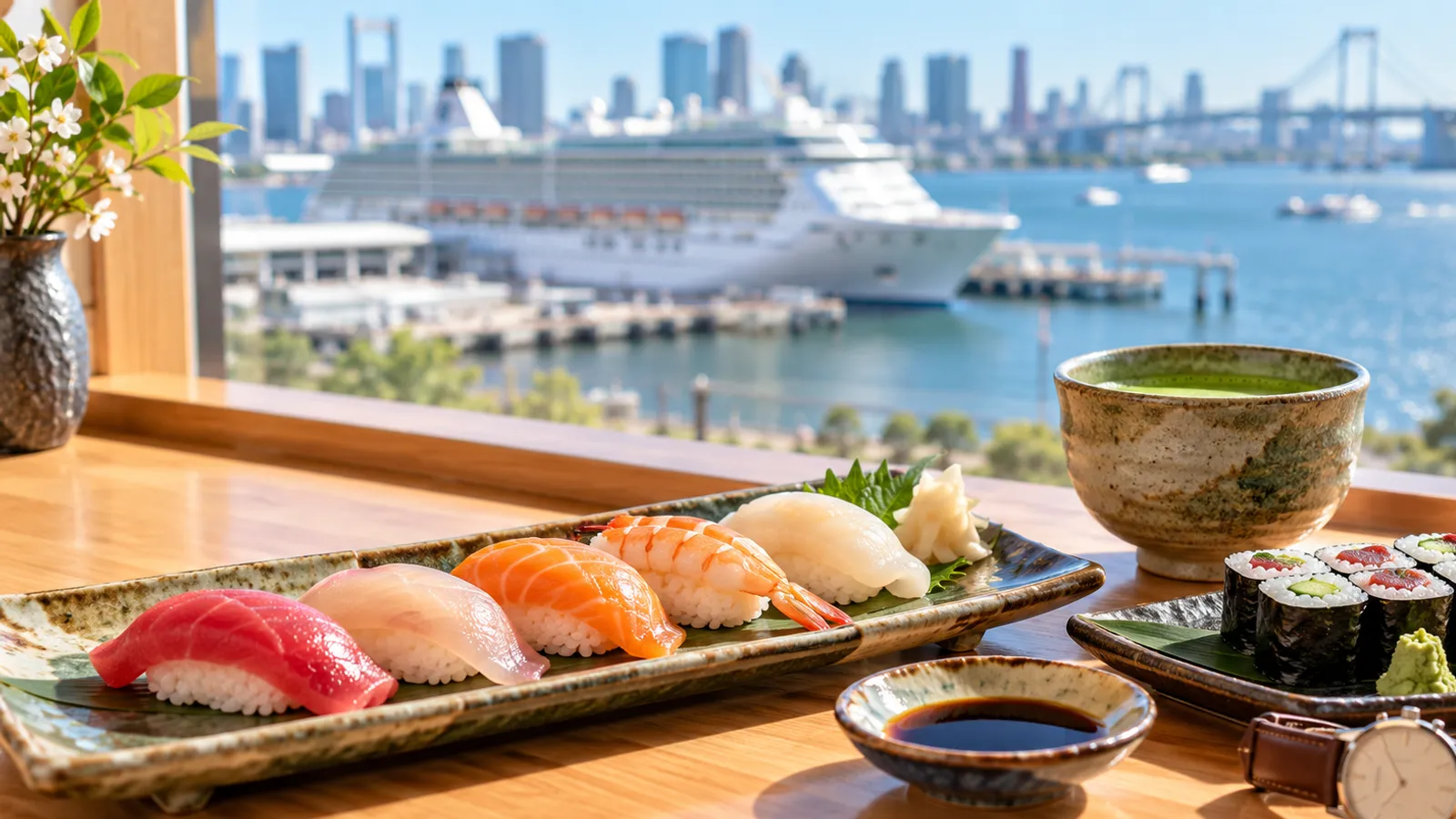
A Sushi Class on a Tokyo Cruise Port Day
Docking in Tokyo or Yokohama? How to fit an Asakusa sushi class into a port day, with travel time, all-aboard margins and what to check before booking.