What Is Omakase? A Sushi Guide for Tokyo
Omakase is one of the first Japanese words many visitors learn before a trip to Tokyo, and one of the most loosely used. It appears on high-end sushi counters, on casual restaurant menus and on experience listings, including one of ours. This guide explains what the word actually means, how an omakase meal at a sushi counter usually unfolds, what to sort out before you book, and how a hands-on omakase session differs from eating at a restaurant.
Popular in Tokyo right now — our most recommended experience
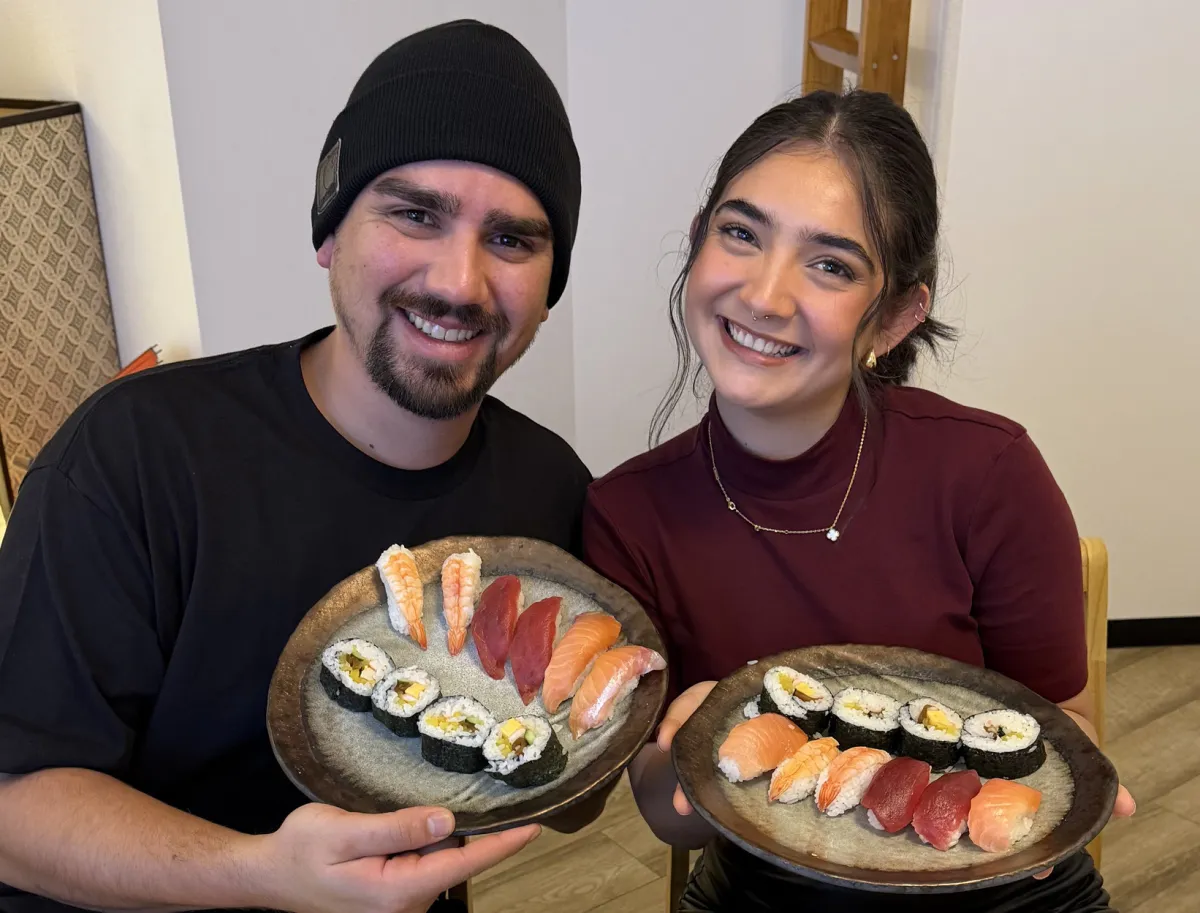
Tokyo Sushi Making Class : Sake Ceremony & Matcha Experience in Asakusa
What the word means
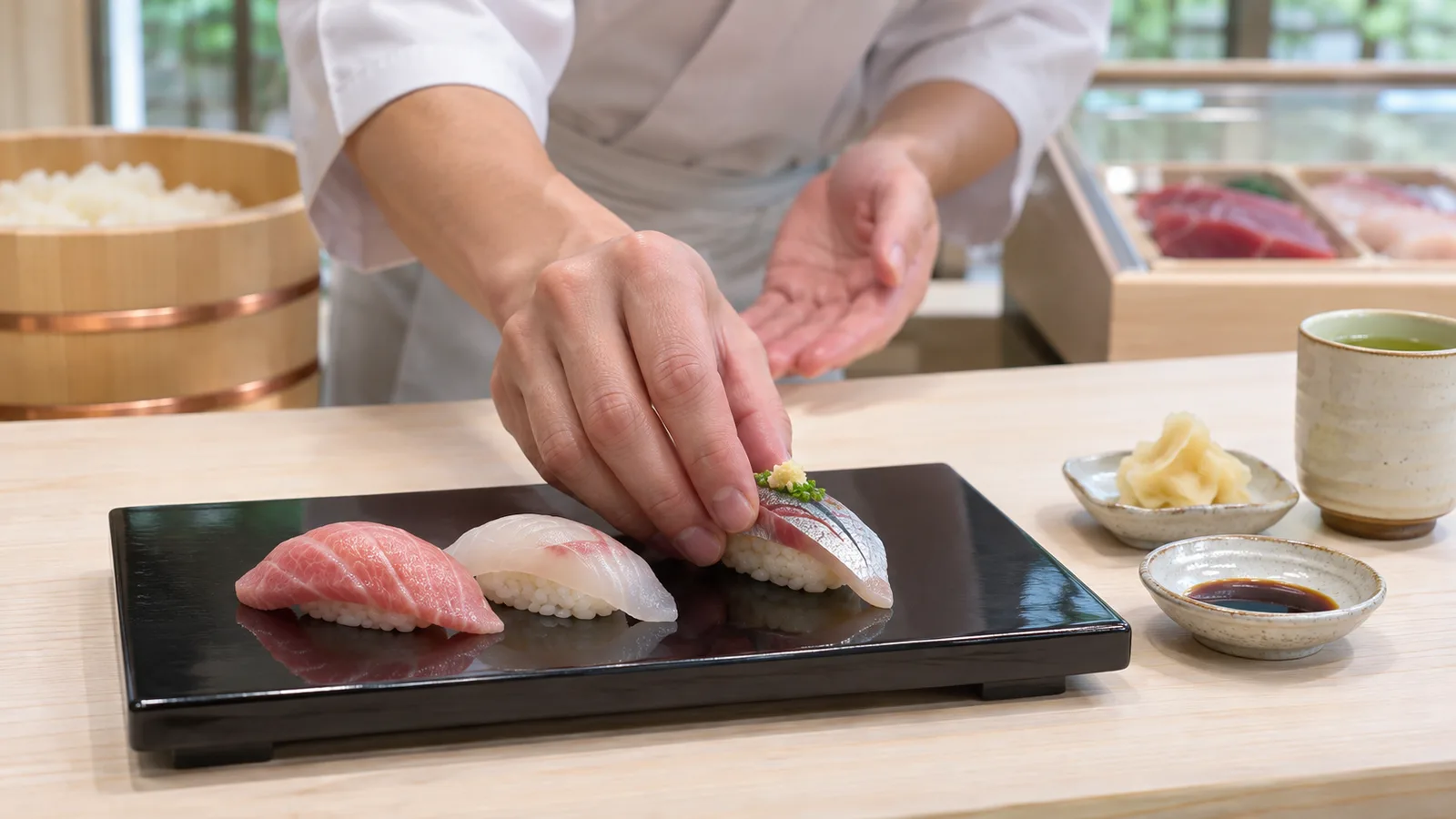
お任せ (omakase) comes from the verb makaseru, "to entrust". In everyday Japanese, omakase shimasu simply means "I'll leave it to you". At a sushi counter it means you hand the choice of fish, order and pace to the chef instead of ordering piece by piece from a menu.
That is the whole idea. Omakase is not a dish, a style of sushi or a price level. It is a way of ordering built on trust: the chef decides what is best that day, and you eat it as it is served.
The opposite is okonomi, ordering what you like one item at a time. Many sushi restaurants offer both, and some counters serve only an omakase course.
How an omakase meal usually runs
Every counter has its own rhythm, but a few patterns are common in Tokyo.
- One piece at a time. Nigiri is usually placed in front of you a piece at a time, often on a raised board or plate, so it reaches you at the right temperature and texture.
- A sequence with a shape. Many chefs start with lighter fish, move towards richer ones such as fatty tuna, and finish with something like a rolled item, soup or tamago. Some counters open with small cooked dishes before the nigiri.
- Seasoned for you. The chef often brushes on soy sauce or adds a little salt, citrus or wasabi. When that happens, the piece is meant to be eaten as served.
- A fixed price or a range. Some restaurants publish one course price; others quote a range that depends on the day's fish. Drinks are usually extra.
Because the order is planned, eating each piece soon after it arrives matters more than at a casual restaurant. Our sushi etiquette guide for first-timers covers hands or chopsticks, soy sauce and the one-bite habit in more detail.
What to arrange before you book
The trust works both ways. To let the chef choose well, the restaurant needs a few facts from you in advance.
- Dietary needs and allergies. Say them when you book, not when you sit down. A course built around raw fish cannot always be changed on the spot.
- Things you do not eat. If you dislike a particular fish or shellfish, a polite note at booking is normal.
- Time. A counter course often takes one and a half to two hours. Check the seating time, and arrive on time, because guests at a counter often start together.
- Cancellation terms. Popular counters may ask for card details or a deposit, and cancellation rules can be strict. Read them before you confirm.
- Budget. If only a range is listed, plan for the top of it, plus drinks.
You can often arrange this without Japanese, but many smaller counters take bookings through their own channels or through a hotel concierge, so allow time.
Omakase you eat versus omakase you make
Some experiences in Tokyo use the word omakase for something different: a session where the chef chooses premium ingredients and you take part in making the sushi yourself.
That is what our private premium omakase in Asakusa is. It is not a restaurant course. It is a private session for your group in our studio, where the chef selects the ingredients and adapts the teaching to your group. According to the current class page:
- it is a private charter for up to 8 guests, priced at ¥200,000 for the group rather than per person;
- it lasts 60–90 minutes, depending on group size;
- it uses premium Tsukiji-sourced ingredients, which can include otoro, uni, seasonal fish and A5 wagyu;
- it includes a champagne welcome, a tasting of three sakes, matcha whisked with wagashi sweets and a premium recipe collection;
- it is pitched at an intermediate level, with personalised instruction.
The "leave it to the chef" part is still there: the line-up includes seasonal fish, so it can vary with what is good at the time. What changes is your role. Instead of watching a chef from the other side of the counter, you handle the fish, shape the rice and eat what you made.
The session is booked as a private request through our contact form rather than an instant calendar booking, because it reserves the studio for your group. Send your preferred date, group size and any dietary needs, and treat it as booked only once we confirm. Our comparison of the premium omakase and the signature sushi class walks through the price units and booking routes side by side.
Which one suits you
Book a restaurant omakase if your goal is to taste a chef's work at its best, and you are happy to sit, watch and eat. It suits a special dinner and travellers who are comfortable with a fixed sequence of mostly raw fish.
Choose a hands-on private omakase if you want premium ingredients and the studio to yourselves as a group, and you would rather take part than watch. It suits celebrations, special occasions and corporate events.
Choose the shared signature class if you mainly want to learn the basics. The signature sushi and matcha class runs for 90 minutes at ¥12,000 per person. You make nigiri and maki, join a sake toast and whisk your own matcha. It is booked online for a specific session time, with free cancellation up to 24 hours before.
Many visitors do two of these on the same trip: a class early in the stay, then a counter meal later, once they know what to look for. Our guide to choosing between a sushi class and a sushi restaurant in Tokyo helps you fit both into one itinerary.
A short glossary for the counter
- Omakase: leaving the choice to the chef.
- Okonomi: ordering piece by piece.
- Neta: the topping, usually fish.
- Shari: the seasoned sushi rice.
- Gari: sliced pickled ginger, eaten between pieces.
- Agari: hot tea, a counter word for the green tea served with sushi.
Before you decide
Omakase is less about luxury than about trust. Wherever you go, you get the best of it by telling the chef your needs early, arriving on time and eating each piece as it is served. If you want that trust and the premium ingredients, with your own hands involved, ask about the private premium omakase and share your date and group size. The current details on the class page take precedence over this article.
Related Articles
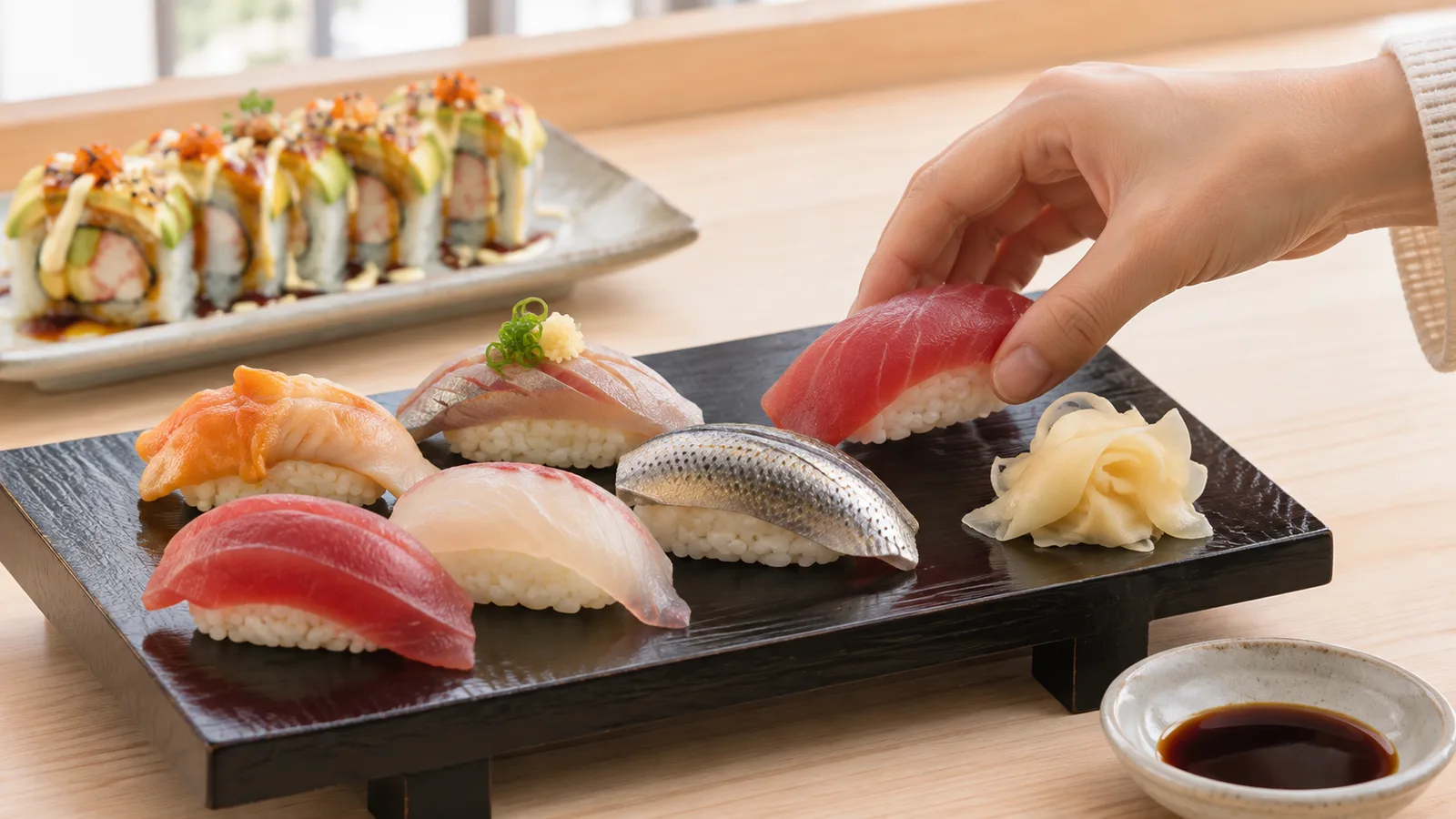
Sushi in Japan vs Abroad: What's Different?
Fewer sauces, more nigiri, few inside-out rolls: what changes when you eat sushi in Japan instead of at home, and how to order without surprises.
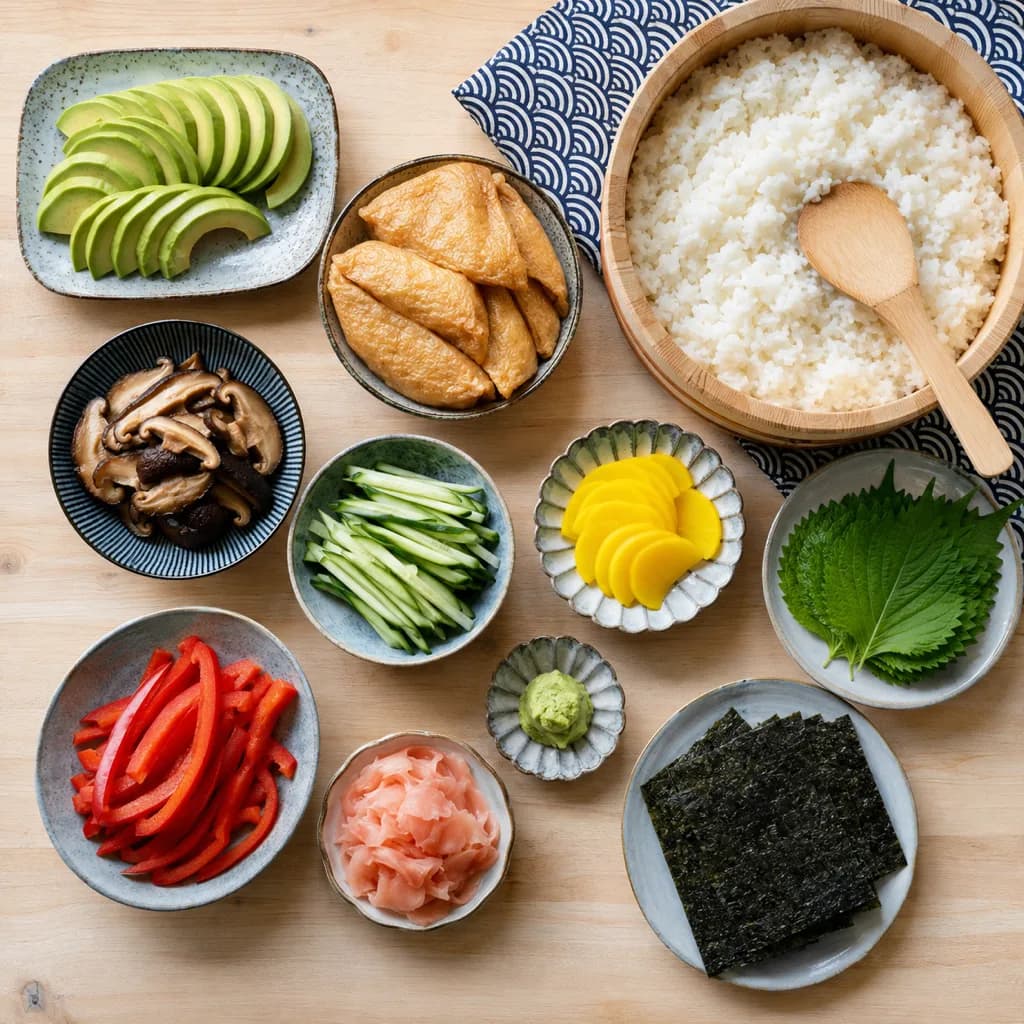
Halal Sushi Class in Tokyo: What to Confirm
Looking for a halal sushi class in Tokyo? Check certification, ingredients, shared tools and the reply you need before booking.
Premium Omakase or Sushi Class in Tokyo?
Private premium omakase or the shared sushi making class in Asakusa? Compare price, group size, ingredients and booking route before you choose.