Sushi Tools to Buy in Japan and Take Home
Many visitors leave Japan wanting to make sushi at home, and Tokyo is a very good place to buy the tools. Kitchen shops sell everything from a simple bamboo rolling mat to hand-made knives, and prices start low. The hard part is knowing which items you will really use, which ones travel well, and which ones need care once you get home.
This guide walks through the main sushi tools, what to look for in each, and the practical rules for taking them on a plane and through customs. Details were checked on 19 November 2026.
Popular in Tokyo right now — our most recommended experience
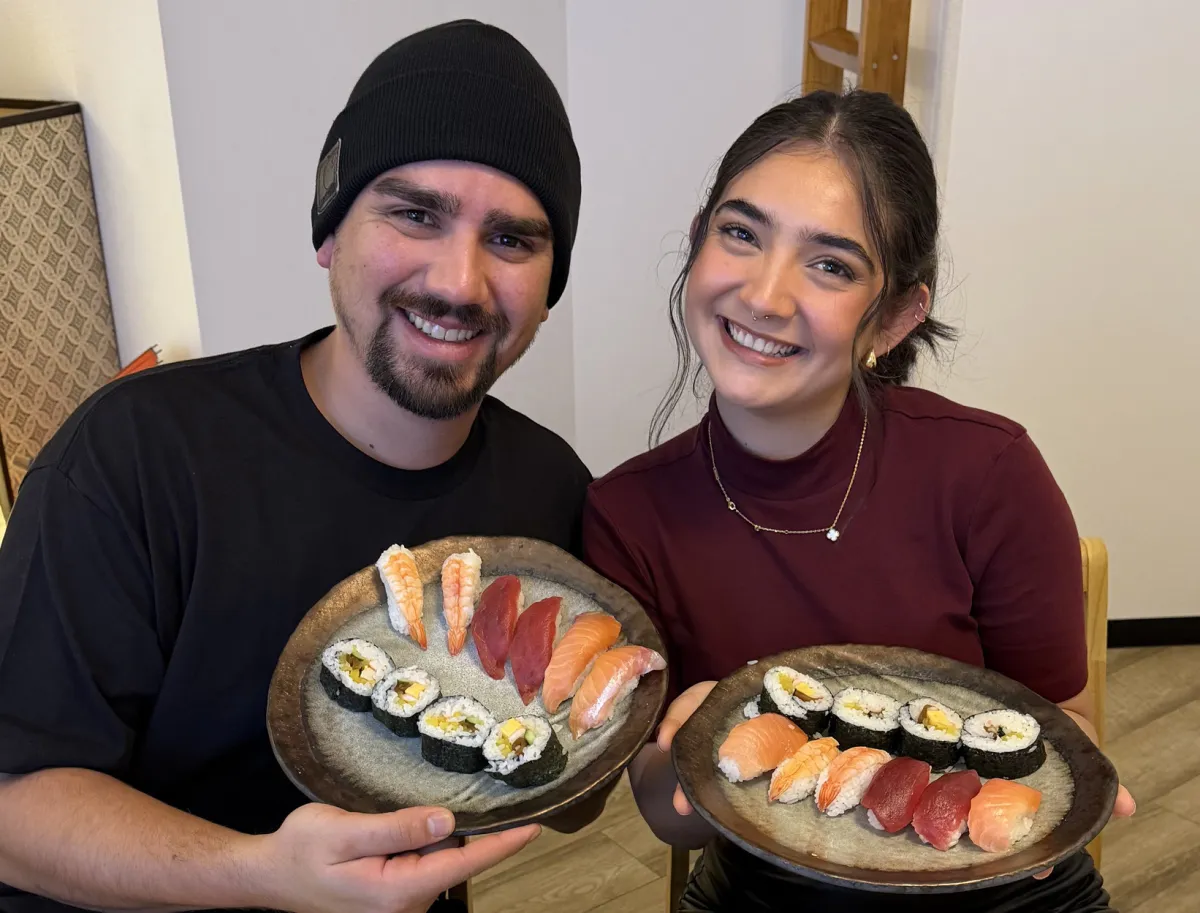
Tokyo Sushi Making Class : Sake Ceremony & Matcha Experience in Asakusa
Start with what you will actually make
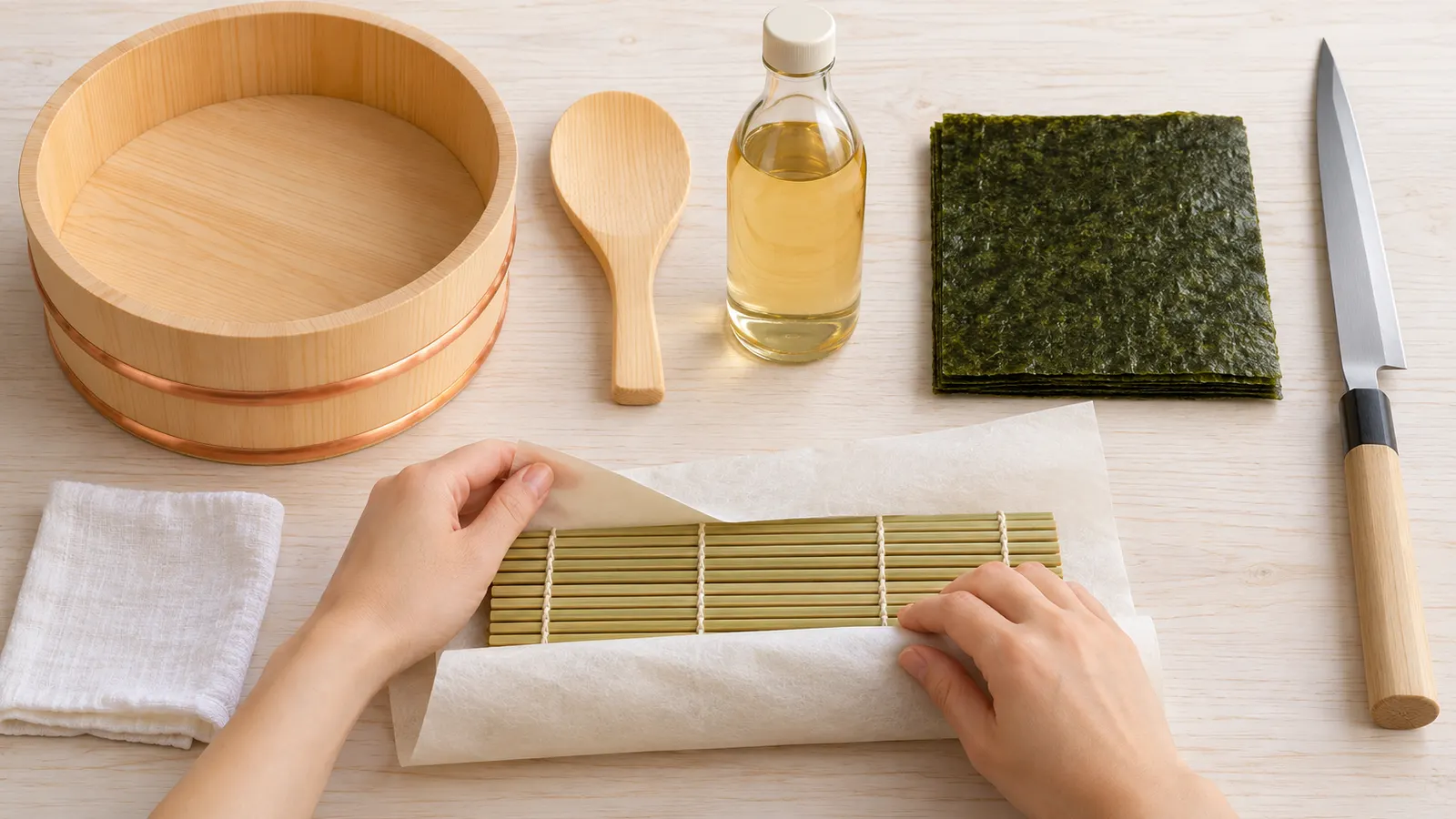
Before buying anything, decide what kind of sushi you plan to make at home. For most people that means rolls and simple nigiri for a few people. For that, you need far less equipment than a sushi bar:
- a bamboo rolling mat for rolls;
- a wide bowl or wooden rice tub for mixing sushi rice;
- a rice paddle for folding in the vinegar;
- a sharp knife for cutting rolls and slicing fish.
Everything else, from moulds to special brushes, is optional. If you have never shaped nigiri or rolled a futomaki, trying once with guidance before you shop can help you judge the size and type of tools you would actually use: how big a mat you want, how much rice a roll takes and how a sharp knife feels when it cuts cleanly. Our signature sushi class is one way to do that early in your trip.
The four tools worth buying
Makisu: the bamboo rolling mat
The makisu is the cheapest and most useful item. Look for one made of flat bamboo strips tied tightly with cotton string, roughly the size of a sheet of nori. Strips with a flat side and a rounded side are common; nori usually goes on the flat side.
Care. Bamboo mats go mouldy if they stay damp. A Japanese maker recommends washing in lukewarm water with a soft sponge, avoiding detergent where possible, and drying fully in a shaded, airy place. Do not store it wrapped in plastic. Many home cooks cover the mat with cling film when making inside-out rolls to keep rice from sticking.
Hangiri: the wooden rice tub
A hangiri (also called sushi-oke) is a wide, shallow tub, traditionally made of sawara cypress with copper hoops. The wood absorbs extra moisture while you mix the rice and vinegar, which helps each grain stay glossy rather than wet. A small tub of about 30 cm across is enough for rice for two to four people and is easier to pack.
Care. A hangiri needs more attention than a bowl. Makers advise wetting and wiping it before each use, washing it with water straight after, avoiding bleach and dishwashers, and drying it standing up in the shade, out of direct sun, which can crack the wood. Store it wrapped in paper rather than plastic. If that sounds like too much, a large glass or ceramic bowl works perfectly well.
Shamoji: the rice paddle
A wooden or bamboo shamoji lets you cut and fold vinegar into rice without crushing the grains. It is light, cheap and easy to pack. Wet it before use so rice does not stick.
A Japanese knife
A sharp knife makes the biggest visible difference: clean slices of fish and neat roll pieces instead of torn edges. Common choices are:
- Yanagiba: a long, single-bevel blade designed for slicing raw fish in one smooth pull. Beautiful, but it needs practice and careful sharpening.
- Santoku or gyuto: double-bevel all-purpose knives. They cut rolls, fish and vegetables well, and are the easier choice if you will cook more than sushi.
If you are not sure, buy a good all-purpose knife you will use every day rather than a specialist blade that stays in the drawer. Many shops will explain care and sharpening and can engrave a name.
Where to buy in Tokyo
Kappabashi, the kitchen-tool street between Asakusa and Ueno, is the classic place. It has dozens of shops selling knives, tableware, bamboo goods and plastic food models. Because it serves restaurant trades, many shops close on Sundays and public holidays, so check before you go. Our guide to visiting Kappabashi with a sushi class explains how to fit both into one day.
Department stores and kitchen shops in central Tokyo also stock smaller selections of mats, paddles and knives. For nori and sushi vinegar, a supermarket is fine; our nori guide explains which sheets to look for.
Taking a knife home: the rules
Carrying it in Tokyo. Japan's Firearms and Swords Control Law prohibits carrying a blade longer than 6 cm without a legitimate reason. The Tokyo Metropolitan Police also warn that carrying a knife without a legitimate reason can be unlawful even when the blade is shorter. They explain that buying a knife and taking it home counts as a legitimate reason. In practice, keep it in the shop's packaging and go straight back to your accommodation; do not carry it around the city for the rest of the day.
On the plane. Knives are not allowed in carry-on baggage. Japanese airlines such as JAL state that blades must go in checked baggage, and taking one through security in the cabin can break the law. Wrap the blade well, use the shop's box or a blade guard, and pack it in your checked suitcase.
Customs and biosecurity at home
Wooden and bamboo items can be inspected when you arrive home. Australia, for example, requires wooden items to be declared and inspected on arrival, and bamboo items are also subject to biosecurity conditions that depend on how they were processed. Items that fail inspection can be treated, sent back or destroyed at the owner's cost. Make sure tools are clean and free of bark, soil and insects, check your own government's current guidance before you fly, and do not assume that a finished item will automatically be admitted.
Tax-free shopping since November 2026
Japan changed its tax-free system on 1 November 2026. At participating tax-free shops, eligible visitors now pay the full price, including consumption tax, in the shop. When you leave Japan within the applicable period, customs confirms that you are taking the goods out of the country, and the consumption tax is refunded afterwards. Eligibility, product categories and shop procedures vary, so ask before you buy, and keep your purchases accessible and unused until you have cleared that check. Our matcha buying guide explains the same change for tea.
A simple shopping list
| Tool | Worth buying in Japan? | Packing |
|---|---|---|
| Makisu | Yes, cheap and useful | Easy, flat |
| Shamoji | Yes | Easy |
| Hangiri | If you will care for it | Bulky, check size |
| Knife | Yes, if you will maintain it | Checked baggage only |
Learn first, then shop
Tools help, but technique matters more. Shaping rice with the right pressure, spreading it evenly on nori and rolling tightly are skills you learn faster with your hands than from a video. Our signature sushi and matcha class in Asakusa lasts 90 minutes and costs ¥12,000 per person. You make nigiri and a futomaki roll with an English-speaking instructor, eat what you made and whisk your own matcha, so you can make a more informed choice when you shop for tools afterwards. If you are staying in an apartment, our comparison of making sushi in your rental or taking a class may also help.
Related Articles
Gyokuro vs Matcha: What Is the Difference?
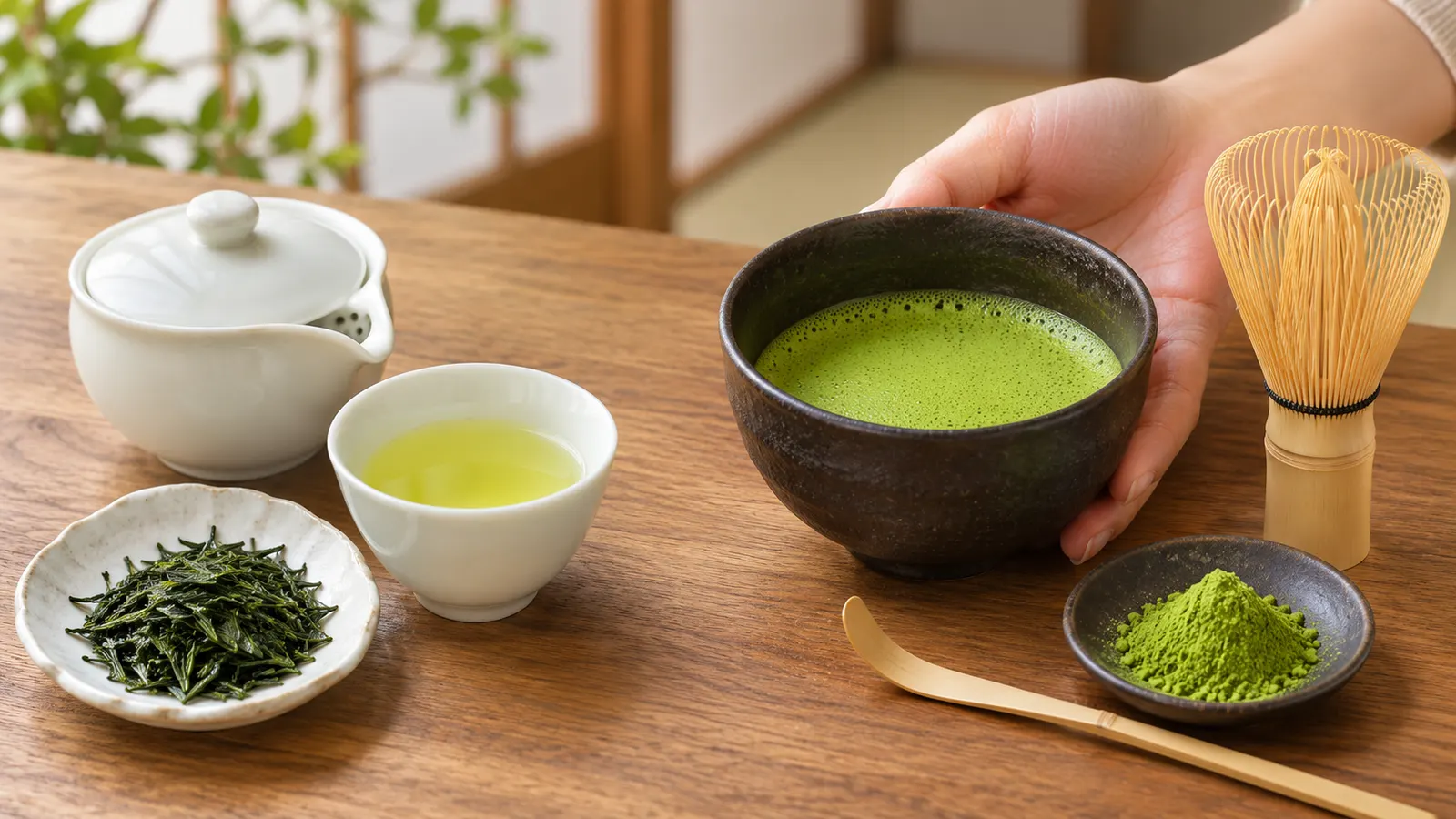
Gyokuro and matcha are both shade-grown Japanese teas. How the leaves are processed, brewed and tasted differs, plus which to try first in Tokyo.
Mochi Making or a Sushi Class in Tokyo?
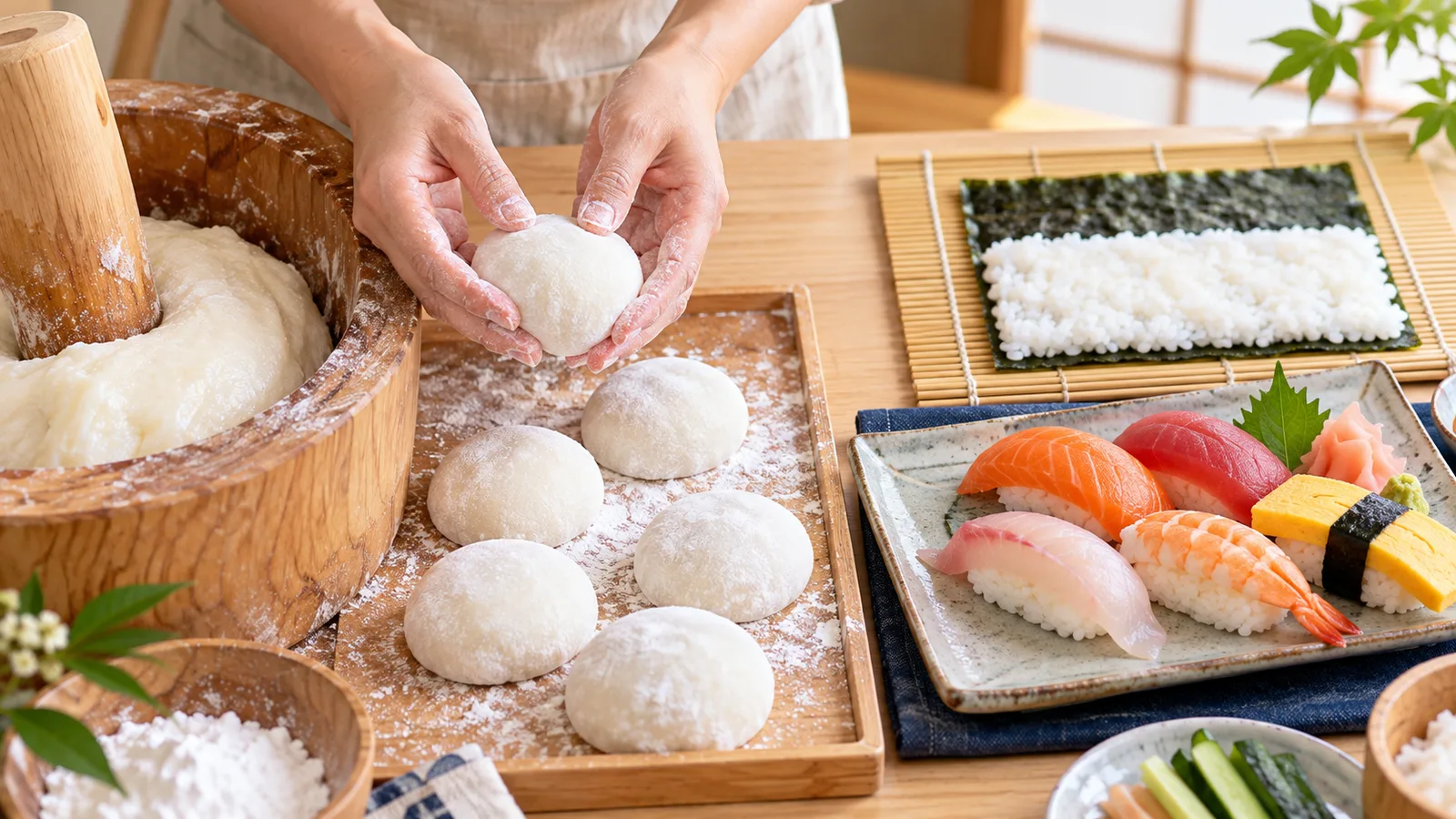
Pounding mochi or shaping sushi? Compare what you make, the rice, the season, safety and how each fits a Tokyo day before you book.
Premium Omakase or Sushi Class in Tokyo?
Private premium omakase or the shared sushi making class in Asakusa? Compare price, group size, ingredients and booking route before you choose.