What Is Uni? A Guide to Sea Urchin Sushi
Uni is one of those sushi toppings people either order at every chance or avoid because they are not sure what it is. It arrives as soft orange or yellow lobes on top of rice, it costs more than most toppings, and opinions about its taste range from "the sea in one bite" to "too strong for me".
This guide explains what uni actually is, what it tastes like, the main types you will see in Japan, and how to order and eat it so your first piece is a good one.
Popular in Tokyo right now — our most recommended experience

Tokyo Sushi Making Class : Sake Ceremony & Matcha Experience in Asakusa
What uni is
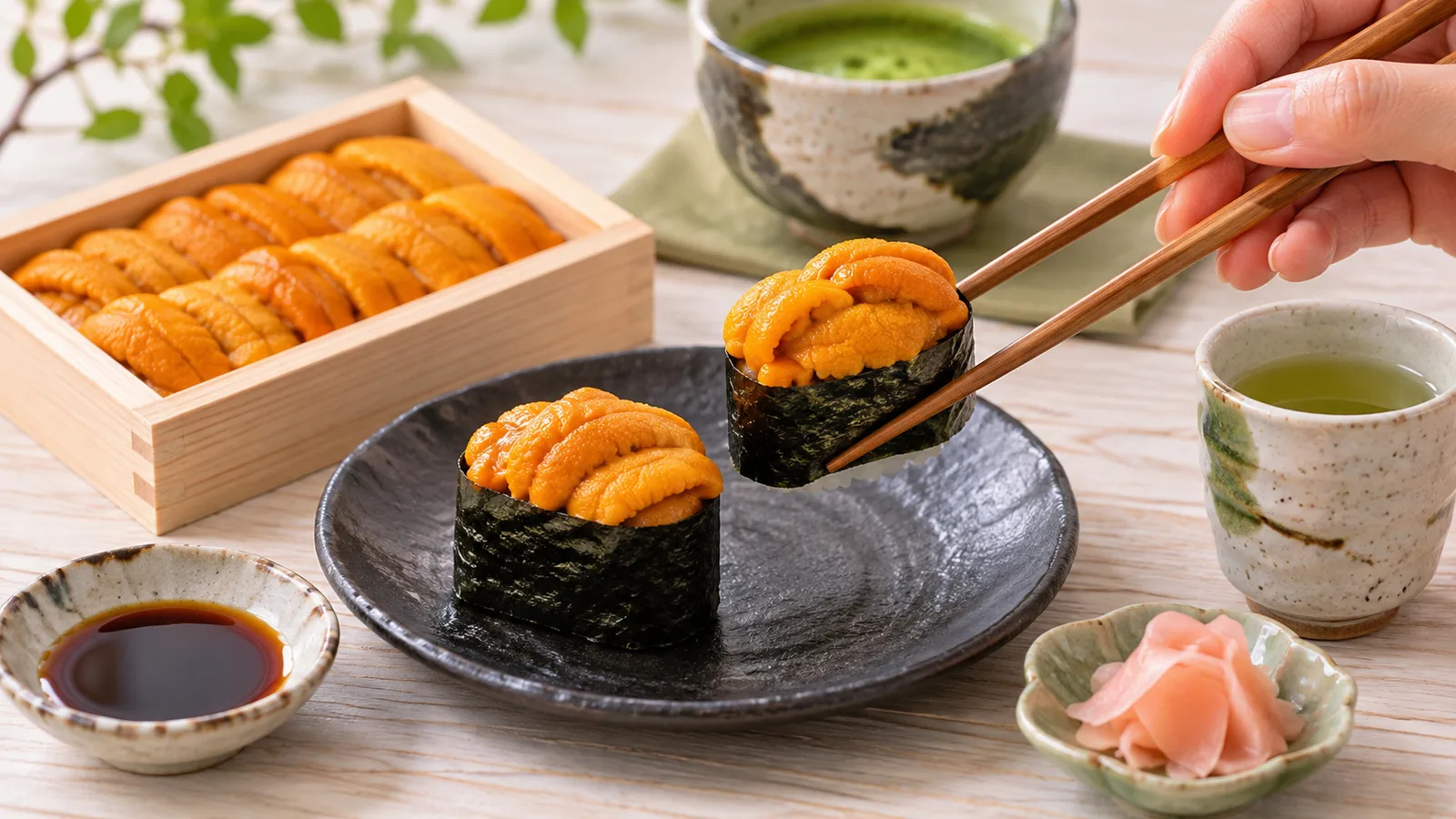
Uni (雲丹, also written ウニ) is the Japanese word for sea urchin, and on a sushi menu it means the edible part inside the shell. Each sea urchin contains five small, tongue-shaped lobes. They are the urchin's reproductive glands, the gonads. In English they are often called roe, but they are not loose eggs like salmon roe (ikura). They are soft, creamy pieces that hold their shape only when they are very fresh or carefully handled.
Because a single urchin yields only a small amount, and the lobes must be removed by hand without breaking, uni is labour-intensive to prepare. That is a large part of why it is priced as a premium topping.
What uni tastes like
Good uni tastes sweet, rich and briny at the same time. The texture is close to a thick custard or soft butter, and it melts on the tongue rather than needing to be chewed. The finish should be clean, with a light taste of the ocean.
Uni that tastes metallic, sour or harshly bitter is usually not at its best. Freshness, handling and the way it was packed all affect the flavour, which is why one disappointing piece somewhere does not mean you dislike uni in general.
The main types you will see in Japan
Several species of sea urchin are eaten in Japan. On menus and at markets, two names come up most often:
- Murasaki uni: the lobes are often a paler yellow, and the taste is usually described as lighter, cleaner and gently sweet. Many people find it an easy introduction.
- Bafun uni: often smaller lobes with a deeper orange colour and a richer, more intense flavour. It is often among the most expensive.
These are general tendencies. Colour and flavour also vary with the exact species, the origin and the handling.
Hokkaido is the best-known source in Japan, but uni comes from other parts of the country too, and imported uni is also common. Fishing seasons depend on the species and the area, and different regions open at different times, so the origin and price of uni can change through the year. Sushi counters that care about it will usually tell you where today's uni comes from if you ask.
Why some uni tastes bitter: the alum question
Fresh lobes are fragile. To keep them firm for transport and display, uni is often packed in neat rows in small wooden trays and treated with alum (myoban), a food additive that helps the pieces hold their shape. Packed well, tray uni can be excellent. Some people, though, notice a slight bitter or astringent edge, especially when uni has been packed for longer.
Another style is salt-water uni (ensui uni), kept in chilled salt water instead of being treated with alum. Some people find its flavour cleaner, although freshness, handling and personal taste matter as much. It is more delicate and usually more expensive. You do not need to know which style you are being served. If you want to compare, asking whether the uni is salt-water uni at a sushi counter is a perfectly normal question.
How uni is served
- Gunkan maki ("battleship" sushi): the most common form. A strip of nori is wrapped around a small ball of rice to make a wall, and the uni sits on top. Without that wall, the soft lobes would slide off.
- Nigiri without nori: some counters place very fresh uni directly on the rice, sometimes with a few grains of salt instead of soy sauce.
- Uni don: a bowl of rice covered with uni, popular in Hokkaido and at seafood markets.
- As an accent: a small amount on other dishes, or as part of a course in a high-end set menu.
If you are new to the other forms of sushi as well, our guide to the best fish for sushi explains what makes a topping work raw and why freshness matters so much.
How to eat uni sushi
Eat a piece of uni sushi in one bite if you can. It is delicate and tends to fall apart if you bite it in half.
Use very little soy sauce. Uni already tastes salty and rich, and soy sauce can overwhelm it. With gunkan maki, it is easier to tip the piece and touch only the edge of the nori to the soy sauce than to dip the rice or the uni. Many counters season uni before serving, so if the chef has already brushed it or added salt, eat it as it is.
Wasabi is optional. A small amount can lift the sweetness, but uni does not need much.
For a first taste, order a single piece rather than a full bowl. If you like it, try murasaki and bafun side by side, or ask the chef what is good that day.
Allergies and other cautions
Sea urchin is not a crustacean or a mollusc, but people with seafood allergies sometimes react to it as well. If you have a seafood allergy, ask your doctor and tell the restaurant before you order. Our guide to planning a sushi class with food allergies explains how to describe allergies so the right questions get asked. Uni is usually served raw. If you avoid raw seafood for medical, pregnancy-related or other reasons, follow the advice you have been given and tell the restaurant before ordering.
Trying uni with us in Asakusa
Our private premium omakase experience is the experience whose product page lists uni among its ingredients. The page names premium ingredients such as otoro, uni, seasonal fish and A5 wagyu, served in a private session for your group with sake pairing and matcha. Seasonal ingredients depend on sourcing and availability, so uni is not guaranteed on every date. If tasting uni is the main reason for booking, mention it in your inquiry before you plan the rest of your day. The experience is reserved through an inquiry rather than instant booking. Our comparison of premium omakase and a regular sushi-making class helps if you are deciding between the two.
Our signature sushi and matcha class is a 90-minute shared class in which you make nigiri and maki rolls with fresh ingredients, toast with sake and whisk your own matcha. It is a great introduction to the basics, but it does not promise uni as a topping. If uni is a must for you, choose the omakase, or order a piece at a sushi counter after your class.
Quick answers
Is uni fish eggs? Not exactly. It is the sea urchin's gonads, which are often called roe in English.
Is uni cooked? Usually it is served raw.
Why is uni expensive? Each urchin yields a small amount, the lobes are cleaned by hand, and they spoil quickly.
Can I ask for uni without soy sauce? Yes. Many people eat it with no soy sauce at all.
Related Articles
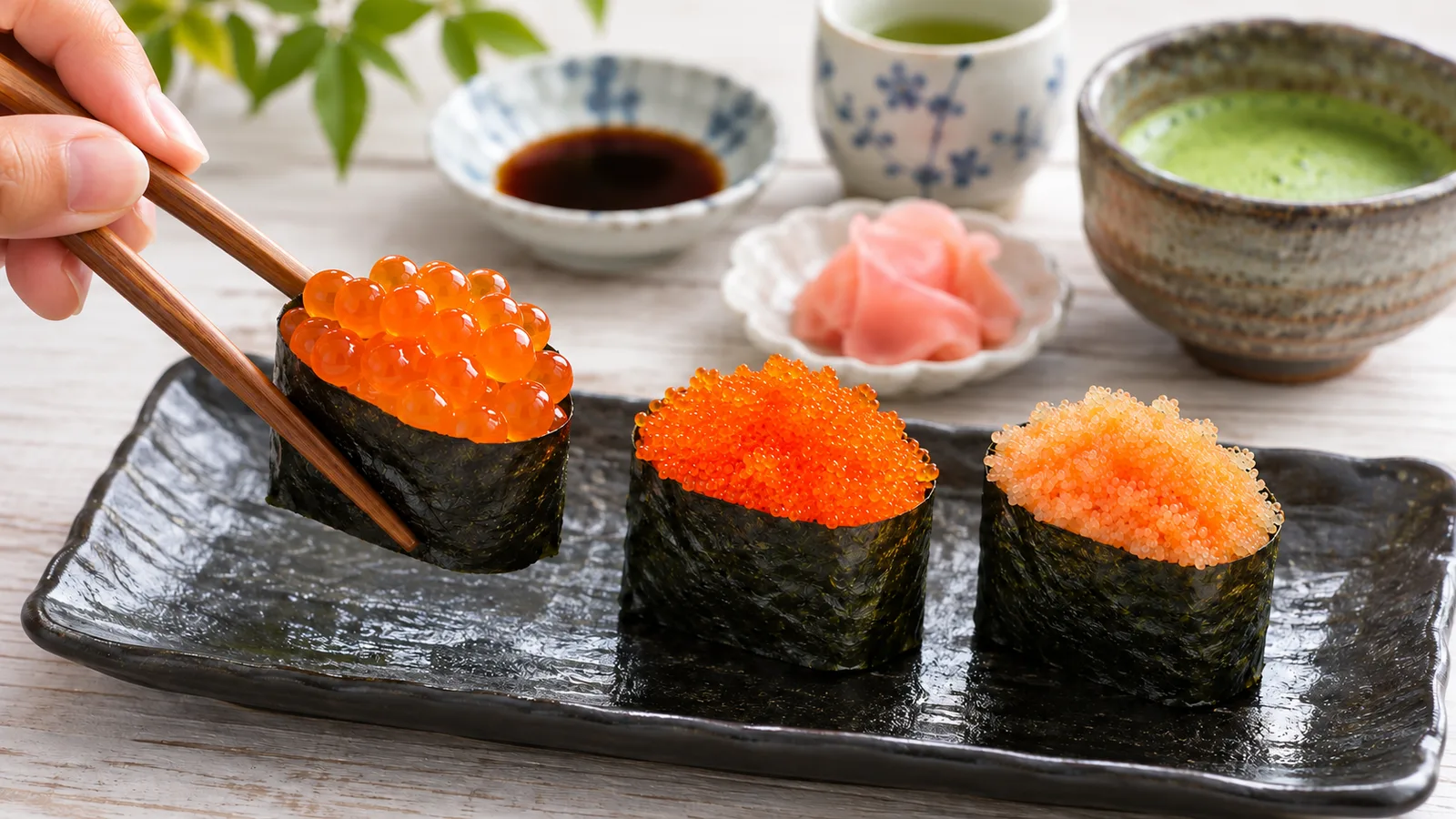
Ikura, Tobiko & Masago: Fish Roe Sushi Guide
Ikura, tobiko, masago, mentaiko and kazunoko explained: which fish each roe comes from, how they taste, how to tell them apart and how to eat roe sushi.
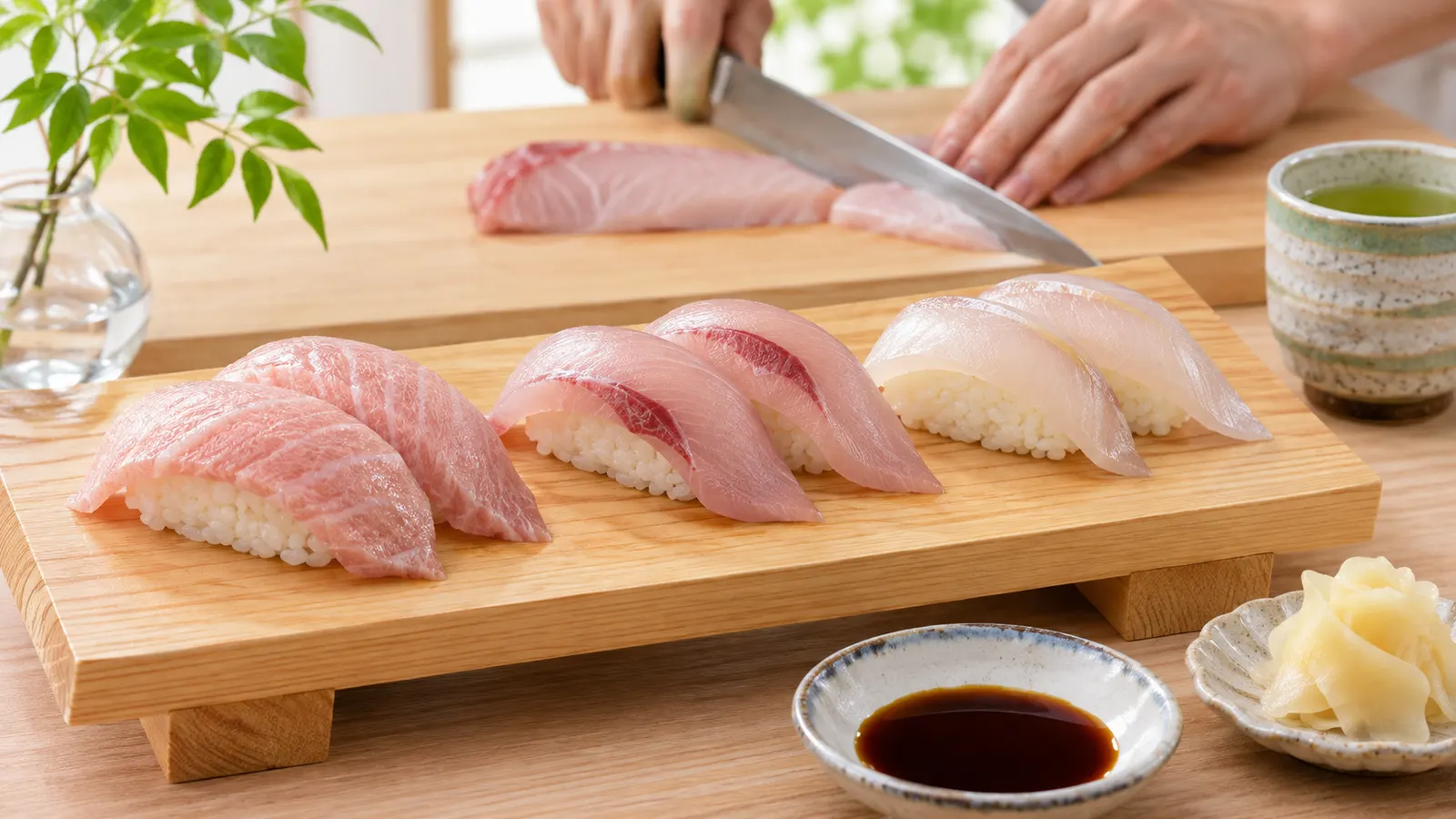
Hamachi, Buri or Kanpachi? Yellowtail Sushi
Hamachi, buri, kanpachi and hiramasa all appear as yellowtail on sushi menus. What each name means, how they taste and when to order them in Japan.
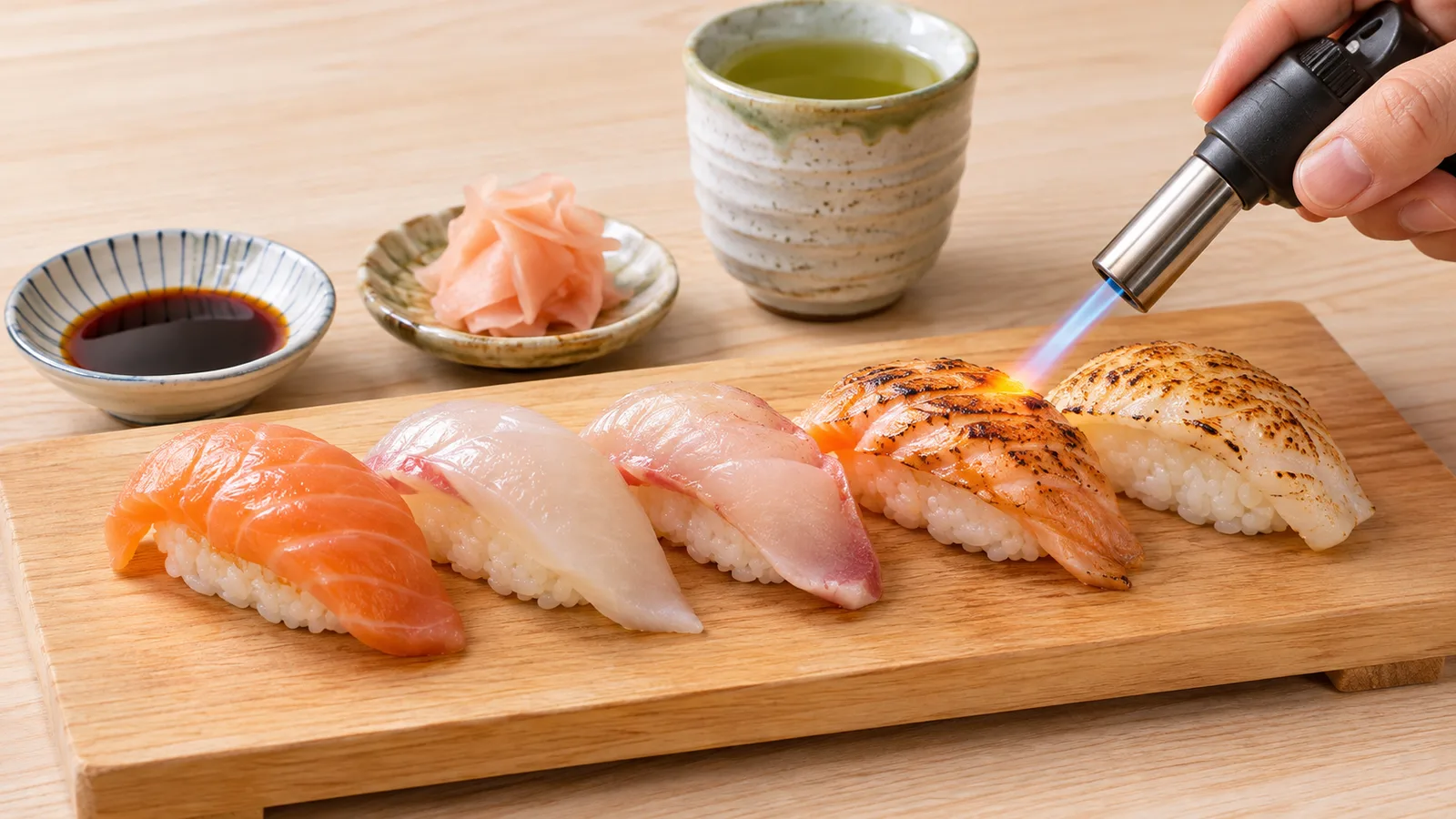
What Is Aburi Sushi? Seared vs Raw Nigiri
Aburi means flame-seared. Learn how aburi nigiri differs from raw nigiri, which toppings suit it, why it is not fully cooked, and what to order in Tokyo.