Futomaki: Japan's Thick Sushi Roll Explained
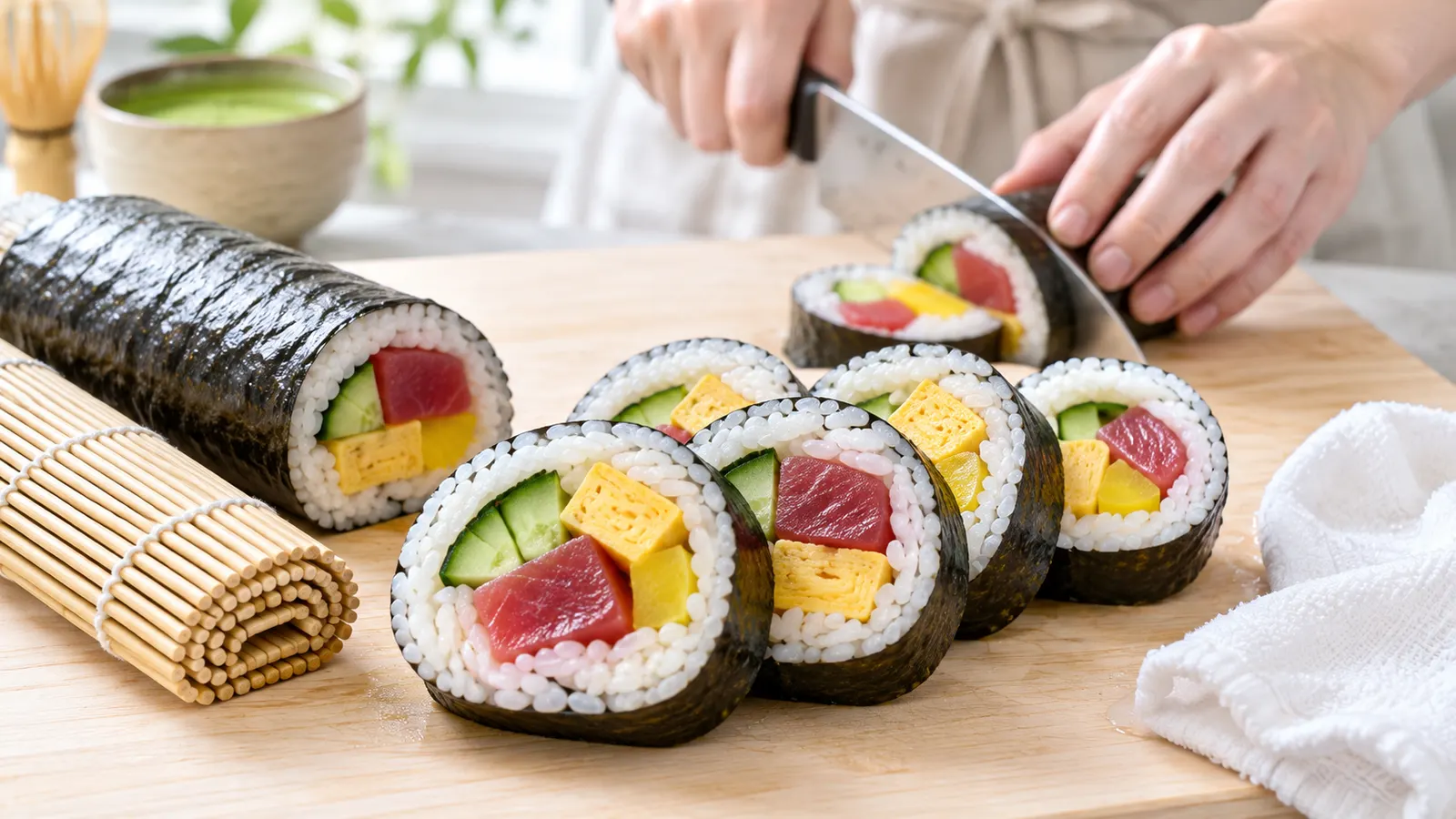
Cut a good futomaki and the slice looks like a small mosaic: a ring of black nori, a band of white rice and, in the middle, four or five colours packed tightly together. Futo means thick and maki means roll, so the name simply describes what it is. It is also the roll you make yourself in our sushi class, so it is worth knowing what makes one Japanese and what makes one hold together.
This guide covers what futomaki is, the fillings you will see in Japan, how it differs from other rolls, where you are likely to meet it on your trip and the techniques that keep a thick roll tight.
Popular in Tokyo right now — our most recommended experience
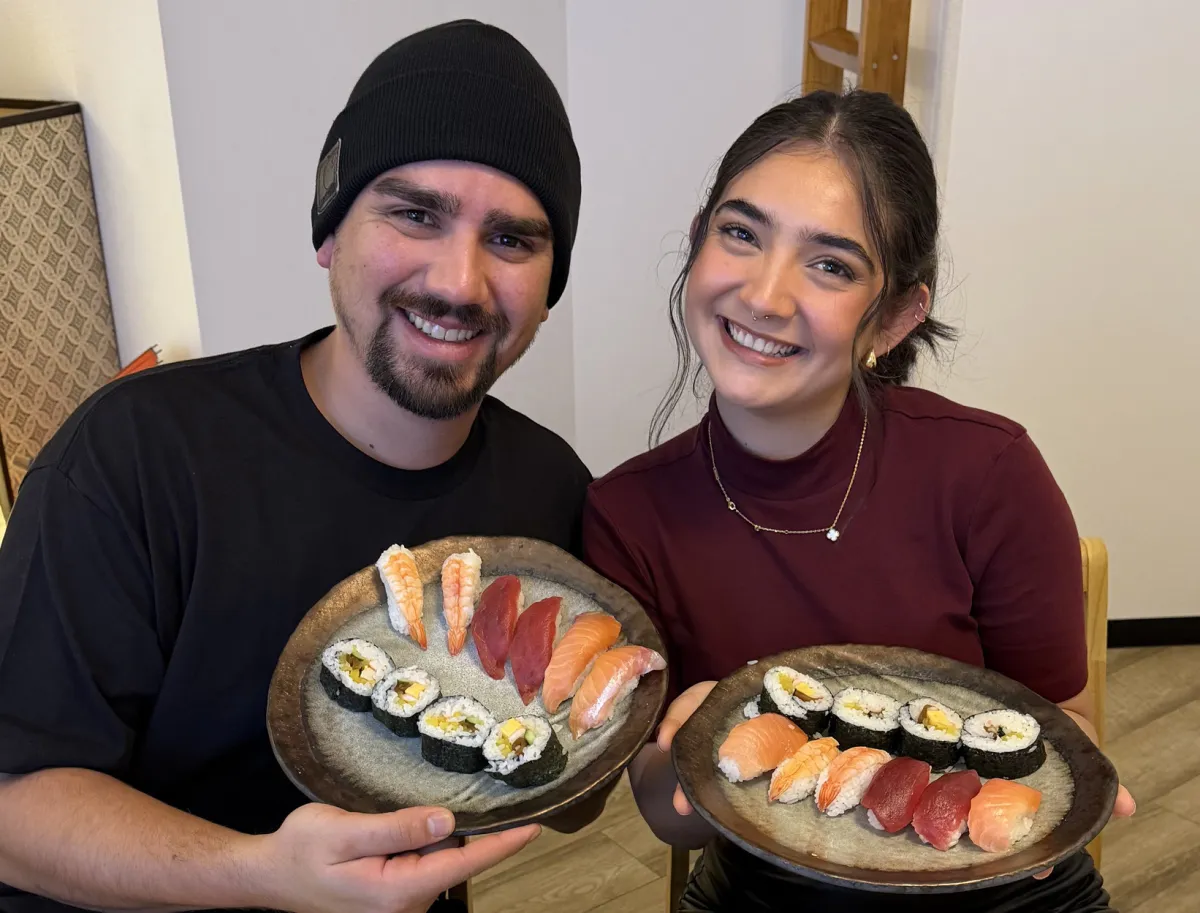
Tokyo Sushi Making Class : Sake Ceremony & Matcha Experience in Asakusa
What makes a roll a futomaki
A futomaki is rolled in a full sheet of nori, with the seaweed on the outside and several fillings in the centre. Thin rolls (hosomaki) use a half sheet and usually hold one filling, such as tuna or cucumber. Our nori guide explains how the sheet size changes the roll.
Because there is more rice and more filling, a futomaki is cut into thicker slices, and each one is a full mouthful. The point is the balance of flavours and textures in a single bite: something sweet, something salty, something crunchy and something soft.
Futomaki, hosomaki and uramaki
| Roll | Nori | Fillings | Where you see it |
|---|---|---|---|
| Hosomaki | Half sheet, outside | Usually one | Sushi counters, conveyor-belt sushi |
| Futomaki | Full sheet, outside | Several | Homes, supermarkets, celebrations, Setsubun |
| Uramaki | Inside, rice outside | Varies | Mostly outside Japan; the California roll is the best-known example |
The California roll is an inside-out roll (uramaki) that became popular abroad. In Japan you can find it, but the thick roll Japanese people grew up with has the nori on the outside. Our guide to sushi in Japan and abroad looks at those differences more broadly, and our overview of types of sushi puts futomaki alongside nigiri, gunkan and temaki.
What goes inside
There is no single official recipe. Home-style futomaki in Japan often combines:
- Kanpyo – strips of dried gourd simmered until sweet and savoury. Our guide to vegetable sushi rolls explains it in more detail.
- Simmered shiitake – soft, rich and slightly sweet.
- Tamagoyaki – sweet rolled omelette, also served as nigiri. See our tamago guide.
- Cucumber – for crunch and freshness.
- Sakura denbu – sweet, pink seasoned fish flakes that add colour.
Many rolls also include seafood such as tuna, shrimp or eel, and regional versions vary. The point is the mix rather than any one ingredient.
Where you meet futomaki in Japan
At a traditional Tokyo sushi counter, most of the meal is nigiri, and the rolls are usually thin. You are more likely to meet futomaki in other places:
- Supermarkets and department-store food halls, sold whole or in slices.
- Setsubun, the festival on the eve of spring in early February. Many people eat a whole uncut thick roll called ehomaki while facing the year's lucky direction. The custom is usually traced to merchants in Osaka and spread nationwide only from the late 20th century.
- Chiba's decorated rolls. In Chiba Prefecture, just east of Tokyo, futomaki matsuri-zushi is a local dish in which coloured rice and fillings form a picture, such as a flower, when the roll is cut. Japan's Ministry of Agriculture traces the tradition back to around the Kansei era (1789–1801) and lists it as a dish for festivals and celebrations.
How to roll a futomaki tight
A loose futomaki falls apart when you slice it. These are the points that make the biggest difference:
- Spread the rice evenly and thinly. Leave a strip of bare nori along the far edge so the roll can seal. Pressing the rice too hard makes it dense.
- Place the fillings in a line just in front of the centre. Keep them packed together so there are no gaps in the cross-section.
- Roll in one movement. Lift the near edge of the bamboo mat (makisu), bring it over the fillings so the nori meets the far side of the rice, then press gently along the whole length to firm the shape.
- Rest, then slice with a wet knife. Wipe the blade between cuts and slice with a long, gentle stroke rather than pressing down.
It feels awkward the first time, mainly because the roll is bigger than you expect. The mat does most of the work once you trust it.
How to eat it
Futomaki slices are eaten with chopsticks or by hand, one slice at a time. If you use soy sauce, touch only a corner lightly, because the rice soaks it up quickly. A whole futomaki is generous, so it is often shared.
Making futomaki in our class
In our signature sushi and matcha class in Asakusa, you roll a futomaki with all four fillings at once: tuna, cucumber, tamagoyaki and takuan (pickled daikon radish). You learn to roll it tight with a bamboo mat, shape nigiri with akami and chutoro tuna, salmon and shrimp, toast with sake and finish by whisking your own matcha. The class lasts 90 minutes, instructions are in English and you eat everything you make.
If you eat a plant-based diet, the vegan sushi workshop follows the same format with a 100% plant-based menu that changes with the season.
FAQ
Is futomaki the same as a California roll? No. A California roll is an inside-out roll with the rice on the outside. A futomaki has the nori on the outside and is the traditional Japanese thick roll.
Does futomaki always contain raw fish? No. Many home-style rolls use only cooked or vegetable fillings, such as kanpyo, shiitake, omelette and cucumber.
Is it hard for beginners? It takes a little practice, but the steps are simple. Most of the skill is in spreading the rice evenly and rolling with steady pressure.
Roll one yourself
Reading about a cross-section is one thing; cutting your own roll and seeing the pattern is another. Book the signature class and roll a futomaki in Asakusa, with an instructor beside you for the first try.
Related Articles
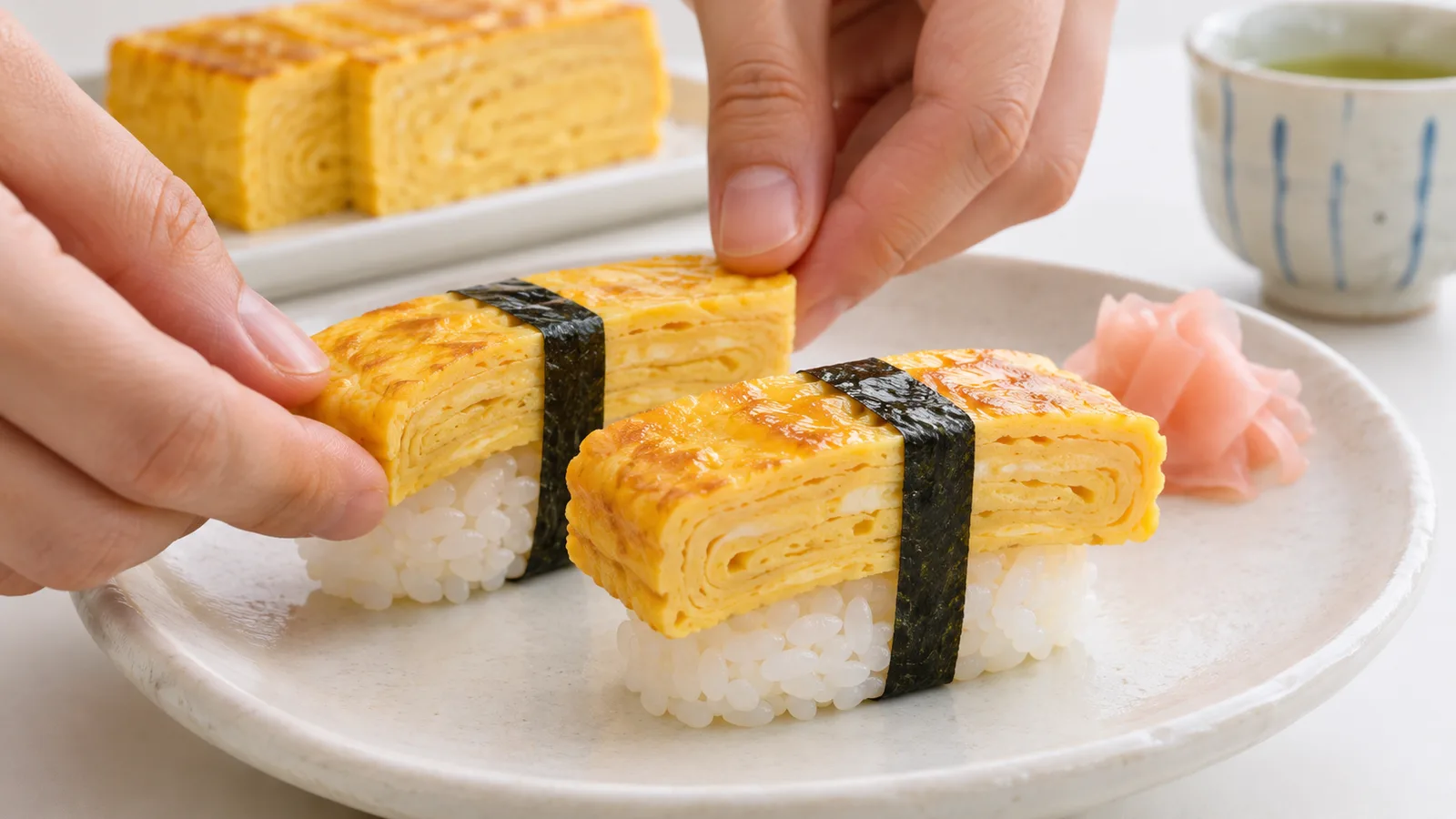
What Is Tamago Sushi? Sweet Egg Explained
Tamago is the sweet, layered omelette on sushi rice. What it is made of, how it is cooked, how to eat it, and what to know if you avoid raw fish or eggs.
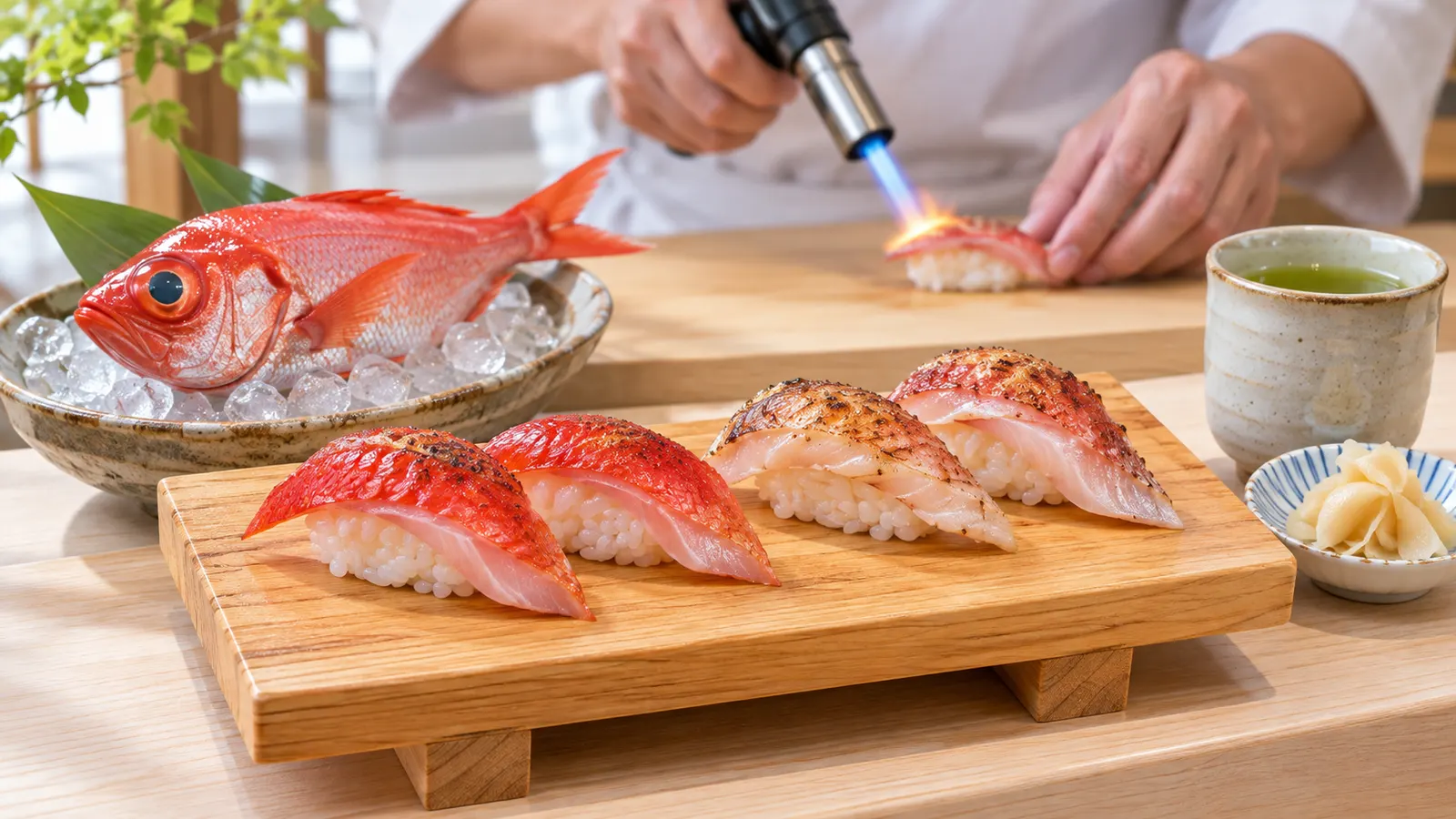
Kinmedai vs Nodoguro: Red Fish on Sushi
Kinmedai and nodoguro are prized red-skinned fish at Japanese sushi counters. How they differ, where they come from and how chefs serve them.
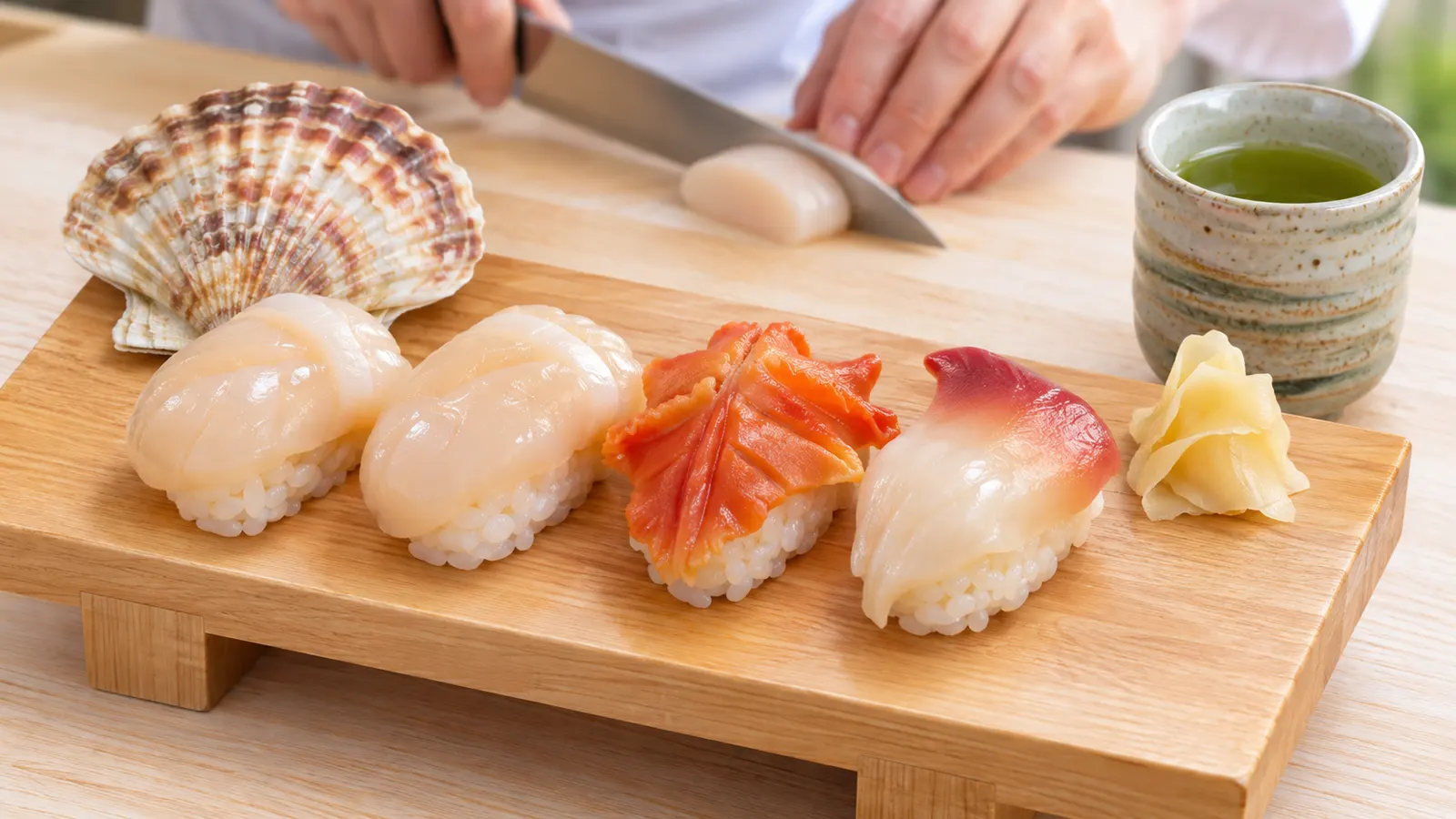
Hotate, Akagai, Hokkigai: Shellfish Sushi
Scallop, ark shell and surf clam are the shellfish you meet most at sushi counters in Japan. How they differ, when they are best and what to say on allergies.