Types of Sushi: Nigiri, Maki, Temaki & More
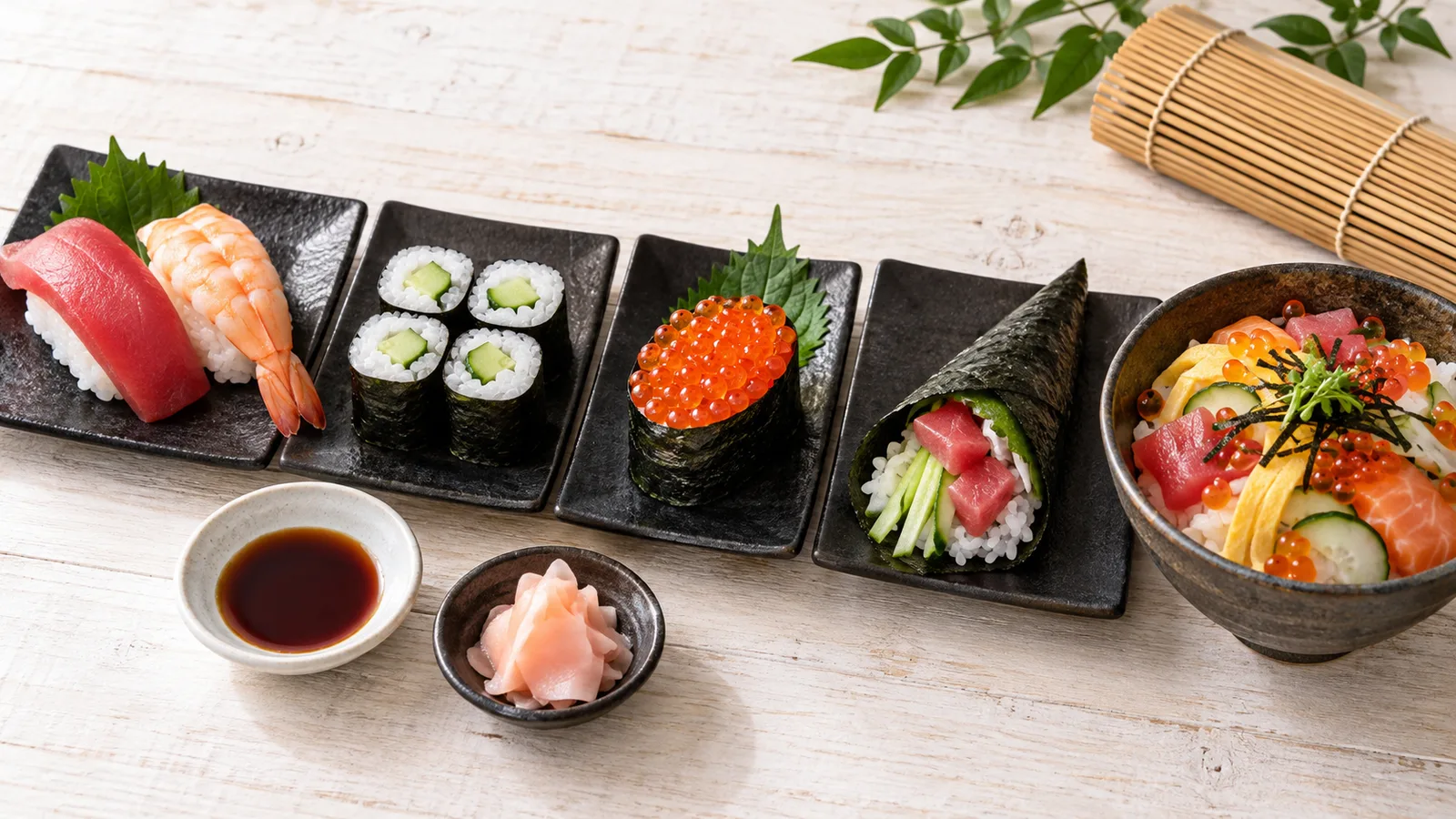
Look at a sushi menu in Japan and you will see far more than "sushi rolls". There are hand-pressed pieces, rolls of several thicknesses, little nori "boats", cones you hold in your hand, bowls, tofu pockets and pressed blocks. They all share one thing, vinegared rice, but they are shaped, served and eaten in different ways.
This guide explains the main types you are likely to meet in Tokyo, how to tell them apart, and which ones you actually shape yourself in a sushi class.
Popular in Tokyo right now — our most recommended experience
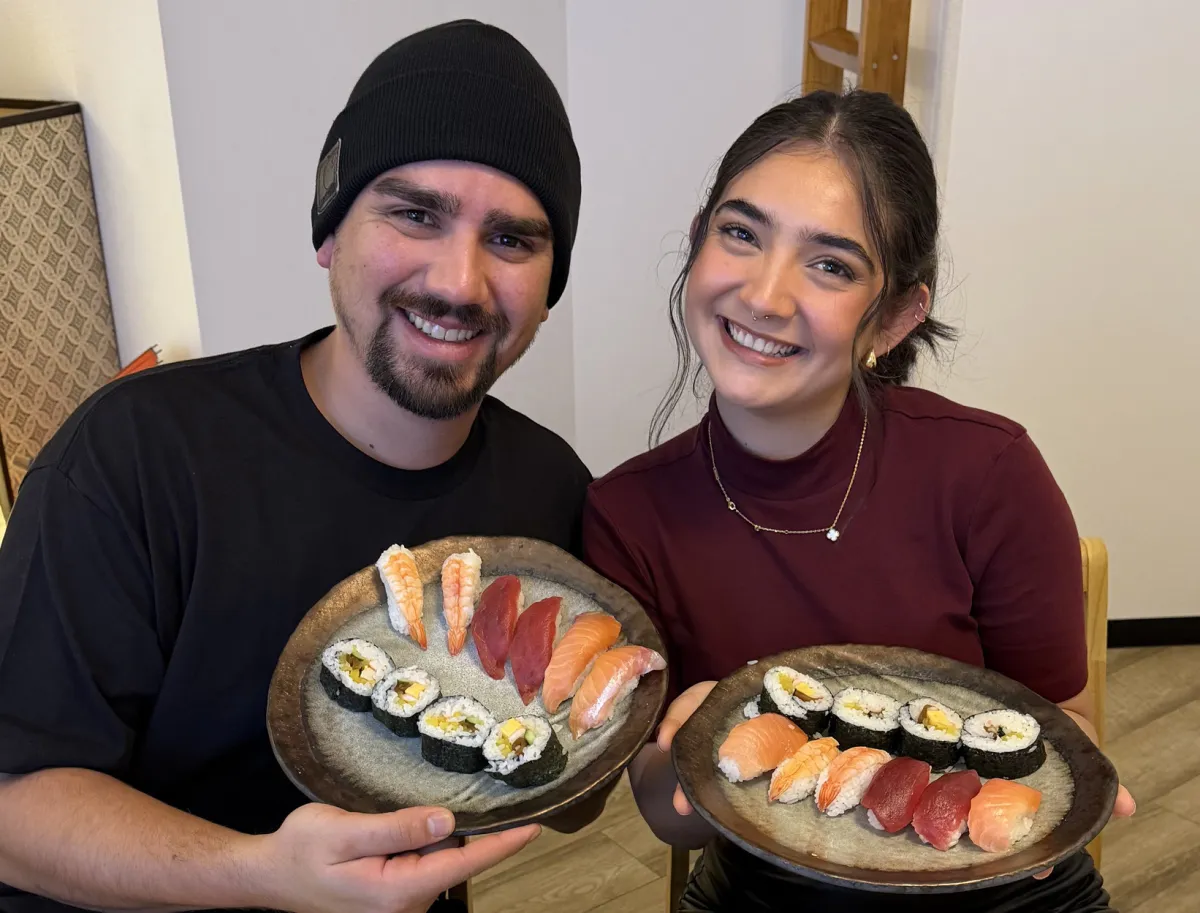
Tokyo Sushi Making Class : Sake Ceremony & Matcha Experience in Asakusa
The one thing every type has in common
Every kind of sushi starts with shari, rice seasoned with vinegar, salt and sugar. The topping or filling is called neta. What changes from type to type is how the rice and neta are put together: pressed by hand, rolled in nori, wrapped, scattered or packed into a mould.
If you want to understand why the rice matters so much, our guide to shari, the vinegared rice goes into the seasoning and texture in detail.
Nigiri: the hand-pressed piece
Nigirizushi is the style most people picture first. Japan's national tourism organisation describes it as a hand-moulded mound of rice with the topping draped over it. It developed in Edo, the old name for Tokyo, which is why nigiri is closely linked with Edomae sushi.
What to look for:
- Shape: a small, oval mound of rice with a slice of fish, shellfish or omelette on top.
- How it is eaten: usually in one bite, by hand or with chopsticks. If you dip it, tip it so the topping, not the rice, touches the soy sauce.
- Typical toppings: tuna, salmon, white fish, shrimp, squid, tamagoyaki (sweet omelette).
Nigiri looks simple, but the shaping is the hardest part. The rice should hold together on the way to your mouth and then fall apart gently.
Maki: rolled sushi
Makizushi is sushi rolled in a sheet of nori with a bamboo mat. The tourism organisation's guide describes the filling being placed on rice and rolled tightly into its distinctive shape before slicing. You will see a few sizes:
- Hosomaki (thin roll): one filling, such as cucumber (kappa maki) or tuna (tekka maki). Small, neat slices.
- Futomaki (thick roll): several fillings at once, often including omelette, cucumber and pickles, so each slice shows a colourful cross-section.
- Uramaki (inside-out roll): rice on the outside and nori inside. The California roll is the best-known example. You will find uramaki in Japan, but it is far more common abroad than at traditional sushi shops.
Maki is a good type to try making because the steps are visible: spread the rice, lay the fillings, then roll and press with the mat.
Gunkan: the "battleship"
Gunkanmaki means "battleship roll". A strip of nori is wrapped around a small oval of rice so it stands up like a wall, and soft or loose toppings are spooned on top. Without that nori wall, toppings such as salmon roe (ikura), sea urchin (uni), chopped tuna with spring onion (negitoro) or small fish would slide off.
Gunkan is eaten in one bite like nigiri. Because the topping sits on top, it is easier to drizzle a little soy sauce over it, or to dip a slice of pickled ginger and brush it on, than to turn it upside down.
Temaki: the hand roll
Temakizushi is rolled by hand rather than with a mat. The tourism guide describes nori wrapped into a cone, closed at one end with the filling at the open end. It is meant to be eaten straight away, while the nori is still crisp, and held in your hand rather than picked up with chopsticks.
Temaki is also a popular home party food in Japan: everyone takes a sheet of nori, adds rice and fillings, and rolls their own at the table.
Chirashi: sushi in a bowl
Chirashizushi means "scattered sushi". Toppings are arranged over a bowl of sushi rice instead of being shaped or rolled. Some versions use slices of raw fish; home-style versions often mix cooked vegetables, egg and other ingredients into the rice. Chirashi is eaten with chopsticks, and you put a little soy sauce on the topping rather than pouring it over the rice.
Inari: rice in a tofu pocket
Inarizushi is sushi rice stuffed into a pouch of sweet-savoury fried tofu (aburaage), often sold in bento and supermarkets. Plain versions usually have no raw-fish topping, but fillings and seasonings vary. If you avoid fish altogether, check the ingredients, including the stock used to season the tofu.
Oshizushi: pressed sushi
Oshizushi is pressed in a box or mould. The Ministry of Agriculture's regional cuisine guide describes Osaka's hakozushi as rice and toppings layered and pressed firmly in a box, then cut into neat pieces. Pressed sushi is more associated with western Japan than with Tokyo-style nigiri, so you are more likely to find it in Osaka or at station bento counters.
Quick comparison
| Type | How it is shaped | How you usually eat it |
|---|---|---|
| Nigiri | Rice pressed by hand, topping on top | One bite, hand or chopsticks |
| Hosomaki / Futomaki | Rolled in nori with a bamboo mat, sliced | Chopsticks or hand, one slice at a time |
| Gunkan | Nori wall around rice, soft topping on top | One bite, keep it upright |
| Temaki | Nori cone rolled by hand | By hand, straight away |
| Chirashi | Toppings scattered over a bowl of rice | Chopsticks |
| Inari | Rice inside fried tofu | Hand or chopsticks |
| Oshizushi | Pressed in a box and cut | Chopsticks or hand |
For the manners side of eating these at a counter, see our sushi etiquette guide for first-timers.
Which types you make in our class
Our signature sushi and matcha class focuses on the two types that teach the core hand skills: nigiri and maki. You learn to shape nigiri by hand and top it with fish such as tuna, salmon and shrimp, and you roll a futomaki with fillings such as tuna, cucumber, tamagoyaki and pickled radish using a bamboo mat. You then eat what you made and finish by whisking your own matcha. The class lasts about 90 minutes.
Nigiri and maki share useful rice- and nori-handling skills with gunkan and temaki, while chirashi, inari and oshizushi use different methods. Our article on the skills beginners learn in a sushi class explains what the instructors focus on, and our guide to the best fish for sushi covers toppings if you want to try at home afterwards.
If you do not eat fish, the vegan sushi workshop runs in the same session with plant-based nigiri and maki.
Ready to make your own?
Reading about sushi types helps you order with confidence; shaping nigiri and rolling maki yourself is what makes the differences stick. Check the dates and book the sushi and matcha class in Asakusa.
Related Articles
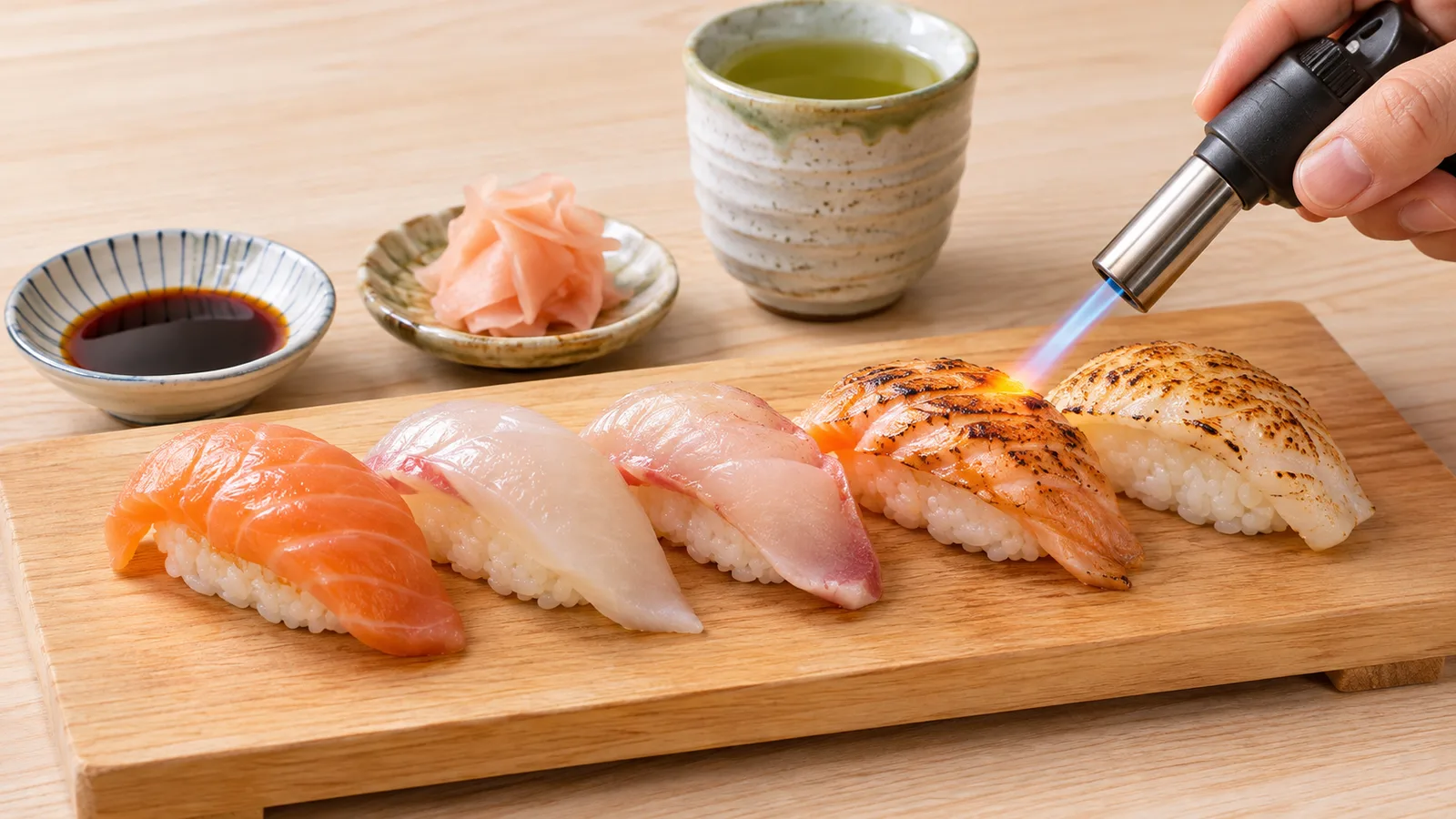
What Is Aburi Sushi? Seared vs Raw Nigiri
Aburi means flame-seared. Learn how aburi nigiri differs from raw nigiri, which toppings suit it, why it is not fully cooked, and what to order in Tokyo.
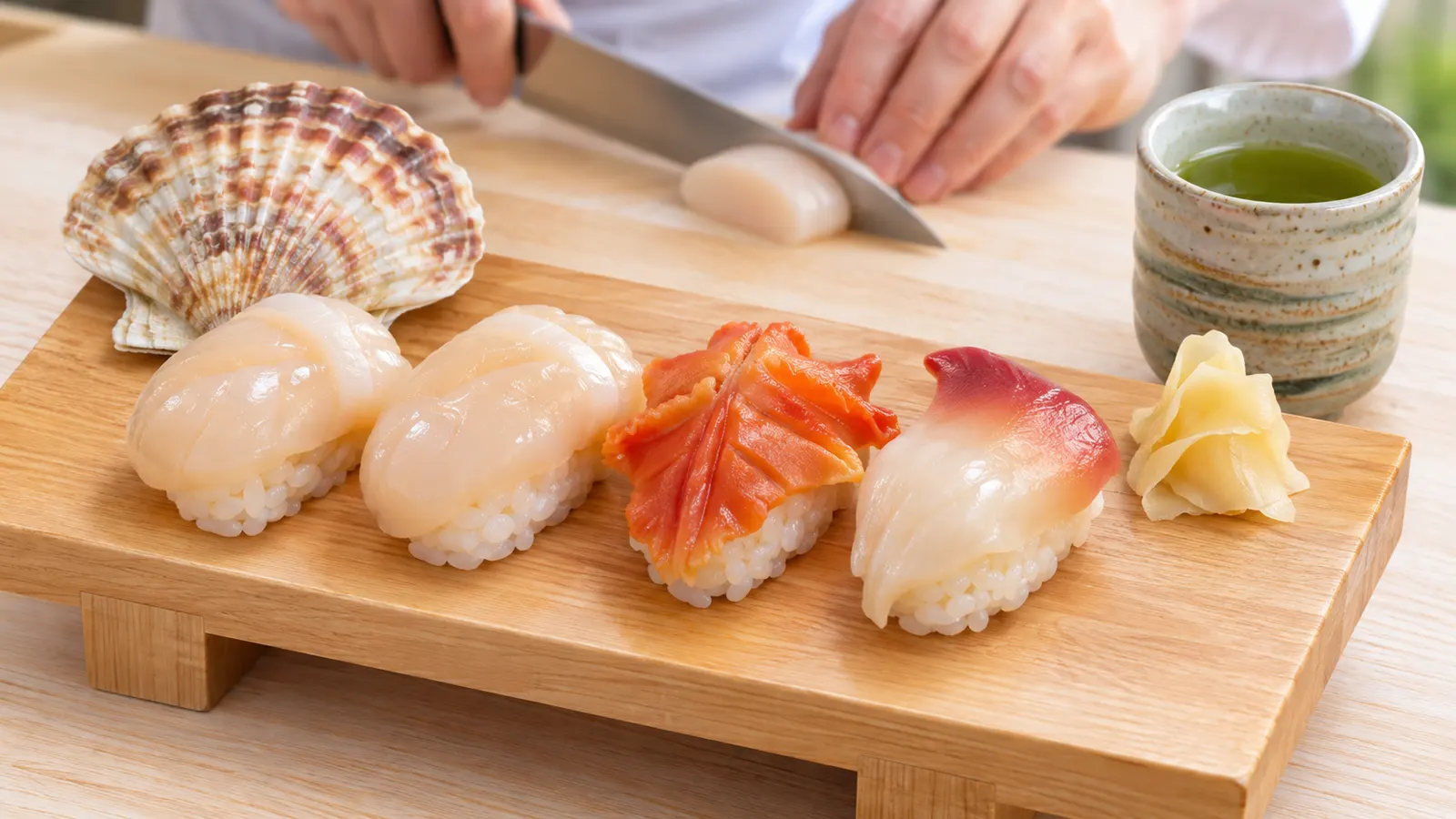
Hotate, Akagai, Hokkigai: Shellfish Sushi
Scallop, ark shell and surf clam are the shellfish you meet most at sushi counters in Japan. How they differ, when they are best and what to say on allergies.
Hirame vs Karei: Flounder Sushi and Engawa
Hirame and karei are both flounder, but they differ in season, taste and price. How to tell them apart, what engawa is and how to order.