Nihonbashi and a Sushi Class in One Day
Nihonbashi is easy to overlook. It sits between Tokyo Station and the river, without a famous temple or tower, and many visitors pass under it on the subway without getting off. Yet for anyone interested in sushi, it is one of the most meaningful places in the city. For around three centuries, Edo's main fish market stood beside the Nihonbashi bridge, and the fish landed there helped shape the style of sushi Tokyo is known for.
That history makes Nihonbashi a natural partner for a hands-on class. This guide covers what to see, the direct routes to Asakusa and two simple ways to combine the area with our 90-minute sushi and matcha class.
Popular in Tokyo right now — our most recommended experience
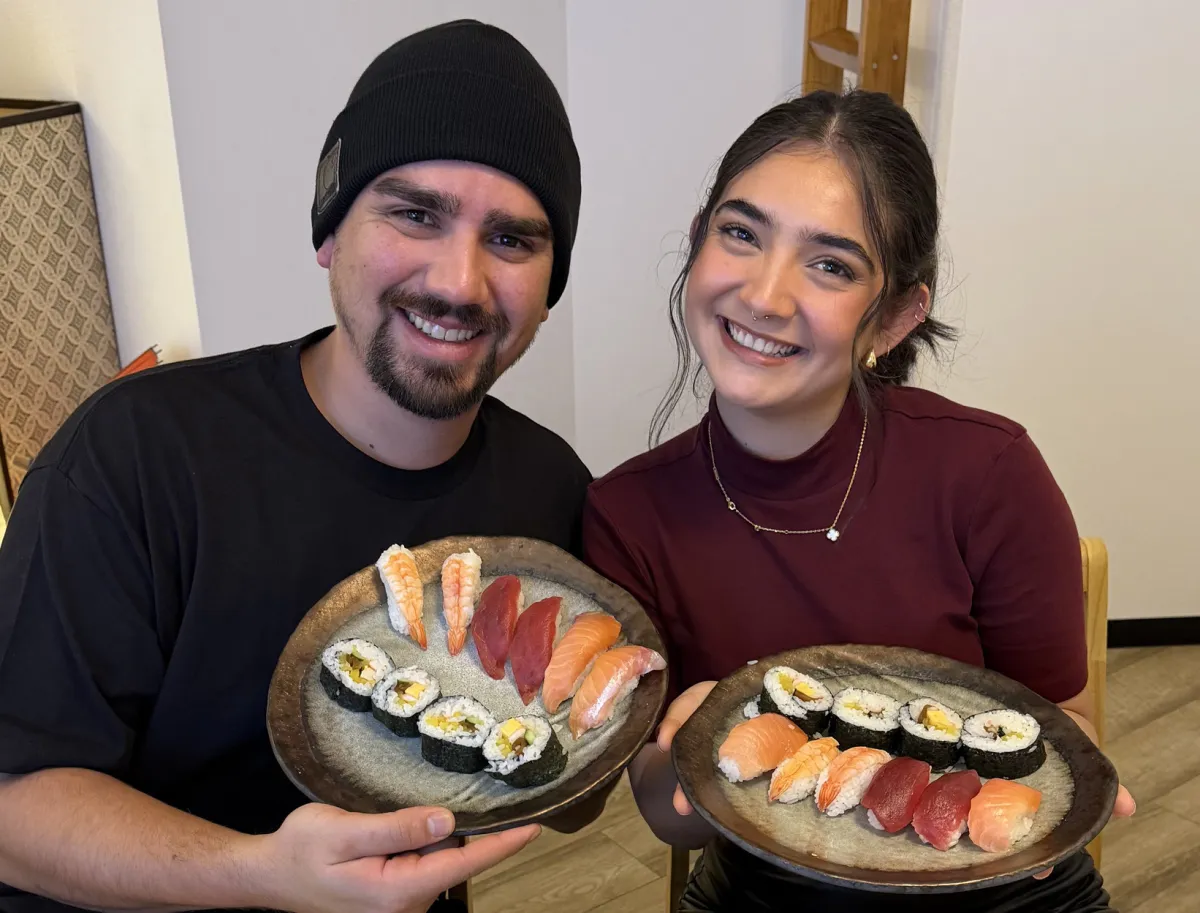
Tokyo Sushi Making Class : Sake Ceremony & Matcha Experience in Asakusa
What to see in Nihonbashi
Most of the sights sit within a short walk of each other.
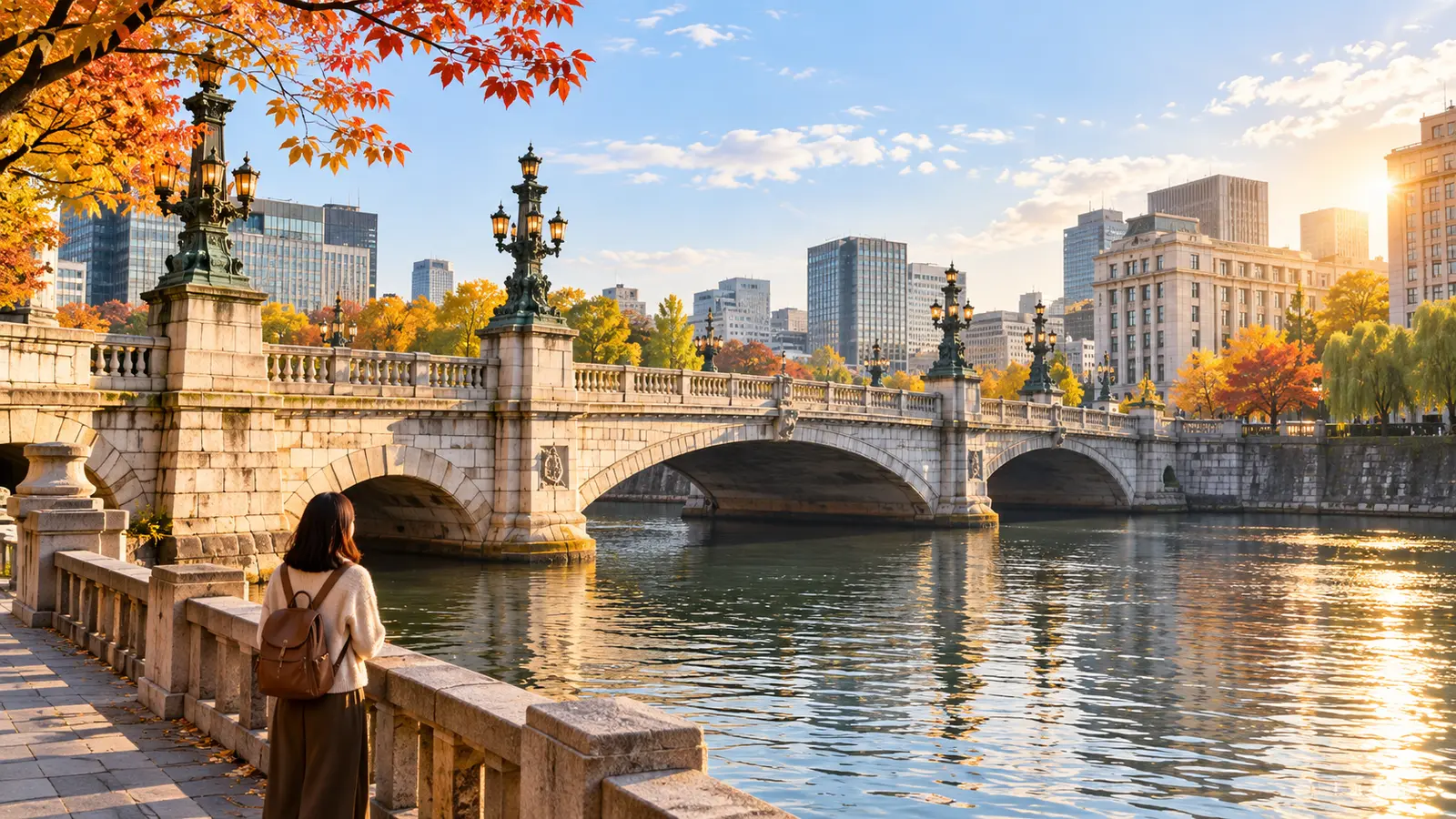
- The Nihonbashi bridge: the current stone bridge, with two arches and bronze lions and kirin on its lamp posts, was completed in 1911 and is designated an Important Cultural Property of Japan. It was also the starting point of the main roads out of Edo, and distances to Tokyo are still measured from here; a marker shows the zero point. An elevated expressway currently runs above the bridge, so expect concrete overhead in your photos.
- The fish market site: from the early 1600s until the Great Kanto Earthquake of 1923, Nihonbashi's riverside was lined with fish wholesalers. After the earthquake, the market moved to Tsukiji. A memorial near the north end of the bridge marks where it once stood.
- Department stores: Mitsukoshi's Nihonbashi main store traces its history to a kimono shop founded in 1673, and Takashimaya's Nihonbashi store occupies another historic building nearby. Both have large food halls in the basement.
- Old specialist shops: the streets around Muromachi and the bridge still have shops selling katsuobushi (dried bonito), nori, tea and kitchen knives, several of which date back to the Edo period. They are good places to buy ingredients connected to what you make in class.
Short river cruises also leave from a pier beside the bridge; check the operators' current schedules if you want to see the area from the water.
A relaxed walk covering the bridge, the market memorial and one department store takes around two to three hours.
Why it fits a sushi day
Nigiri sushi as we know it took shape in Edo in the early nineteenth century, as a fast food made with fish from Tokyo Bay. Standing at the old market site before or after a class gives that history a real place. Our article on the origins of Edomae sushi tells the story in more detail.
If you are deciding between a market visit and a class, note that the wholesale market itself is no longer in Nihonbashi or in Tsukiji's inner market. Our comparison of Tsukiji Market or a sushi class explains what each experience offers today.
Getting between Nihonbashi and Asakusa
Two subway lines link the areas directly, without a change.
- Toei Asakusa Line: from Nihombashi Station to Asakusa takes about 10 minutes. At Asakusa, Exit A5 is about a five-minute walk from our studio.
- Tokyo Metro Ginza Line: from Mitsukoshimae Station, next to the Mitsukoshi store, to Asakusa takes around 15 minutes. Exit 7 at Asakusa is about two minutes on foot from the studio.
The station names use the spelling "Nihombashi", while the area is usually written "Nihonbashi". Our directions from Asakusa Station show the approach from each exit.
Door to door, allow 30 to 40 minutes between the bridge and the studio, including walking underground and waiting for a train.
Check the clock first
Two fixed points shape the day:
- Shop hours: department stores and many specialist shops in Nihonbashi open in the mid-morning, around 10:00 or later, and some smaller shops close on certain days. Check the hours of any shop you particularly want to visit.
- The class start time: we ask guests to arrive 10 minutes early to store belongings and wash hands. Our guide to how long a sushi class takes in your day explains how to plan the full time block.
The bridge and the market memorial are outdoors and can be seen at any time, so they work well early in the morning before the shops open.
Plan A: Nihonbashi in the morning, sushi for lunch
- Early morning: walk across the bridge and find the zero marker and the market memorial while the streets are quiet.
- Mid-morning: browse a department store food hall or a specialist shop as they open.
- Late morning: take the Toei Asakusa Line or Ginza Line to Asakusa and join a midday class. You eat what you make, so this replaces lunch.
- Afternoon: Senso-ji and Nakamise Street are a short walk from the studio.
Skip a big breakfast; the class is a full meal. Our guide to planning meals around a sushi class explains how hungry to arrive.
Plan B: sushi first, Nihonbashi in the afternoon
- Morning: Senso-ji while it is calm, then the sushi class.
- Afternoon: take the subway to Nihonbashi and see the bridge and the market memorial.
- Late afternoon: shop for nori, tea or katsuobushi to recreate what you made, or pick up edible souvenirs in a food hall.
- Evening: walk on to Tokyo Station, or continue to Ginza, which is a few stops further on the Ginza Line. Our Ginza and sushi class guide covers that area.
This order suits anyone staying near Tokyo Station, since the day finishes close to your hotel.
Small things that make the day easier
- An IC card: Suica or PASMO covers both subway lines.
- Knife shopping: if you want a Japanese kitchen knife, Nihonbashi has long-established knife shops, and Kappabashi near Asakusa is another option; see our Kappabashi and sushi class guide.
- Dietary needs: mention them when you book. A plant-based vegan sushi class runs in the same 90-minute format.
- Weather: department stores and underground passages keep much of Nihonbashi dry, and the class is indoors.
Book the fixed point first
Nihonbashi is flexible; the class time is not. Choose your date, check live sessions on the signature class page, then build the bridge, the market memorial and the shops around it. Cancellation and rescheduling are free up to 24 hours before the start.
Related Articles
Harajuku and a Sushi Class in One Day
Pair Meiji Jingu, Takeshita Street and Omotesando with a sushi class in Asakusa. The direct Ginza Line route, shrine hours and two easy plans for one day.
Yanaka and a Sushi Class in One Day
Pair Yanaka's old streets, Yanaka Ginza and Nezu Shrine with a sushi class in Asakusa. Routes, museum closing days and two easy plans for one Tokyo day.
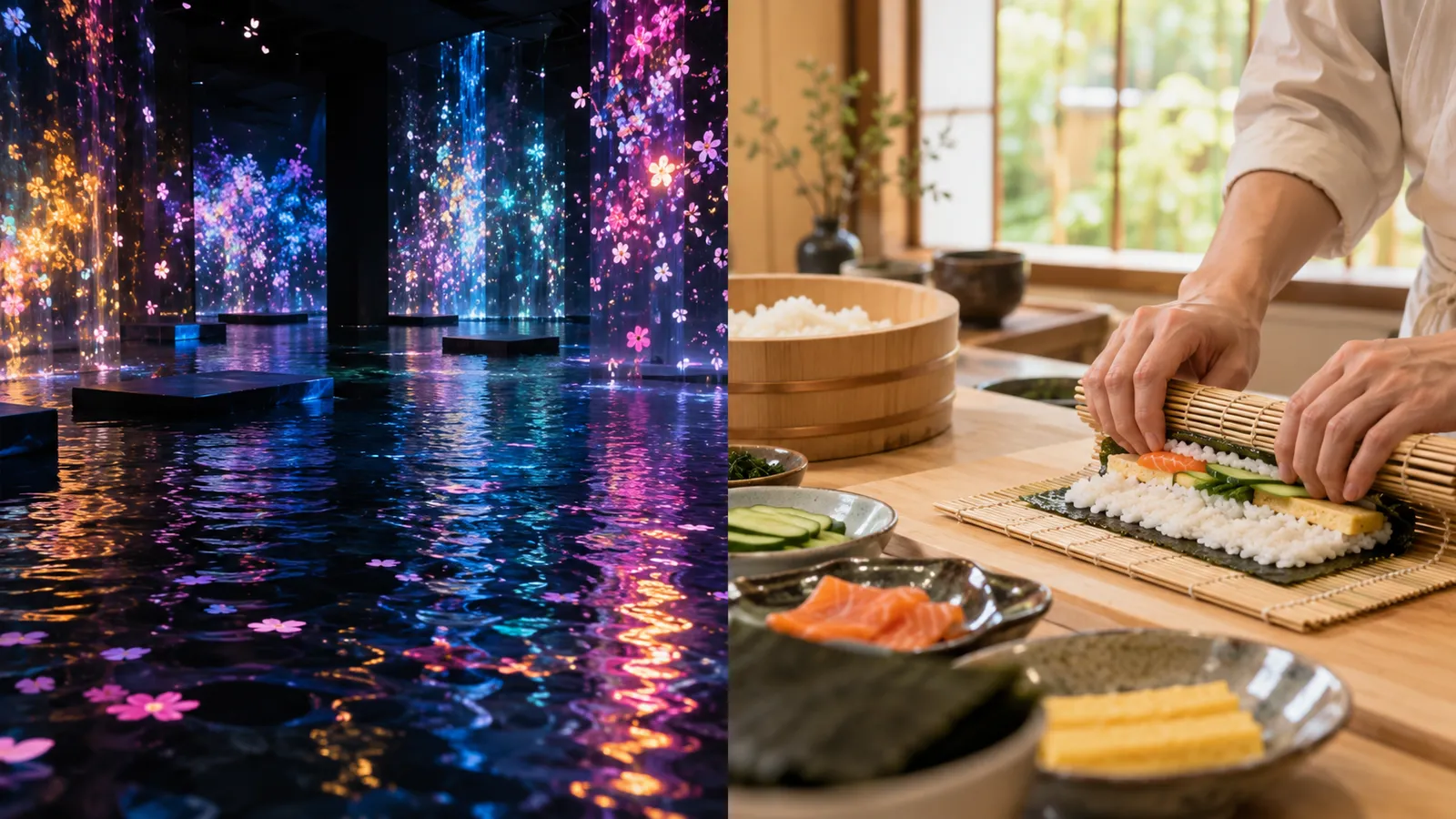
teamLab Planets and a Sushi Class in One Day
Pair teamLab Planets in Toyosu with a sushi class in Asakusa. Train routes, what to wear for the water rooms, timing and two simple plans for one Tokyo day.