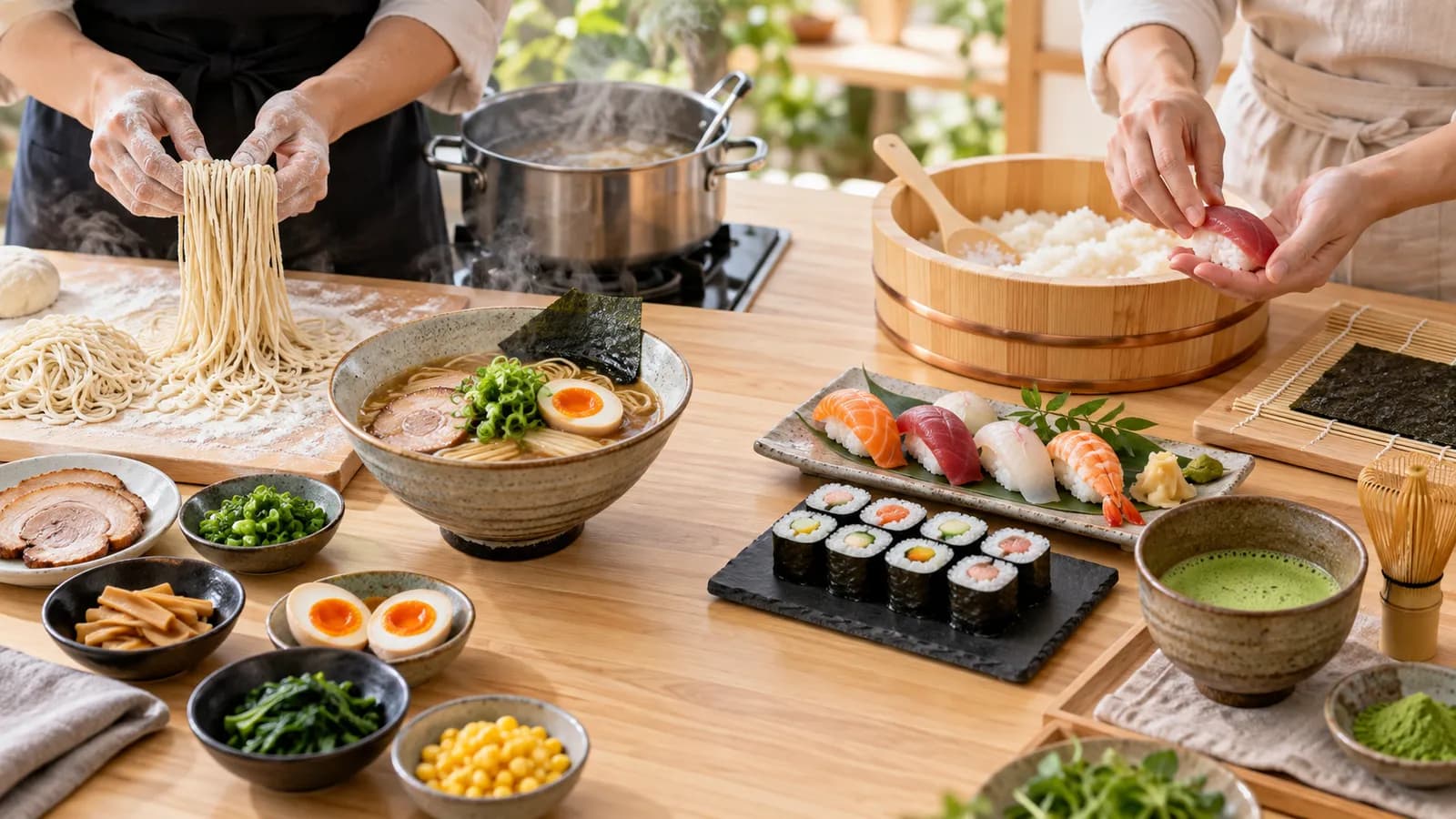
Sushi Class or Ramen Class in Tokyo?
Sushi and ramen are the two dishes most visitors associate with eating in Japan, so it is natural that they are also the two cooking classes people compare when there is only room for one in the itinerary. Both can be a good choice. They are, however, very different activities: one is about precise work with rice and cold ingredients, the other about noodles and a hot bowl of soup. Deciding which suits you is easier if you compare the actual experience rather than the dish you would rather eat for dinner.
We run a sushi class, so we cannot describe any particular ramen class from the inside. What we can do is set out the questions that separate the two formats, explain what our own class includes, and suggest what to check if you are looking at a ramen class instead.
Popular in Tokyo right now — our most recommended experience
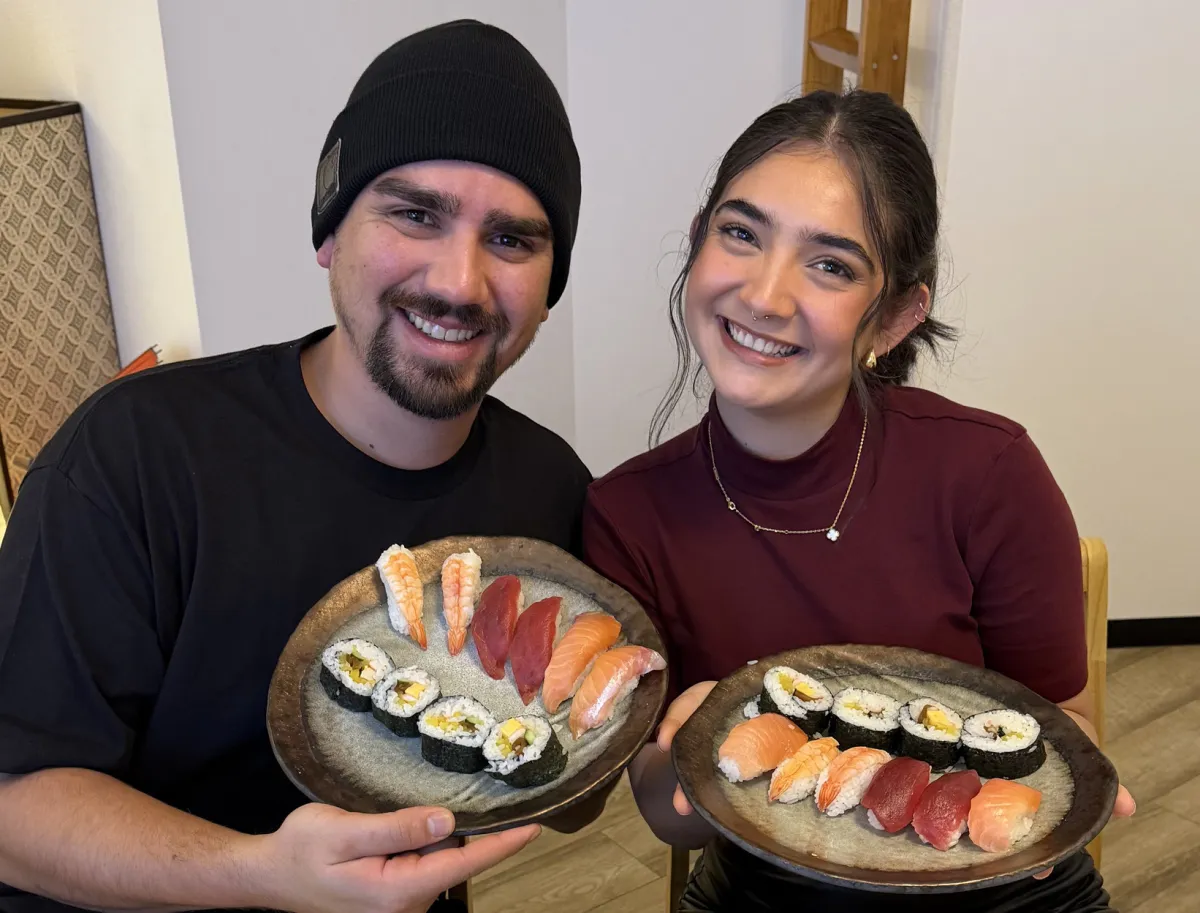
Tokyo Sushi Making Class : Sake Ceremony & Matcha Experience in Asakusa
What your hands actually do
In a sushi class, most of the work happens at the table in front of you. At our signature sushi class in Asakusa, you learn to shape nigiri and roll maki, and each person typically makes around 8 to 10 pieces. The skills are small and repeatable: how much rice to pick up, how firmly to press, how to keep a roll even. Because you repeat them several times, most beginners can see their pieces improve within one session. Our guide to the sushi skills beginners learn in class breaks these steps down.
Ramen classes vary more in what they ask you to do. Some focus on kneading and cutting noodles by hand, some on assembling toppings and seasoning a bowl, and some on the broth. A ramen broth is traditionally simmered for hours, which is longer than most visitors' classes last, so it is worth checking which parts you make yourself and which are prepared in advance. Neither approach is wrong; it simply changes what you will be able to repeat at home.
How long it takes and when you eat
Our signature class lasts about 90 minutes, including making the sushi, eating what you made, a sake toast and whisking your own bowl of matcha at the end. You sit down to eat your own sushi, so for most guests it works as a meal rather than a tasting. If you want to plan the rest of the day around it, see how long a sushi class takes in a Tokyo itinerary.
For a ramen class, check the published duration and whether the finished bowl is eaten at the end, in stages, or shared. Hot soup has to be eaten when it is ready, so the timing of the meal is built into the class. Also check whether the session is a full lunch or dinner, because you will probably not want another large meal straight afterwards.
Temperature, texture and who in your group will enjoy it
This is often the deciding question for a mixed group. Sushi means cold vinegared rice and, in a standard menu, raw fish. Our class can accommodate guests who do not eat raw fish, and a fully plant-based menu is available within the same session, but it is still a cold, fresh style of food. Ramen is hot, rich and filling, and many ramen dishes use pork or animal-based broth, so vegetarian or halal needs should be confirmed carefully with whichever provider you choose.
If someone in your group is unsure about raw fish, read our guide to sushi classes without raw fish before deciding. It separates cooked toppings, plant-based menus and allergy questions, which are different requests.
Culture beyond the dish
A sushi class in Tokyo tends to be connected to wider Japanese food culture: seasonal ingredients, the precision of Edomae-style sushi, and, in our case, the sake toast and matcha. Our class is designed as a cultural experience as well as a cooking lesson, which some visitors want and others do not need. The article on what you make in a sushi and matcha class describes the whole session in order.
Ramen has its own rich culture, from regional styles to the etiquette of a ramen counter. If that story matters more to you, a ramen class may feel more relevant. If you want one activity that covers sushi, sake and tea in a single booking, a sushi and matcha class is the more complete fit.
A quick way to decide
Choose a sushi class if:
- you want a short, repeatable skill you can practise again at home;
- you like the idea of sitting down to eat what you made, with a matcha finish;
- your group is happy with cold dishes and can state any raw-fish or dietary limits in advance;
- you are staying near, or visiting, Asakusa on the same day.
Consider a ramen class if:
- a hot, filling bowl is the meal you most want to learn;
- you are specifically interested in noodle-making or broth;
- the provider can explain clearly which parts are made during the class.
If you are still undecided, think about what you will want to cook again after the trip. Rolling maki for friends at home needs a bamboo mat and some rice; recreating a long-simmered broth takes more time and equipment.
Questions to ask any class before you book
Whichever you choose, the same checks apply:
- What exactly do I make myself, and how much of it?
- How long is the class, and is the food a full meal?
- Is instruction in a language I understand? Our classes are taught in English.
- Which dietary requests can be accommodated, and do I need to state them when booking?
- What are the cancellation and rescheduling terms? Ours allow free cancellation up to 24 hours before the class; later cancellations and no-shows are charged in full.
- How do I get there from where I am staying?
If you are also comparing a sushi class with an onigiri class, our sushi or onigiri class comparison explains the difference between those two options in our studio.
Booking a sushi class in Asakusa
If the comparison points to sushi, the signature sushi class page shows the current price, what is included and the sessions available for your date. The studio is a short walk from Asakusa Station, so it fits easily around Senso-ji or other sightseeing in the area. Choose your date, check the details for your party and complete the booking when the session fits your plans.
Related Articles
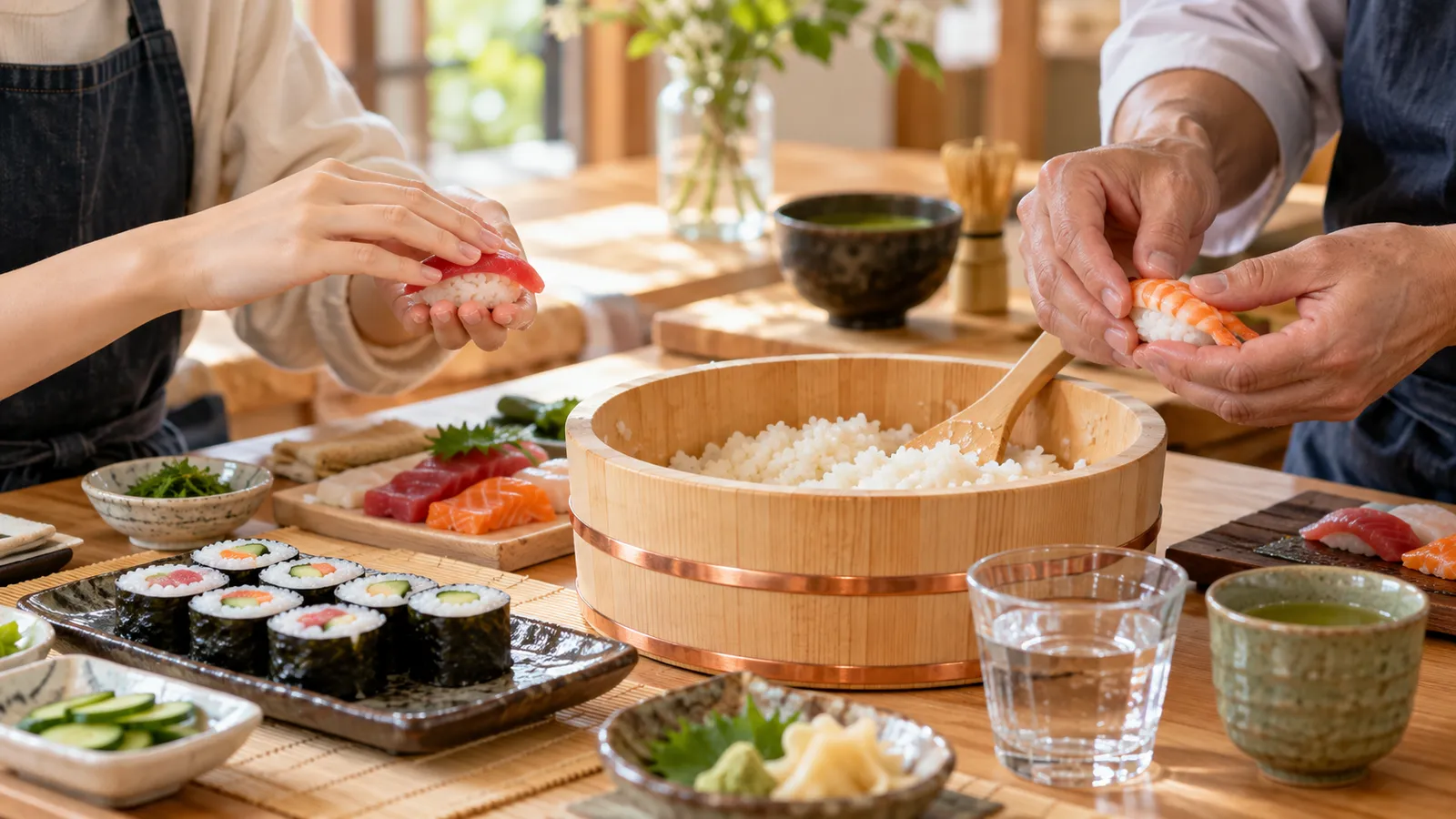
Sushi Class in Tokyo With Teenagers
Travelling with teens? How ticket categories work for ages 13 and up, what happens at the sake toast and when a shared or private sushi class fits best.
Paying for a Tokyo Sushi Class
Which currency will you be charged in, which cards and wallets work, and what happens after you pay? A clear guide before booking a sushi class in Tokyo.
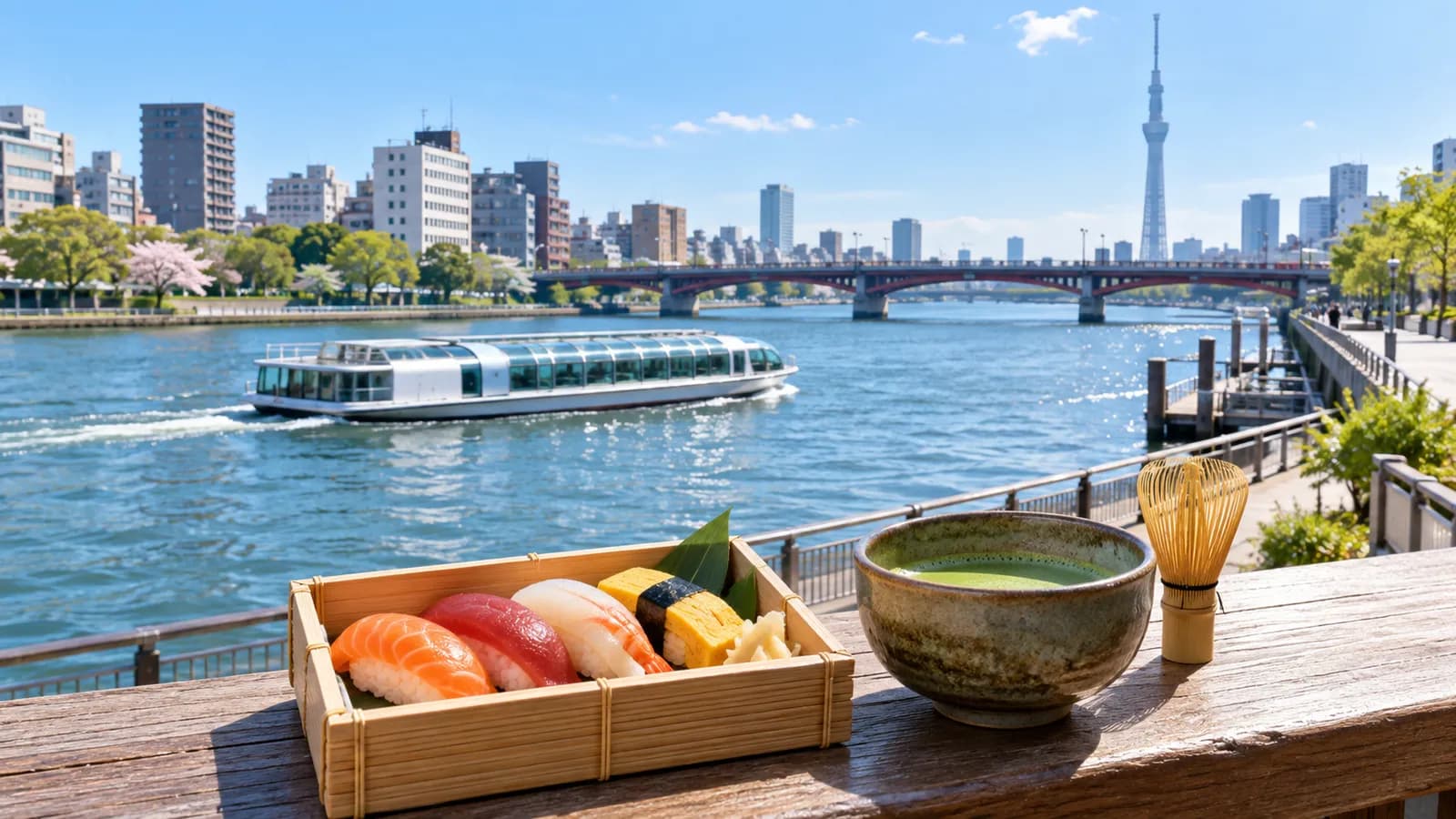
Sumida River Cruise and a Sushi Class
Combine a Sumida River water bus from Asakusa with a sushi class: which order works, how long to allow, and what to check before you board.