Winter Sushi in Tokyo: Fish in Season
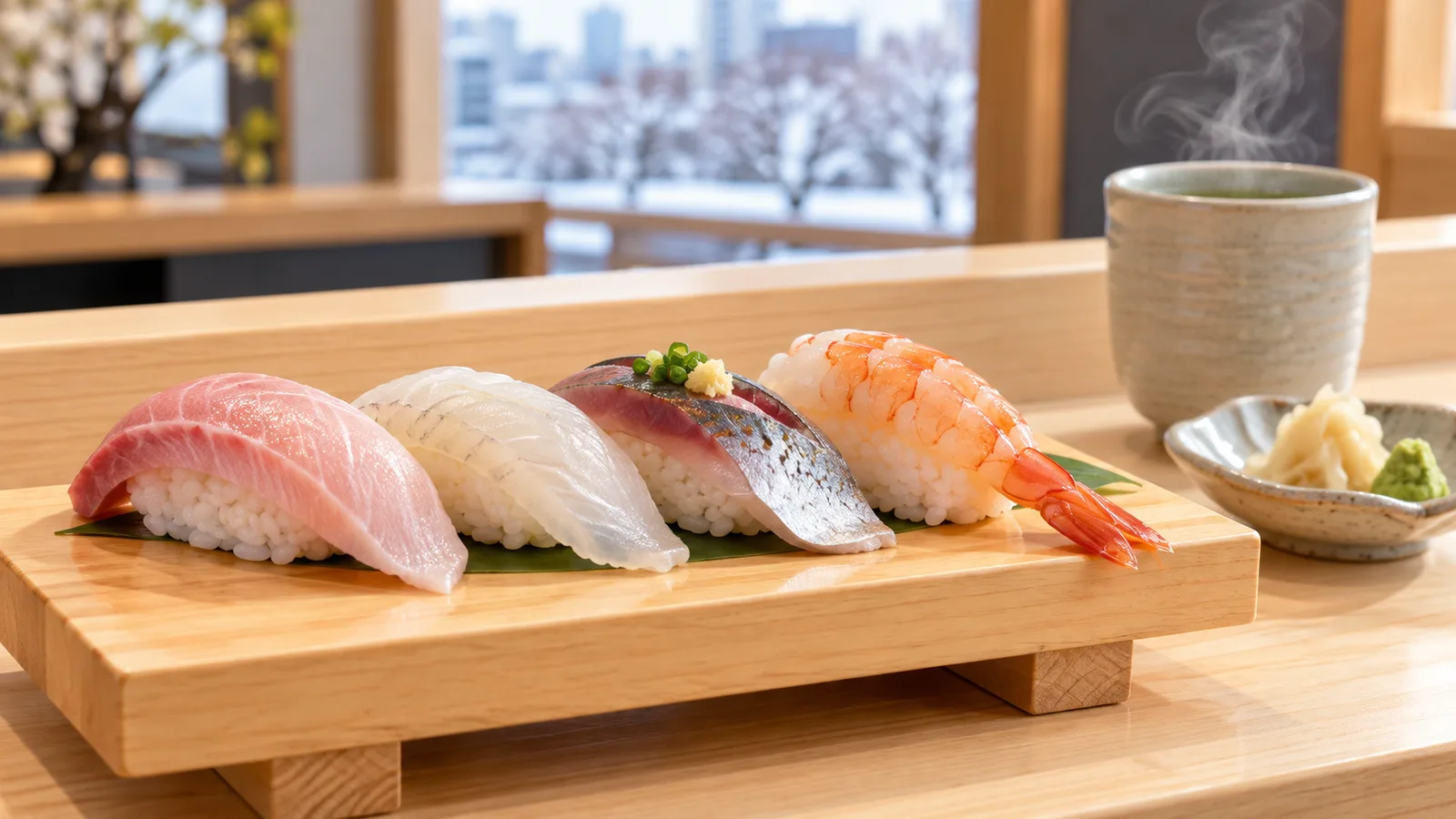
Cold weather is good news for sushi lovers. In winter many fish build up fat to cope with cold water, and the rich, firm flesh that results is exactly what sushi chefs look for. If you are visiting Tokyo between late autumn and February, the toppings on a sushi counter's board can look quite different from the summer menu, and a few of them are worth ordering on purpose.
This guide introduces the winter toppings you are most likely to meet, explains how to ask for seasonal fish and shows how this connects to a hands-on sushi class in Asakusa.
Popular in Tokyo right now — our most recommended experience
Tokyo Sushi Making Class : Sake Ceremony & Matcha Experience in Asakusa
Why winter is a strong sushi season
Japanese cooking puts a lot of weight on shun, the moment when an ingredient is at its best. Our guide to shun and seasonal eating explains the idea in more depth. For fish, the best moment often comes in the cold months: water temperatures drop, and many species store fat before spawning or migrating.
The Tokyo Metropolitan Central Wholesale Market, which runs Toyosu Market, lists winter yellowtail (kanburi), spear squid, cod, oysters, Spanish mackerel, red sea bream, flounder, monkfish, tiger pufferfish and octopus as winter seafood. Not all of these end up on sushi rice, but several are classic winter toppings.
Five winter toppings worth knowing
Kanburi: winter yellowtail
Buri is Japanese amberjack, often called yellowtail in English. When it is caught in the cold months it is called kanburi, "cold buri". According to the Tokyo market's guide to kanburi, fish arriving in winter are fatty with firm flesh, deliveries peak in December, and they come from prefectures such as Niigata, Toyama and Tottori on the Sea of Japan side.
Buri is also a shusse-uo, a "promotion fish" whose name changes as it grows. The same guide notes that in the Kanto region a fish of around 40 centimetres is called inada, one of around 60 centimetres warasa, and a large fish of about a metre buri. With its fat and firm flesh, kanburi makes a rich sushi topping.
Wondering how buri relates to hamachi or kanpachi? Our guide to hamachi, buri and kanpachi explains the names and how the fish compare as sushi.
Hirame: winter flounder
Hirame, the olive flounder, is on the market's list of winter fish. Winter hirame is sometimes called kan-birame, and its white flesh is a classic sushi topping. Look out for engawa, the strip of muscle along the fin, which is richer and chewier than the main fillet and is often served as its own piece. Our guide to hirame, karei and engawa explains how hirame differs from karei and where engawa comes from.
Madai: red sea bream
Red sea bream, madai, is the classic celebratory fish in Japan because tai echoes medetai, "auspicious". The Tokyo market's page on madai says the largest volumes arrive in December and describes it as a low-fat white fish with plenty of umami.
Yari-ika: spear squid
Spear squid, yari-ika, is another winter arrival. The market's guide notes that it is best raw for sushi and sashimi around January, with thin but firm flesh and a richer taste than common squid. In February, squid carrying roe is more often simmered whole than eaten raw.
Sawara: winter Spanish mackerel
The kanji for sawara contains the character for spring, so many people assume it is a spring fish. The Tokyo market points out that it is actually very good in winter, enough to have its own name, kan-zawara. Fatty winter sawara sashimi is said to rival medium-fatty tuna. If you are curious about the spring side of the story, our guide to spring's seasonal sushi toppings covers it.
Other winter tastes on the counter
A few other winter items appear at sushi restaurants, though not always as nigiri:
- Ankimo (monkfish liver): monkfish is on the market's winter list. The liver is steamed and served in slices, sometimes as a small side dish.
- Oysters and cod: both are winter favourites in Japan, though you are more likely to meet them in hot pots and cooked dishes than on sushi rice.
- Snow crab: fishing seasons vary by region. Crab appears on winter menus, so ask the restaurant what is available that day.
Tiger pufferfish, fugu, is also a winter speciality, but it is prepared only by licensed chefs and is usually served at specialist restaurants rather than at an ordinary sushi counter.
How to ask for seasonal fish
You do not need much Japanese to eat seasonally:
- "Osusume wa?" means "What do you recommend?" At most counters the answer will include what is in season that day.
- Look for a handwritten board. Many shops list daily or seasonal fish separately from the fixed menu.
- Order an omakase or chef's selection. Seasonal fish is usually built into it.
- Ask about origin. Japanese menus often name the region, and winter fish from the Sea of Japan coast are a point of pride.
Prices for seasonal fish can change daily, so if a piece is marked "market price", ask before ordering. For counter manners, such as how to dip nigiri and when to eat pickled ginger, see our sushi etiquette guide for first-timers.
Making sushi yourself in winter
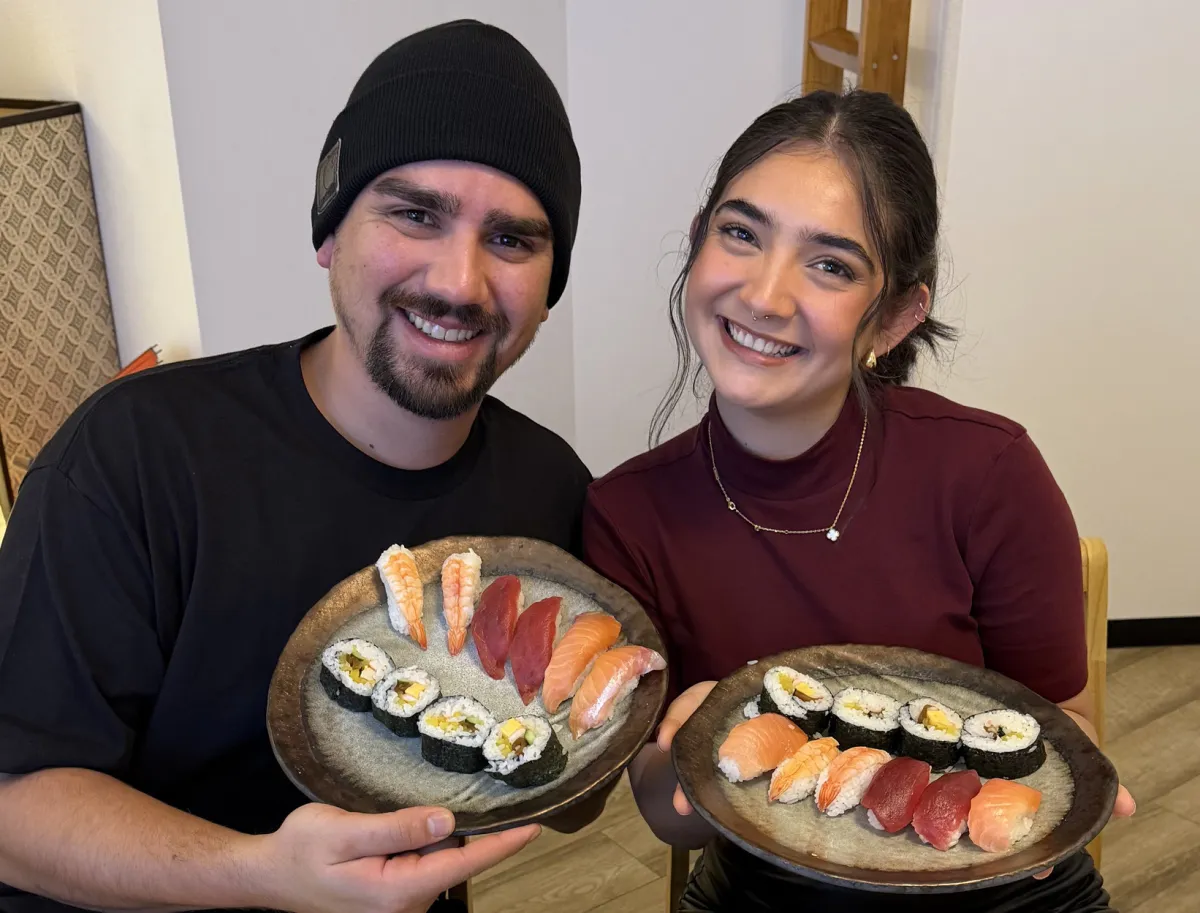
Our signature sushi and matcha class in Asakusa is held through the winter months too; check the booking calendar for open dates. In about 90 minutes you join a sake toast, shape nigiri and roll maki with an English-speaking instructor, eat what you made and whisk your own matcha. The toppings depend on the ingredients prepared for your session, so treat this guide as background rather than a promise of specific winter fish in class.
What the class does give you is the skill behind every topping above: shaping rice so that a rich slice of fish sits neatly on top. After that, ordering kanburi or hirame at a counter feels very different. If you are celebrating with a private group and want to focus on premium ingredients, compare the options in our guide to premium omakase or a sushi making class.
Winter is also a comfortable time for an indoor activity. Shorter daylight and cold evenings make a warm studio near Senso-ji an easy plan for part of an Asakusa day.
Plan your winter sushi day
Eat seasonally at a counter, and learn the hands-on side in Asakusa. Check winter dates and book the sushi and matcha class, and add any dietary needs to your booking so the team can prepare.
Related Articles
Hamachi, Buri or Kanpachi? Yellowtail Sushi
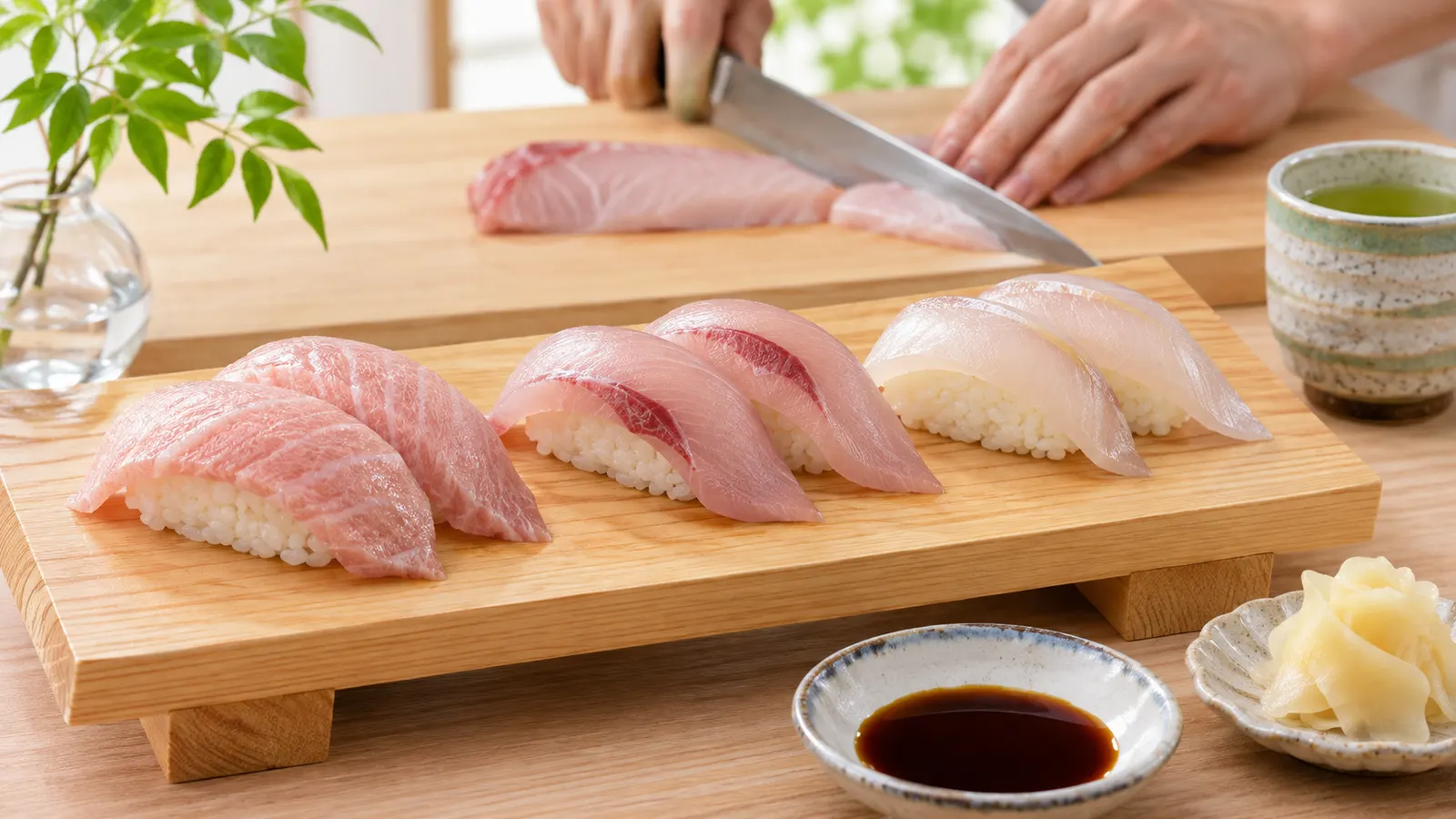
Hamachi, buri, kanpachi and hiramasa all appear as yellowtail on sushi menus. What each name means, how they taste and when to order them in Japan.
Nori for Sushi Rolls: A Beginner's Guide
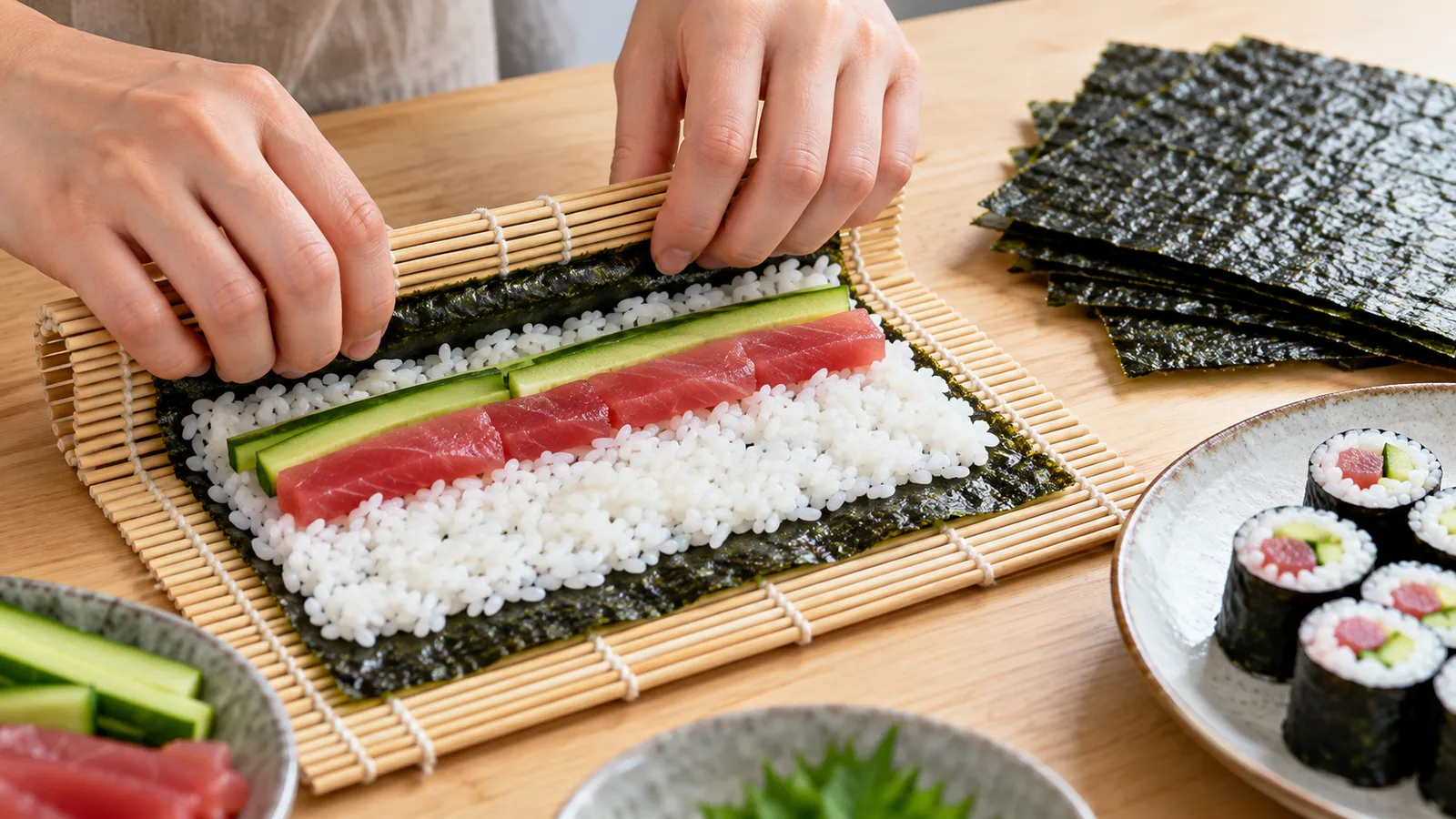
What nori is, where it comes from, which side faces out, why it turns chewy and how to keep it crisp, plus where you roll maki in our Asakusa class.
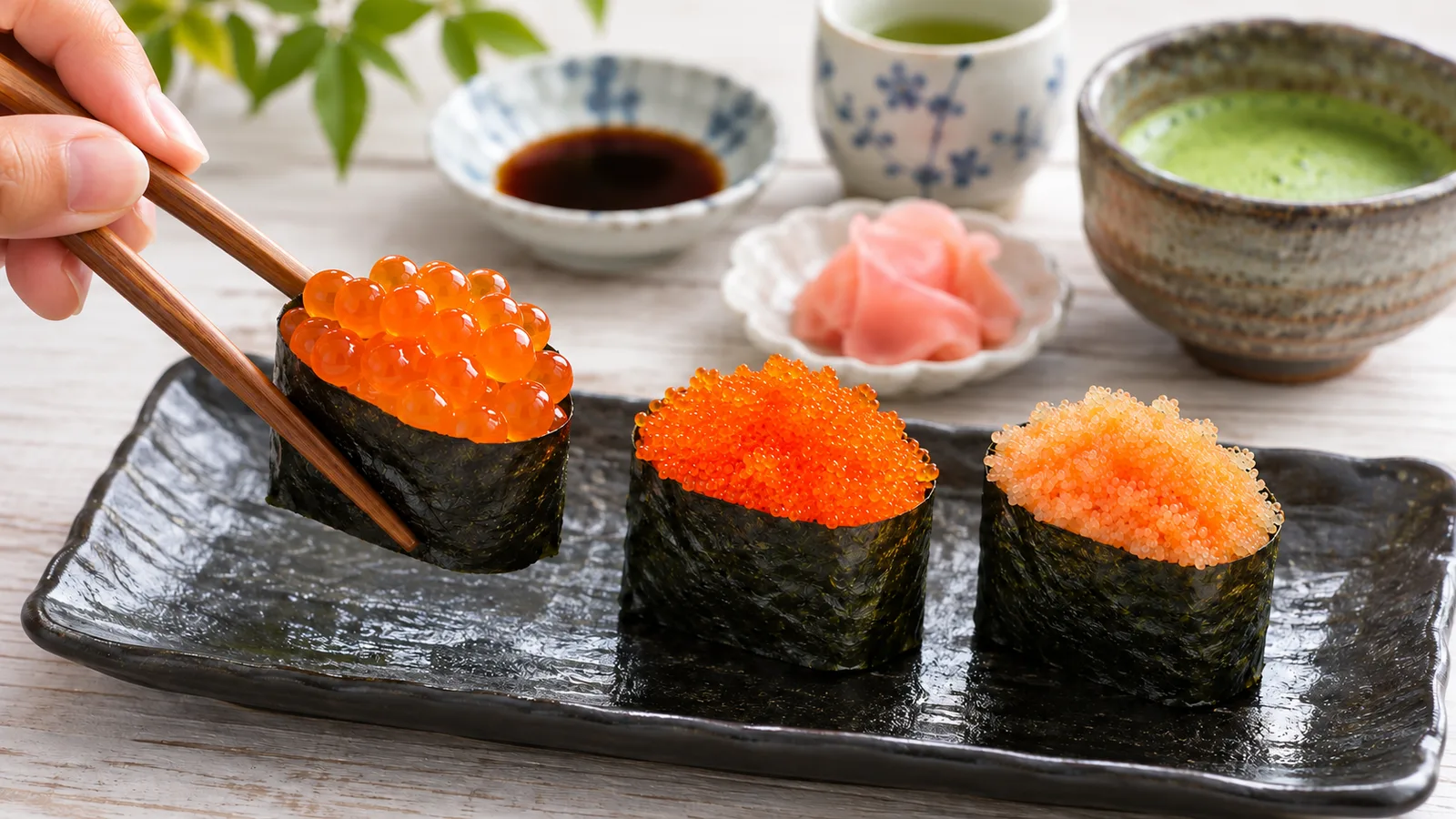
Ikura, Tobiko & Masago: Fish Roe Sushi Guide
Ikura, tobiko, masago, mentaiko and kazunoko explained: which fish each roe comes from, how they taste, how to tell them apart and how to eat roe sushi.