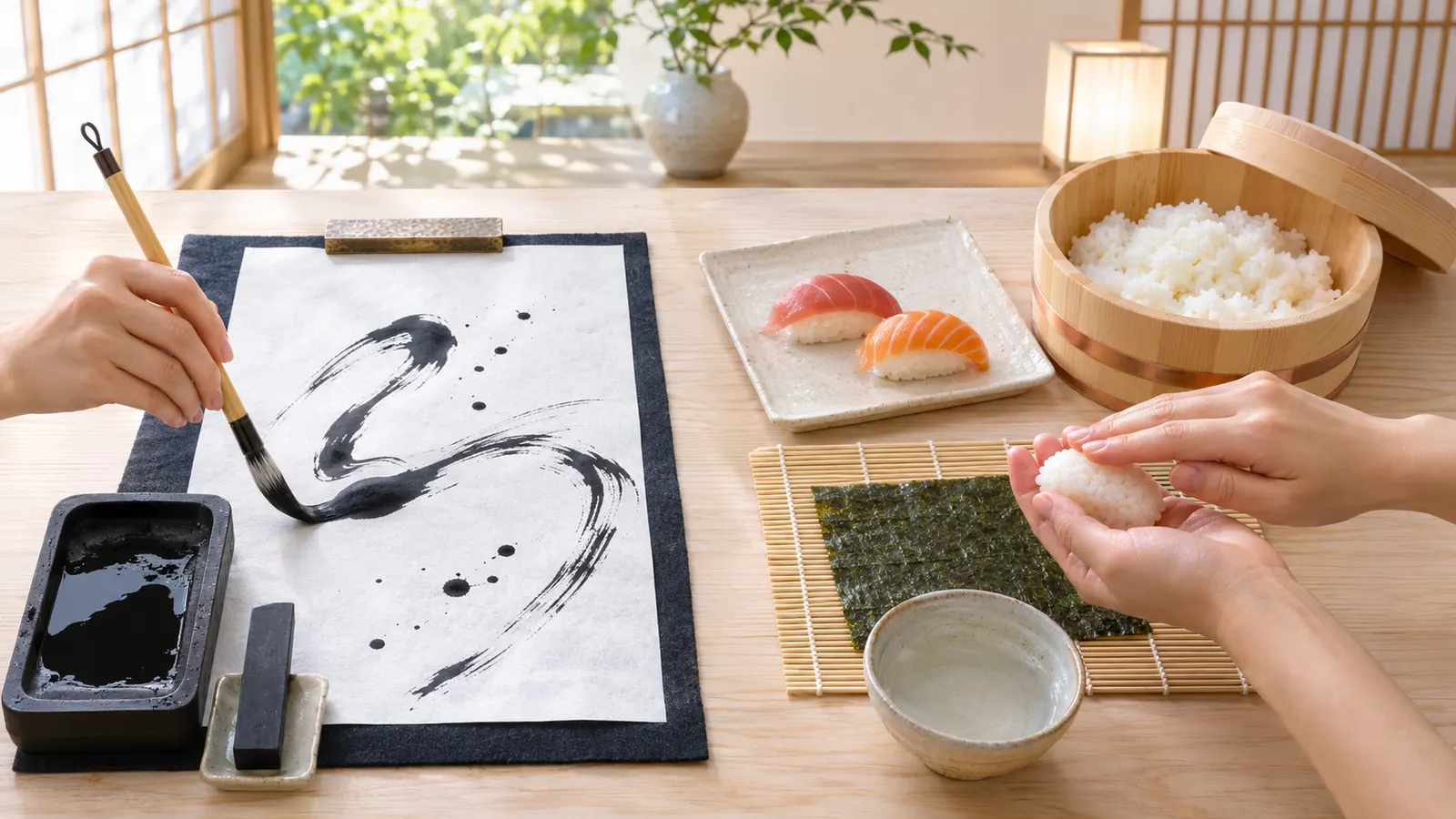
Calligraphy or Sushi Class in Tokyo?
Many visitors want one hands-on cultural activity in Tokyo, and two of the most common choices are a calligraphy (shodo) workshop and a sushi class. Many introductory calligraphy workshops welcome complete beginners and some last around 90 minutes, the same as our sushi class, and both give you something to show for it at the end. The format, length and age policy of calligraphy workshops vary by provider, so check before booking. They are very different experiences, though, and the better choice depends on what you want to remember from the day.
This guide compares the two from a practical point of view: what you actually do, what you take home, food and dietary needs, ages, clothes and how to fit both into one day. We run the sushi class, so we describe our own class from our current class information and keep the calligraphy side general, because workshops vary.
Popular in Tokyo right now — our most recommended experience
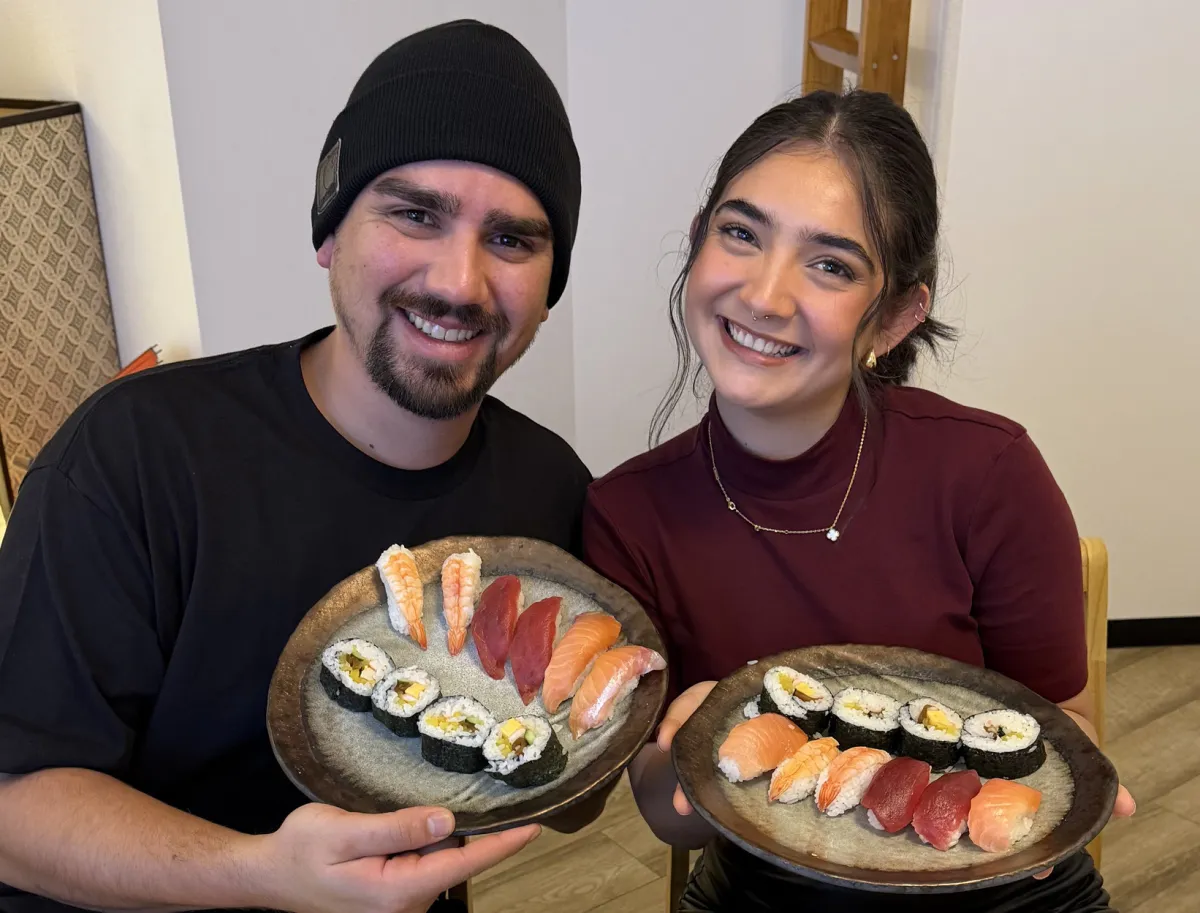
Tokyo Sushi Making Class : Sake Ceremony & Matcha Experience in Asakusa
What each experience is
A calligraphy workshop teaches you to write characters with a brush and black ink on paper. A typical session starts with how to hold the brush upright, how to load it with ink and how to sit. You practise basic strokes, then write one or more characters, often a kanji with a meaning you choose, such as "dream" or "harmony", or your name in Japanese script. Most of the time is quiet and focused: one brush, one sheet, repeated attempts.
Our sushi class is a 90-minute session in Asakusa. You learn to shape nigiri and roll a futomaki with an English-speaking instructor, toast with sake, sit down to eat everything you made and finish by whisking your own bowl of matcha. It is social and practical: you work with your hands, you talk, and the result is a meal.
What you take home
This is the clearest difference.
- Calligraphy: a piece of paper with your own brushwork. Many workshops let you take your best sheet home, and some offer a mounted card or board for an extra fee. It is light, flat and easy to pack, which makes it a good souvenir or gift.
- Sushi: a meal you eat on the spot, plus a skill. You cannot take the sushi with you, but you leave knowing how to press rice, slice toppings and roll with a bamboo mat. Our article on the skills beginners learn in a sushi class explains what the instructors focus on.
If you want an object to frame at home, calligraphy wins. If you want to recreate the experience in your own kitchen, sushi does.
Food and dietary needs
Calligraphy involves no food at all, which makes it simple for anyone with allergies or strict diets.
A sushi class is built around food. Our signature class uses fresh fish, and the session also counts as a real meal, so you can plan it as lunch or dinner. If someone in your group is vegan, there is a plant-based version of the same class, and if someone does not eat raw fish, our guide to sushi class options without raw fish explains what to ask before booking. Food allergies should always be raised before you pay.
Ages, groups and atmosphere
Calligraphy suits people who enjoy concentrating quietly. Some workshops seat you on tatami, which can be uncomfortable if kneeling is difficult for you, so ask in advance whether tables and chairs are available. Younger children may lose interest in repeating strokes, while older children and teenagers often enjoy writing their name.
A sushi class is more lively. Children aged four and above can take part in our regular class, and younger children are welcome to come along and share with a parent. Families who want the room to themselves can book the family private class. Groups of friends tend to enjoy the shared table and the sake toast, though drinking is optional.
Clothes and mess
Calligraphy ink (sumi) is very hard to wash out of fabric. Wear dark clothes and avoid loose sleeves.
Sushi rice is less likely to stain than ink, but soy sauce, fish and tea can still mark clothing, so wear something comfortable that you do not mind getting a little messy. Our guide to what to wear and bring to a sushi class covers the details.
Which one suits you?
Choose calligraphy if:
- you want a calm, meditative hour;
- you would like a flat souvenir to frame or give as a gift;
- someone in your group has dietary needs that make a food class difficult.
Choose a sushi class if:
- you want a hands-on activity that also covers a meal;
- you would like a skill to use at home;
- you are travelling as a family, couple or group and want something social.
If you are comparing other activities too, our guides to a samurai experience or a sushi class and kimono rental or a sushi class use the same questions.
Doing both in one day
The two fit together well because they use different parts of the day. A quiet calligraphy session in the morning followed by sushi as lunch, or sushi first and calligraphy in the afternoon, both work. Leave at least an hour between them for travel and a break, and check the start time of each before you book either.
If you want to see calligraphy without taking a workshop, look out for goshuin, the brush-written temple seals that temples such as Senso-ji write into visitors' books. Senso-ji is a short walk from our studio. Our guide to visiting Senso-ji and a sushi class on the same day has route and timing ideas.
FAQ
Do I need to know Japanese for either? No. Both are designed for beginners. Our sushi class is fully supported in English.
Which is better on a rainy day? Both take place indoors. Our sushi studio is about 30 seconds on foot from the North Exit of Tobu Asakusa Station, which keeps the time spent outside short.
Which is better for a solo traveller? Either. Calligraphy is naturally individual, and in our shared sushi class solo guests join the same table as everyone else.
Before you book
Decide what you want to take away from the day: a framed piece of brushwork, or a meal and a skill. If it is the second, book the signature class and check the calendar for a time that fits around the rest of your plans.
Related Articles
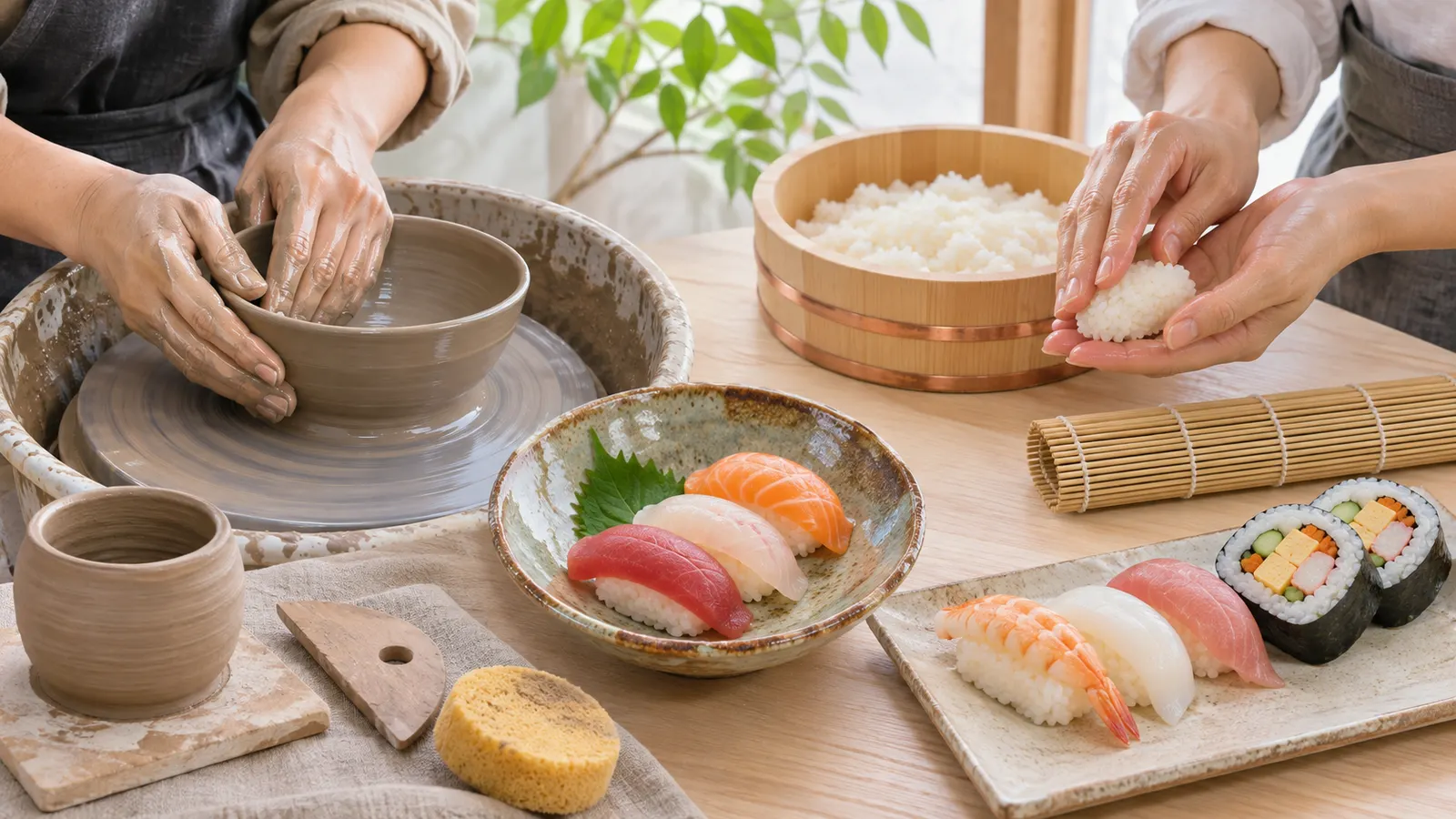
Pottery Class or Sushi Class in Tokyo?
Pottery workshop or sushi class in Tokyo? Compare wheel and hand-building, the firing and shipping wait, food, ages and clothes, and how to do both in a day.
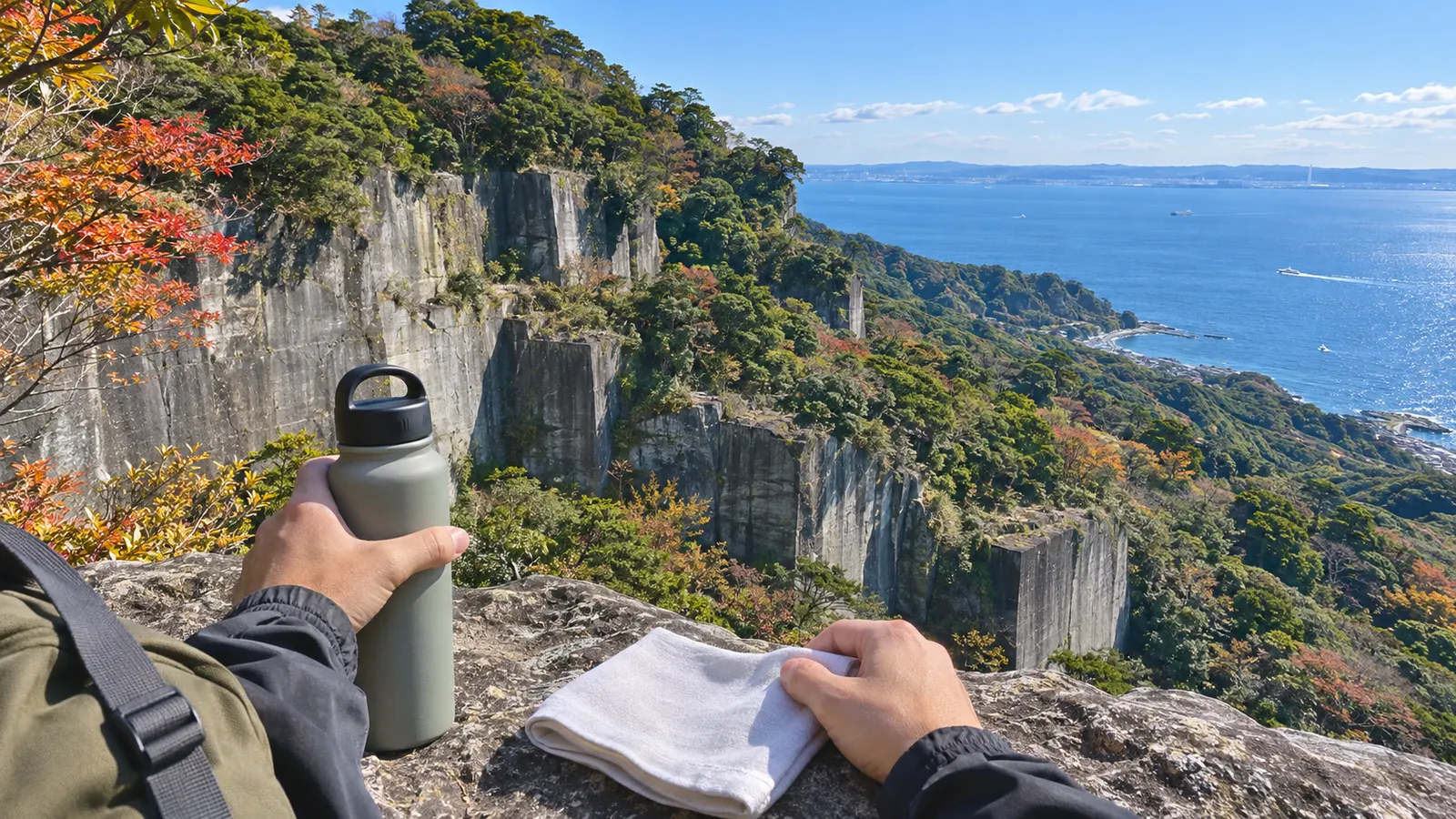
Nokogiriyama Day Trip & Asakusa Sushi Class
Mount Nokogiri in Chiba: train, ferry and ropeway, Nihon-ji's giant Buddha and Jigoku Nozoki, winter hours, and how to fit a sushi class around the trip.
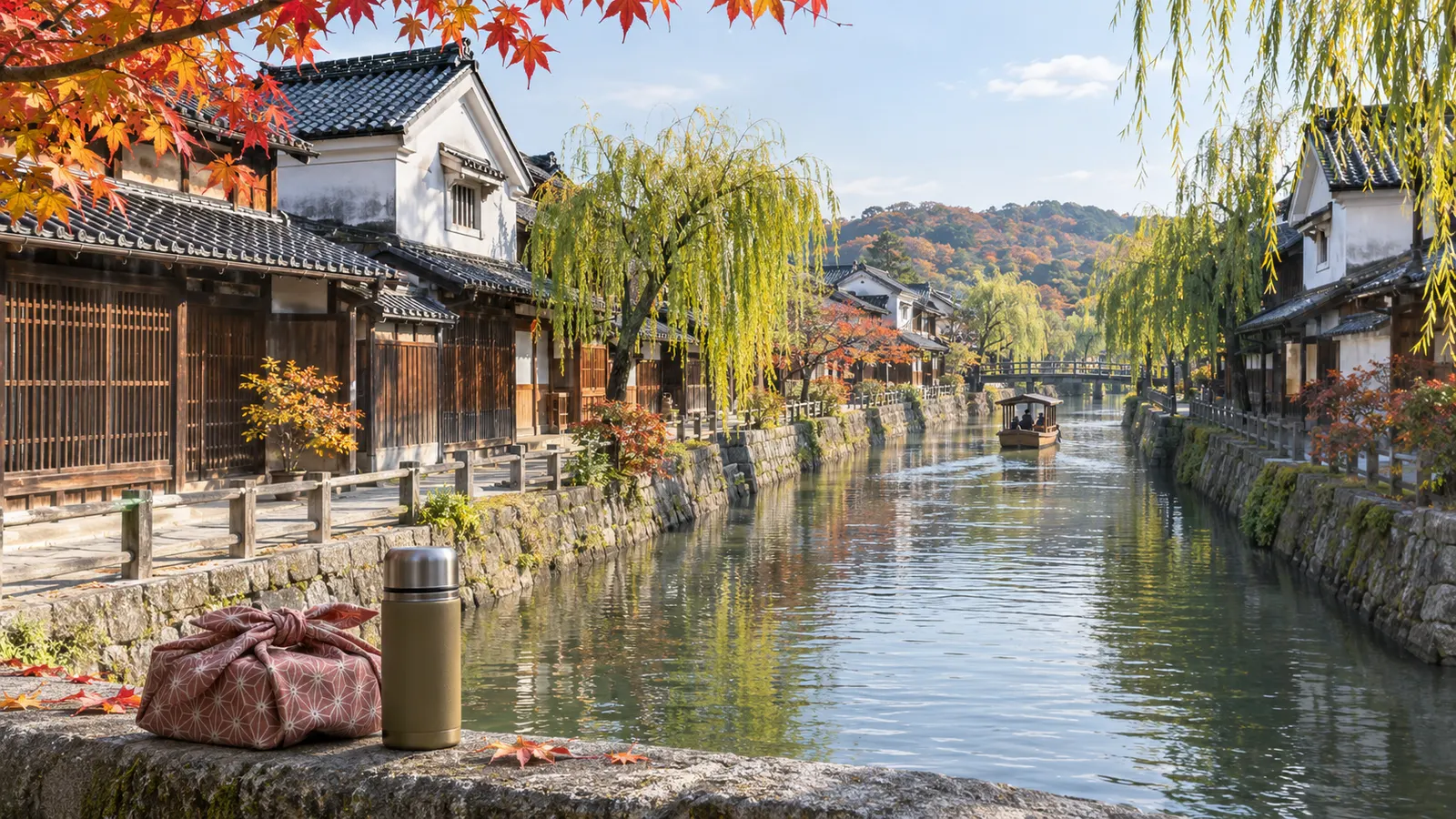
Sawara Day Trip & Asakusa Sushi Class
Sawara, Chiba's canal town: train and bus routes, the Ono River boat ride, Ino Tadataka Museum and Katori Jingu, and how to fit a sushi class around the trip.